

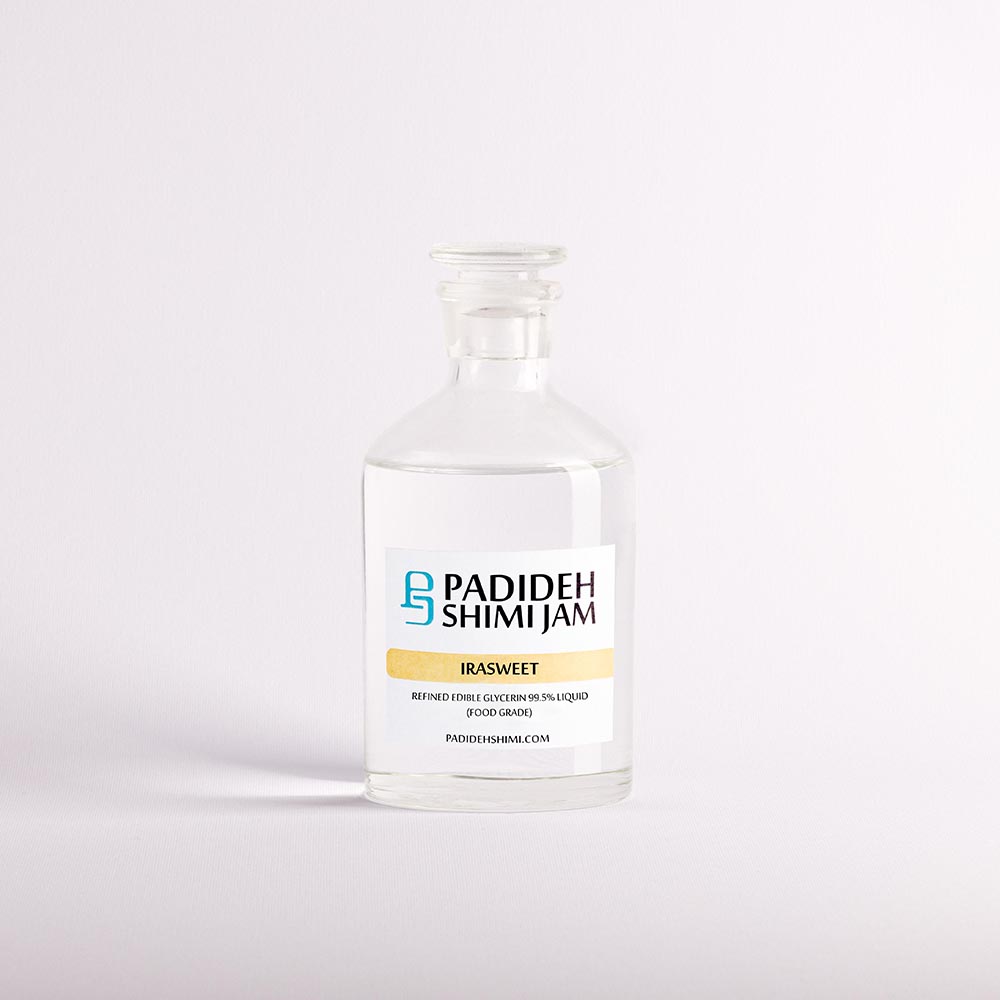
In the modern beverage industry, delivering products with consistent taste, texture, and stability is critical for success. Refined Food Grade Glycerin has emerged as a natural, multifunctional ingredient that addresses these needs. Serving as both a sweetener and humectant, glycerin enables beverage manufacturers to maintain product quality while optimizing industrial-scale production.
At MT Royal, we have observed firsthand how high-quality refined glycerin can enhance production efficiency, reduce waste, and improve product shelf life. Our expertise in supplying industrial-grade, food-compliant glycerin allows factories worldwide to meet the growing demands of consumers while ensuring regulatory compliance. This guide provides an in-depth exploration of glycerin’s applications, industrial best practices, common sourcing pitfalls, and strategies for maximizing its benefits in beverage manufacturing.
What is Refined Food Grade Glycerin?
Refined Food Grade Glycerin is a colorless, odorless, viscous liquid derived from plant oils, refined to meet strict food safety standards. It functions as a natural sweetener, humectant, and stabilizer, making it indispensable for the beverage industry.
Key Properties:
- Purity: ≥99.7%, compliant with food-grade regulations.
- Viscosity: ensures smooth mixing in liquid formulations.
- Solubility: highly soluble in water and compatible with most beverage additives.
- Moisture retention: extends shelf life and maintains consistency in drinks.
- Non-toxic and safe for consumption: suitable for all food and beverage products.
Using a high-quality, consistent glycerin ensures that beverage products retain flavor, texture, and appearance during storage, transportation, and distribution. At MT Royal, we guarantee that our glycerin meets international standards for food safety, quality, and industrial scalability.
Industrial Applications in the Beverage Sector
1. Carbonated Beverages
Glycerin acts as a viscosity modifier and sweetener, maintaining a consistent mouthfeel and enhancing flavor stability. It prevents foaming issues during carbonation and improves overall texture.
2. Syrups and Concentrates
Refined glycerin is widely used in fruit and flavor syrups, providing:
- Moisture retention to prevent crystallization
- Improved sweetness without increasing sugar content
- Compatibility with high-concentration flavor extracts
This ensures that syrups remain smooth and stable, even in tropical climates or during long-term storage.
3. Functional Beverages and Nutritional Drinks
Glycerin serves as a carrier for vitamins, minerals, and plant extracts, allowing uniform dispersion throughout liquid formulations. Its humectant properties prevent separation and sedimentation, ensuring product integrity from production to consumption.
4. Alcoholic Beverages
In spirits and liqueurs, glycerin improves mouthfeel, viscosity, and sweetness without altering the alcohol content. This helps maintain premium taste and texture, crucial for brand reputation.
Common Mistakes in Industrial Sourcing
Based on experience with multiple beverage producers, common sourcing mistakes include:
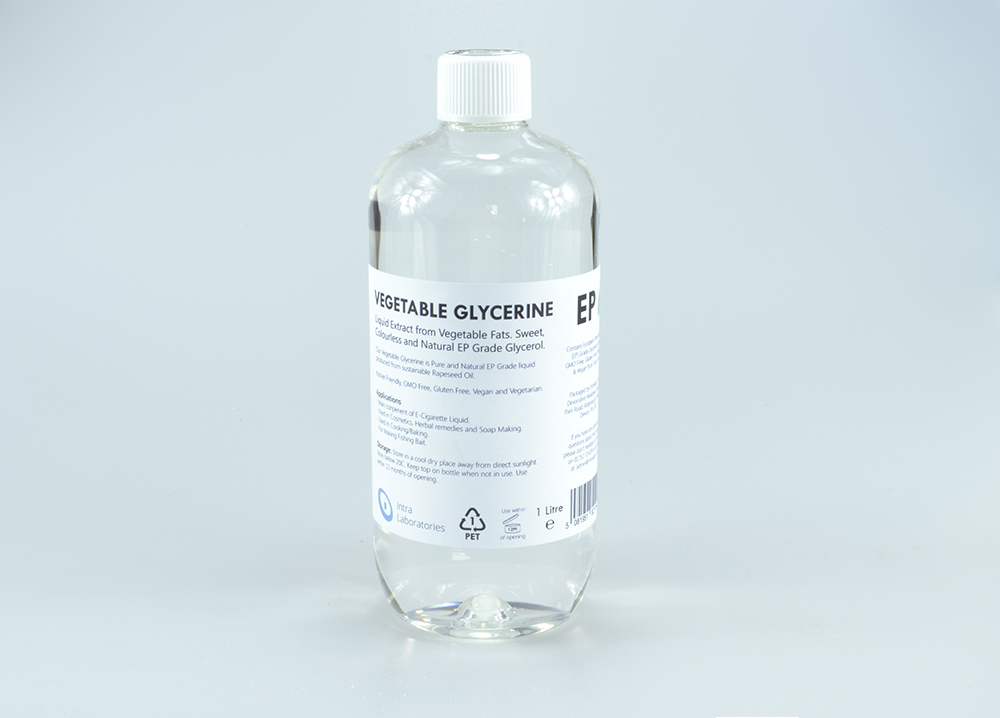
- Choosing suppliers without verified food-grade certification: Lower-grade glycerin may contain impurities affecting taste and safety. MT Royal provides fully certified food-grade glycerin.
- Ignoring storage requirements: Glycerin must be stored in clean, temperature-controlled tanks to maintain consistency.
- Limited understanding of glycerin functionality: Some manufacturers only use it as a sweetener, overlooking its humectant and stabilizing benefits.
- Failing to check regulatory compliance for export markets: Food-grade glycerin must meet international standards, including FDA, EU, and local food safety regulations.
Awareness of these pitfalls ensures smooth production, high product quality, and successful export readiness.
Production Tips for Large-Scale Beverage Manufacturing
1. Temperature and Environmental Control
- Optimal storage temperature: 15–25°C (59–77°F).
- Avoid direct sunlight or heat exposure to prevent color changes or viscosity alterations.
- Ensure proper ventilation in storage areas to maintain product integrity.
2. Mixing and Formulation Practices
- Glycerin is compatible with most water-based ingredients and natural extracts.
- For heat-sensitive beverages, add glycerin at controlled temperatures to avoid chemical degradation.
- Use stainless steel tanks and pumps to prevent contamination and maintain purity.
3. Storage and Handling
- Use food-grade containers or drums with airtight seals.
- Prevent water contamination during transfers.
- Implement batch quality control checks for consistency in sweetness, viscosity, and color.
At MT Royal, we provide guidance on industrial storage, handling, and logistics, ensuring glycerin arrives ready for seamless integration into beverage production lines.
Frequently Asked Questions (FAQs)
Q: Can glycerin fully replace sugar in beverages?
A: Glycerin provides sweetness without excessive calories but may need to be combined with other sweeteners for full flavor balance in certain formulations.
Q: How does glycerin affect shelf life?
Its moisture-retaining properties help prevent drying, crystallization, and sedimentation, extending beverage shelf life significantly.
Q: Is food-grade glycerin safe for all beverage types?
Yes, when sourced as refined and certified, glycerin is safe for soft drinks, juices, functional drinks, syrups, and alcoholic beverages.
Q: What documentation is needed for export?
Certified food-grade glycerin should include FDA, EU, and ISO certifications. MT Royal provides all required documentation for international trade.
Comparative Advantages
| Feature | Refined Food Grade Glycerin | Sugar | Artificial Sweeteners |
|---|---|---|---|
| Purity | ≥99.7% | Variable | High |
| Sweetening Effect | Moderate, natural | High | High |
| Moisture Retention | Excellent | Low | Low |
| Compatibility in Formulations | High | Medium | Medium |
| Industrial-Scale Suitability | Excellent | Moderate | Limited |
Industrial Insights and Case Studies
Several real-world examples illustrate the benefits of refined glycerin:
- A tropical beverage producer prevented crystallization in concentrated syrups, reducing production losses by 15%.
- A functional drink manufacturer improved vitamin dispersion and product stability in liquid supplements.
- Carbonated beverage producers enhanced mouthfeel and viscosity, increasing consumer satisfaction and repeat purchases.
These case studies highlight glycerin’s ability to improve production efficiency, product quality, and consumer satisfaction, demonstrating its value beyond simple sweetness.
Strategic Considerations for Beverage Manufacturers
For companies targeting high-quality, export-ready beverages, refined glycerin offers several strategic advantages:
- Scalable integration: seamless addition to industrial production lines.
- Regulatory compliance: meets FDA, EU, and ISO standards for food-grade ingredients.
- Cost-effectiveness: reduces product losses and maintains consistent quality across batches.
At MT Royal, we ensure that manufacturers receive not only glycerin but also technical expertise and support for global supply chains, ensuring that products reach markets in optimal condition.
Final Insights
Refined Food Grade Glycerin is a versatile, natural, and functional ingredient essential for beverage manufacturers seeking consistent sweetness, improved texture, and extended shelf life. Its role as both a sweetener and humectant allows for superior product stability and consumer satisfaction.
We at MT Royal have seen the tangible benefits of incorporating high-quality glycerin into beverage production: optimized processes, reduced waste, and enhanced product performance. Partnering with MT Royal provides more than a supplier; it delivers reliable supply, industry expertise, and a pathway to industrial-scale excellence for beverage manufacturers competing in global markets.


No comment