

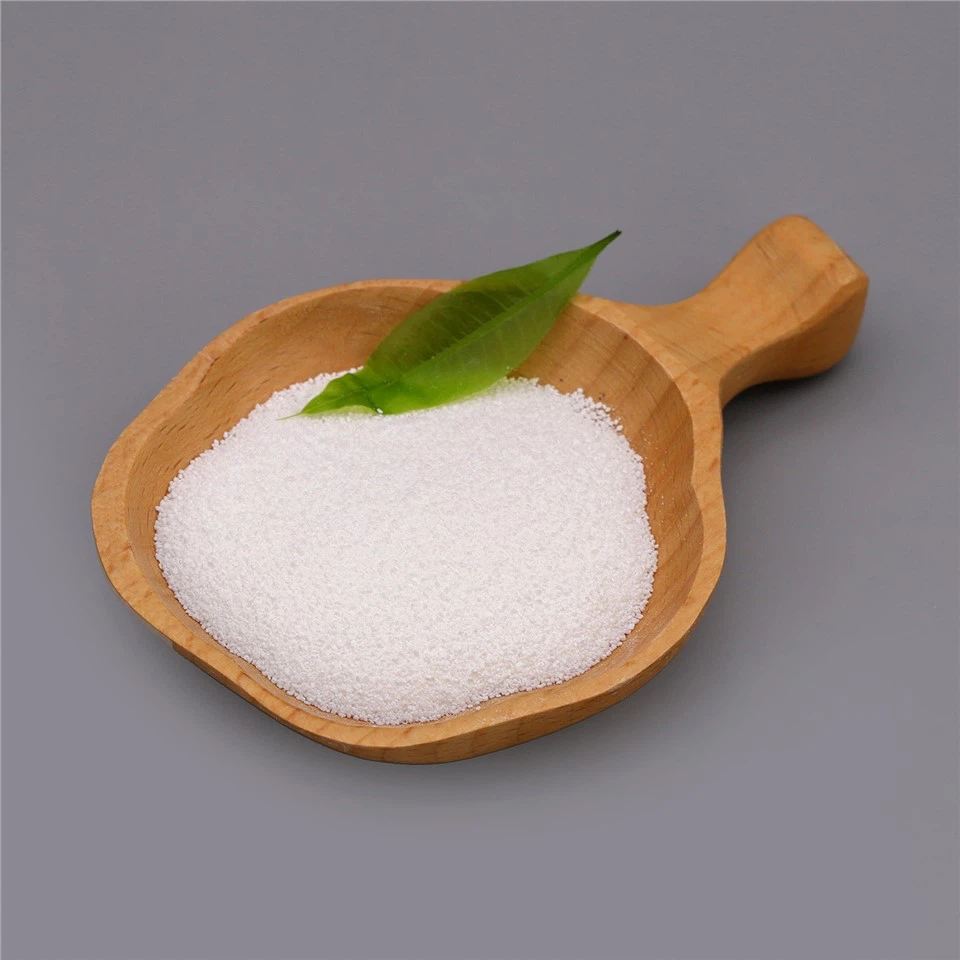
In today’s competitive food industry, achieving consistent sweetness in products without adding sugar is more than a taste preference—it’s a necessity. Saccharin, as a high-intensity, zero-calorie sweetener, plays a crucial role in manufacturing a wide array of food and beverage products, from soft drinks and confectionery to pharmaceuticals and dietary supplements.
Producers and procurement managers seeking food-grade saccharin in bulk prioritize not only cost efficiency but also purity, compliance, and traceable sourcing. At MT Royal, we provide industrial-scale saccharin that meets strict food-grade standards, complete with certificates and documentation, enabling manufacturers to maintain product consistency, regulatory compliance, and market competitiveness.
This comprehensive guide explores saccharin’s industrial applications, procurement strategies, technical considerations, and best practices for large-scale production.
Saccharin is an artificial sweetener discovered in the late 19th century. Chemically, it is a sulfonamide compound that is 300–500 times sweeter than sucrose, meaning only tiny amounts are needed to achieve desired sweetness. Its heat stability and non-fermentable nature make it ideal for industrial use.
Key Functional Properties
- Zero-Calorie Sweetener: Perfect for low-calorie and sugar-free products.
- High Intensity: Small quantities deliver strong sweetness.
- Thermal and pH Stability: Maintains sweetness in baking, cooking, and acidic environments.
- Blending Capability: Often combined with cyclamates, aspartame, or sucralose to mask aftertaste and enhance flavor profiles.
- Non-Carcinogenic at Recommended Levels: Approved globally by regulatory authorities including FDA, EFSA, and JECFA.
These properties establish saccharin as a cornerstone additive for manufacturers seeking sugar alternatives with precise flavor control.
Industrial Applications of Food-Grade Saccharin
Saccharin is widely applied in diverse industrial sectors:
1. Beverages and Soft Drinks
- Provides consistent sweetness in carbonated drinks, flavored waters, and energy drinks.
- Reduces production costs by minimizing sugar content without sacrificing taste.
- Compatible with other high-intensity sweeteners for flavor balancing.
2. Confectionery
- Enhances sugar-free candies, chewing gums, and chocolate coatings.
- Maintains sweetness during extended shelf-life storage.
- Combines with bulking agents like maltodextrin or polydextrose for proper texture.
3. Pharmaceuticals and Nutraceuticals
- Sweetens syrups, tablets, and chewable vitamins.
- Masks bitterness in active pharmaceutical ingredients (APIs).
- Ensures dosage consistency due to high sweetness potency.
4. Bakery and Dairy Products
- Ideal for sugar-free cakes, biscuits, and dairy desserts.
- Maintains sweetness during baking or pasteurization.
- Supports low-calorie formulations for health-conscious consumers.
By strategically integrating saccharin, manufacturers can reduce sugar dependency, enhance flavor profiles, and maintain cost-effective production.
Common Mistakes in Industrial Saccharin Procurement
Even experienced manufacturers can encounter challenges when sourcing saccharin:
- Overlooking Purity Levels: Industrial-grade saccharin must meet food-grade purity (≥99%).
- Ignoring Supplier Compliance: Lack of proper certifications (COA, MSDS, HACCP) can result in regulatory risks.
- Choosing Intermediary Vendors: Direct suppliers like MT Royal ensure traceability and batch consistency.
- Inadequate Storage Conditions: Saccharin is moisture-sensitive; improper handling can reduce solubility.
- Misjudging Dosage: Excessive use can cause bitter aftertaste; accurate formulation is critical.
Following proper sourcing and storage protocols ensures stable performance, regulatory compliance, and product consistency.
Industrial Guidelines for Optimal Saccharin Use
- Accurate Dosing: Use precise scales and mixing systems to avoid uneven sweetness.
- Pre-Dissolution: Dissolve in warm liquid before incorporation into bulk formulations.
- Blending with Other Sweeteners: Combining with aspartame or cyclamate can reduce aftertaste.
- Storage Protocols: Keep in cool, dry, and airtight containers to preserve quality.
- Batch Testing: Conduct small-scale tests to adjust for matrix interactions.
We have observed in collaborations with multiple factories that proper integration of saccharin improves flavor consistency while lowering production costs and reducing sugar content.
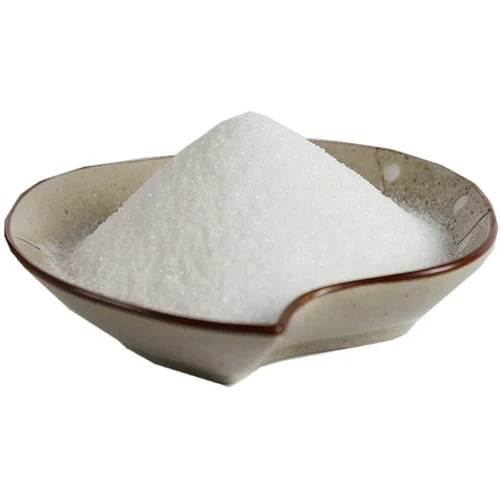
Comparing Saccharin with Other Sweeteners
| Sweetener | Sweetness Level | Calorie Content | Heat Stability | Ideal Applications |
|---|---|---|---|---|
| Saccharin | 300–500x sugar | 0 | Excellent | Beverages, pharma, confectionery |
| Aspartame | 200x sugar | 0 | Low | Soft drinks, dairy |
| Sucralose | 600x sugar | 0 | Excellent | Baked goods, beverages |
| Stevia | 200–300x sugar | 0 | Moderate | Natural sweet products |
| Cyclamate | 30–50x sugar | 0 | Excellent | Tablets, beverages |
Saccharin remains highly cost-effective, heat-stable, and compatible with industrial processes, making it a preferred choice for bulk manufacturing.
Regulatory Compliance and Food Safety
Saccharin is globally recognized and regulated:
- FDA (U.S.): Approved for food and beverage use.
- EFSA (Europe): Safe for consumption within established Acceptable Daily Intake (ADI).
- JECFA (WHO/FAO): Evaluated for safety in multiple applications.
- ISO, HACCP, and Halal/Kosher Compliance: Ensures adherence to industrial food safety standards.
All MT Royal saccharin shipments include:
- Certificate of Analysis (COA)
- Material Safety Data Sheet (MSDS)
- Regulatory compliance certificates
- Traceable production and import documentation
This transparency guarantees reliability for industrial buyers and food producers across regions.
Frequently Asked Questions by Industrial Buyers
Q1: What is the recommended dosage in beverages?
A: Typically 0.05–0.2% depending on sweetness target and formulation.
Q2: Can saccharin be used in sugar-free bakery products?
A: Yes, particularly when blended with bulk sweeteners for volume and texture.
Q3: Is saccharin safe for children and diabetic products?
A: Yes, within regulated ADI limits, saccharin is safe and widely used in low-calorie and diabetic foods.
Q4: How is saccharin packaged for industrial use?
A: Commonly in 25kg bulk bags or customized bulk packaging.
Q5: Can saccharin be combined with other artificial sweeteners?
A: Absolutely; synergistic blends improve taste, reduce bitterness, and enhance flavor profiles.
MT Royal: Your Strategic Saccharin Supplier
At MT Royal, we understand that consistent supply and reliable quality are critical for industrial operations. Our services include:
- Direct sourcing from certified manufacturers ensuring batch-to-batch uniformity.
- Competitive pricing for bulk purchases without compromising quality.
- Technical guidance on formulation, storage, and usage.
- Global compliance assurance with COA, MSDS, and regulatory documentation.
By choosing MT Royal as a partner, industrial buyers gain a strategic advantage: predictable supply, cost efficiency, and technical support to optimize saccharin use.
Trends and Innovations in Saccharin Use
- Health-Driven Formulations: Sugar reduction and calorie control are fueling demand.
- Blended Sweetener Systems: Combining saccharin with natural and synthetic sweeteners enhances flavor and reduces aftertaste.
- Global Supply Chain Optimization: Direct import from manufacturers ensures continuous availability.
- Process Automation: Automated dosing and blending systems improve consistency and reduce waste.
These trends highlight that saccharin remains a vital additive for industrial food manufacturers striving for quality, consistency, and innovation.
Closing Perspective: Strategic Sweetening for Industrial Success
Saccharin, as a food-grade industrial sweetener, delivers more than sweetness—it provides cost efficiency, regulatory confidence, and reliable performance across diverse food and beverage applications. Working with a trusted supplier like MT Royal ensures that your factory achieves consistent sweetness, regulatory compliance, and operational efficiency, all while minimizing sugar usage and production costs.
For industrial buyers, choosing the right saccharin partner is not just about ingredient supply—it’s a strategic decision that directly impacts product quality, consumer satisfaction, and market competitiveness.

No comment