

If you’ve ever stood in a warehouse staring at pallets of cocoa destined for your production lines, you know that packaging isn’t just a cardboard box and some tape. It’s the unsung hero of product quality, cost efficiency, and regulatory compliance — especially when you’re importing cocoa into Saudi Arabia’s demanding industrial environment.
For factories relying on cocoa powder, cocoa mass, or cocoa bean derivatives for bakery, confectionery, or food processing lines, safe packaging of cocoa for Saudi importers is a strategic decision. It determines how well your raw material survives long ocean voyages, Saudi desert heat, customs hold times, and the moment it finally hits your automated batching systems.
This article unpacks exactly what safe cocoa packaging means for industrial buyers in Saudi Arabia, why it matters, and how to evaluate, specify, and procure packaging solutions that protect quality, streamline handling, and reduce waste. We’ll dive into definitions, risks, real‑world anecdotes from manufacturing environments, actionable procurement wisdom, and standards you should demand from suppliers.
Along the way, we’ll draw on our experience supplying manufacturing facilities around the world and share practical insights that help you make better decisions on the factory floor — whether you’re a plant manager in Riyadh or a procurement lead in Jeddah.
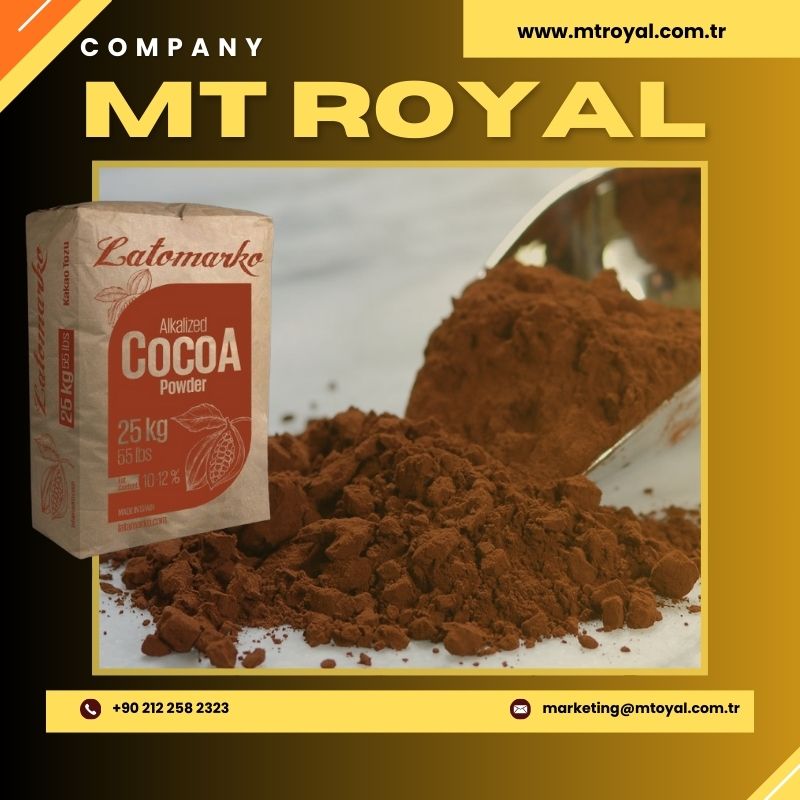
Alkalized Cocoa Powder Supplier
latamarko alkalized cocoa powder lm60
Food industry raw materials – list of products
The Fundamentals: Why Packaging Matters for Cocoa Imports
When we talk about safe packaging of cocoa for Saudi importers, we’re referring to packaging that:
- Protects cocoa quality from origin to factory floor
- Prevents contamination and pest infestation
- Facilitates efficient storage and handling
- Ensures compliance with Saudi food safety regulations
- Optimizes cost‑per‑unit through reduced damage and waste
At first glance, packaging may seem peripheral. But in industrial operations, it’s central. Think of your cocoa arriving after weeks at sea. If the packaging fails — through moisture ingress, physical rupture, or contamination — your entire batch is compromised, and that translates to downtime, scrap, and supply risk.
In our experience at MT Royal, the difference between a stable supply and constant quality problems often comes back to packaging decisions made far upstream.
What Does “Safe Packaging of Cocoa” Really Mean?
Safe packaging isn’t merely about wrapping cocoa in sturdy materials. It’s about designing packaging systems tailored for cocoa’s physical properties and the specific logistics and climate context of Saudi Arabia.
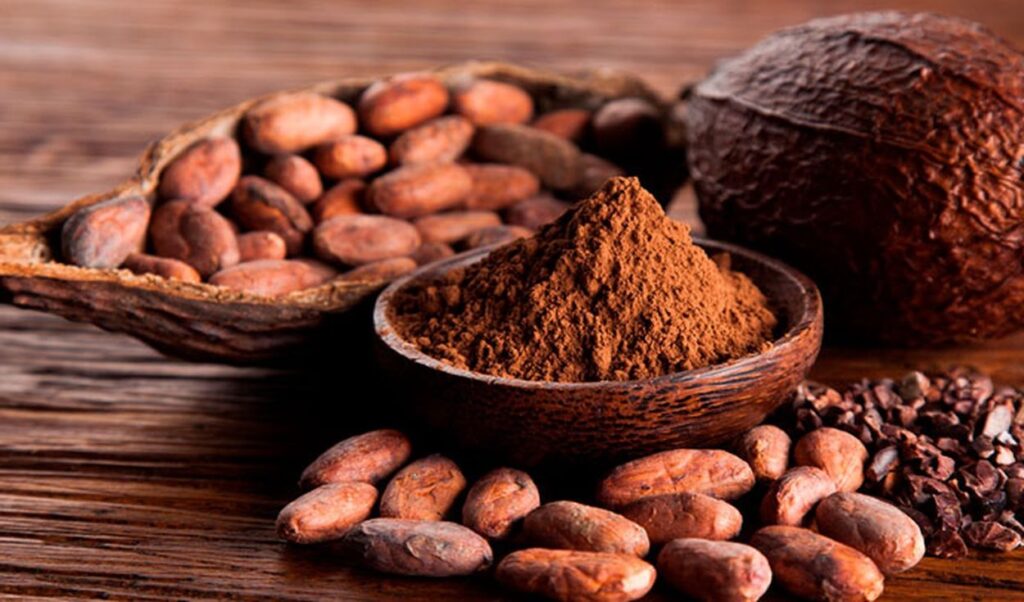
Cocoa products — whether they’re cocoa beans, nibs, cocoa mass, or cocoa powder — have unique characteristics:
- Moisture sensitivity — Too much moisture and cocoa begins to clump; too little and certain powders become dusty and hard to hydrate.
- Fat migration — Cocoa contains cocoa butter that can migrate under heat, compromising texture.
- Oxidation risks — Exposure to air and light over time can dull flavor and reduce shelf life.
- Pest vulnerability — Cocoa can attract insects or rodents if packaging isn’t pest‑resistant.
With Saudi Arabia’s often high temperatures and arid climate — combined with long supply chains from origin markets — you need packaging that addresses all of these factors effectively.
Types of Cocoa Packaging Used by Importers
To understand what constitutes safe packaging, let’s walk through the typical options you’ll encounter in industrial procurement:
1. Multi‑Layer Kraft Paper Bags with Inner Liners
These are common for cocoa powder and beans. The kraft paper provides structural strength, while an inner polyethylene or foil liner offers moisture and oxygen barriers.
What to look for:
- Tear resistance
- Sealed seams
- Multi‑layer construction
- Food‑grade inner liners
This packaging is cost‑efficient but must be specified correctly to handle Saudi climate stress.
2. Bulk Bags (FIBC – Flexible Intermediate Bulk Containers)
For high‑volume factories, FIBCs (often called “big bags”) are standard for cocoa powder or cocoa mass in powdered/fine form.
These bags must be:
- Dust‑tight
- Static‑dissipative (to prevent clumping and hazards)
- UV‑resistant if stored near exterior loading docks
- Rated for weight and ease of handling with forklifts
At MT Royal, we’ve seen factories save substantive handling time by switching to bulk FIBCs with reinforced liners designed for their specific product flow properties.
3. Drums and Pails with Tight‑Sealing Lids
Used primarily for cocoa butter or cocoa mass that’s semi‑solid at room temperature. These containers must:
- Seal completely
- Be compatible with temperature changes
- Resist odors and contamination
Quality here prevents oxidation and flavor degradation.
4. Intermediate Packaging for Cross‑Docking
When cocoa shipments require customs holds, quarantine, or interim storage, intermediate packaging — such as pallet wraps, shrink wraps, and secondary containment systems — adds an extra layer of protection.
Understanding these types will help you define clear specifications in your procurement documents.
Packaging Performance Drivers in Saudi Import Scenarios
Safe packaging must withstand specific stresses. Saudi importers confront:
Heat
High ambient temperatures — particularly at inland warehouses or coastal ports like Jeddah — can soften certain packaging adhesives, warp seals, and increase internal product temperature.
Dry Air
While low humidity sounds ideal, extremely dry air increases dust generation and product static — both of which create handling challenges and accelerate wear on packaging.
Transit Variability
From origin ports in West Africa or South America to Saudi Arabia, cocoa can spend weeks in different transport modalities — ship holds, container yards, trucks, and rail.
Surviving these transitions without any breach means robust specification standards.
Packaging and Food Safety Compliance
If your factory supplies food products for local consumption or export, you must ensure packaging meets:
- Saudi Food and Drug Authority (SFDA) standards
- GCC Standardization Organization (GSO) requirements
- International food safety norms (HACCP, ISO 22000)
This entails documentation on:
- Materials of construction (food‑grade confirmation)
- Certification of barrier properties
- Traceability to raw material and pack line
Good packaging does more than protect cocoa; it reduces regulatory risk.
The Procurement Perspective: Why Packaging Needs to Be Specified
In industrial purchasing, weak packaging specs are often the root cause of quality issues. The cocoa arrives looking fine, but weeks later during batching, lumps form, moisture pockets appear, or dust levels spike.
To avoid this, make sure your sourcing documents include:
- Detailed packaging material specifications
- Performance standards under temperature and humidity cycles
- Acceptance criteria for packaging on delivery
- Supplier testing and documentation requirements
We’ve worked with production facilities across various industries and understand that unclear specifications almost always translate to increased handling costs downstream.
Real‑World Anecdote: A Factory That Reversed Rework Losses
Consider a mid‑size bakery plant outside Riyadh. They were experiencing a steady increase in cocoa powder clumping during storage. On‑floor operators spent hours each week breaking up bags — a hidden cost in labor and inconsistent quality.
A cross‑functional team, including procurement, quality, and operations, audited the packaging. The issue? Single‑layer paper bags without adequate moisture barriers.
After switching to multi‑layer bags with inner foil liners and improved pallet covers designed for arid, hot conditions, the clumping issues disappeared. More than that, the plant reported:
- Reduced manual handling
- Better hopper feeding consistency
- Lower scrap from powder cakes
This is the power of packaging engineering aligned with awareness of environmental stressors.
How to Evaluate Packaging Suppliers
When you’re sourcing cocoa — whether cocoa powder, cocoa mass, or other derivatives — don’t evaluate packaging in isolation. Consider:
Supplier Capability and Documentation
A quality supplier should provide:
- Material safety data sheets (MSDS)
- Certification of materials (food‑grade plastics or foils)
- Test results for barrier properties
- Compliance documentation for Gulf imports
MT Royal works with brands and packaging partners who support these requirements, offering transparency at every stage.
Performance Testing
If possible, demand:
- Pre‑shipment testing
- Simulated climate exposure tests
- On‑site validation under local conditions
Packaging that performs in a lab may not behave the same way in Saudi heat — so empirical testing matters.
Supplier Support
Does the supplier provide:
- Technical assistance?
- Packaging optimization advice?
- Joint risk assessments?
A partner with true industrial expertise becomes a strategic asset.
Packaging Innovation for Industrial Cocoa Handling
The field isn’t static. Newer packaging solutions incorporate:
- Active desiccants in liners
- Breathable membranes for pressure equalization
- Barrier films with higher tensile strength
- Anti‑microbial coatings (where permitted)
These innovations mitigate risks that older materials can’t handle, especially in prolonged supply chains.
Premium options influenced by European engineering benchmarks — and occasionally inspired by brands like Latamarko — often offer a higher performance ceiling. That doesn’t always mean highest cost, but it does mean better reliability when specification margins are tight.
The Hidden Costs of Poor Packaging
You might think of packaging cost only in terms of dollars per bag. But consider:
- Downtime due to clogs and flow issues
- Waste from damaged or compromised cocoa
- Labor costs for manual intervention
- Quality rejects from moisture or contamination
- Regulatory risk when documentation is incomplete
When you quantify these, the ROI on good packaging becomes overwhelmingly positive.
Step‑by‑Step Guide to Packaging Specification for Cocoa Imports
Here’s a pragmatic process you can start using:
- Define performance requirements based on local climate and handling
- Select packaging type (multi‑layer bags, FIBC, drums) matched to product form
- Specify material properties (MVTR, OTR, strength metrics)
- Draft packaging standards in procurement documents
- Request supplier documentation at quote phase
- Conduct pre‑shipment validation where feasible
- Train receiving and handling teams on unpacking and storage best practices
- Monitor on‑floor performance and iterate specifications as needed
Each step reduces ambiguity and helps align supplier expectations with production realities.
Common Misconceptions in Cocoa Packaging
A few myths persist:
“Any food‑grade bag is sufficient.”
Not true. Cocoa has specific moisture and fat migration challenges that require engineered barrier properties.
“Thicker is always better.”
Thickness without performance metrics (like MVTR) is just weight — and weight adds cost and handling difficulty.
“Bulk packaging saves money every time.”
Not if it increases spoilage, static issues, or dosing irregularities. Efficiency gains must be balanced with performance.
Frequently Asked Questions from Importers
Q: Does safe packaging only matter for powder cocoa?
No. Both cocoa powder and cocoa mass can be affected by moisture, oxidation, and contamination.
Q: How should cocoa packaging be stored once it arrives?
In a climate‑controlled warehouse with stable temperature and humidity, using first‑in, first‑out inventory rotation.
Q: What happens if packaging fails in transit?
You risk exposure to contaminants, product degradation, and are likely to incur additional storage and sampling costs for regulatory compliance checks.
Q: Can we re‑package upon arrival?
Yes — but that’s reactive and costly compared to specifying correct packaging upfront.
Industry Trends Affecting Cocoa Packaging
Two trends are shaping how industrial buyers think about packaging:
Digital Traceability
Manufacturers increasingly demand QR codes or digital tags that link to batch history, test results, and supplier documentation. This isn’t an IT fad; it’s operational clarity.
Sustainable, High‑Performance Materials
There’s growing demand for packaging that balances barrier performance with lower environmental impact. Innovations here reduce landfill burden while maintaining functional integrity.
Packaging Checklist: Performance You Should Expect
- Multi‑layer barrier construction with inner film
- MVTR and OTR documentation
- Tear and puncture resistance metrics
- Clear labeling with handling instructions
- Compatibility with automated handling equipment
- Supplier traceability and compliance documentation
These aren’t “nice to have” — they’re the difference between predictable production and avoidable headaches.
A Final Thought for Industrial Decision‑Makers
Safe packaging of cocoa for Saudi importers isn’t a peripheral concern; it’s a strategic necessity that intersects quality control, supply chain resilience, cost efficiency, and regulatory compliance. The right packaging protects your raw material, safeguards your production lines, and minimizes operational risk in a demanding environment.
At MT Royal, we see firsthand how thoughtful packaging — paired with clear specifications and knowledgeable supplier selection — transforms industrial performance. Whether you’re importing cocoa powder for a large bakery line or cocoa mass for confectionery extrusion, the packaging journey influences every batch you produce.



No comment