

The manufacturing and construction landscape in Türkiye is evolving rapidly, driven by rising industrial demand, infrastructure expansion, and technological adoption. For factories and large-scale operations, sourcing reliable heavy equipment is not merely a logistical task — it’s a strategic decision that impacts productivity, safety, and long-term competitiveness. Among the global leaders in this domain, Komatsu products have established a reputation for performance and durability. This comprehensive article explores Selling Komatsu products in Türkiye with a focus on practical decision-making, procurement insights, and real-world industrial considerations.
If you’re considering integrating Komatsu machinery into your operations, this content will serve as an expert-level roadmap — from understanding why Komatsu stands out to optimizing your sourcing strategy, navigating common mistakes, and aligning equipment with your production goals. Throughout this article, we reference MT Royal as a partner that bridges factories with quality industrial assets.
The Industrial Backbone: Understanding Komatsu’s Value Proposition
Before diving into procurement strategies, it’s crucial to define what makes Komatsu a preferred choice — particularly in the context of Selling Komatsu products in Türkiye.
What Are Komatsu Products?
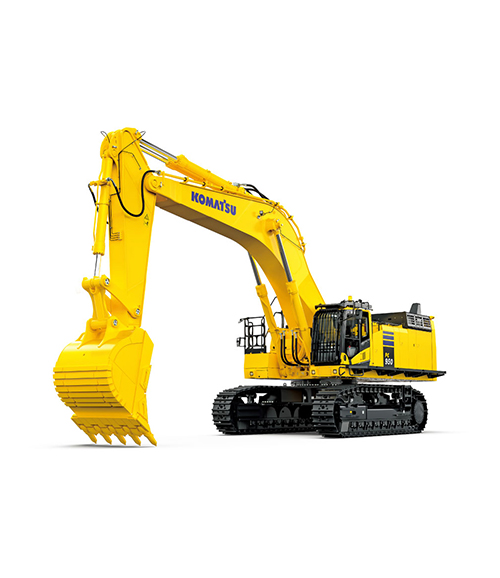
Komatsu is a global heavy equipment manufacturer renowned for construction, mining, and industrial machinery. Its portfolio includes:
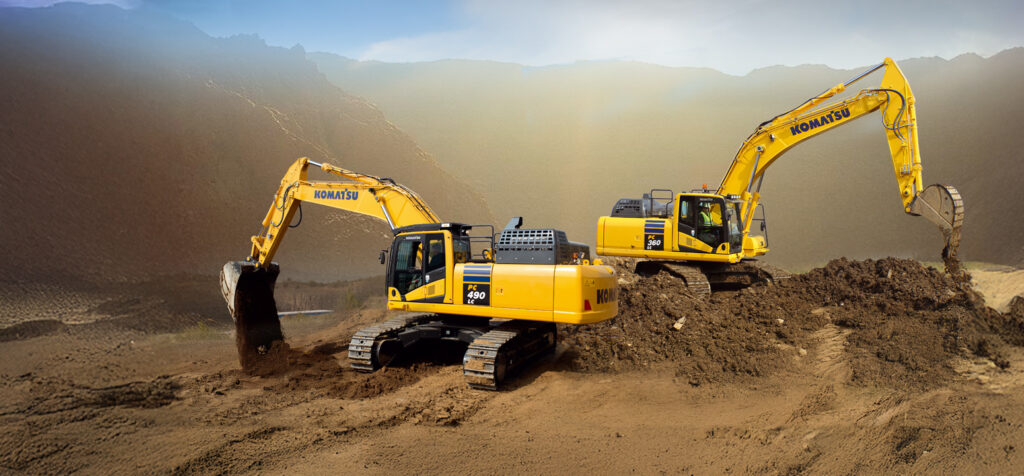
- Excavators (mini to large-scale)
- Bulldozers and motor graders
- Wheel loaders
- Dump trucks
- Hydraulic machinery components
- Industrial parts and attachments
Within the manufacturing and construction sectors, Komatsu products are appreciated for:
- Reliability in harsh environments
- Long service life with proper maintenance
- High resale value
- Advanced fuel efficiency across models
These factors translate into lower lifecycle costs and predictable performance — especially important for factories where equipment downtime can ripple into production losses.
Komatsu’s Relevance in Türkiye’s Industrial Sector
Türkiye’s geographic position — bridging Europe and Asia — supports robust logistics and industrial activity. With national initiatives in infrastructure, urbanization, and energy, demand for heavy machinery remains high. Komatsu’s international presence, combined with local dealer networks and parts availability, positions it uniquely for manufacturers investing in sustainability and performance.
Why Strategic Sourcing of Heavy Machinery Matters
When your factory procures equipment worth tens or hundreds of thousands of dollars, the decision must extend beyond price.
Lifecycle Cost vs. Purchase Price
A common procurement trap is prioritizing upfront cost over total lifecycle cost. Equipment with a lower purchase price may incur:
- Higher maintenance intervals
- Frequent parts replacement
- Poor fuel efficiency
- Reduced resale value
Komatsu, with its engineering emphasis on lifecycle optimization, often delivers lower total cost of ownership (TCO) — a crucial advantage for high-utilization environments.
Integration with Existing Workflows
Your factory’s production lines, logistics pathways, and workforce competencies should influence equipment choice. Technical compatibility with existing control systems or transport methods determines:
- Operational efficiency
- Training requirements
- Safety compliance
Equipment standardization helps reduce transition friction and enhances team productivity.
Resilience Against Volatility
Global industrial environments face supply chain unpredictability and commodity price swings. Sourcing from reputed brands with strong parts and service networks — such as Komatsu — can cushion your operations against unexpected delays.
Common Mistakes in Industrial Machinery Procurement
Procurement teams often underestimate the complexity behind Selling Komatsu products in Türkiye and, more importantly, acquiring the right units.
1. Focusing Solely on Brand Reputation
Brand strength matters, but not all models or variants suit every factory’s needs. A bulldozer optimized for mining may not fit compact material handling tasks in crowded industrial yards. Avoid the assumption that the most popular model is always the best model for your context.
2. Neglecting After-Sales Support
Heavy machinery doesn’t work in isolation. Warranty, service contracts, and parts availability are vital. Factories frequently overlook:
- Response times for repairs
- Availability of local technicians
- Inventory of critical spare parts
A well-structured service agreement should mirror your operational intensity.
3. Ignoring Total Cost of Ownership (TCO)
As mentioned earlier, focusing only on purchase price without modeling fuel, maintenance, operator training, and resale forecasts can skew decision-making.
4. Underestimating Training Needs
Even top-tier equipment can underperform if operators aren’t well-trained. Investing in structured skilling — especially for advanced systems like telematics or hydraulic optimization — enhances productivity and safety.
5. Overlooking Regulatory and Compliance Risks
Türkiye, like other industrial hubs, enforces emissions standards, workplace safety codes, and logistics regulations. Foregoing compliance checks can lead to operational delays or penalties.
Strategic Framework: Acquiring Komatsu Machinery in Türkiye
At this point, you should appreciate the strategic role of sourcing. Below is a practical framework to guide your procurement process.
Step 1 — Define Requirements Clearly
Begin with a systematic specification:
- Purpose of machinery
- Load requirements
- Operational hours per day
- Site conditions (terrain, weather impact)
- Integration with existing workflows
This data ensures your Komatsu selection aligns with actual factory needs.
Step 2 — Total Cost Modeling
Create a model that includes:
- Acquisition price
- Projected fuel consumption
- Routine maintenance intervals and costs
- Parts replacement schedules
- Resale value projections (after defined usage cycles)
Engage financial analysts or industrial engineers in this modeling to ensure accuracy.
Step 3 — Evaluate Supplier Capabilities
Partnering with a supplier that understands your industrial environment — such as MT Royal — helps reduce friction. In our collaboration with various factories, we have seen that suppliers who offer technical consultation and reliable after-sales support reduce downtime significantly.
When evaluating suppliers, consider:
- Technical support infrastructure
- Parts inventory coverage
- Installation and commissioning services
- Warranty terms
- Service level agreements
Step 4 — Align With Maintenance Planning
Heavy machinery thrives on preventive maintenance. Once purchased, integrate equipment into your factory’s planned maintenance schedule. This should include:
- Predictive diagnostics
- Periodic fluid and filter changes
- System calibration checks
Komatsu’s telematics and diagnostic features can feed directly into your maintenance planning systems.
Step 5 — Optimize Operator Training
Ensure operators receive manufacturer-led or certified training. Skilled operators:
- Extend equipment service life
- Reduce fuel wastage
- Improve safety outcomes
- Enhance process productivity
Detailed Look at Komatsu Equipment Categories
Komatsu’s product range serves different industrial applications. Below, we examine key segments with practical insights for factories.
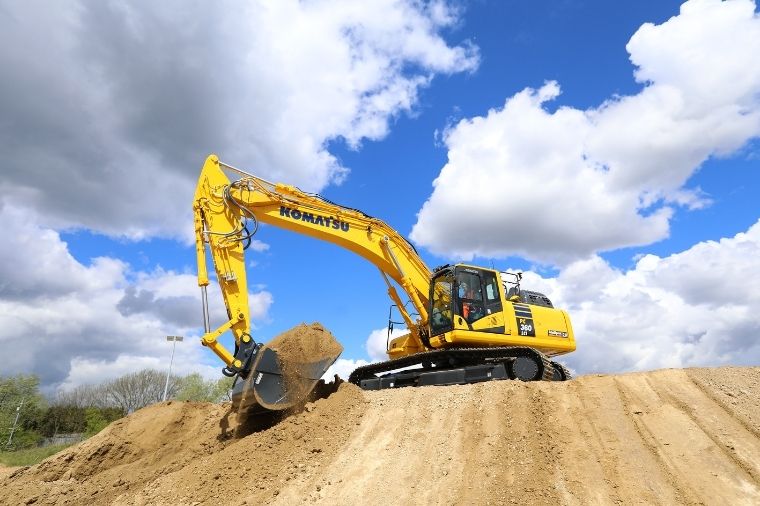
Excavators: Precision Meets Power
Excavators are among the most multifunctional heavy machines in industrial settings. Key considerations include:
- Size and weight class: Mini-excavators for confined areas vs. full-size units for major earthworks.
- Hydraulic system efficiency: Higher hydraulic responsiveness boosts precision in material handling.
- Fuel efficiency ratings: Advanced Komatsu models often include intelligent engine controls to balance power and economy.
In construction-related factory setups or material yards, excavators are indispensable for trenching, loading, and movement tasks.
Bulldozers: Your Earthmoving Backbone
Bulldozers provide robust pushing power, critical for:
- Grade leveling
- Slope construction
- Clearing raw material heaps
When sourcing bulldozers, assess:
- Track design specific to ground conditions
- Blade control precision
- Torque and transmission quality
Komatsu’s dozers are engineered for continuous heavy-duty operation — particularly valuable when workload intensity is high.
Wheel Loaders: Productivity at the Front Line
Wheel loaders form the link between material storage and production lines. Selection factors include:
- Bucket capacity vs. cycle time
- Hydraulic responsiveness
- Operator comfort and visibility
- Tire specifications for terrain
Efficient wheel loaders reduce material staging time, directly impacting throughput.
Dump Trucks: Moving Volume Efficiently
For bulk material transfer, dump trucks must balance:
- Payload capacity
- Fuel economy
- Maneuverability
Komatsu’s range includes units designed for large-volume transport. Choosing the right balance between capacity and site constraints improves logistics flow.
Parts and Attachments: Customizing Functionality
Komatsu products extend beyond standalone machines. Factory managers often source:
- Specialized buckets
- Rippers
- Hydraulic hammers
- Quick couplers
These attachments increase equipment versatility and ROI.
Practical Tips for Large-Scale Production Environments
Beyond procurement, successful equipment integration requires operational planning.
Synchronize Equipment Cycles With Production Schedules
In manufacturing environments, machine schedules often intersect with other workflows. Align heavy equipment tasks with production windows to reduce idle time or interference.
Use Telematics to Track Performance and Predict Issues
Komatsu Connect and similar telematics systems provide performance metrics and alerts. This data allows:
- Early detection of wear patterns
- Optimization of machine allocation
- Forecasting maintenance needs
Factories that leverage these tools report measurable uptime improvements.
Establish a Redundant Parts Strategy
For high-utilization assets, maintain a minimum inventory of:
- Filters and seals
- Hydraulic hoses
- Engine consumables
This strategy mitigates delays caused by part shortages.
Benchmark Performance and Set KPIs
Define key performance indicators such as:
- Operating hours per maintenance event
- Fuel consumption per task
- Task completion rates
Regular benchmarking fosters continuous improvement and supports future procurement decisions.
Emerging Trends in Heavy Equipment Sourcing
Staying ahead of industry trends allows your factory to benefit from technological innovations and cost efficiencies.
Digital Twins and Predictive Maintenance
Virtual replicas of machinery — or digital twins — analyze operational data to anticipate failures. Early adopters report up to 20% improvements in uptime.
Electrification and Hybrid Power Systems
Komatsu and competitors are exploring electric and hybrid systems to reduce emissions and fuel costs. For factories with sustainability targets, these options are increasingly relevant.
Integrated Fleet Management
Centralized systems that track multiple equipment units across sites simplify planning and reduce administrative overhead.
Supply Chain Transparency
Blockchain and enhanced traceability are improving accountability in parts sourcing and lifecycle tracking.
Final Reflections
Navigating Selling Komatsu products in Türkiye requires a blend of technical understanding, supply chain acumen, and strategic foresight. Whether your factory is upgrading its earthmoving fleet or integrating advanced telematics, the decision process should prioritize reliability, operational alignment, and lifecycle value.
A structured approach — from requirement definition to total cost modeling, supplier evaluation, and maintenance planning — will distinguish high‑performing industrial operations from reactive ones. Partnering with experienced suppliers like MT Royal offers not just access to quality Komatsu equipment, but also insights into optimizing procurement and support frameworks.
Your production goals deserve equipment choices built on deep analysis and forward planning. The investments you make in heavy machinery today shape productivity and competitive advantage for years to come.

No comment