

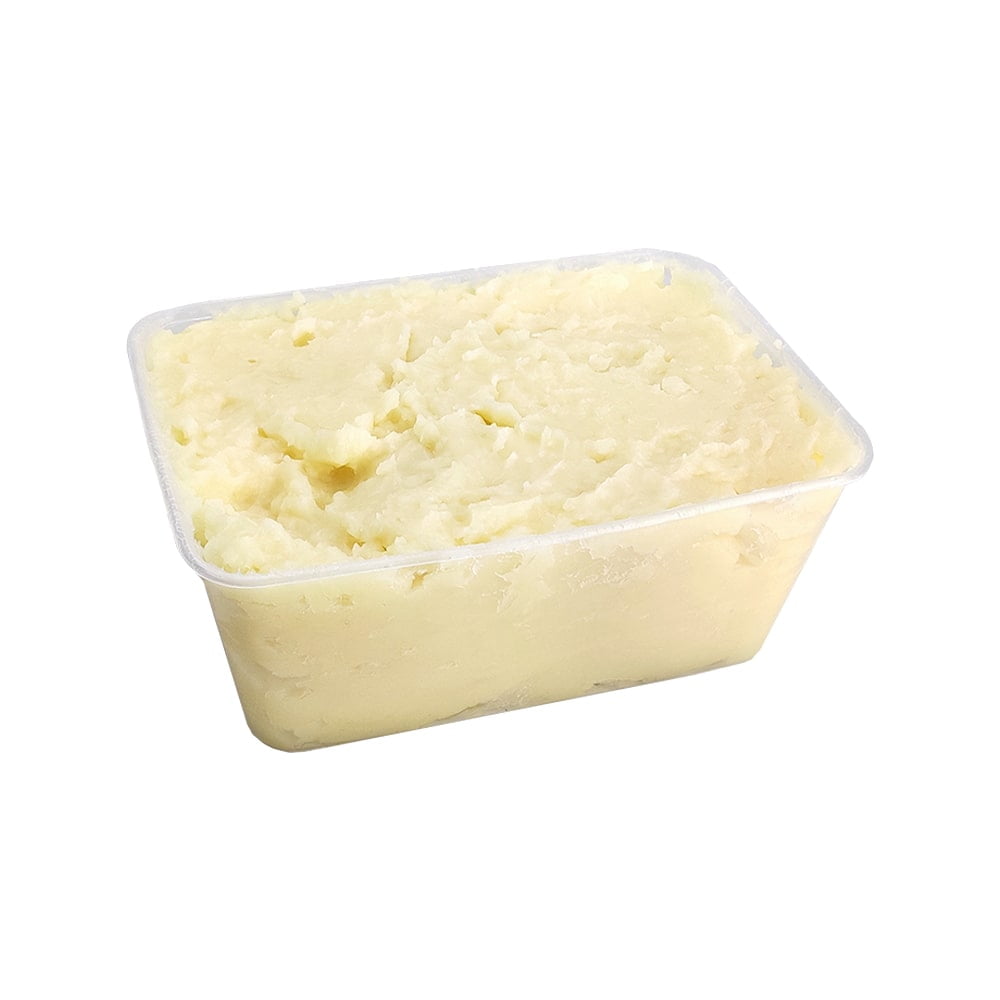
When a factory searches for a Shortening Supplier for Afghanistan, the real question is rarely just “Who sells shortening?” The deeper concern is whether that shortening will behave the same way tomorrow as it does today, whether it will protect product quality at scale, and whether the supplier understands the realities of industrial production in a challenging supply environment.
In markets like Afghanistan, shortening is not a background ingredient. It is a structural fat that determines dough behavior, texture, volume, shelf life, and processing efficiency. A weak supply decision shows up not in invoices, but in collapsed pastries, inconsistent crumb, greasy mouthfeel, and unstable production schedules. This is precisely why many manufacturers choose to work with MT Royal—not for short-term convenience, but for operational confidence.
This article is designed to fully answer the search intent behind Shortening Supplier for Afghanistan. It goes far beyond surface-level explanations and speaks directly to factory owners, production managers, and procurement teams who need technical clarity, not marketing noise.
latamarko alkalized cocoa powder lm60
cocoa powder for chocolate production-Best price
Food industry raw materials – list of products
Types of Gelatin from Turkish Manufacturer
The Best Supplier of Alkalized Cocoa Powder in Türkiye
Why Shortening Is a Strategic Ingredient in Afghan Manufacturing
Shortening is often described simply as a semi-solid fat used in baking and food production. In practice, it functions as a process control tool. It affects aeration, gluten development, heat transfer, and moisture retention. When shortening performs correctly, it quietly supports production. When it does not, it becomes the source of repeated quality failures.
For manufacturers in Afghanistan, the role of shortening is amplified by:
- Limited access to alternative suppliers
- Climate-related storage challenges
- Growing demand for consistent baked and fried products
- Pressure to standardize quality across batches
A reliable shortening supplier for Afghanistan must understand these constraints and supply fats that are designed for real-world production, not ideal laboratory conditions.
What Is Industrial Shortening? A Functional Definition
Industrial shortening is a structured fat, typically formulated from vegetable oils such as palm oil, palm stearin, or blended fractions. It is engineered to deliver specific physical properties rather than nutritional benefits.
Key functional roles of shortening include:
- Creating flakiness in laminated doughs
- Trapping air during mixing for volume and softness
- Inhibiting gluten development for tender textures
- Improving frying stability and oil uptake control
Unlike liquid oils, shortening provides structure. Unlike butter, it offers consistency, cost control, and longer shelf life. This makes it indispensable for large-scale food production.

Types of Shortening Used by Afghan Factories
Not all shortening is interchangeable. Selecting the right type depends on application, processing conditions, and desired product characteristics.
Bakery Shortening
Used in breads, cakes, biscuits, and pastries. Bakery shortening is formulated for plasticity, aeration, and stable creaming performance.
Puff Pastry and Laminating Shortening
Designed with a specific melting range and crystal structure to create defined layers without oil leakage during baking.
Frying Shortening
Engineered for thermal stability, reduced foaming, and resistance to oxidation during extended frying cycles.
All-Purpose Industrial Shortening
Used by smaller factories seeking versatility across multiple applications, though often with performance trade-offs.
A capable shortening supplier for Afghanistan should guide you toward the correct category, not simply offer a generic product.
Why Shortening Supply Is More Complex in Afghanistan
Afghanistan relies entirely on imported shortening. This introduces logistical, technical, and operational variables that manufacturers must manage carefully.
Key challenges include:
- Temperature fluctuations during transport
- Delays at borders affecting fat structure
- Inconsistent packaging quality
- Limited ability to return or replace substandard batches
We have seen factories adapt entire recipes to compensate for inconsistent shortening, only to face new problems with the next shipment. These situations are avoidable when the supplier understands the full supply chain.
Common Mistakes When Choosing a Shortening Supplier
Choosing Based on Price Alone
Low-cost shortening often comes with wide tolerances in solid fat content. This results in variable dough behavior and inconsistent finished products.
Ignoring Plasticity and Melting Profile
Shortening that is too hard or too soft at working temperatures disrupts mixing, lamination, and shaping.
Overlooking Climate Compatibility
Shortening that performs well in cooler regions may fail under Afghan storage conditions, leading to oil separation or graininess.
Assuming All Palm-Based Shortenings Are Equal
Differences in fractionation, hydrogenation (where applicable), and blending dramatically affect performance.
A professional shortening supplier for Afghanistan should proactively address these issues, not react after problems occur.
What Defines a Reliable Shortening Supplier for Afghanistan
Reliability is not a slogan; it is a system.
Consistent Fat Structure
Stable crystal formation ensures predictable plasticity and aeration across batches.
Tight Specification Control
Clear data on melting point, solid fat content, and trans fat levels enables confident formulation.
Application-Specific Solutions
Suppliers must understand how shortening behaves in real mixers, ovens, and fryers.
Logistics and Packaging Expertise
Proper packaging protects shortening from heat, oxygen, and contamination during long transport routes.
MT Royal approaches shortening supply as an integrated process, aligning product selection with application, climate, and logistics realities.
Shortening vs. Other Industrial Fats
Understanding alternatives clarifies why shortening remains essential.
Compared to liquid oils, shortening provides structure, volume, and texture control that oils cannot deliver.
Compared to butter or margarine, shortening offers:
- Greater consistency
- Lower cost volatility
- Longer shelf life
- Better performance at scale
Compared to palm oil, shortening is engineered for plasticity and aeration, not just fat content.
These differences matter when scaling production and standardizing quality.
Key Industrial Applications Driving Demand in Afghanistan
Shortening is widely used across Afghan food manufacturing, including:
- Industrial bakeries producing bread and buns
- Biscuit and cookie factories
- Cake and sponge production lines
- Puff pastry and frozen dough facilities
- Frying operations for snacks and fast food
As consumer expectations rise, manufacturers increasingly require shortening that delivers repeatable results.
We have observed that factories using application-specific shortening experience fewer batch failures and higher throughput.
Scaling Up Production: What Changes at High Volume
At small scale, minor inconsistencies may go unnoticed. At industrial scale, they become costly.
Large-scale producers must evaluate shortening suppliers based on:
- Volume scalability
- Long-term specification stability
- Technical support during formulation changes
- Ability to supply multiple grades consistently
We have seen factories struggle during expansion simply because their original shortening supplier could not maintain quality at higher volumes.
Global Trends Affecting Shortening Supply
Several trends are reshaping the shortening market:
- Increased demand for palm-based structured fats
- Pressure for consistent trans-fat-free formulations
- Rising freight and energy costs
- Greater focus on supply chain resilience
These factors make supplier selection a strategic decision rather than a routine purchase.
Frequently Asked Questions from Factory Managers
Is one shortening suitable for all bakery products?
No. Different products require different plasticity and melting profiles.
How does shortening affect shelf life?
Proper shortening reduces moisture migration and slows staling.
Why does dough sometimes feel inconsistent?
Variations in solid fat content or crystal structure are common causes.
Can shortening be reformulated without changing recipes?
Often yes, if the supplier understands the application and targets equivalent functionality.
The Strategic Role of MT Royal in Shortening Supply
A shortening supplier for Afghanistan must do more than ship products. It must reduce uncertainty.
We have worked with factories that stabilized entire product lines simply by aligning their shortening specifications with real production needs. The ingredient did not change on paper, but its behavior in mixers and ovens improved dramatically.
MT Royal focuses on long-term partnerships, offering multiple shortening grades sourced from reliable producers and matched to specific industrial applications. Our role is to absorb complexity so your production team can focus on output, quality, and growth.
Shortening sits quietly at the foundation of many successful food products. When sourced wisely, it supports consistency, efficiency, and confidence. When sourced poorly, it becomes a hidden liability. The difference lies in choosing a supplier who understands that shortening is not just a fat, but a functional system that must perform every single day.




No comment