

In modern manufacturing, the quality and reliability of raw materials are foundational to product success. For factories and production facilities in Egypt — whether in dairy processing, confectionery, bakery, beverage, or nutritional applications — sourcing from a trusted Skimmed milk powder supplier in Egypt isn’t just a logistics decision; it’s a strategic pillar that shapes product quality, regulatory compliance, and operational continuity. With fluctuating commodity prices, evolving food safety standards, and increasing complexity in downstream processing, partnering with the right supply partner has never been more critical.
At MT Royal, we recognize the pressures that procurement managers and technical leaders face when navigating global and regional supply dynamics. In our collaboration with various factories, we have seen that manufacturers who invest in informed sourcing strategies not only reduce production variability but also enhance product performance and consistency. Whether you are refining formulations or expanding capacity, understanding how to evaluate, procure, and integrate skimmed milk powder into your operations is essential. This comprehensive guide equips you with practical insights, industry best practices, and expert perspectives to make confident decisions that benefit both your production line and your bottom line.
Understanding Skimmed Milk Powder: Definitions and Industrial Importance
What Is Skimmed Milk Powder?
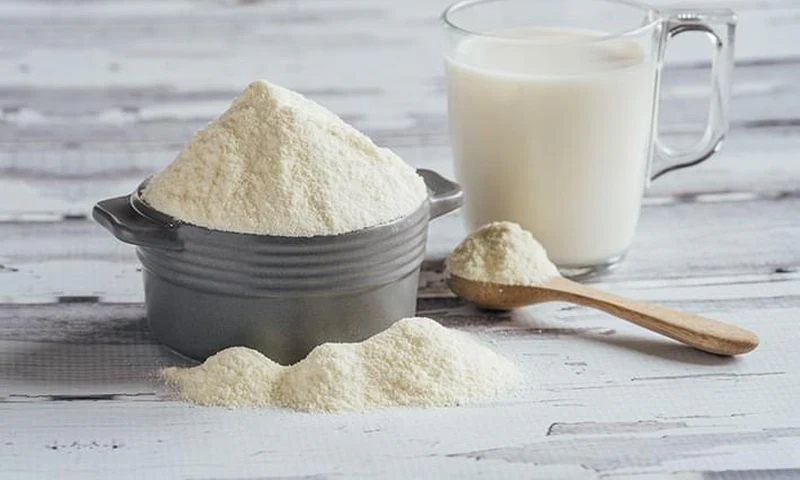
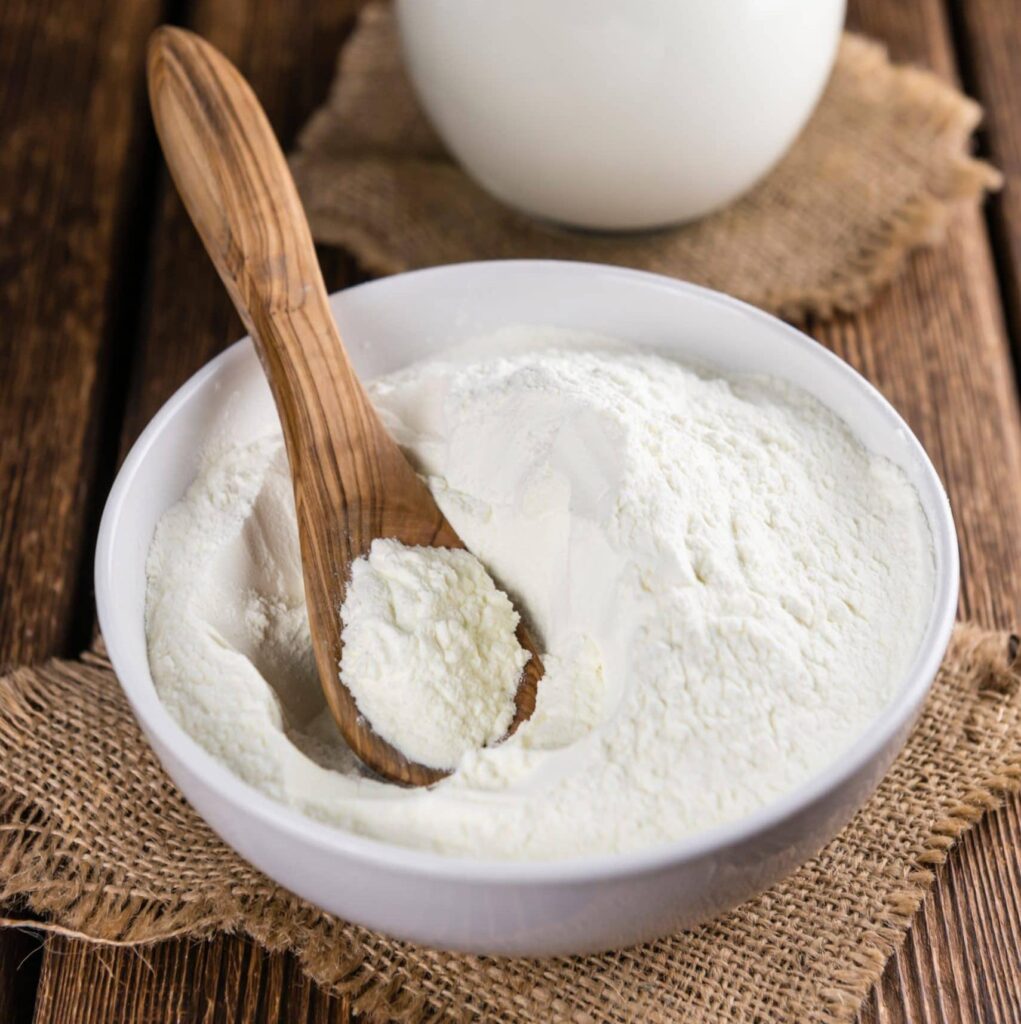
Skimmed milk powder (SMP) is a dairy ingredient produced by removing nearly all of the milk’s fat content and then drying the remaining liquid under controlled heat to yield a stable, low‑fat powder. It traditionally contains 1.5% or less milk fat and retains most of the proteins, lactose, and minerals found in liquid milk. This drying process extends shelf life, reduces transportation costs, and creates a form that is easily reconstituted or blended into various food systems.
Technically, skimmed milk powder is valued for:
- High protein content supporting texture and structure
- Predictable solubility and rehydration characteristics
- Low fat content that stabilizes shelf life
- Consistent microbiological profile suitable for regulated applications
These qualities make it indispensable in industrial formulations where functional performance matters as much as compliance with food safety and quality standards.
Why Manufacturers Rely on Skimmed Milk Powder
In industrial environments, skimmed milk powder plays several functional roles:
- Nutritional carrier — Adds protein and minerals to finished products
- Texturizer — Improves mouthfeel in dairy and non‑dairy foods
- Emulsification support — Stabilizes fat and water interfaces
- Fermentation substrate — Enhances bacterial cultures in yoghurt and cheese
- Product cost optimization — Lower cost compared to fresh milk in large batches
These functionalities span sectors such as bakery, confectionery, infant and clinical nutrition, and dairy processing. Your factory’s choice of supplier directly influences how reliably these qualities can be realized at scale.
The Strategic Advantage of a Local Skimmed Milk Powder Supplier in Egypt
Egypt, with its growing industrial base and strategic geographic location, offers advantages for manufacturers who prioritize regional sourcing:
- Shorter lead times compared to distant imports
- Improved supply chain visibility through nearby distribution hubs
- Adaptability to seasonal demand fluctuations
- Familiarity with regional regulatory frameworks
- Potential cost efficiencies through optimized logistics
A Skimmed milk powder supplier in Egypt who understands these dynamics can help you mitigate risk associated with extended global supply chains, unpredictable freight conditions, and inconsistent customs procedures.
Practical Industrial Uses of Skimmed Milk Powder
Food and Beverage Manufacturing
In food production, skimmed milk powder is used to:
- Enrich bakery products with protein and structure
- Improve texture and volume in cheese and yoghurt
- Add body and consistency to sauces, dressings, and beverages
- Support flavor release and sweetness balance in confections
Its predictable solubility and functional neutrality make it suitable for complex formulations where performance and cost are equally important.
Dairy and Cultured Products
Skimmed milk powder serves as a base ingredient in:
- Yoghurt production
- Cheese manufacturing
- Dairy‑based beverages
In these processes, SMP provides fermentable lactose and essential proteins that support culture growth and final product texture.
Nutritional and Clinical Formulations
In specialized nutrition — such as infant formula or clinical nutrition products — skimmed milk powder acts as a key source of protein and micronutrients. Here, compliance with stringent quality standards and traceability is paramount.
Confectionery and Bakery
In sweet goods, SMP contributes to:
- Maillard browning reactions
- Enhanced bulk without added fat
- Improved crumb structure
Its predictable behavior makes it a staple ingredient in industrial baking operations.
Core Criteria for Selecting a Skimmed Milk Powder Supplier in Egypt
Choosing the right supplier requires careful evaluation across quality, compliance, logistics, and technical collaboration. Below are essential criteria tailored to industrial procurement teams.
1. Regulatory Compliance and Quality Assurance
Your supplier must demonstrate adherence to applicable food safety and quality standards. This typically includes:
- ISO 22000 or HACCP certification
- Regular microbial and chemical testing
- Batch‑specific Certificates of Analysis (CoA)
- Traceability documentation from farm to powder
In regulated markets — particularly for infant nutrition and clinical products — additional certifications such as GMP and adherence to Codex Alimentarius standards may be necessary.
2. Product Consistency and Functional Performance
Manufacturers depend on consistent ingredient functionality for predictable processing outcomes. Work with suppliers who:
- Provide detailed specifications on protein content, solubility index, and moisture levels
- Share historical test data and batch performance profiles
- Offer product trials before large‑scale commitments
An unstable supply of skimmed milk powder can disrupt process control, leading to variation in texture, yield, or product stability.
3. Logistics and Packaging Flexibility
Industrial operations benefit from suppliers who understand large‑scale handling requirements. Important considerations include:
- Packaging suitable for automated handling (e.g., FIBC, bulk bags)
- Flexible minimum order quantities
- Predictable delivery windows aligned with production schedules
- Contingency planning for demand spikes
Reliable logistics support prevents line stoppages and minimizes inventory holding costs.
4. Technical Support and Collaboration
The best suppliers are consultative partners. Beyond fulfilling orders, they should:
- Guide you in specifying the correct SMP grade
- Assist with technical trials and integration into formulations
- Address process challenges (e.g., solubility in specific systems)
- Share insights into emerging trends and regulatory developments
We have found that early technical engagement between suppliers and production teams often leads to faster scale‑ups and fewer formulation setbacks.
How Milk Powder Grades Affect Industrial Performance
Not all skimmed milk powders are equal. Differences in processing methods and heat treatment impact functional properties. For example:
- Low‑heat SMP — Retains more native proteins and is preferred for cultures and cheese making.
- Medium‑heat SMP — Balances solubility and functionality for general food formulations.
- High‑heat SMP — Enhances solubility, ideal for beverages and instantized products.
Understanding your factory’s specific processing needs enables accurate grade selection and avoids performance issues downstream.
Common Mistakes in Industrial Sourcing
Even experienced procurement teams can make predictable errors. Awareness of these pitfalls helps protect your production integrity.
Mistake #1: Relying Only on Price
A supplier’s unit price is only one element of total ingredient cost. When lower price correlates with poor consistency, incomplete documentation, or irregular deliveries, the downstream costs — such as quality rework and production delays — often outweigh initial savings.
Mistake #2: Insufficient Quality Specifications
Failing to articulate precise specifications — including solubility index, protein levels, and acceptable microbial limits — invites variability. Manufacturers must define functional requirements clearly in purchase orders to avoid misaligned deliveries.
Mistake #3: Overlooking Supply Chain Risks
Global supply chains are subject to disruptions from weather, port congestion, and regulatory changes. A supplier without risk mitigation strategies leaves your production vulnerable. Dual sourcing, regional warehousing, and transparent inventory planning help mitigate these risks.
Mistake #4: Neglecting Traceability Requirements
In regulated industries, especially those serving infants or clinical nutrition markets, traceability is non‑negotiable. Suppliers who cannot provide robust traceability data expose your factory to compliance risk during audits and export declarations.
Practical Checklist for Procurement Teams
The following checklist ensures that supplier evaluations are structured, thorough, and aligned with your production needs:
- Obtain recent Certificates of Analysis (CoA) for SMP batches
- Confirm relevant certifications (ISO 22000, HACCP, GMP where applicable)
- Assess packaging options and minimum order quantities
- Review logistics capabilities and delivery lead times
- Clarify quality acceptance testing upon receipt
- Discuss contingency plans and secondary sourcing options
- Verify traceability and export documentation support
- Request technical samples for validation in your formulations
This checklist helps transform supplier selection from guesswork into a disciplined, data‑driven process.
Industrial Tips for Large‑Scale Production
High‑volume operations face unique challenges. Below are actionable tips to support robust production orchestration.
Align Forecasting With Supplier Planning
Sharing accurate demand forecasts with your supplier enables them to plan production and inventory more effectively. This alignment reduces the risk of shortages and unnecessary buffer stock.
Integrate Quality Data With Your ERP and QMS
Incorporating supplier CoA data directly into your enterprise resource planning (ERP) and quality management systems (QMS) accelerates acceptance checks and reinforces traceability across batches.
Conduct Pilot Trials Before Full Implementation
When switching suppliers or altering SMP grades, run pilot tests under actual processing conditions. Early validation prevents costly disruptions during large‑scale production.
Build Strategic Redundancy
Even the most reliable suppliers can face disruptions. Establishing alternative supply pathways or backup sourcing agreements enhances resilience and safeguards continuous production.
Emerging Trends in Skimmed Milk Powder Procurement
Industrial sourcing does not operate in a vacuum. Wider market trends shape how manufacturers approach ingredient supply.
Increasing Demand for Nutritionally Enhanced Ingredients
Consumers’ focus on protein content and functional nutrition has led manufacturers to seek SMP grades tailored for high‑protein beverages, fortified foods, and nutrition‑focused products.
Sustainability and Ethical Sourcing
Environmental and social governance (ESG) considerations are increasingly influencing procurement. Factories are prioritizing suppliers with transparent farming practices, reduced carbon footprints, and responsible waste management.
Digital Traceability and Supply Chain Transparency
Digital platforms offering real‑time access to batch certificates, shipment tracking, and compliance records streamline operations. Suppliers who provide these tools reduce administrative burden and enhance audit readiness.
Understanding these trends positions your procurement strategy to be both responsive and forward‑looking.
Frequently Asked Questions From Factory Managers and Procurement Teams
What Are Typical Lead Times for SMP Deliveries in Egypt?
Lead times vary based on inventory availability, packaging requirements, and order size. Regional distribution hubs can significantly reduce delivery windows compared with imports.
How Should Skimmed Milk Powder Be Stored to Maintain Quality?
SMP should be stored in a cool, dry environment with controlled humidity. Exposure to moisture can lead to caking and reduced solubility, harming functional performance.
Does SMP Grade Affect Product Shelf Life?
Yes. Grades with higher solubility and lower free fat often enhance shelf stability in finished products, especially in beverages and powder blends.
Can SMP Impact Texture and Mouthfeel?
Absolutely. SMP contributes proteins and lactose that affect creaminess, structure, and mouthfeel. Choosing the correct grade ensures consistent sensory performance.
Strategic Partnerships: Beyond Transactions
A Skimmed milk powder supplier in Egypt should be a strategic partner rather than a transactional vendor. The most valuable suppliers integrate technical understanding, transparent communication, and shared planning into their engagement. This level of partnership allows your factory to focus on innovation and quality assurance rather than supply volatility.
At MT Royal, we emphasize consultative collaboration and alignment with your manufacturing goals — from technical trials and specification guidance to synchronized logistics and regulatory support. This approach helps your operations achieve continuity and adaptability in an evolving industrial landscape.
The Transformative Impact of Informed Sourcing
Selecting the right supplier is a decision that influences every stage of your manufacturing cycle — from raw material behavior in processing to final product performance in the market. Your choice of a Skimmed milk powder supplier in Egypt should reflect a balance of quality, compliance, logistical reliability, and strategic insight. When procurement decisions integrate functional specifications, supplier capabilities, and production exigencies, your factory gains resilience, quality assurance, and competitive advantage.
A thoughtful sourcing strategy transforms raw materials from mere inputs into drivers of operational excellence and product differentiation — positioning your factory for long‑term success.
LATAMARKO LM60 – Premium Spanish-Origin Cocoa Powder
latamarko alkalized cocoa powder lm60
cocoa powder for chocolate production-Best price
Food industry raw materials – list of products
Types of Gelatin from Turkish Manufacturer
Alkalized Cocoa Powder Price: Complete Buyer Guide for 2026



No comment