

In industrial production, some raw materials quietly determine whether a process runs smoothly or becomes a constant source of risk. Sodium Nitrite 99% purity, supplied with verified COA and MSDS, is one of those materials. It is widely used, tightly regulated, technically sensitive, and unforgiving of poor sourcing decisions. When quality, documentation, and consistency are right, sodium nitrite works seamlessly in your process. When they are not, it creates compliance issues, safety concerns, and production instability.
This is why many manufacturers today prefer sourcing Sodium Nitrite 99% Purity – With COA and MSDS through an experienced supplier such as MT Royal. The value is not just in the product itself, but in the assurance that every batch meets industrial expectations, regulatory requirements, and operational realities.
This in-depth guide is written for factory owners, technical managers, and procurement professionals who want a clear, practical, and experience-based understanding of sodium nitrite at industrial scale. It goes far beyond basic definitions, addressing real sourcing challenges, application nuances, and long-term supply considerations.
latamarko alkalized cocoa powder lm60
cocoa powder for chocolate production-Best price
Food industry raw materials – list of products
Types of Gelatin from Turkish Manufacturer
Alkalized Cocoa Powder Bulk Supplier
Understanding Sodium Nitrite: Definition and Industrial Context
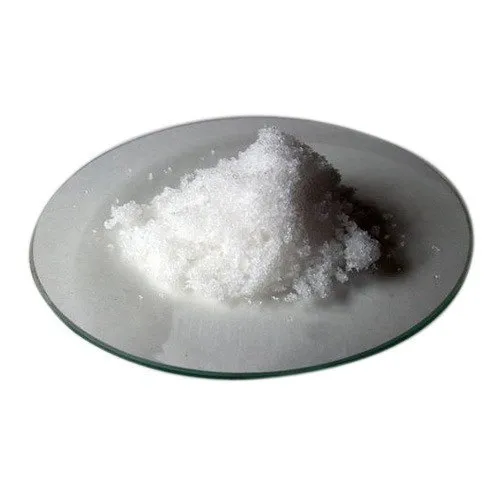
Sodium nitrite (NaNO₂) is an inorganic salt commonly appearing as a white to pale yellow crystalline powder. While its chemical simplicity may suggest ease of use, sodium nitrite is a technically sensitive compound whose performance depends heavily on purity, handling, and application control.
At 99% purity, sodium nitrite meets the requirements of most industrial, food-grade, and technical-grade applications. Lower purities often introduce variability that affects reaction efficiency, color stability, corrosion inhibition, or preservation performance—depending on the industry.
In practical terms, sodium nitrite functions as a reactive agent, not a passive filler. Its role in oxidation-reduction reactions, microbial control, and corrosion processes makes consistency essential. This is why documentation such as Certificate of Analysis (COA) and Material Safety Data Sheet (MSDS) is not optional but fundamental.
Why 99% Purity Matters More Than Many Buyers Realize
Many procurement teams initially focus on price when sourcing sodium nitrite. However, experienced manufacturers know that small variations in purity can create disproportionate problems downstream.
At 99% purity:
- Reaction predictability improves
- Dosage calculations remain stable
- By-product formation is minimized
- Regulatory compliance becomes easier
We have seen production lines struggle with discoloration, unexpected residues, or inconsistent performance simply because sodium nitrite purity fluctuated between batches. Once the source was corrected to a consistent 99% grade with proper COA verification, those issues disappeared without any change in formulation.
This is a classic example of how raw material quality silently controls process stability.
The Importance of COA and MSDS in Industrial Sourcing
For sodium nitrite, documentation is not paperwork—it is risk management.
A Certificate of Analysis (COA) confirms batch-specific parameters such as purity, moisture content, and impurity limits. It allows your quality control team to verify incoming materials before release to production.
An MSDS provides critical safety information, including handling precautions, storage requirements, exposure limits, and emergency measures. Given sodium nitrite’s oxidizing nature and toxicity profile, MSDS compliance is essential for workplace safety and regulatory audits.
Suppliers like MT Royal ensure that sodium nitrite shipments are accompanied by up-to-date, batch-specific COA and internationally compliant MSDS. This reduces internal workload for your QA team and minimizes compliance risks.
Key Industrial Applications of Sodium Nitrite 99% Purity
Sodium nitrite’s versatility explains its widespread industrial use. However, each application places different demands on quality, consistency, and documentation.
Food Processing and Meat Curing
In controlled quantities, sodium nitrite plays a crucial role in meat curing by inhibiting microbial growth and stabilizing color. Here, purity and precise dosing are non-negotiable, as regulatory thresholds are strict and consumer safety is paramount.
Chemical Manufacturing
In chemical synthesis, sodium nitrite functions as a reagent in diazotization reactions and other processes. Impurities can interfere with reaction pathways, reduce yield, or create unwanted by-products.
Corrosion Inhibition and Industrial Fluids
Sodium nitrite is widely used as a corrosion inhibitor in closed-loop systems, coolants, and industrial water treatment. Consistent purity ensures predictable protection performance and system longevity.
Pharmaceuticals and Laboratory Applications
In regulated environments, sodium nitrite must meet strict specifications and documentation standards. Even minor deviations can result in rejected batches or regulatory non-compliance.
Common Mistakes in Sourcing Sodium Nitrite
Despite its widespread use, sodium nitrite is frequently sourced incorrectly. These mistakes often stem from underestimating the material’s technical sensitivity.
Some of the most common sourcing errors include:
- Purchasing based solely on price without verifying batch purity
- Accepting generic COA documents not linked to actual shipments
- Overlooking storage and transport conditions
- Working with traders lacking chemical handling expertise
We have seen factories face production delays and audit issues simply because documentation could not be traced back to specific batches. These problems are avoidable with proper supplier selection.
Comparing Sodium Nitrite Grades: When 99% Is the Right Choice
Not every application requires ultra-high purity, but many require predictability. The 99% grade represents an optimal balance between performance, cost, and regulatory acceptance for most industrial uses.
Compared to lower grades, 99% purity sodium nitrite offers:
- Reduced variability between batches
- Lower impurity-driven side reactions
- Easier compliance with food and industrial standards
Compared to ultra-high laboratory grades, it provides sufficient performance without unnecessary cost escalation. This balance makes it the preferred choice for most production-scale operations.
Industrial Handling, Storage, and Safety Considerations
Sodium nitrite must be handled with respect for its chemical properties. Improper storage can lead to degradation, contamination, or safety hazards.
Key handling principles include:
- Storage in cool, dry, well-ventilated areas
- Protection from incompatible materials
- Clear labeling and controlled access
Your MSDS should guide internal safety protocols, training, and emergency preparedness. Suppliers who provide detailed and accurate MSDS documentation significantly reduce your internal compliance burden.
Scaling Production: What Changes at High Volumes
When sodium nitrite consumption increases, sourcing challenges evolve. Volume amplifies small inefficiencies into major operational risks.
At scale, manufacturers must consider:
- Long-term supply stability
- Batch-to-batch consistency
- Packaging suitability for handling efficiency
- Lead time predictability
We have seen that factories moving from spot purchases to structured supply agreements experience fewer disruptions and better cost control. This is where working with a supplier like MT Royal becomes particularly valuable.
How MT Royal Supports Industrial Buyers
MT Royal is not positioned as a simple distributor. It operates as a sourcing partner that understands industrial expectations, documentation standards, and production realities.
By offering Sodium Nitrite 99% Purity – With COA and MSDS from reliable producers, MT Royal allows manufacturers to focus on production rather than supplier management. Access to multiple brands, competitive pricing, and consistent documentation creates flexibility without sacrificing control.
We have seen that companies working with structured suppliers spend less time resolving quality issues and more time optimizing production.
Frequently Asked Questions from Industrial Buyers
Is 99% purity sufficient for food-grade applications?
Yes, when supported by proper COA and regulatory compliance, 99% purity meets the requirements of most food processing standards.
Why is COA batch-specific verification important?
Because chemical performance can vary between batches. COA links quality data directly to the material you receive.
Can sodium nitrite quality affect equipment lifespan?
In corrosion inhibition applications, inconsistent purity can reduce protection efficiency and shorten equipment life.
Is long-term supply more important than spot pricing?
In most industrial contexts, yes. Stability often saves more money than short-term price advantages.
Building Confidence into Your Raw Material Strategy
Sodium nitrite is not a material that tolerates shortcuts. Its effectiveness, safety, and compliance profile depend on quality consistency, proper documentation, and informed handling.
Manufacturers who treat Sodium Nitrite 99% Purity – With COA and MSDS as a strategic input—not a commodity—experience smoother audits, more stable production, and fewer operational surprises. Turkey has become a reliable sourcing origin for high-quality sodium nitrite, and suppliers like MT Royal provide the structure needed to turn that potential into dependable supply.
In industrial production, confidence is built quietly—batch by batch, document by document, shipment by shipment. Choosing the right sodium nitrite source is one of those decisions that rarely draws attention when done correctly, but quickly defines outcomes when done poorly. The difference lies not in chemistry alone, but in how seriously sourcing is treated.



No comment