

In the modern meat processing industry, quality, safety, and product consistency are non-negotiable. One key ingredient that ensures all three is sodium nitrite. EU-certified and widely used in industrial meat processing, sodium nitrite plays a critical role in curing, color stabilization, flavor enhancement, and microbial safety.
For manufacturers aiming for reliable results, MT Royal offers high-quality sodium nitrite, fully EU-certified, with consistent purity and supply. We have seen firsthand how the right sourcing transforms production efficiency, reduces product variation, and ensures regulatory compliance across large-scale facilities.
This article will explore sodium nitrite in depth—from its chemical properties and industrial uses to procurement strategies, common mistakes, and operational guidance—providing a complete resource for meat processing professionals.
What is Sodium Nitrite?
Definition and Chemical Profile
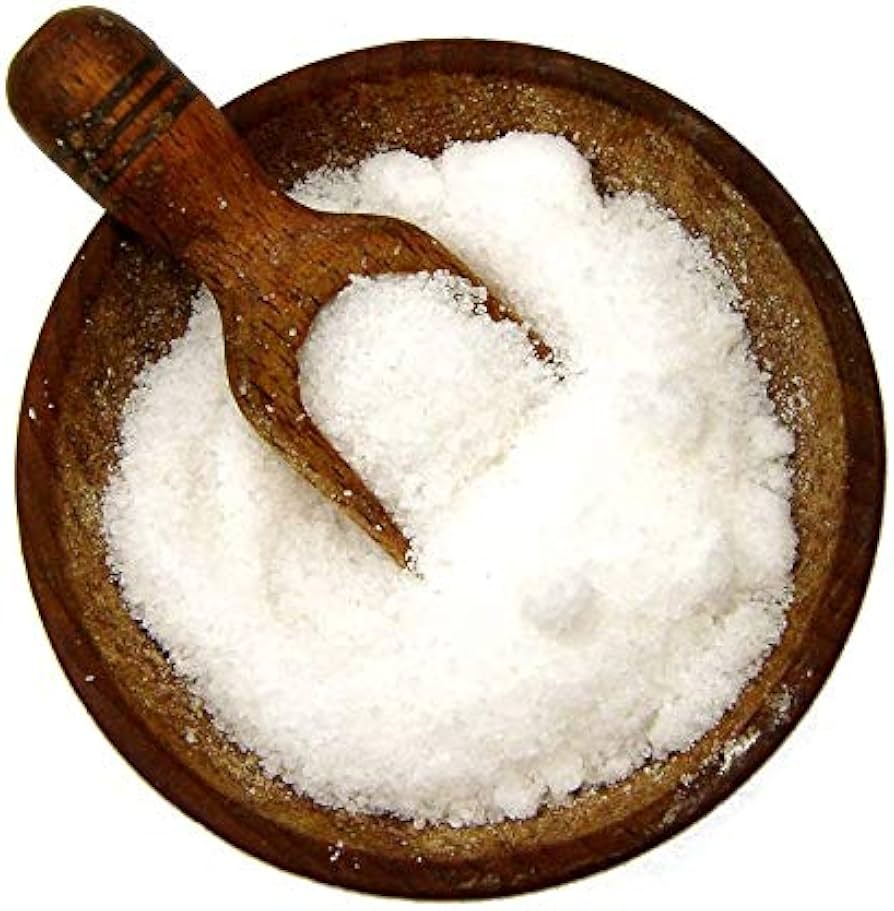
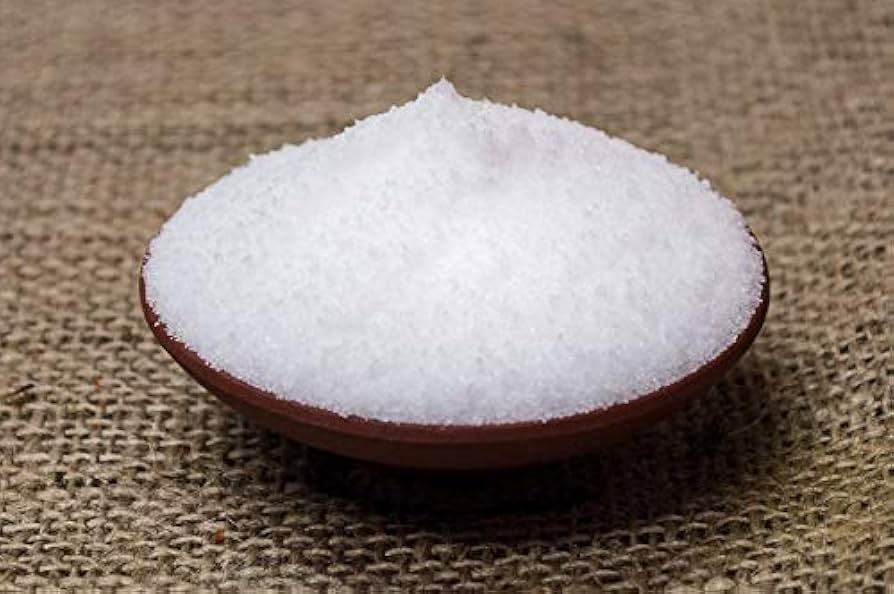
Sodium nitrite (NaNO₂) is a white to slightly yellow crystalline powder commonly used in the meat industry as a curing agent. Its primary functions include:
- Preserving meat and preventing spoilage
- Enhancing the characteristic pink-red color of cured meats
- Inhibiting the growth of Clostridium botulinum
- Contributing to flavor development
Chemically, sodium nitrite is highly soluble in water, which allows precise dosing and uniform distribution in brines, marinades, and meat formulations.
Functional Importance in Meat Processing
- Color Stabilization: Sodium nitrite reacts with myoglobin in meat, producing a stable pink hue that is visually appealing to consumers.
- Microbial Safety: It prevents growth of harmful bacteria, especially Clostridium species responsible for botulism.
- Flavor Development: Enhances characteristic cured meat flavor without masking natural meat taste.
- Shelf Life Extension: Slows oxidative spoilage and rancidity in processed meat products.
EU Certification and Compliance
Using EU-certified sodium nitrite ensures that manufacturers meet strict regulatory standards for safety, quality, and traceability. Key compliance aspects include:
- Maximum residual nitrite limits in finished products
- Manufacturing under ISO/HACCP guidelines
- Documented purity levels and Certificates of Analysis (COA)
- Safe handling instructions and storage conditions
MT Royal guarantees all batches are EU-certified, with detailed COA documentation, helping meat processors maintain full compliance and reduce audit risks.
Industrial Applications
Cured Meats
Sodium nitrite is essential for:
- Sausages (hot dogs, frankfurters, salami)
- Ham and bacon
- Corned beef and pastrami
Its precise addition ensures uniform color and flavor, reduces microbial risk, and supports consistent texture across production batches.
Meat Brines and Marinades
- Used in brining solutions for uniform penetration
- Supports moisture retention for juicier end-products
- Enhances overall product stability during storage and transport
Ready-to-Eat (RTE) Products
- Ensures safety and aesthetic quality in pre-packaged meat products
- Supports longer shelf life without compromising organoleptic properties
Common Mistakes in Industrial Sourcing
- Using Non-Certified Sodium Nitrite: Can lead to regulatory violations, inconsistent product quality, and increased safety risks.
- Incorrect Dosing: Overuse may lead to health risks, while underuse compromises microbial safety and color.
- Ignoring COA Verification: Certificates of Analysis verify purity, solubility, and compliance; skipping them risks product recalls.
- Poor Storage Practices: Sodium nitrite is hygroscopic and sensitive to moisture and light; improper storage can degrade efficacy.
We have observed that manufacturers who overlook these factors often face production inconsistencies and regulatory scrutiny. Partnering with MT Royal eliminates these risks by providing certified, traceable products with technical guidance.
Tips for Large-Scale Meat Processing
- Accurate Dosing Systems: Use automated dispensing or calibrated scales for uniform addition.
- Dissolution Practices: Dissolve sodium nitrite in water for brines to prevent uneven distribution.
- Monitoring Residual Levels: Use analytical tools to ensure final nitrite levels comply with EU limits.
- Safety Protocols: Staff handling nitrites must follow protective measures to avoid inhalation or skin contact.
These industrial best practices ensure product safety, regulatory compliance, and operational efficiency at scale.
Comparative Insights
| Feature | Sodium Nitrite | Sodium Nitrate |
|---|---|---|
| Speed of Reaction | Fast | Slow |
| Primary Use | Cured meats | Long-term curing |
| Color Development | Rapid pink coloration | Delayed |
| Microbial Safety | Immediate | Gradual conversion to nitrite required |
| EU Certification Needed | Yes | Yes |
This comparison helps manufacturers select the appropriate curing agent based on production timelines, storage, and product type.
Frequently Asked Questions (FAQs)
Q1: What is the safe limit of sodium nitrite in cured meats?
A1: EU regulations typically set maximum residual nitrite levels around 150 mg/kg for most processed meats. Always verify specific product compliance.
Q2: Can sodium nitrite be used in organic meat processing?
A2: Organic meat regulations may restrict synthetic additives. Always check local certifications before sourcing.
Q3: Does it affect flavor?
A3: At recommended levels, sodium nitrite enhances flavor without imparting off-tastes.
Q4: How should sodium nitrite be stored?
A4: Store in cool, dry, and dark conditions, away from moisture and incompatible chemicals.
Procurement and Supplier Selection
Reliable sourcing of EU-certified sodium nitrite is critical for industrial operations. Key considerations include:
- Purity and traceability confirmed via COA
- Consistent bulk supply to prevent production interruptions
- Compliance with EU regulations and handling standards
- Technical support for application optimization
At MT Royal, we have supplied sodium nitrite to multiple large-scale meat processors, providing technical guidance, certified products, and competitive pricing to streamline procurement.
Industrial Best Practices
- Batch Testing: Verify purity and concentration prior to incorporation.
- Integration with Brine Formulations: Ensure uniform distribution to avoid localized over- or under-curing.
- Temperature and pH Monitoring: Maintain optimal curing conditions for color stability and microbial safety.
- Training Personnel: Ensure staff understand nitrite handling, dosing accuracy, and safety protocols.
These measures optimize safety, efficiency, and product consistency, which is essential for high-volume meat processing facilities.
Future Trends in Meat Curing
- Increased demand for traceable, certified ingredients like EU-certified sodium nitrite
- Exploration of natural curing alternatives alongside traditional nitrites
- Emphasis on consumer transparency regarding additive use
- Advanced analytical testing and automation to monitor nitrite levels in real-time
Manufacturers who proactively adopt these trends gain operational efficiency, regulatory security, and consumer trust.
Conclusion
Sodium nitrite remains an indispensable ingredient in industrial meat processing, ensuring consistent color, flavor, and microbial safety. By sourcing EU-certified sodium nitrite from trusted suppliers like MT Royal, meat processors gain access to high-purity, COA-backed products that streamline production, enhance product quality, and ensure compliance with stringent EU regulations.
Integrating premium sodium nitrite into your operations enhances:
- Product uniformity and visual appeal
- Microbial safety and shelf life
- Operational efficiency in large-scale production
- Regulatory compliance and audit readiness
We have seen that manufacturers leveraging high-quality, certified nitrite achieve superior results and maintain competitive advantage in a demanding market. Choosing the right supplier is not just a sourcing decision—it is a strategic investment in product excellence and long-term operational success.



No comment