

Every decision in industrial production comes down to one essential question: reliability. When it comes to chemical ingredients like Sodium Nitrite Industrial Grade, this question becomes even more critical. Whether you’re managing a large-scale manufacturing plant or a processing facility, choosing a trusted supplier determines not only the quality of your end products but also the efficiency of your operations.
At MT Royal, we understand the complexities of industrial sourcing. Our collaborations with manufacturers and chemical engineers worldwide have shown one thing consistently: quality assurance and dependable supply make all the difference. That’s why we provide Export Quality Sodium Nitrite Industrial Grade, tested and certified to meet international standards for purity, stability, and safety.
What Is Sodium Nitrite Industrial Grade?
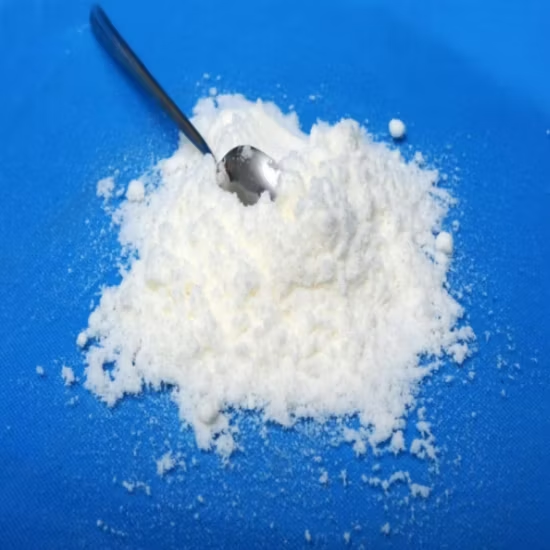
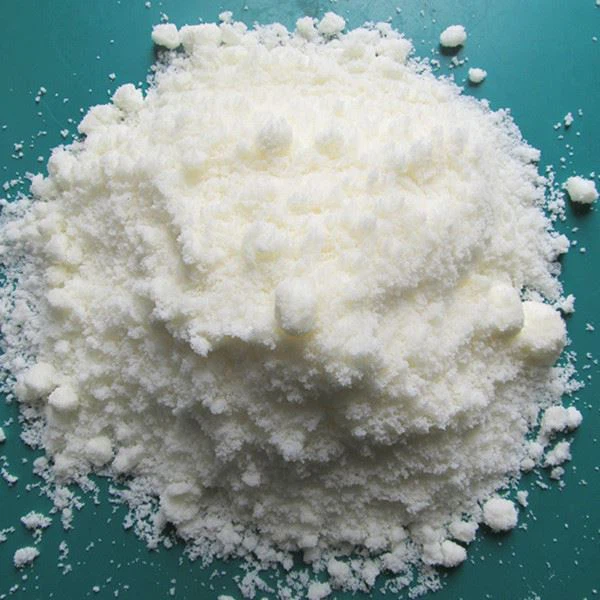
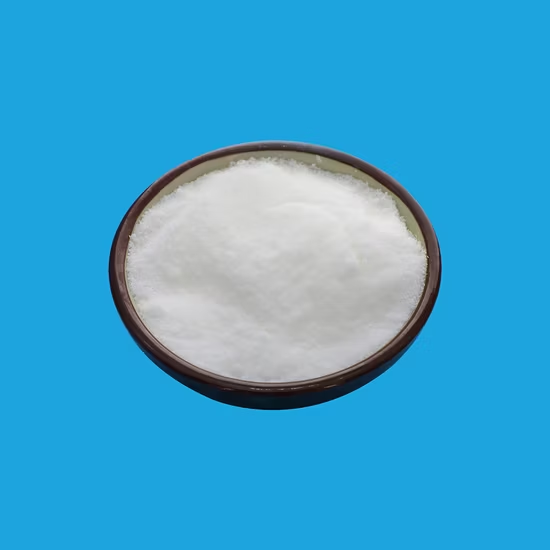
Sodium Nitrite (NaNO₂) is an inorganic compound widely used across industries for its strong oxidising and stabilising properties. It appears as a white to slightly yellow crystalline powder, highly soluble in water, and remarkably effective as a preservative, corrosion inhibitor, and process aid in numerous industrial settings.
While food-grade sodium nitrite is used in controlled concentrations for curing meats, industrial-grade sodium nitrite serves a much broader and more robust range of applications — from metal treatment and chemical synthesis to pharmaceutical intermediates, textile processing, and rubber manufacturing.
Its unique chemical profile allows it to act as both an oxidising and reducing agent under different conditions — a versatility that has made it indispensable to manufacturers worldwide.
Key Industrial Applications of Sodium Nitrite
1. Metal Surface Treatment and Corrosion Inhibition
In metalworking industries, sodium nitrite is primarily valued for its corrosion-inhibiting capabilities. It prevents rust formation by forming a protective oxide layer on metal surfaces — particularly iron and steel. This is critical in processes like metal cleaning, cooling systems, and heat exchange equipment.
2. Chemical Synthesis
Sodium nitrite is a key intermediate in the manufacture of dyes, pigments, and other organic compounds. Its role in diazotisation reactions — where aromatic amines are converted into diazonium salts — forms the backbone of colourant and textile dye production.
3. Pharmaceuticals and Intermediates
Though industrial-grade sodium nitrite is not suitable for direct pharmaceutical use, it plays an indirect role in the synthesis of active intermediates used in anaesthetics, vasodilators, and antimicrobial agents.
4. Rubber and Latex Industries
In rubber manufacturing, sodium nitrite serves as a stabiliser and process aid that helps control polymerisation rates and prevent degradation under heat or light exposure.
5. Textile Dyeing and Printing
Textile processors rely on sodium nitrite for colour fixation and reduction reactions that enhance dye absorption, particularly in synthetic and blended fabrics.
6. Photographic and Laboratory Use
As a mild oxidiser, sodium nitrite finds roles in analytical chemistry and photographic processing — especially where precise chemical reactions are required for controlled image development or material testing.
Why Export Quality Matters in Industrial Sodium Nitrite
For industrial buyers, purity and consistency are not marketing buzzwords — they’re operational imperatives. Export-quality sodium nitrite ensures:
- Consistent chemical purity, typically ≥ 99.0% NaNO₂
- Low moisture and insoluble content, preventing unwanted side reactions
- Stable crystal structure, essential for predictable reactivity
- Compliance with international shipping and safety standards
- Longer shelf life, even in humid or high-temperature environments
Factories operating across borders or supplying multinational clients require materials that align with global quality benchmarks (ISO, REACH, and GHS standards). MT Royal’s industrial-grade sodium nitrite is sourced from certified producers who uphold these benchmarks in every batch.
Common Mistakes When Sourcing Industrial-Grade Sodium Nitrite
1. Ignoring Moisture Control
One of the most frequent oversights during procurement is not verifying the moisture content of sodium nitrite. Even small amounts of excess water can lead to clumping, inconsistent reactions, and reduced shelf stability.
2. Confusing Food Grade with Industrial Grade
It might seem cost-effective to buy one grade for multiple uses, but this is a serious error. Industrial-grade sodium nitrite often contains stabilisers or trace elements unsuitable for food applications. Always specify the correct grade to avoid compliance and safety issues.
3. Overlooking Packaging Standards
Industrial buyers sometimes underestimate the importance of proper packaging — yet sodium nitrite must be stored in HDPE-lined or multi-layered sealed bags to prevent contamination and oxidation during long-distance transport.
4. Not Verifying Supplier Certifications
Sodium nitrite is regulated in many countries due to its reactive nature. Suppliers must comply with Hazardous Materials and REACH documentation. A lack of verified certification can lead to import delays or product rejection.
Sodium Nitrite and Safety: What Industrial Buyers Should Know
Safety is a defining aspect of sodium nitrite handling. The compound, while stable under standard conditions, can become hazardous if mismanaged. Industrial operators should ensure:
- Strict segregation from acids, which can release toxic nitrogen oxides
- Proper ventilation in storage and processing areas
- Use of personal protective equipment (PPE), including gloves and goggles
- Training for chemical handling staff in emergency response procedures
We’ve seen in our collaborations that factories implementing proactive safety protocols not only avoid accidents but also experience smoother quality audits and regulatory inspections.
The Science Behind Sodium Nitrite’s Effectiveness
From a chemical standpoint, sodium nitrite’s strength lies in its dual reactivity. It can behave as both an oxidising and reducing agent depending on the environment.
- In alkaline conditions, it tends to oxidise metals, forming stable protective films.
- In acidic conditions, it can release nitric oxide, which plays a role in many synthesis and stabilisation reactions.
This chemical adaptability explains why it’s found in applications ranging from anti-freeze formulations to industrial adhesives and pharmaceutical precursors.
Global Market Trends for Sodium Nitrite Industrial Grade
Recent market data shows a growing demand for industrial sodium nitrite, particularly in Asia-Pacific, the Middle East, and Latin America. Expansion in chemical manufacturing, textile finishing, and metalworking sectors continues to drive consumption.
At the same time, stricter environmental policies in Europe and North America are pushing manufacturers to choose high-purity, low-residue sodium nitrite that meets export quality standards — a space where MT Royal’s supply network plays a key role.
We’ve observed that industrial clients are moving towards sustainable sourcing models — demanding verified traceability, eco-friendly packaging, and transparent documentation. MT Royal’s export-ready logistics and compliance support make bulk purchasing smoother and safer across international routes.
Technical Specifications (Typical Export Grade)
| Property | Specification |
|---|---|
| Chemical Formula | NaNO₂ |
| Appearance | White crystalline powder |
| Assay (Purity) | ≥ 99.0% |
| Moisture | ≤ 1.0% |
| Insoluble Matter | ≤ 0.02% |
| pH (5% Solution) | 6.5–9.0 |
| Bulk Density | 1.9–2.1 g/cm³ |
| Packaging | 25 kg / 50 kg HDPE-lined bags or jumbo bags |
| Shelf Life | 24 months under dry, sealed conditions |
These figures may vary slightly depending on the producer, but MT Royal ensures all delivered batches comply with export-grade certifications.
Bulk Procurement Considerations for Industrial Buyers
When purchasing sodium nitrite in bulk, the following operational details can greatly influence performance and cost efficiency:
1. Batch Uniformity
Always ensure that the supplier provides consistent batch analysis reports (COA) for each shipment. Fluctuations in purity can disrupt production yields.
2. Delivery and Storage Conditions
Sodium nitrite must be transported under dry, sealed, and ventilated conditions. Exposure to heat or moisture during shipping can trigger decomposition, leading to performance loss.
3. Regulatory Documentation
Export-quality sodium nitrite should come with complete documentation:
- Certificate of Analysis (COA)
- Material Safety Data Sheet (MSDS)
- Export Declaration and Hazard Labeling Compliance
At MT Royal, we coordinate these processes directly with certified producers to simplify your import workflow.
Frequently Asked Questions (FAQs)
1. Is industrial-grade sodium nitrite safe to use?
Yes, when handled properly. It’s stable under standard conditions but requires adherence to industrial safety practices.
2. What differentiates export-grade sodium nitrite from regular industrial grade?
Export-grade quality ensures tighter purity control, international documentation compliance, and enhanced packaging integrity for long-distance transport.
3. Can sodium nitrite be substituted with other nitrites or nitrates?
Not directly. Its specific reactivity and oxidation balance make it irreplaceable in many industrial applications.
4. How should it be stored for long-term stability?
Keep in sealed, moisture-proof containers in a cool, ventilated area, away from acids and combustible materials.
5. What’s the typical minimum order quantity (MOQ)?
Depending on the supplier, it ranges from 500 kg to several tonnes. MT Royal can accommodate both bulk and container-load orders.
MT Royal: Your Trusted Partner for Industrial Chemicals
We at MT Royal have built our reputation around supply integrity, technical reliability, and export readiness. Our industrial clients rely on us not just for product availability but for real insight into the materials they use.
By sourcing directly from certified producers and maintaining stringent in-house quality verification, we ensure that every shipment of sodium nitrite — from small batches to full containers — meets your precise operational standards.
We’ve worked alongside metal processors, chemical formulators, and export-oriented manufacturers who all value one thing: a partner that understands the real-world challenges of industrial sourcing. And that’s exactly what we deliver.
Closing Thoughts
For industrial operations, sodium nitrite is not merely a raw material — it’s a critical enabler of chemical precision, production safety, and material integrity. Choosing a certified, export-grade supplier transforms your procurement from a routine purchase into a strategic decision.
At MT Royal, we believe that consistency builds trust, and trust builds performance. Every tonne of Sodium Nitrite Industrial Grade we deliver stands as proof of that commitment — engineered for industrial reliability, certified for global trade, and ready for your next project.



No comment