

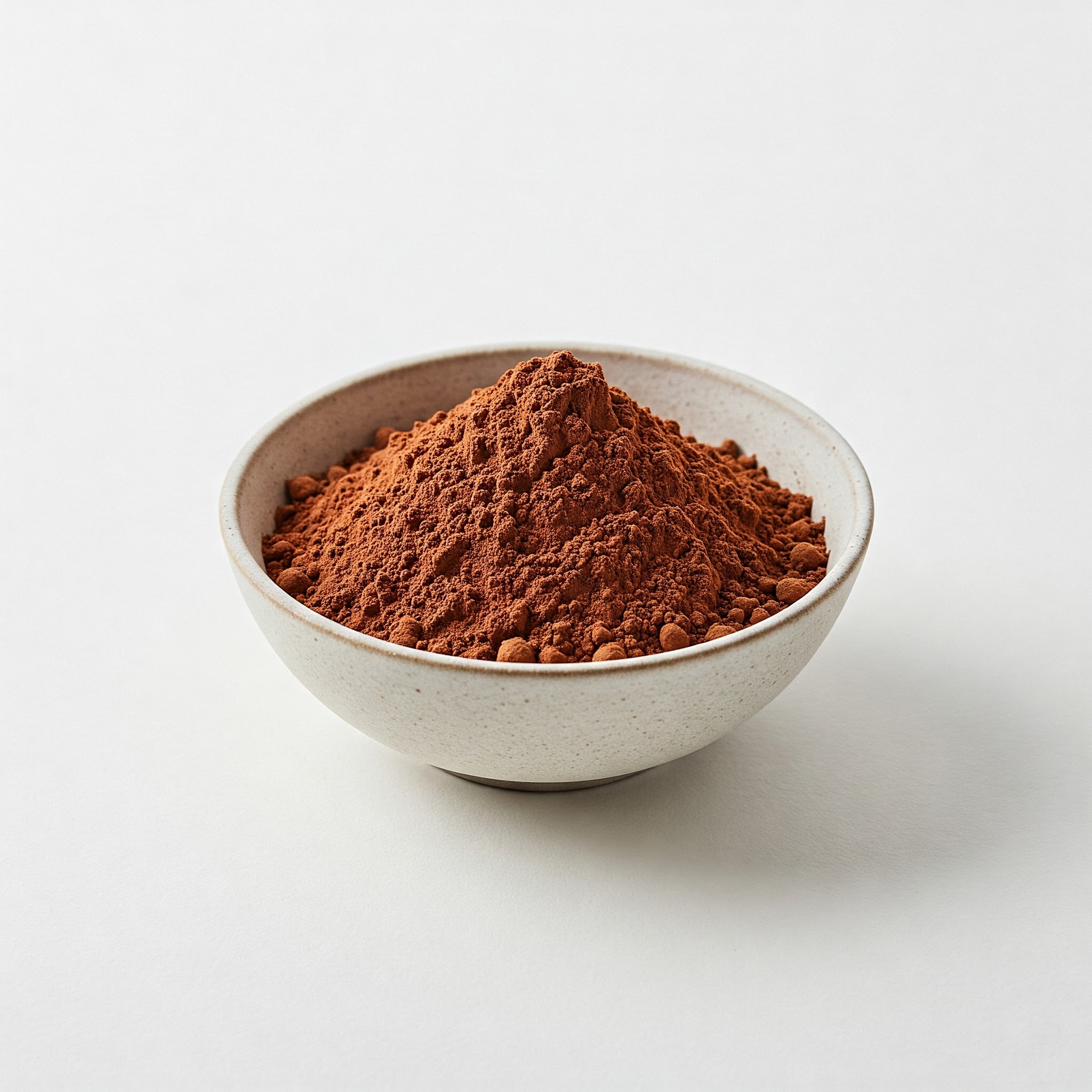
Few ingredients carry as much universal appeal—and industrial importance—as cocoa powder. From large-scale chocolate manufacturing and bakery operations to beverage and dairy formulations, cocoa powder has quietly become one of the most indispensable raw materials in the UAE’s food production sector.
Yet for many procurement officers and plant managers, sourcing bulk cocoa powder in the UAE can be a strategic challenge. Between managing cost-per-kilogram efficiency, ensuring consistency across batches, and navigating the complex global cocoa supply chain, the process demands more than just a purchase—it requires foresight, expertise, and reliable supplier partnerships.
In this guide, we’ll walk through everything a manufacturing professional needs to know about sourcing bulk cocoa powder efficiently, sustainably, and profitably within the UAE. Drawing on industry insights and our experience at MT Royal, we’ll explore practical solutions, quality considerations, supplier benchmarks, and how premium brands like Latamarko are reshaping expectations for industrial-grade cocoa quality.
Understanding Industrial-Grade Cocoa Powder
Industrial cocoa powder isn’t the same as what you find in a retail kitchen. In the context of manufacturing, it must meet strict performance standards—color stability, particle uniformity, fat content, and solubility—all of which directly impact end-product consistency.
Types of Cocoa Powder
Broadly, manufacturers source two categories:
- Natural Cocoa Powder:
Light brown in color, with a slightly acidic profile (pH 5–6). Ideal for products where a sharper cocoa note is desired, such as plain biscuits or certain beverages. - Alkalized (Dutch-Processed) Cocoa Powder:
Treated with alkaline solutions to neutralize acidity, producing a darker hue and milder flavor. This is the preferred option for many industrial chocolate and confectionery applications, thanks to its smooth dispersibility.
Key Quality Parameters
When evaluating cocoa powder for large-scale use, technical specifications matter more than brand aesthetics. Some of the most important quality indicators include:
- Fat content: Typically ranges from 10%–24%; affects mouthfeel and richness.
- Color intensity: Determined by bean origin and processing method.
- Moisture level: Should not exceed 5% for stable storage.
- Microbiological purity: Essential for HACCP and ISO-compliant facilities.
- Flowability: Crucial for automated production lines.
Why Cocoa Powder Sourcing in the UAE Requires Strategic Thinking
The UAE’s industrial food sector has grown exponentially, serving both domestic consumption and re-export to GCC and African markets. This expansion, however, introduces unique challenges:
- Supply chain volatility: Cocoa is primarily grown in West Africa and Latin America, meaning price fluctuations and logistics disruptions can quickly affect UAE procurement cycles.
- Quality consistency: Manufacturers often struggle to maintain the same flavor and color profiles across multiple shipments.
- Storage conditions: Cocoa powder is hygroscopic; without proper humidity control, it can clump or lose aroma.
In our experience supplying manufacturing facilities across the UAE, we’ve seen factory managers benefit from working with multi-brand distributors who maintain steady inventory and quality control systems—ensuring uninterrupted production even during global supply fluctuations.
The Role of Cocoa Powder in Manufacturing Efficiency
Cocoa powder isn’t just an ingredient—it’s a performance variable. In production environments where uptime and consistency are sacred, ingredient behavior can make or break efficiency metrics.
Impact on Production Flow
When a batch of cocoa powder fails to disperse uniformly or clogs feed lines, the downtime costs can be significant. A single hour of lost production may offset the savings from choosing a cheaper supplier. That’s why cost-per-unit is not just about price, but performance reliability.
Optimizing Batch Uniformity
Experienced production supervisors know that the texture and color consistency of finished goods depend heavily on cocoa powder uniformity. High-quality, industrial-grade powders reduce mixing time, improve emulsification, and enhance product homogeneity—key for large-scale production of chocolate drinks, spreads, and baked goods.
Choosing the Right Supplier: The Procurement Perspective
When sourcing bulk cocoa powder in the UAE, industrial buyers often face two extremes: global brands with impeccable quality but higher costs, or lower-cost regional options with inconsistent specifications. The best suppliers balance both—offering dependable quality at competitive pricing.
What to Look for in a Cocoa Supplier
Here are essential factors procurement teams should evaluate:
| Criterion | Why It Matters |
|---|---|
| Origin Transparency | Determines flavor and quality consistency. |
| Batch Certification | Ensures microbiological safety and food-grade compliance. |
| Packaging Standards | Industrial packaging (25kg+ bags) should prevent moisture ingress. |
| Logistics Efficiency | Reliable delivery schedules prevent line interruptions. |
| After-Sales Technical Support | Crucial when integrating cocoa powder into complex formulations. |
At MT Royal, we supply manufacturers with a comprehensive range of cocoa powder brands, ensuring competitive pricing without compromising on quality. Whether you’re operating a confectionery plant in Dubai or a beverage line in Sharjah, our sourcing network covers a wide spectrum—from cost-efficient options to premium European-grade solutions.
Spotlight on Premium Quality: Latamarko and European Excellence
Spanish engineering has long been respected in industrial food processing—and brands like Latamarko exemplify that tradition. Renowned for their precise roasting profiles and particle uniformity, Latamarko cocoa powders deliver consistent color tone and flavor depth even under demanding thermal conditions.
What distinguishes European-origin powders like Latamarko is their balance of sensory quality and production efficiency. For instance, their fine granulation reduces dusting during handling—a subtle but significant advantage for large-scale facilities seeking cleaner operations and improved air quality in production zones.
Premium powders also maintain exceptional dispersion rates, minimizing clumping during hydration, which is especially valuable in high-speed beverage manufacturing or automated batter systems.
Balancing Cost and Quality in Industrial Procurement
It’s a universal manufacturing truth: procurement managers are measured not only by the quality of what they buy but also by how cost-efficiently they buy it. Yet when it comes to cocoa powder, cheaper isn’t always cheaper.
The Hidden Costs of Low-Grade Cocoa
Low-cost powders often contain inconsistent fat content or variable color profiles, leading to:
- Frequent recipe recalibrations
- Increased wastage
- Downtime for equipment cleaning or adjustments
- Customer complaints due to sensory inconsistencies
Over time, these inefficiencies can exceed the savings gained from initial discounts.
Building Value through Supplier Partnerships
Working with a trusted supplier like MT Royal provides stability. Our procurement framework emphasizes long-term value, offering clients access to bulk purchasing programs, flexible storage solutions, and a curated portfolio of international brands—so your production never depends on a single source.
Pro Tips for Procurement and Quality Control Teams
Drawing from industry experience, here are actionable insights that manufacturing professionals in the UAE can apply immediately:
1. Standardize Incoming Quality Tests
Develop internal testing protocols for color, fat percentage, and pH to validate every batch before production. This minimizes variation risks.
2. Invest in Controlled Storage
Maintain warehouse conditions below 25°C with relative humidity under 65%. Cocoa powder’s hygroscopic nature means humidity control directly preserves quality.
3. Forecast Demand by Production Cycle
Align procurement schedules with your production calendar to leverage bulk order discounts and avoid emergency purchases at premium prices.
4. Request Multiple Origin Options
Diversifying your cocoa origin base—say, blending West African and European sources—can help maintain consistent flavor profiles even during global supply chain disruptions.
5. Leverage Supplier Technical Expertise
Engage with suppliers who offer application support. At MT Royal, for example, we’ve helped confectionery facilities fine-tune their formulations by matching specific cocoa particle sizes to their mixer design—yielding smoother textures and shorter blend times.
Common Pitfalls in Bulk Cocoa Sourcing
Even seasoned procurement managers can encounter challenges. Here are some avoidable mistakes often seen in the UAE manufacturing sector:
- Focusing solely on price per kilogram rather than performance stability
- Neglecting fat and pH specifications, which impact texture and flavor balance
- Inadequate sampling before committing to large-volume orders
- Overlooking supply continuity, especially for seasonal demand spikes
- Failing to document supplier performance, making long-term optimization difficult
Avoiding these pitfalls not only secures product quality but also enhances operational predictability—a key driver for industrial efficiency.

Real-World Example: How a UAE Beverage Plant Reduced Downtime by 18%
One mid-sized beverage manufacturer in Dubai struggled with inconsistent dispersion in its chocolate drink base. The issue? A variable fat-content cocoa powder sourced from multiple importers. After switching to a standardized supply chain managed through MT Royal, using a stable European-origin powder comparable to Latamarko’s performance grade, the plant reported:
- 18% reduction in batch preparation time
- 23% improvement in flow consistency
- Noticeable flavor uniformity across distribution batches
The result wasn’t just operational—it was commercial. Customer satisfaction scores improved, and the procurement team could forecast costs with greater precision.
Industry Trends: The Evolving Cocoa Supply Chain
Cocoa supply dynamics are shifting. According to recent industry reports from global commodity research groups, sustainability certifications and traceability systems are becoming non-negotiable for large manufacturers. In the UAE, more buyers are requesting documentation proving ethical sourcing and deforestation-free supply chains.
Simultaneously, the market is witnessing a rise in hybrid procurement models, where companies combine direct imports with local distributor partnerships to mitigate shipping volatility.
As one procurement director put it during a regional food manufacturing summit, “We don’t just buy ingredients anymore—we buy stability.”
At MT Royal, we’ve structured our supplier network precisely around this reality—offering both imported brands like Latamarko and regionally available alternatives to ensure steady availability.
Frequently Asked Questions: Cocoa Procurement in the UAE
1. What’s the typical MOQ (Minimum Order Quantity) for industrial cocoa powder in the UAE?
Usually 1 metric ton, though distributors like MT Royal often accommodate smaller test batches (e.g., 500 kg) for product trials.
2. What packaging sizes are standard?
Most suppliers offer 25 kg or 50 kg industrial-grade bags, vacuum-sealed or multilayer laminated for humidity protection.
3. How long can cocoa powder be stored safely?
Up to 24 months in optimal conditions—cool, dry, and odor-free storage environments.
4. Is there a difference between “alkalized” and “Dutch-processed”?
No difference—they’re synonymous terms referring to the same process that neutralizes acidity and deepens cocoa color.
5. Are European cocoa powders worth the premium?
For applications where flavor uniformity, color intensity, and process reliability matter, yes. European suppliers like Latamarko offer precise granulation and exceptional dispersibility—attributes that justify the investment for high-performance facilities.
6. How can I ensure supply continuity in volatile markets?
Partner with distributors maintaining diverse sourcing origins and inventory reserves. This shields production schedules from global cocoa price swings or shipping delays.
Navigating the Future of Cocoa Procurement in the UAE
As the UAE cements its position as a regional hub for food manufacturing, the sophistication of procurement operations continues to rise. Manufacturers are no longer seeking just “suppliers” but strategic sourcing partners—organizations that understand production dynamics, inventory management, and global trade.
At MT Royal, we believe that successful cocoa sourcing blends technical precision with trust. It’s about more than meeting a specification—it’s about enabling reliable, scalable, and sustainable manufacturing outcomes.
The next time you assess your cocoa powder sourcing strategy, ask yourself:
Is my supplier merely fulfilling orders—or strengthening my production chain?
Because in an industry where flavor meets efficiency, the right partnership makes all the difference.

No comment