


In the competitive landscape of food and beverage manufacturing, ingredient quality directly impacts product performance, texture, and consumer satisfaction. Soy Lecithin Liquid – Food Grade E322 is a versatile emulsifier that has become essential in modern food formulations, offering stability, improved consistency, and enhanced sensory qualities. For manufacturers seeking a reliable supply and premium-grade performance, partnering with a trusted supplier like MT Royal ensures that your production lines maintain efficiency and your products meet the highest standards.
In this comprehensive guide, we will explore the applications, industrial insights, and practical considerations for using soy lecithin liquid in food and beverage production. Whether you are producing chocolates, baked goods, or beverages, this article will equip you with the knowledge to optimize your formulations and streamline your manufacturing processes.
Understanding Soy Lecithin Liquid and Its Role in Food Production
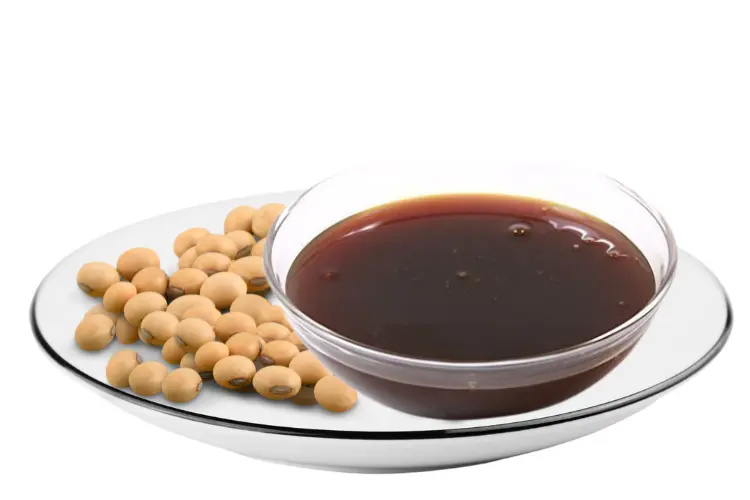
Soy lecithin liquid is a natural phospholipid derived from soybeans and classified under food additive code E322. Recognized for its exceptional emulsifying properties, soy lecithin ensures that oil and water phases in food formulations remain uniformly mixed, improving product stability and texture.
Key properties that make soy lecithin liquid indispensable for the food industry include:
- Emulsification: Prevents oil and water separation in sauces, dressings, and beverages.
- Stabilization: Enhances shelf life and consistency of chocolate, margarine, and bakery products.
- Texture Improvement: Provides smoothness and creaminess in dairy, confectionery, and spreads.
- Nutritional Contribution: Naturally contains phospholipids that support health-conscious formulations.
At MT Royal, we have observed that manufacturers integrating high-quality soy lecithin liquid benefit from improved product uniformity, simplified production processes, and reduced formulation errors.
Common Mistakes in Industrial Sourcing
Even with its widespread use, several common mistakes can affect the efficiency and quality of soy lecithin procurement:
- Choosing Low-Purity Grades: Using technical-grade lecithin instead of food-grade E322 can compromise product safety and regulatory compliance.
- Inconsistent Supply: Working with unreliable suppliers may result in batch variations, affecting texture and stability.
- Ignoring Storage Conditions: Soy lecithin is sensitive to temperature and humidity; improper storage can lead to degradation or phase separation.
- Overlooking Formulation Compatibility: Not all recipes respond the same to lecithin; early testing prevents costly reformulation.
At MT Royal, we guide manufacturers to avoid these errors by providing consistent, premium-grade soy lecithin liquid suitable for large-scale industrial use.
Applications in Food and Beverage
Soy lecithin liquid is highly versatile and finds applications across various food and beverage segments:
1. Chocolate and Confectionery
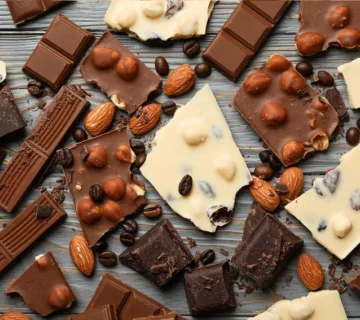
In chocolate production, lecithin reduces viscosity, improves flow, and ensures a glossy finish. It helps cocoa butter and sugar disperse evenly, minimizing the need for excessive mechanical processing.
2. Bakery Products
Lecithin improves dough handling, extends shelf life, and maintains softness in breads and pastries. It also acts as a stabilizer in emulsified fillings, icings, and batters.
3. Beverages
Soy lecithin liquid stabilizes emulsions in flavored milk, protein shakes, and energy drinks, preventing oil separation and sedimentation over time.
4. Dairy Products
From margarine to cheese spreads, lecithin enhances creaminess, mouthfeel, and spreadability, ensuring uniform texture across batches.
5. Sauces, Dressings, and Condiments
It acts as a stabilizer in emulsified sauces and salad dressings, keeping oil droplets suspended for a consistent texture and appealing appearance.
By selecting food-grade E322 from MT Royal, manufacturers can achieve consistent product quality, comply with regulatory standards, and improve overall production efficiency.
Industrial Insights for Large-Scale Production
Manufacturing with soy lecithin liquid at scale requires a detailed understanding of process parameters:
- Optimal Temperature: Lecithin should be added at controlled temperatures to prevent phase separation and viscosity issues.
- Mixing Techniques: High-shear mixers ensure uniform dispersion in emulsions and prevent lump formation.
- Batch Testing: Regular analysis of moisture content, phospholipid concentration, and acidity ensures consistent quality.
- Storage: Keep containers sealed, away from moisture and heat, to preserve functional properties over time.
Implementing these industrial best practices allows food and beverage manufacturers to maximize the benefits of soy lecithin liquid while reducing production downtime and waste.
Frequently Asked Questions (FAQ)
Q1: Why is food-grade E322 soy lecithin important?
Food-grade E322 ensures compliance with international food safety regulations, providing consistent emulsification and safe consumption.
Q2: Can soy lecithin be used in vegan or vegetarian products?
Yes, as it is plant-derived, soy lecithin is suitable for vegan and vegetarian formulations, but always verify the supplier’s certification.
Q3: What is the shelf life of soy lecithin liquid?
Typically, 12–24 months when stored in sealed containers under recommended temperature conditions.
Q4: How do I ensure consistent quality in large orders?
Partnering with MT Royal guarantees consistent batch quality, certificate of analysis, and traceability across all shipments.
Q5: Are there regulatory considerations for soy lecithin in foods?
Yes, food-grade E322 must meet FDA, EFSA, and other regional food additive guidelines for safety and labeling.
Industrial Tips for Maximizing Benefits
- Batch consistency: Request batch-specific certificates of analysis to maintain uniformity.
- Formulation optimization: Combine lecithin with other emulsifiers for complex products like sauces or beverage powders.
- Temperature control: Avoid overheating during mixing to preserve functional properties.
- Sustainability: Source lecithin from non-GMO or certified organic soy for environmentally conscious products.
We at MT Royal have observed that manufacturers who adopt these strategies achieve superior product stability, reduced processing challenges, and enhanced consumer satisfaction.
Comparison Table: Lecithin Grades
| Feature | Food Grade E322 | Industrial Grade | Technical Grade |
|---|---|---|---|
| Purity (%) | ≥98% | 90–95% | 85–90% |
| Suitable for Food & Beverages | Yes | Limited | No |
| Regulatory Compliance | FDA, EFSA | None | None |
| Certificate of Analysis | Yes | Optional | Optional |
| Application Versatility | High | Medium | Low |
This table helps manufacturers quickly evaluate the most suitable lecithin grade for their specific production needs.
Conclusion
Selecting Soy Lecithin Liquid – Food Grade E322 from a trusted supplier like MT Royal is a strategic decision that directly impacts product quality, operational efficiency, and consumer satisfaction. Premium-grade lecithin enhances emulsification, improves texture, and extends shelf life across a variety of food and beverage applications.
By integrating high-quality soy lecithin liquid into your formulations, your factory can achieve consistent results, comply with global food safety standards, and innovate confidently in product development. The choice of a reliable partner ensures your supply chain is robust, responsive, and aligned with your production goals, empowering you to create superior products that stand out in competitive markets.


No comment