

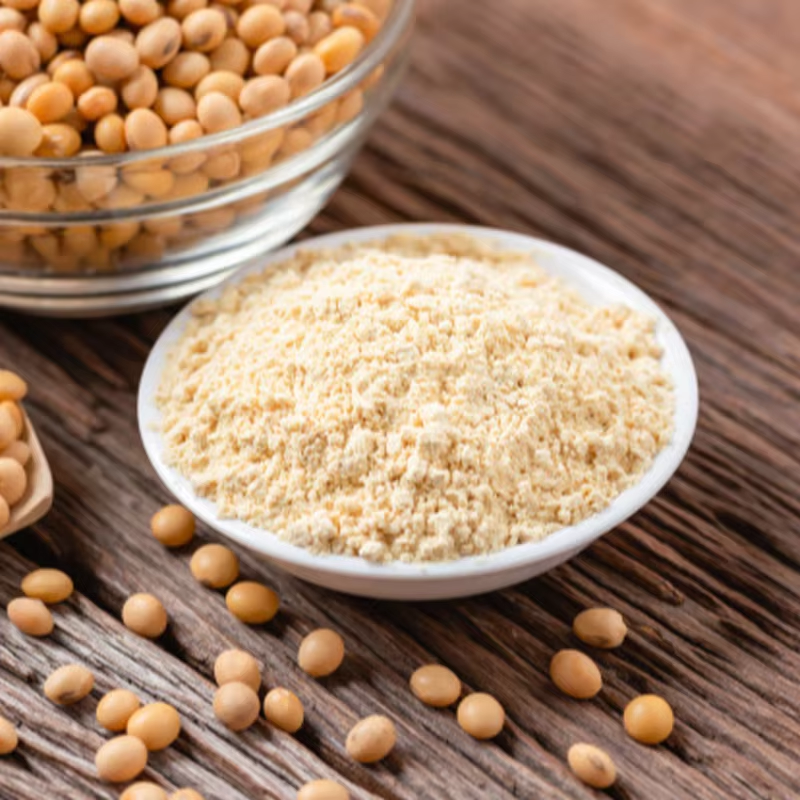
Soy lecithin has become one of the most strategically important functional ingredients for food, pharmaceutical, and industrial manufacturers across Egypt. Whether your business operates in confectionery, bakery, dairy, chocolate, margarine, beverage emulsions, nutraceuticals, or even technical applications such as paints and coatings, the quality and reliability of your soy lecithin supplier directly affects your product consistency, production efficiency, and regulatory compliance. This is exactly why many manufacturers now look for partners who offer more than shipment and pricing—they look for suppliers who understand industrial realities.
In our experience working with factories of different sizes, the choice of a reliable soy lecithin supplier in Egypt has a tangible effect on production stability. Manufacturers want traceable sourcing, predictable lead times, clean-label documentation, and lecithin grades that perform consistently batch after batch. This article explores everything you need to know to help your procurement team make the right choice, while also showing how companies like MT Royal support manufacturers by supplying lecithin that meets international quality standards at competitive industrial pricing.
What Exactly Is Soy Lecithin? A Practical Technical Overview
Soy lecithin is a natural phospholipid extracted from soybean oil during the degumming stage. It contains phosphatidylcholine, phosphatidylethanolamine, phosphatidylinositol, and other minor lipids that act as powerful emulsifiers, dispersants, and stabilizers.
From a manufacturing perspective, soy lecithin’s real value lies in three functional properties:
1. Emulsification
It helps water and oil stay mixed, producing a stable texture in chocolates, baked goods, margarine, beverages, and instant products.
2. Wetting and Dispersion
It improves the incorporation of powders, reduces mixing time, and enhances uniformity—particularly important for bakery mixes, dairy powders, cocoa products, and beverage bases.
3. Viscosity Reduction
In chocolate and confectionery factories, lecithin can replace a portion of cocoa butter, allowing smoother flow and significant cost savings without compromising flavor.
Manufacturers in Egypt commonly request soy lecithin in three primary forms:
- Liquid soy lecithin (standard or deoiled)
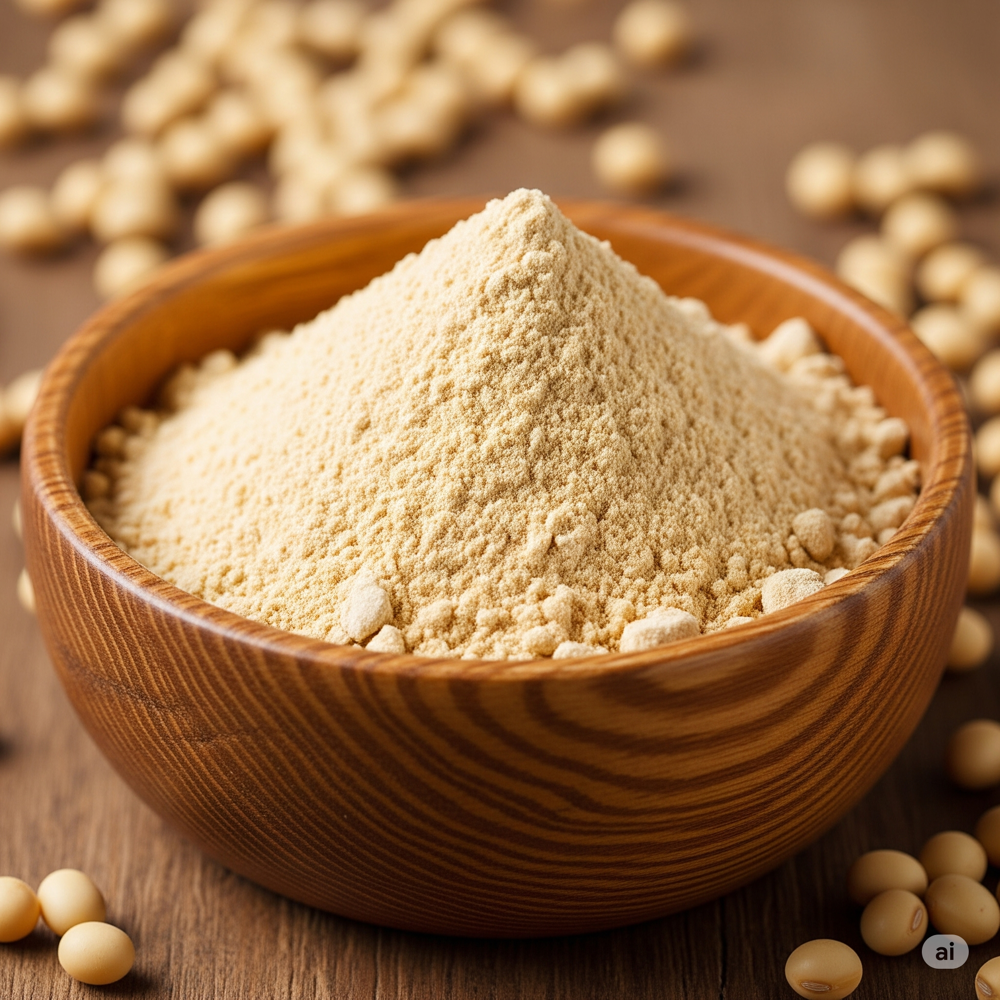
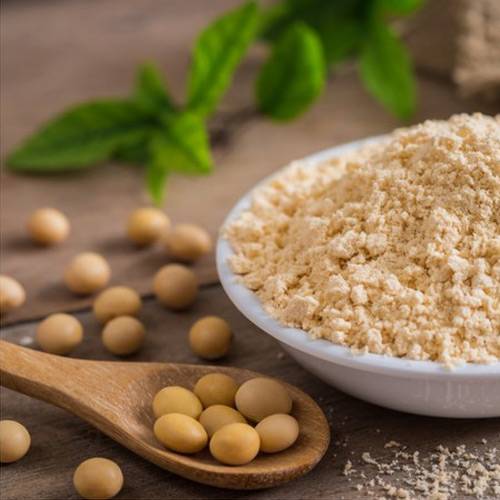
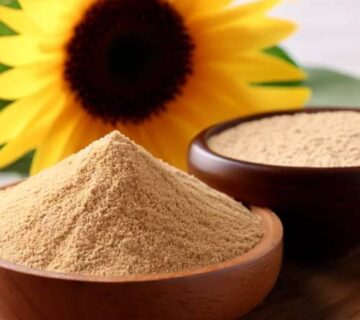
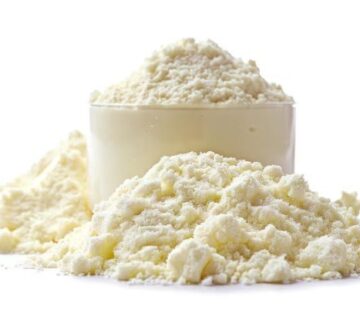
- Powder soy lecithin
- Granular soy lecithin
All three forms have different industrial uses, performance levels, and price brackets. A good supplier must understand these nuances and guide companies to the right grade based on their process—not merely based on cost-per-ton.
Why Egyptian Manufacturers Depend on High-Quality Soy Lecithin
The Egyptian industrial sector has grown rapidly, especially in food processing and export-oriented manufacturing. This expansion has created a sharp need for stable functional ingredients. For procurement managers and quality teams, lecithin is one of the few ingredients that connects processing efficiency, product texture, shelf stability, and even energy savings.
Key Benefits for Large-Scale Producers
- Reduced production waste due to better mixing and dispersion.
- Improved batch consistency, especially in sensitive products like chocolate coatings, dairy powders, and instant beverages.
- Cost optimization, where lecithin improves flow properties and reduces the need for more expensive fats.
- Cleaner labeling, as lecithin is widely accepted as a natural emulsifier.
- Improved shelf stability due to slower oxidation and phase separation.
- Better processability for high-viscosity formulations.
Factories in Egypt that export to Europe or the Gulf also rely on suppliers who can provide complete documentation such as COA, MSDS, allergen sheets, non-GMO declarations, and Halal certificates. This is where MT Royal has become a trusted partner—we’ve observed how proper documentation removes bottlenecks during audits and international shipments.
Common Mistakes Egyptian Manufacturers Make When Sourcing Soy Lecithin
Despite the widespread use of soy lecithin, many procurement teams face challenges that increase costs or reduce product performance. Below are frequent mistakes we’ve seen while working with factories across the region.
1. Prioritizing Price Over Performance
Many manufacturers assume soy lecithin is a commodity product with identical quality across suppliers. In reality, different extraction methods, refining levels, and moisture content can dramatically affect performance. Cheaper lecithin often results in inconsistent emulsification or flavor issues.
2. Ignoring Traceability and Documentation
Some suppliers fail to provide updated international certificates or transparent sourcing. This becomes a major risk for export-oriented factories that undergo strict inspections.
3. Not Choosing the Right Lecithin Form
A factory producing instant drink powders may mistakenly choose liquid lecithin, leading to handling complications. Powder or granular forms would perform better with fewer processing adjustments.
4. Overlooking Heavy Metal and Solvent Limits
High-quality suppliers should provide verified testing for hexane residues and metal contaminants. Failure here may lead to food safety violations.
5. Not Testing Small Batches Before Full Adoption
Pilot tests help determine how lecithin interacts with your exact formulation. Yet many factories skip this step, which can lead to wastage and inconsistent results.
When suppliers like MT Royal work with manufacturers, we encourage process-specific guidance because poor sourcing decisions cost far more than the difference in price per ton.
Types of Soy Lecithin and How Each Serves Different Industrial Applications
This section helps your technical and procurement teams understand which grade of soy lecithin is right for each industrial use in Egypt.
1. Liquid Soy Lecithin
Best for: chocolate, confectionery, bakery, margarine, oils, dairy applications.
Advantages: cost-effective, strong emulsification, viscosity reduction.
Notes: requires specialized pumps and heated lines in some facilities.
2. Deoiled Soy Lecithin (Powder)
Best for: instant powders, pharmaceuticals, beverage mixes, nutraceuticals.
Advantages: higher phospholipid concentration, improved flow, better dispersibility.
Notes: more expensive but superior for dry formulations.
3. Granular Soy Lecithin
Best for: bakery premixes, nutraceutical capsules, dietary supplements.
Advantages: easier handling than powder, more stable during storage.
Notes: ideal for factories looking to reduce dust formation.
Many Egyptian manufacturers are now shifting to deoiled lecithin for premium food products, clean-label formulations, and export-oriented manufacturing. Suppliers with diverse lecithin sourcing—such as MT Royal—can provide multiple grades tailored to production constraints.
Industry-Specific Applications: How Egyptian Factories Use Soy Lecithin
Below is a closer look at how lecithin enhances major industrial sectors in Egypt.
Food Industry
Chocolate and Confectionery
Soy lecithin reduces viscosity, improves flow properties, and allows partial replacement of cocoa butter—saving substantial production costs.
Bakery and Pastry
It improves dough machinability, enhances volume, stabilizes fats, and prevents staling.
Dairy and Ice Cream
Lecithin assists in fat dispersion, smoother mouthfeel, and improved stability for high-fat mixes.
Margarine and Spreads
Acts as a stabilizer and anti-spattering agent.
Beverages and Instant Products
Deoiled lecithin improves instant powder dissolution, an essential feature for Egyptian producers exporting to Gulf countries where consumer expectations for solubility are high.
Nutraceuticals and Pharmaceuticals
Highly purified lecithin powders support encapsulation, controlled release, and enhanced bioavailability.
Industrial and Technical Uses
In paints, coatings, and animal feed, lecithin acts as a dispersant and lubricant, improving process efficiency.
Key Trends in Global Soy Lecithin Supply That Affect Egypt
To assist procurement teams in strategic planning, here are some relevant supply-chain trends:
1. Increasing Demand for Non-GMO Lecithin
Many Egyptian exporters supplying European markets now require non-GMO lecithin. This shift affects global pricing and availability.
2. Supply Chain Volatility
Weather patterns, crop yields, and geopolitical conditions influence soy markets. A supplier with multiple sourcing origins becomes more valuable.
3. Growth in Clean Label Products
Manufacturers are using lecithin for its natural positioning, replacing synthetic emulsifiers.
4. Rising Technical Standards
Facilities with advanced refining technology are producing lecithin with lower impurities and more consistent performance.
We’ve observed that Egyptian factories planning for export certification benefit greatly from early alignment with suppliers who understand these global shifts.
Frequently Asked Questions from Egyptian Factory Managers
Is soy lecithin safe for all food applications?
Yes, when supplied from reputable international manufacturers with proper certification. It is widely approved by global regulatory agencies.
How much lecithin should we use in chocolate production?
Most chocolate manufacturers use between 0.3% and 0.6%, but the exact dosage depends on viscosity targets and fat composition.
Does lecithin affect flavor?
High-quality lecithin should have minimal or neutral flavor impact. Low-quality grades can create off-notes.
What is the shelf life of soy lecithin?
Typically 24 months for liquid and 12–18 months for powder or granular forms when stored correctly.
Can soy lecithin replace sunflower lecithin?
In most cases yes, except when allergen restrictions or specific export requirements demand sunflower lecithin.
How a Reliable Soy Lecithin Supplier Strengthens Industrial Competitiveness in Egypt
The difference between a typical supplier and a strategic industrial partner becomes clear when you consider long-term production efficiency, product safety, and export-readiness. Suppliers like MT Royal have built their service around industrial realities—not just commodity trade. We’ve seen firsthand how consistent lecithin quality stabilizes production lines, reduces waste, and supports smoother audits.
Egypt’s manufacturing sector is becoming more competitive, and procurement teams who align with technically knowledgeable suppliers gain a noticeable advantage. Choosing the right soy lecithin supplier means improving your product quality, protecting your brand reputation, and ensuring long-term operational stability. For factories across Egypt, reliable sourcing is not just an ingredient decision—it’s a strategic investment in future growth.

No comment