

In the competitive industrial landscape of Jordan, selecting the right soy lecithin supplier is a decision that extends far beyond simple procurement. Lecithin, a naturally occurring phospholipid, plays a pivotal role in the functionality, stability, and quality of a wide array of products—from chocolate and bakery items to nutraceuticals, pharmaceuticals, and cosmetics. When sourced correctly, soy lecithin ensures your production lines operate smoothly, reduces waste, and enhances the consistency and shelf life of your products.
Many manufacturers in Jordan trust MT Royal for their soy lecithin supply because we deliver not just the ingredient, but also technical guidance, certification support, and consistent quality across batches. This article explores everything you need to know about sourcing, using, and optimizing soy lecithin in industrial applications, helping you make informed procurement decisions.
Understanding Soy Lecithin and Its Industrial Importance
Soy lecithin is extracted from soybeans and is rich in phospholipids such as phosphatidylcholine, phosphatidylinositol, and phosphatidylethanolamine. These molecules enable lecithin to act as a versatile emulsifier, dispersant, and stabilizer. In manufacturing, this translates to several critical functionalities:
- Emulsification: Maintaining uniform oil-in-water mixtures in chocolate, margarine, sauces, and dressings.
- Texture and mouthfeel enhancement: Improving consistency in bakery and confectionery products.
- Powder dispersal: Ensuring even distribution of dry ingredients in supplements and pharmaceutical formulations.
- Shelf-life stabilization: Preventing phase separation, rancidity, and quality degradation.
An illustrative example from a Jordanian chocolate manufacturer showed that switching to a COA-verified, industrial-grade soy lecithin resulted in smoother chocolate flow, reduced fat bloom, and fewer rejected batches during quality control. Such real-world impacts underscore that lecithin is far more than a simple additive—it is a functional backbone of many products.
Forms and Grades of Soy Lecithin
Industrial soy lecithin comes in liquid and powdered forms, each suited to specific production requirements:
Liquid Soy Lecithin
- High phospholipid concentration
- Excellent for chocolate, sauces, and liquid emulsions
- Requires controlled storage (cool, dark environment) to prevent oxidation
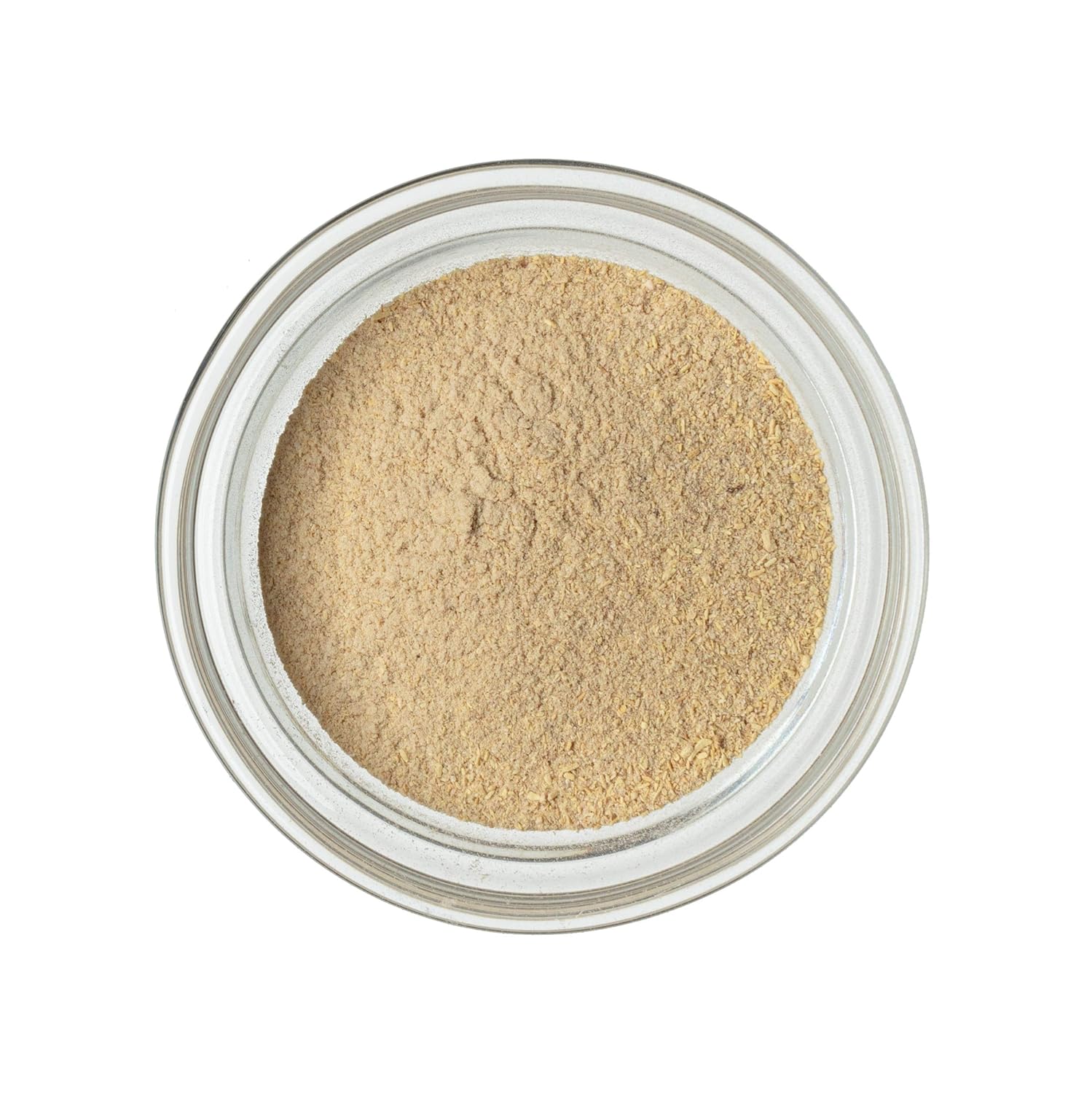
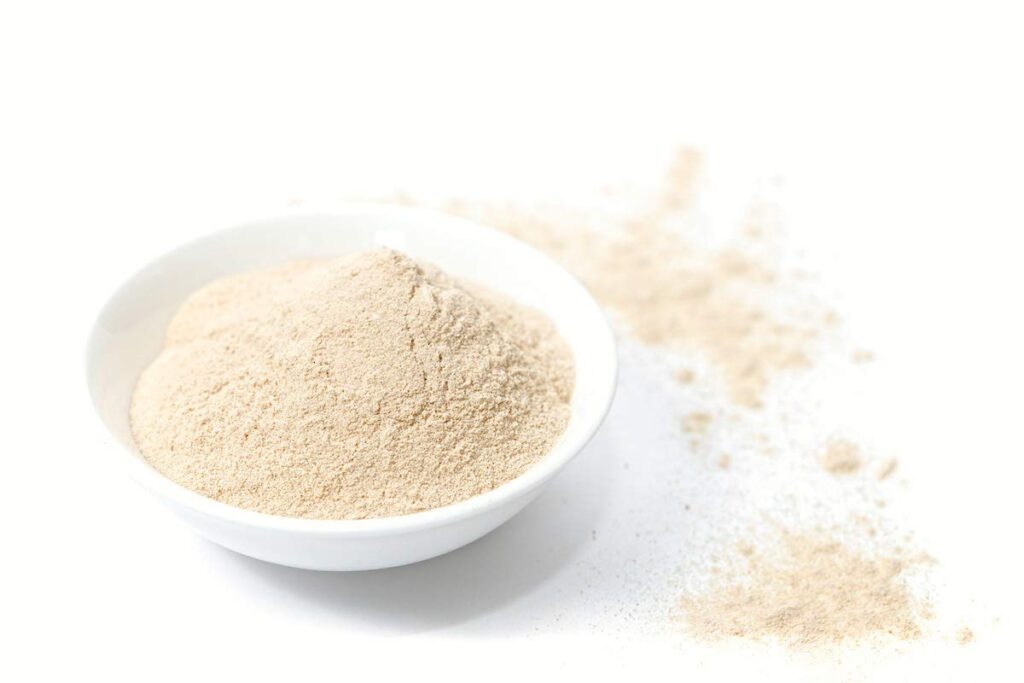
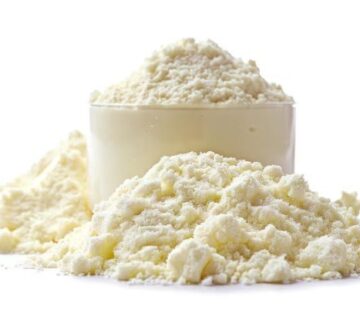
Powdered Soy Lecithin
- Spray-dried or granulated for easier handling
- Ideal for dry mixes, nutritional supplements, and bakery blends
- Longer shelf life and consistent dosing
We have observed that factories in Jordan often achieve higher process efficiency by aligning lecithin form with their specific production needs. For instance, liquid lecithin is preferred in continuous blending lines, while powdered lecithin simplifies integration into high-speed mixers for dry formulations.
Common Mistakes in Industrial Procurement of Soy Lecithin
Even experienced procurement teams sometimes fall into recurring pitfalls that affect production and product quality:
Mistake 1: Prioritizing Cost Over Quality
Opting for low-cost lecithin may seem financially attractive but often leads to inconsistent emulsification, higher moisture levels, and variable phospholipid content. The result is rework, product defects, and increased downtime.
Mistake 2: Overlooking Documentation
Certificates of Analysis (COA), Material Safety Data Sheets (MSDS), and quality certifications (ISO, HACCP) are crucial. Without these, factories risk regulatory non-compliance and potential rejection of export shipments.
Mistake 3: Neglecting Proper Storage
Improper storage can degrade lecithin quality: liquid forms may oxidize when exposed to heat or light, and powders may clump in humid conditions. Suppliers providing storage guidance and suitable packaging help preserve functional performance.
Mistake 4: Inadequate Supply Planning
Factories that do not forecast demand accurately may experience shortages or emergency orders, both of which disrupt production and increase costs. Strategic partnerships with reliable suppliers mitigate these risks.
Technical Considerations for Soy Lecithin in Manufacturing
Choosing the right soy lecithin grade is more than selecting liquid or powder—it requires careful attention to technical specifications:
- Phospholipid content: Higher content improves emulsification and stability.
- Moisture and free fatty acids: Excess moisture can lead to microbial growth, and high free fatty acids may accelerate rancidity.
- Batch-to-batch consistency: Ensures uniform product quality.
- Viscosity and solubility: Particularly important for chocolate and sauce applications.
For example, a bakery in Amman reported inconsistent dough handling when using a batch with slightly lower phospholipid content. Switching to a supplier offering verified batch consistency improved both process efficiency and product uniformity.
Industrial Applications and Case Insights
Food and Beverage
In chocolate production, soy lecithin reduces viscosity and improves tempering behavior. In bakery applications, it enhances dough elasticity, prolongs freshness, and improves texture. Beverages and sauces benefit from stable emulsions, preventing phase separation and sedimentation over time.
Nutraceuticals and Pharmaceuticals
Lecithin acts as a dispersant for powders and enhances bioavailability in capsules and tablets. Factories producing dietary supplements in Jordan often rely on supplier guidance to select the appropriate lecithin grade, dosage, and form for optimal performance.
Cosmetics and Personal Care
In creams and lotions, soy lecithin stabilizes emulsions, improves spreadability, and contributes to skin absorption. High-quality lecithin prevents phase separation during storage, ensuring product consistency.
Animal Feed
Lecithin enhances nutrient absorption, feed palatability, and stability during storage and transport. Industrial-grade soy lecithin ensures functional benefits without compromising nutritional quality.
Managing Large-Scale Production with Soy Lecithin
Scaling production requires careful consideration of ingredient performance and logistics:
- Blend uniformity: Proper lecithin selection ensures even dispersion in mixers and continuous lines.
- Storage logistics: Maintaining stable temperature and humidity conditions across multiple storage locations preserves quality.
- Supply continuity: A reliable supplier with local stock in Jordan reduces lead times and prevents production interruptions.
- Quality monitoring: Regular batch testing ensures consistent phospholipid content, moisture levels, and emulsifying performance.
We have seen factories in Jordan reduce batch failures and minimize waste simply by collaborating closely with MT Royal on storage protocols, dosage recommendations, and supplier logistics planning.
Frequently Asked Questions by Factory Managers in Jordan
Which soy lecithin form should I use?
Liquid lecithin is suitable for continuous emulsions and liquid recipes, while powdered lecithin excels in dry mixes and high-speed production lines. Always verify COA and consult your supplier about your process.
How should soy lecithin be stored?
Liquid lecithin requires cool, dark storage in sealed containers. Powdered lecithin should be stored in moisture-resistant, airtight packaging. FIFO inventory rotation ensures older batches are used first.
Can lecithin quality affect shelf life?
Yes, poor-quality lecithin can cause phase separation, rancidity, or textural inconsistencies. Consistent emulsifying properties improve stability and product appearance.
How do I manage procurement for large-scale production?
Forecast accurately, maintain buffer stock, and partner with suppliers experienced in industrial logistics. Advanced planning prevents shortages and reduces emergency orders.
Is there a difference between soy and sunflower lecithin?
Soy lecithin may contain GMO unless certified otherwise. It has a slightly different phospholipid profile compared to sunflower lecithin, which can affect emulsification speed and flavor impact.
Market Trends in Jordan
The demand for soy lecithin in Jordan is influenced by multiple factors:
- Growth in chocolate, bakery, and nutritional supplement production.
- Increasing awareness and preference for non-GMO products among health-conscious consumers.
- Regulatory and export requirements emphasizing documentation, traceability, and certification.
- Global soybean oil market fluctuations impacting availability and pricing.
Factories that align with a trusted supplier like MT Royal can navigate these trends, secure consistent supply, and maintain product quality.
Why MT Royal is a Reliable Soy Lecithin Supplier in Jordan
MT Royal provides more than a product; it offers a partnership. Factories benefit from:
- Verified high-quality liquid and powdered soy lecithin
- Technical guidance on emulsification, dosage, and process optimization
- Transparent pricing and local inventory in Jordan
- Full COA and documentation for regulatory compliance
We have collaborated with Jordanian manufacturers to optimize production efficiency, reduce rework, and ensure consistent product quality, demonstrating that a strategic supplier relationship is invaluable.
Strategic Takeaways for Manufacturers
Soy lecithin is a functional ingredient that impacts product texture, stability, and regulatory compliance. Manufacturers who evaluate quality, consistency, and technical support when selecting a supplier can reduce waste, enhance efficiency, and deliver higher-quality products. Treating lecithin procurement as a strategic decision rather than a routine purchase empowers your factory to achieve operational excellence and gain a competitive advantage in both local and export markets.

No comment