


In the fast-growing industrial landscape of Saudi Arabia, sourcing high-quality ingredients has become an essential strategic decision for food manufacturers, bakeries, confectioneries, nutraceutical producers, and cosmetic industries. Among these critical ingredients, soy lecithin plays a pivotal role due to its versatility, functional properties, and consistent performance across a wide range of industrial applications. For factories and large-scale producers, partnering with a trusted soy lecithin supplier in Saudi Arabia is not merely about buying an ingredient—it’s about ensuring production stability, superior product quality, and operational efficiency.
MT Royal has established itself as a reliable partner in the region by providing a broad portfolio of soy lecithin products tailored to industrial requirements. By combining competitive pricing, high-quality sourcing, and technical expertise, MT Royal helps manufacturers maintain product consistency, optimize production, and achieve scalability in demanding markets. We have observed through our collaborations with different industrial clients that even minor variations in lecithin quality can have a profound impact on emulsification, texture, and shelf-life, emphasizing the importance of selecting the right supplier.
This comprehensive guide is designed for industrial buyers, procurement managers, and production engineers seeking a deep understanding of soy lecithin sourcing in Saudi Arabia. It explains technical details, common pitfalls, industrial best practices, and practical tips to maximize value from your ingredient investments.
Understanding Soy Lecithin and Its Industrial Importance
Soy lecithin is a natural emulsifier derived from soybean oil. It contains a mixture of phospholipids, triglycerides, fatty acids, and other functional components that make it indispensable in food and non-food applications. Its primary industrial value lies in its ability to stabilize emulsions, improve texture, and enhance product shelf-life while maintaining a natural profile suitable for health-conscious markets.
Key Industrial Functions of Soy Lecithin
- Emulsification – Soy lecithin allows oil and water phases to blend smoothly, preventing separation in products like chocolates, spreads, and sauces.
- Texture Enhancement – It improves mouthfeel in bakery, confectionery, and dairy products, ensuring a consistent sensory experience.
- Moisture Retention – By binding water, lecithin extends product freshness and shelf-life, particularly in baked goods.
- Anti-caking Agent – In powdered blends and instant mixes, it prevents clumping, ensuring smooth flow during production.
- Release Agent – In bakery and chocolate molding, lecithin reduces sticking to equipment, minimizing waste.
Applications of Soy Lecithin in Saudi Arabian Industries
Food Manufacturing
Food producers widely use soy lecithin in chocolate, margarine, bakery, confectionery, and dairy applications. Its functional properties stabilize emulsions, enhance texture, and improve the appearance of finished products. Large-scale confectionery factories rely on consistent lecithin grades to ensure smooth chocolate flow during tempering and molding.
Nutraceuticals and Health Products
Protein powders, meal replacements, and functional beverages often require lecithin for proper dispersion and homogeneity. Low-odor, high-purity lecithin ensures optimal solubility and nutrient delivery.
Cosmetics and Personal Care
Lecithin functions as an emulsifier, moisturizer, and stabilizer in creams, lotions, and hair-care formulations. Its natural origin and skin-compatible properties make it highly sought after by cosmetic manufacturers in Saudi Arabia.
Pharmaceutical Industry
In pharmaceutical formulations, lecithin is used in capsules, drug emulsions, and lipid-based delivery systems. Consistent phospholipid content is critical to ensuring drug efficacy and stability.
Selecting a Reliable Soy Lecithin Supplier in Saudi Arabia
When evaluating suppliers, manufacturers need to consider more than just price. The right partner should provide technical expertise, consistent product quality, and reliable logistics. Here are key factors for selection:
1. Product Quality and Technical Specifications
Soy lecithin comes in several forms: liquid, powder, and granulated. The selection depends on your specific application:
- Liquid Lecithin – Ideal for chocolate, spreads, and bakery production where solubility and emulsification are critical.
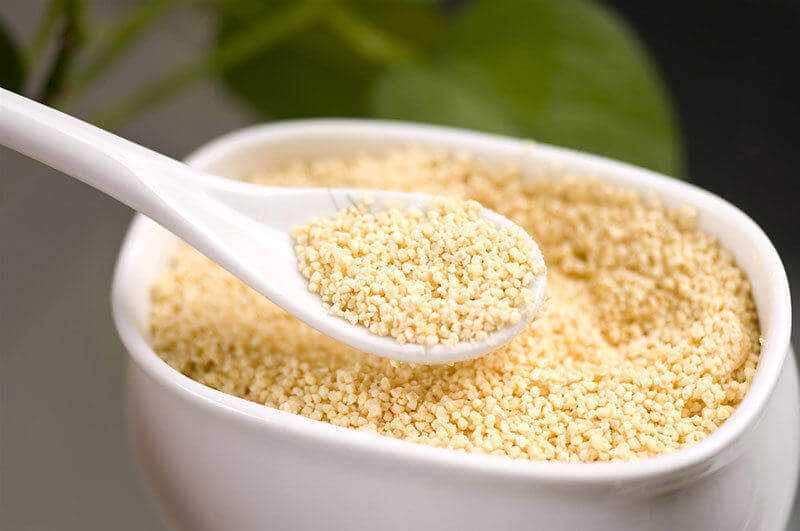
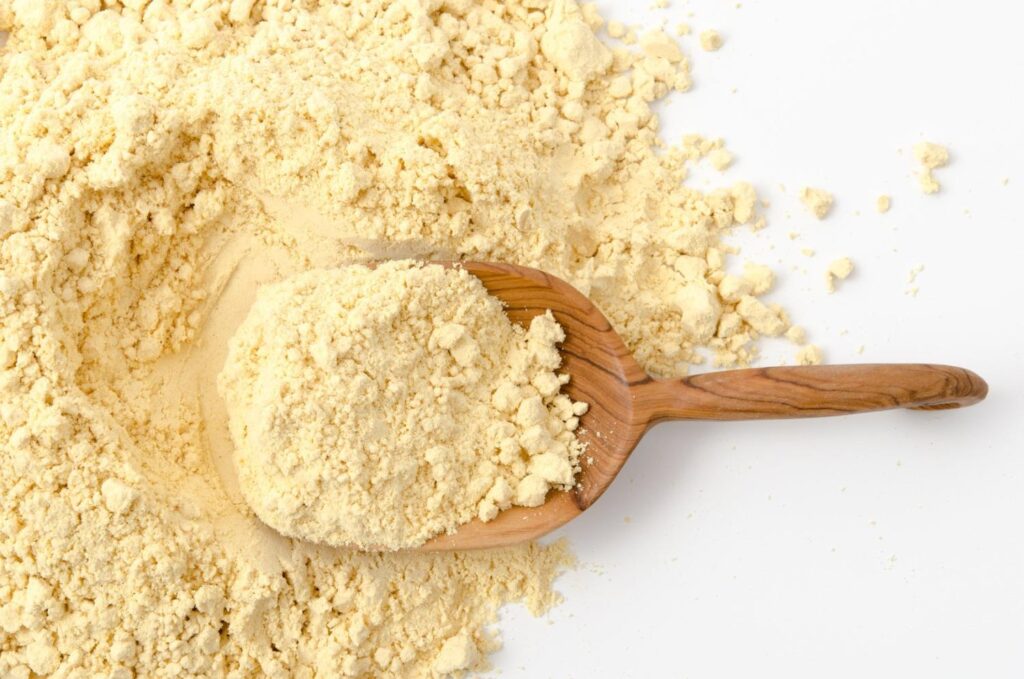
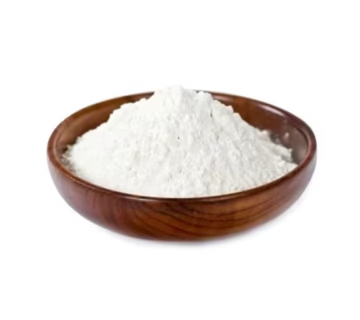
- Powdered Lecithin – Preferred for dry blends, powdered beverages, and bakery mixes where flowability is essential.
- Non-GMO vs. Conventional – Saudi manufacturers often require non-GMO lecithin due to regulatory or consumer preferences.
A dependable supplier provides detailed certificates of analysis (COA), specifying phospholipid content, moisture, pH, and heavy metal compliance.
2. Consistency Across Batches
We have observed that batch-to-batch variation in lecithin can disrupt production, causing inconsistent viscosity, poor chocolate tempering, or reduced emulsion stability. A trusted supplier maintains consistent manufacturing processes and quality control standards.
3. Supply Chain Reliability
Delays in lecithin delivery can halt production lines. A supplier with stable inventory, flexible logistics, and regional distribution capacity ensures timely supply for continuous operations.
4. Technical Support and Industry Expertise
A supplier should advise on proper lecithin grade selection, dosage, and processing adjustments. MT Royal, for instance, assists clients with functional trials and product integration recommendations, helping manufacturers optimize efficiency and product quality.
5. Regulatory Compliance
Saudi Arabian regulatory requirements mandate adherence to food safety and labeling standards. Suppliers must provide documentation proving compliance with local food safety authorities, as well as international standards like ISO, HACCP, and Kosher or Halal certifications.
Common Mistakes in Industrial Soy Lecithin Sourcing
Industrial buyers often make errors that affect production quality and operational efficiency:
- Selecting Solely Based on Price – Lower cost may indicate variable phospholipid content or impurities.
- Ignoring Form and Dosage Requirements – Using the wrong lecithin form for a process can lead to poor emulsification or texture defects.
- Overlooking Regulatory Standards – Suppliers without proper compliance documentation can create legal and safety risks.
- Neglecting Batch Testing – Without routine quality checks, inconsistent batches can disrupt production.
- Underestimating Storage Conditions – Lecithin is sensitive to temperature and moisture; improper storage can lead to spoilage or reduced functionality.
Technical Insights for Manufacturers
Understanding the technical nuances of soy lecithin ensures optimal performance:
Phospholipid Content
High phospholipid content improves emulsifying ability and stabilizes oil-in-water systems. Industrial-grade lecithin typically contains 60–70% phospholipids, but food and cosmetic applications may require specialized grades.
Viscosity
Liquid lecithin viscosity affects blending efficiency. For chocolate manufacturing, correct viscosity ensures uniform mixing and proper flow during molding.
Moisture and Water Activity
Low moisture prevents microbial growth and extends shelf life. Proper storage and handling are essential in Saudi Arabia’s hot climate.
Particle Size (for Powdered Lecithin)
Smaller, uniform particles improve dispersion in dry blends and powdered formulations, preventing caking and ensuring smooth production flow.
Best Practices for Large-Scale Manufacturing
- Pre-blending Trials – Test lecithin in pilot batches to determine optimal concentration for desired texture and emulsification.
- Inventory Planning – Maintain safety stock to avoid production interruptions.
- Temperature Control – Store liquid lecithin at recommended temperatures to maintain viscosity and functionality.
- Supplier Collaboration – Work with technical representatives to troubleshoot challenges and improve formulation efficiency.
By applying these practices, manufacturers ensure stable production and high-quality output.
Frequently Asked Questions by Industrial Buyers in Saudi Arabia
Q1: Can soy lecithin be used in non-food applications?
Yes, it is widely used in cosmetics, pharmaceuticals, and industrial formulations for its emulsifying and stabilizing properties.
Q2: What is the difference between liquid and powdered lecithin?
Liquid lecithin is preferred for wet processes like chocolate or spreads, while powdered lecithin suits dry mixes and instant formulations.
Q3: Is non-GMO lecithin mandatory?
While not legally mandatory for all products, many manufacturers in Saudi Arabia prefer non-GMO for consumer acceptance and export compliance.
Q4: What is the typical dosage in chocolate production?
Usually 0.3–0.5% by weight, depending on viscosity and flow requirements.
Q5: How does lecithin affect bakery products?
It improves dough conditioning, moisture retention, texture, and shelf-life, especially in bread and pastry production.
Why MT Royal Is the Trusted Partner for Soy Lecithin in Saudi Arabia
MT Royal provides a combination of competitive pricing, reliable stock, technical expertise, and regional distribution that makes it an ideal partner for manufacturers. Their approach is consultative, not transactional, ensuring that clients receive:
- Grade recommendations for specific applications
- Timely delivery to prevent production disruption
- Technical support for process integration
- Compliance with Saudi and international standards
We have seen factories reduce production variability and optimize formulations significantly by partnering with MT Royal for their lecithin needs. This highlights the value of a supplier who understands both the ingredient and the industrial environment.
Strategic Takeaway for Manufacturers
The Saudi Arabian manufacturing landscape is competitive. Selecting the right soy lecithin supplier ensures product consistency, process efficiency, and regulatory compliance. By focusing on quality, technical support, and reliable logistics, manufacturers can achieve superior product performance and reduce operational risks.
Lecithin is not just an additive—it is a critical functional ingredient that impacts texture, stability, and shelf-life. A well-informed sourcing strategy, combined with a reliable supplier like MT Royal, gives industrial buyers a tangible advantage in both production efficiency and product quality.

No comment