

In today’s competitive food and industrial markets, the quality and reliability of raw materials can define the success of a business. Soybean oil, as a versatile and widely used vegetable oil, plays a crucial role across food processing, bakery, confectionery, and industrial applications. For Afghan manufacturers and distributors, securing a consistent, high-quality supply of soybean oil is not merely a procurement task—it is a strategic decision that directly affects product quality, operational efficiency, and market competitiveness. MT Royal has emerged as a trusted supplier, offering premium soybean oil with reliable logistics and technical support. In this article, we provide a comprehensive guide for sourcing soybean oil in Afghanistan, covering everything from basic concepts and supplier selection to industrial practices and frequently asked questions, all enriched with insights from MT Royal’s extensive experience in the sector.
Understanding Soybean Oil: Definition and Key Concepts
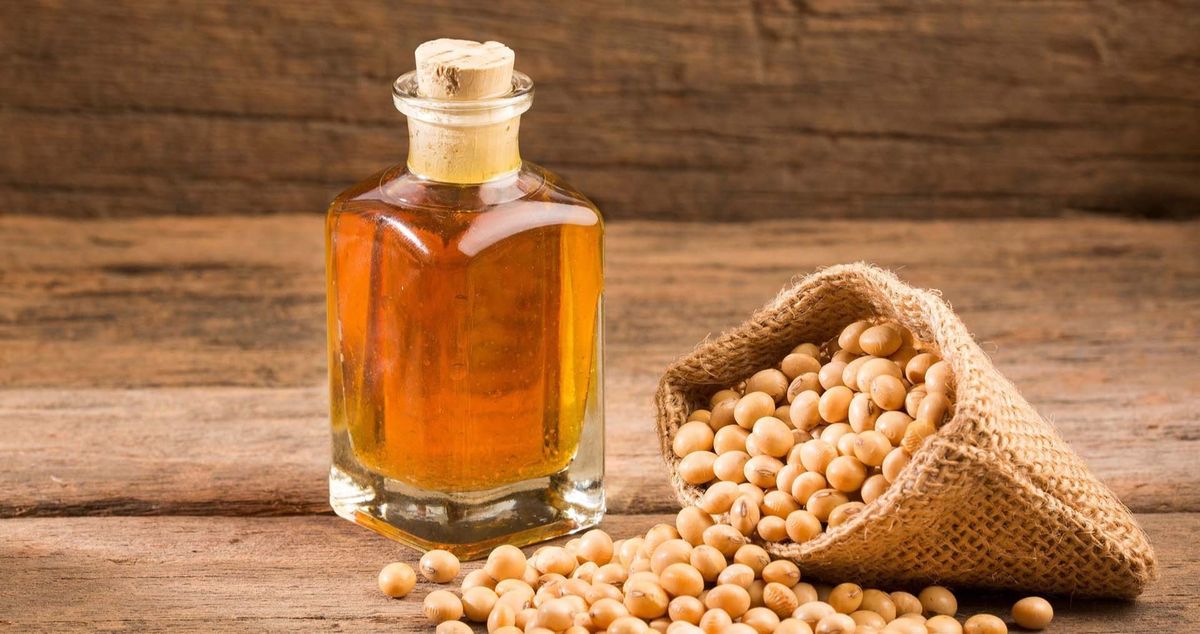
Soybean oil is extracted from the seeds of the soybean plant, containing a balanced profile of polyunsaturated and monounsaturated fatty acids. Its properties make it highly valued for frying, baking, salad dressings, margarine production, and even non-food industrial applications like cosmetics and biodiesel.
Key factors affecting the quality of soybean oil include:
- Fatty Acid Composition: Determines stability, flavor, and suitability for specific processes.
- Refining Method: Cold-pressed or refined oils differ in purity, color, and shelf life.
- Purity and Additives: Industrial-grade oils may include antioxidants or be free from impurities to meet different regulatory standards.
Choosing the right soybean oil for your production line impacts texture, flavor, and shelf life, making supplier selection critical.
latamarko alkalized cocoa powder lm60
cocoa powder for chocolate production-Best price
Food industry raw materials – list of products
Types of Gelatin from Turkish Manufacturer
Alkalized Cocoa Powder Bulk Supplier
Common Mistakes in Industrial Soybean Oil Procurement
Even experienced manufacturers sometimes face pitfalls when sourcing soybean oil. Common errors include:
- Neglecting Supplier Reliability: Low-cost suppliers may offer inconsistent quality, leading to production inefficiencies and product defects.
- Overlooking Storage Requirements: Soybean oil is sensitive to temperature and light, which can cause oxidation and rancidity.
- Ignoring Regulatory Compliance: Ensuring the oil meets local and international food safety standards is essential for both domestic and export markets.
- Underestimating Volume Forecasting: Poor demand planning can result in stockouts or excessive inventory, increasing operational costs.
By learning from these mistakes, Afghan manufacturers can protect product integrity and optimize costs.
Supplier Selection: Why MT Royal Stands Out
Selecting a trusted supplier is more than a transactional decision; it is a partnership that supports consistent production and market competitiveness. MT Royal provides:
- High-Quality Soybean Oil: Carefully sourced and refined to meet industrial standards.
- Reliable Supply Chains: Ensuring timely delivery even for large-scale operations.
- Technical Support: Guidance on storage, blending, and quality testing.
- Competitive Pricing: Balancing cost efficiency without compromising on quality.
We have observed that manufacturers who collaborate with experienced suppliers like MT Royal enjoy fewer disruptions, higher product consistency, and improved customer satisfaction.

Industrial Tips for Large-Scale Soybean Oil Usage
Optimizing soybean oil in production requires attention to handling, storage, and processing techniques:
- Storage Recommendations: Keep soybean oil in cool, dark, and dry environments. Use sealed containers to minimize exposure to air, moisture, and light.
- Handling Practices: Avoid cross-contamination by using clean equipment and designated containers. This preserves oil quality and prevents flavor alteration.
- Process Optimization: Proper blending and temperature control ensure uniform texture and color in finished products.
- Inventory Management: Forecast demand accurately and maintain safety stock levels to avoid disruptions, while minimizing waste due to oil degradation.
These practices help Afghan manufacturers maintain consistent quality and operational efficiency.
Soybean Oil in Different Industrial Applications
- Food Industry: Frying oils, margarine, salad dressings, baked goods.
- Confectionery: Enhances texture, shelf life, and mouthfeel of chocolate, candies, and fillings.
- Beverage and Dairy: Acts as a carrier for flavor and improves emulsion stability.
- Non-Food Industrial Uses: Cosmetics, soaps, and biodiesel production benefit from its natural properties.
Understanding application-specific requirements allows manufacturers to select the appropriate grade and processing method, optimizing both cost and product quality.
Frequently Asked Questions by Afghan Manufacturers
- What grade of soybean oil should I use for frying versus baking?
High-oleic soybean oil provides better oxidative stability for frying, while standard refined oil is sufficient for baking. - How long can soybean oil be stored safely?
When stored in cool, dark conditions and in airtight containers, refined soybean oil can last up to 12 months. - Can MT Royal provide technical support for blending soybean oil with other vegetable oils?
Yes, MT Royal offers guidance for creating specific blends to meet your product formulation needs. - What certifications should I look for?
Ensure the oil meets ISO, HACCP, or local food safety standards relevant to your application.
Conclusion
Soybean oil is more than just a raw material; it is a cornerstone ingredient that influences the quality, consistency, and performance of a wide range of products in Afghanistan’s food, beverage, and industrial sectors. The selection of a reliable supplier is a critical decision that goes beyond price considerations—it directly impacts production efficiency, product integrity, and long-term market competitiveness. Partnering with a trusted supplier like MT Royal provides Afghan manufacturers and distributors with multiple advantages: access to premium, industrial-grade soybean oil, expert technical guidance on blending and application, and a stable, dependable supply chain that minimizes operational disruptions.
Moreover, informed decisions regarding product grade, storage practices, and inventory management are essential for maintaining consistent quality and reducing waste. Proper handling ensures that the oil retains its desired properties, such as flavor stability, color, and oxidative resistance, which are vital for high-end food products as well as industrial formulations. By integrating these practices, businesses can optimize costs, improve production efficiency, and strengthen brand reputation in the marketplace.
Ultimately, a dependable supplier is not merely a source of raw materials—it becomes a strategic partner that contributes to innovation, operational excellence, and sustainable business growth. For Afghan manufacturers seeking to stay competitive and deliver superior products, aligning with MT Royal represents a forward-looking approach to building resilience, efficiency, and leadership in the industry.




No comment