

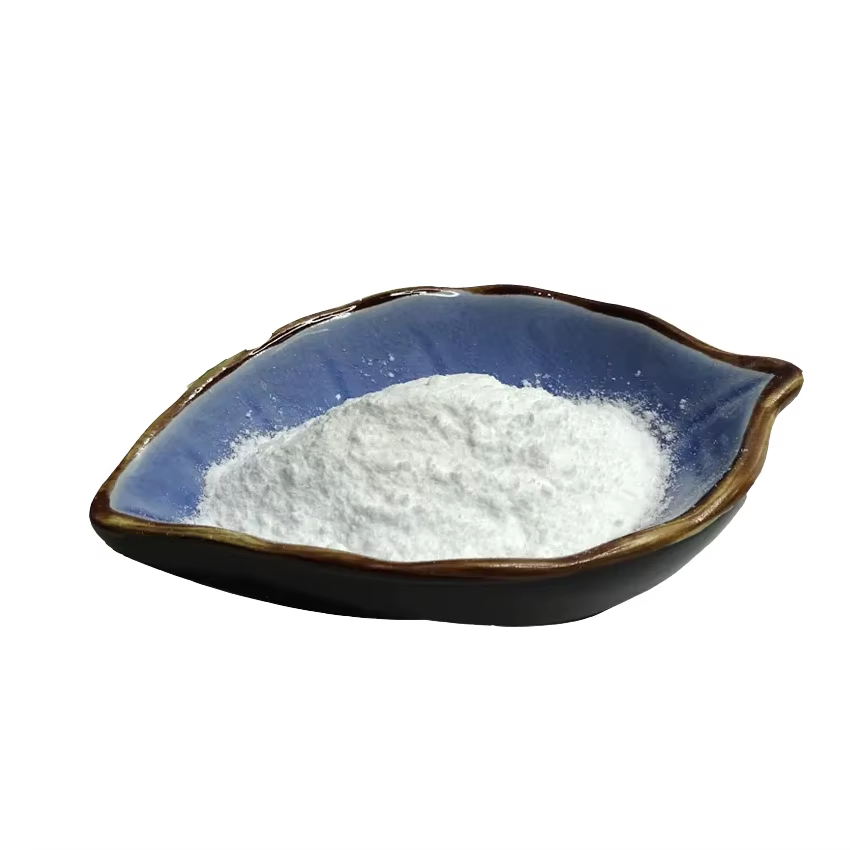
If your factory produces chewable tablets, direct-compression pharmaceuticals, sugar-free confectionery, or specialty powdered formulations, selecting the right Spray-Dried Sorbitol Powder Supplier is far more than a routine procurement decision. The particle structure, compressibility, and moisture behavior of spray-dried sorbitol directly influence production speed, tablet hardness, dissolution performance, and ultimately product quality. Many manufacturers realize this only after experiencing inconsistent compression results or unexpected processing downtime.
This is precisely why experienced procurement teams often prefer sourcing through established distributors such as MT Royal, where multiple international brands, competitive pricing, and reliable supply chains reduce operational uncertainty. When you secure a stable supply of high-quality spray-dried sorbitol, your manufacturing environment becomes more predictable, efficient, and scalable.
Spray-dried sorbitol is not simply another polyol. It is a highly engineered functional ingredient designed to improve powder flow, compressibility, and uniformity. Understanding its characteristics, sourcing considerations, and industrial applications can help your factory achieve measurable performance improvements.
Shandong Luwei Sorbitol Supplier
What Is Spray-Dried Sorbitol Powder? Industrial Definition and Core Concepts
Spray-dried sorbitol powder is produced by atomizing liquid sorbitol solution into a hot air stream, rapidly evaporating moisture and forming porous, spherical particles with controlled size distribution. This process creates a powder with superior flowability, compressibility, and low dust formation compared to conventional crystalline sorbitol.
Chemically, sorbitol is a sugar alcohol (polyol) derived from glucose through hydrogenation. However, the spray-drying process significantly modifies its physical characteristics, making it particularly suitable for applications requiring direct compression and rapid dissolution.
Key physical characteristics include:
- Porous particle structure
- Excellent flowability
- High compressibility
- Uniform particle size distribution
- Low hygroscopic behavior compared to standard powders
- Improved blending uniformity
These features explain why spray-dried sorbitol is widely used in pharmaceutical excipients, nutraceutical tablets, and specialty food formulations.
Why Manufacturers Prefer Spray-Dried Sorbitol Over Conventional Grades
Factories choosing a Spray-Dried Sorbitol Powder Supplier are often seeking improvements in production efficiency and formulation performance rather than simply replacing a sweetener.
From an industrial perspective, spray-dried sorbitol provides several operational advantages:
- Faster tablet compression with reduced machine wear
- Improved powder flow through hoppers and feeders
- More uniform blending with active ingredients
- Reduced dust generation during handling
- Enhanced dissolution characteristics
- Consistent bulk density for accurate dosing
In our collaboration with various factories, we have seen that switching to spray-dried sorbitol can reduce compression force requirements while maintaining tablet hardness, which translates into higher throughput and lower equipment stress.
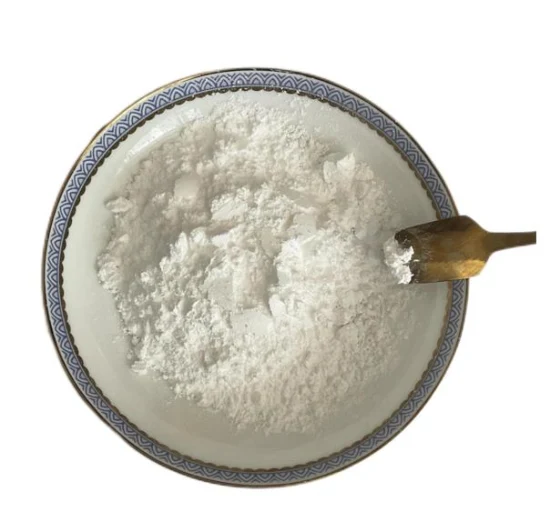
Technical Specifications Procurement Teams Should Evaluate
Selecting the right supplier requires careful attention to technical parameters that influence performance in manufacturing environments.
Below is a typical specification overview:
| Parameter | Typical Range | Industrial Importance |
|---|---|---|
| Sorbitol Content | ≥ 98% | Determines purity and sweetness |
| Moisture Content | 1–2% | Affects stability and flow |
| Particle Size Distribution | Controlled | Influences compressibility |
| Bulk Density | Defined range | Impacts dosing accuracy |
| Flowability Index | High | Supports automated systems |
| pH Value | Neutral | Compatibility with actives |
| Heavy Metals | Low limits | Regulatory compliance |
Reliable suppliers provide Certificates of Analysis, technical data sheets, and validation documentation for every batch.
Major Industrial Applications of Spray-Dried Sorbitol Powder
Pharmaceutical Manufacturing
Spray-dried sorbitol is particularly valuable in pharmaceutical applications because of its direct compression properties.
Common uses include:
- Chewable tablets where pleasant mouthfeel and sweetness are essential.
- Direct compression excipient systems that eliminate granulation steps.
- Carrier for active pharmaceutical ingredients requiring uniform distribution.
- Fast-dissolving tablet formulations designed for rapid release.
Because of its non-cariogenic nature, it is frequently used in pediatric and dental products.
Nutraceutical and Dietary Supplement Production
Nutraceutical manufacturers benefit from:
- Improved tablet stability
- Reduced friability
- Enhanced taste masking
- Consistent dosing performance
These factors are especially important in high-volume supplement production.
Food and Confectionery Industry
In food processing, spray-dried sorbitol is used in:
- Sugar-free chewing gum
- Powdered beverages
- Functional confectionery
- Diabetic-friendly products
- Instant dessert mixes
Its ability to dissolve quickly and maintain texture consistency improves consumer experience.
Personal Care and Oral Hygiene Products
Oral care formulations use spray-dried sorbitol for:
- Toothpaste powders
- Breath fresheners
- Dental tablets
- Cosmetic powders
Its smooth mouthfeel and moisture retention characteristics are particularly valuable.
Advantages of Working with a Professional Spray-Dried Sorbitol Powder Supplier
A reliable supplier contributes to operational stability beyond simply delivering material.
Important benefits include:
- Access to multiple production brands, enabling procurement flexibility and cost optimization across market cycles.
- Consistent particle engineering that ensures predictable manufacturing performance.
- Flexible packaging formats tailored to factory consumption patterns and automation systems.
- Export logistics expertise that minimizes transportation risks and delivery delays.
- Technical documentation support for regulatory compliance across international markets.
We often observe that manufacturers partnering with experienced suppliers encounter fewer production interruptions and quality deviations.
Common Mistakes When Sourcing Spray-Dried Sorbitol
Even experienced procurement teams sometimes overlook critical factors when selecting suppliers.
One frequent mistake is evaluating suppliers based only on price per kilogram. Lower-cost material may exhibit inconsistent particle structure, leading to compression problems or blending inefficiencies.
Another issue involves inadequate validation testing. Switching suppliers without pilot trials can introduce unexpected formulation behavior.
Storage considerations are also frequently underestimated. While spray-dried sorbitol is less hygroscopic than some powders, humidity exposure can still affect flowability.
Finally, insufficient supplier qualification—such as missing audits or incomplete documentation—can create regulatory risks.
Spray-Dried vs Crystalline Sorbitol: Practical Comparison
Manufacturers often compare spray-dried sorbitol with crystalline sorbitol to determine the best fit for production requirements.
Spray-dried sorbitol advantages:
- Superior compressibility
- Better flow characteristics
- Reduced dust formation
- Faster dissolution
- Enhanced uniformity
Crystalline sorbitol advantages:
- Lower cost in some markets
- Higher density for transport efficiency
- Suitable for non-compression applications
Choosing between them depends on manufacturing objectives rather than price alone.
Packaging Options for Industrial Use
Packaging selection influences logistics efficiency and material handling performance.
| Packaging Format | Typical Size | Best For |
|---|---|---|
| Multi-layer bags | 25 kg | Flexible consumption |
| Jumbo bags (FIBC) | 500–1000 kg | High-volume production |
| Bulk containers | Custom | Continuous manufacturing |
Moisture-resistant packaging is essential to maintain powder integrity during transport and storage.
Specialized Industrial Tips for Large-Scale Production
Powder Flow Optimization
Using hopper vibration systems or flow aids can further improve feeding consistency in automated lines.
Compression Force Calibration
Optimizing compression parameters can reduce equipment wear while maintaining tablet quality.
Environmental Control
Maintaining controlled humidity environments prevents clumping and preserves flowability.
Pre-Blending Techniques
Pre-mixing sorbitol with minor ingredients can enhance uniform distribution and reduce segregation risks.
Equipment Maintenance
Regular inspection of feeders and compression tools ensures consistent production performance.
In our experience, small process adjustments combined with high-quality spray-dried sorbitol can significantly improve throughput without major capital investment.
Regulatory and Certification Considerations
Depending on your industry, documentation requirements may include:
- Pharmaceutical excipient compliance
- Food safety certifications
- Halal or kosher certification
- Non-GMO declarations
- ISO quality management standards
- Allergen statements
- Country of origin certificates
Reliable suppliers maintain updated documentation to support international compliance requirements.
Market Trends Influencing Spray-Dried Sorbitol Demand
Several global trends are driving increased demand:
- Growth of chewable and orally disintegrating tablets
- Rising sugar-free food consumption
- Expansion of nutraceutical markets
- Increasing demand for direct compression excipients
- Advances in functional food formulations
- Consumer preference for low-calorie sweeteners
Manufacturers securing stable sourcing relationships are better positioned to capitalize on these trends.
Frequently Asked Questions from Factory Managers
How should spray-dried sorbitol be stored?
Store in a cool, dry environment with sealed packaging to prevent moisture absorption.
What is the typical shelf life?
Usually two to three years under recommended storage conditions.
Does particle size affect compression?
Yes. Particle structure and size distribution significantly influence compressibility and tablet hardness.
Can spray-dried sorbitol replace other excipients?
In many cases, yes, but formulation trials are recommended to confirm performance.
How do I verify supplier reliability?
Request samples, review technical documentation, conduct audits, and evaluate supply history.
Strategic Value of Distributor Partnerships
Direct sourcing from manufacturers may appear economical, but distributors provide flexibility, risk mitigation, and technical support.
We advise factories to consider total operational impact rather than unit price alone. Reliable delivery schedules, alternative sourcing options, and documentation support often provide greater long-term value.
Suppliers offering multiple brands allow procurement teams to adapt quickly to market changes without disrupting production.
Long-Term Perspective for Manufacturing Success
Reliable ingredient sourcing is one of the most underestimated competitive advantages in industrial production. When your spray-dried sorbitol supply remains consistent, your formulation stability, equipment efficiency, and production predictability improve simultaneously.
Choosing the right Spray-Dried Sorbitol Powder Supplier is therefore not merely a purchasing decision—it is an investment in operational confidence. Factories that establish strong supplier relationships gain resilience against market volatility, regulatory changes, and production disruptions. Over time, that resilience compounds into measurable competitive advantage, influencing product quality, profitability, and customer trust across your entire manufacturing ecosystem.



No comment