


In modern food and beverage manufacturing, the difference between a product that succeeds in the market and one that struggles often comes down to formulation stability, mouthfeel, and shelf-life performance. That is precisely why choosing the right Stabilizer Acacia Fiber Bulk Supplier has become a strategic decision rather than a routine purchasing task. Many factories exploring high-quality sourcing options eventually consider working with experienced distributors such as MT Royal, known for providing multiple brands, competitive pricing structures, and dependable international logistics support.
Acacia fiber is no longer viewed only as a nutritional additive. It has evolved into a multifunctional stabilizing and texturizing tool widely used in beverages, dairy systems, confectionery, nutraceutical formulations, and functional foods. When sourced correctly, it offers manufacturers an unusual combination of functional performance, process tolerance, and clean-label positioning that is difficult to achieve with many other hydrocolloids.
For procurement managers, R&D specialists, and production engineers, understanding how to evaluate a Stabilizer Acacia Fiber Bulk Supplier can significantly improve formulation efficiency, reduce operational risks, and create measurable financial advantages over time.
Understanding Acacia Fiber: Functional and Industrial Foundations
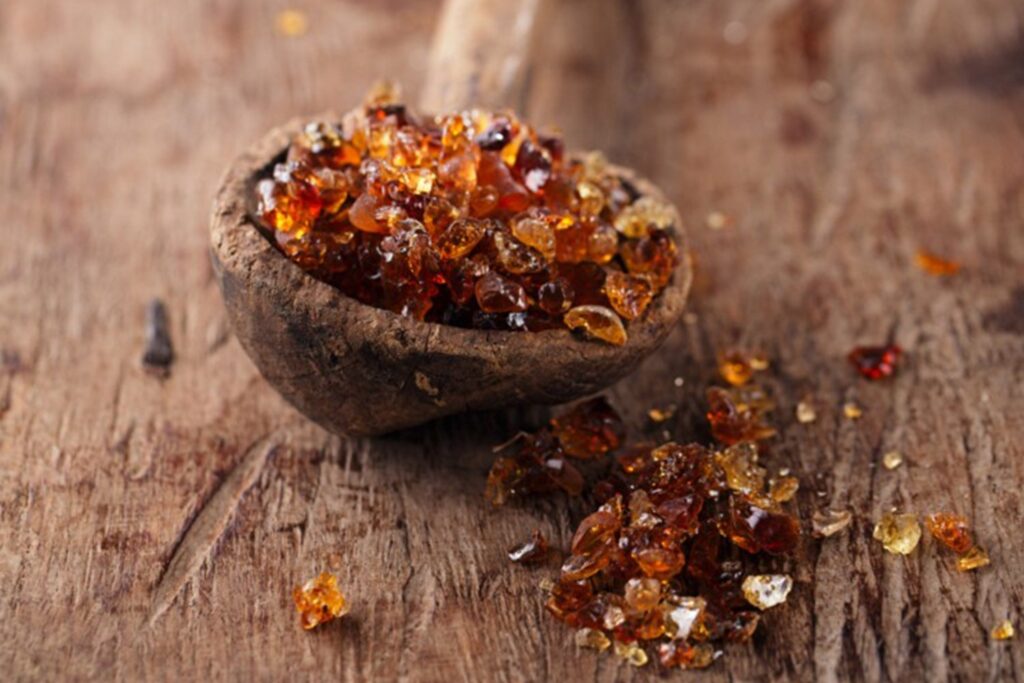
Acacia fiber, often derived from the hardened sap of Acacia trees, is a soluble dietary fiber composed primarily of complex polysaccharides and glycoproteins. Unlike many traditional hydrocolloids, acacia fiber delivers both nutritional and functional benefits simultaneously, which is one reason it has gained global popularity.
From an industrial formulation perspective, acacia fiber offers several important characteristics:
• High solubility in water with minimal viscosity increase
This allows manufacturers to incorporate fiber enrichment without dramatically changing product texture.
• Excellent emulsification properties
Acacia gum can stabilize oil-in-water emulsions effectively, making it valuable for beverage emulsions and flavor encapsulation.
• Neutral sensory profile
It does not introduce strong taste or odor, preserving the intended flavor profile of finished products.
• Broad pH and temperature tolerance
This supports use in acidic beverages, pasteurized products, and heat-processed systems.
• Prebiotic functionality
Its nutritional positioning aligns with growing consumer demand for digestive health products.
Because of this unique combination, acacia fiber occupies a hybrid category between stabilizer, emulsifier, and functional ingredient. A knowledgeable Stabilizer Acacia Fiber Bulk Supplier should understand all these dimensions, not just commodity pricing.
Why Manufacturers Are Increasingly Using Acacia Fiber in Industrial Formulations
Global trends toward health-conscious products, clean labels, and functional nutrition have accelerated demand for acacia fiber across multiple sectors. Manufacturers benefit not only from nutritional claims but also from processing advantages.
One of the most valuable characteristics is its ability to stabilize emulsions without significantly increasing viscosity. This means beverage producers can maintain a light, drinkable texture while improving stability and shelf life. In dairy alternatives, acacia fiber contributes to mouthfeel while supporting protein dispersion.
We have observed in collaboration with several production facilities that incorporating acacia fiber into formulations can simplify stabilizer systems and reduce reliance on more expensive hydrocolloids. This dual role — functional and nutritional — often improves both cost efficiency and marketing potential simultaneously.
Key Industrial Applications Where Bulk Supply Quality Matters
The performance of acacia fiber depends heavily on purity, molecular weight distribution, and processing quality. Therefore, choosing a reliable Stabilizer Acacia Fiber Bulk Supplier becomes critical, particularly in high-volume production environments.
Beverage and Functional Drinks
Acacia fiber is widely used in:
• Flavored beverages
• Nutritional drinks
• Sports beverages
• Fiber-enriched juices
• Powder drink mixes
Its solubility and neutral taste allow high fiber loading without undesirable texture changes.
Dairy and Plant-Based Alternatives
In dairy and plant-based systems, acacia fiber contributes to:
• Improved mouthfeel
• Emulsion stabilization
• Reduced phase separation
• Enhanced nutritional profile
Confectionery and Encapsulation
Acacia gum has long been used for flavor encapsulation and coating applications due to its film-forming properties and emulsification capacity.
Nutraceutical and Pharmaceutical Systems
Because of its prebiotic nature and digestive tolerance, acacia fiber is also used in:
• Dietary supplements
• Fiber powders
• Controlled delivery formulations
• Functional nutrition products
These diverse applications make bulk supply reliability essential for manufacturers operating at scale.
Common Industrial Sourcing Mistakes When Choosing an Acacia Fiber Supplier
Even experienced procurement teams sometimes encounter challenges when sourcing acacia fiber internationally. Understanding these pitfalls helps avoid production disruptions and unnecessary costs.
• Selecting based only on price per metric ton
Lower-priced material may contain higher impurities or inconsistent molecular structure, affecting functionality and dosage requirements.
• Ignoring solubility performance testing
Different processing methods influence dissolution speed and clarity. Laboratory testing ensures compatibility with your formulation.
• Overlooking microbiological specifications
Food safety standards vary among suppliers. Proper documentation and certifications are essential for compliance.
• Neglecting supply chain reliability
Natural raw materials can be affected by harvest conditions and geopolitical factors. Working with diversified suppliers reduces risk.
• Failing to evaluate technical support capability
An experienced supplier can assist with formulation optimization, saving both time and resources.
We have seen factories improve both performance and cost efficiency simply by upgrading supplier quality rather than reformulating products entirely.
Technical Evaluation Criteria for Stabilizer Acacia Fiber Bulk Supplier Selection
When assessing suppliers, manufacturers should consider multiple technical factors, each with direct production implications.
• Viscosity profile
Acacia fiber typically produces low viscosity solutions. Deviations may indicate quality inconsistencies affecting formulation behavior.
• Solubility and clarity
High-quality material dissolves quickly and produces clear solutions, particularly important for beverages.
• Emulsification efficiency
The ability to stabilize oil droplets determines performance in beverage emulsions and flavor systems.
• Particle size distribution
Uniform particles improve handling, dispersion, and dust control during production.
• Moisture content
Excess moisture reduces shelf life and may affect powder flow properties.
• Microbiological stability
Critical for food safety compliance and product shelf life.
Factories that analyze these parameters carefully tend to achieve more stable production outcomes.
Industrial Processing Tips for Large-Scale Production
Even high-quality acacia fiber can underperform if processing conditions are not optimized. Understanding handling techniques improves both efficiency and final product quality.
• Pre-blending with dry ingredients
Combining acacia fiber with sugar or other powders improves dispersion and reduces lump formation.
• Controlled agitation during hydration
Moderate mixing speeds allow uniform dissolution without excessive air incorporation.
• Temperature management
While acacia fiber dissolves in cold water, moderate heating can accelerate hydration in high-volume processes.
• Sequential ingredient addition
Adding oils or flavors after fiber hydration improves emulsion stability.
• Storage humidity control
Maintaining dry storage conditions preserves powder flowability and shelf life.
In our experience working with industrial producers, process optimization often delivers greater performance improvements than changing raw materials.
Market Trends Driving Demand for Stabilizer Acacia Fiber Bulk Suppliers
The global soluble fiber market continues to expand rapidly due to consumer interest in digestive health and functional foods. Acacia fiber benefits from several trends:
• Growth of plant-based and clean-label products
• Increased demand for prebiotic ingredients
• Expansion of functional beverages
• Sugar reduction initiatives requiring texture compensation
• Nutraceutical market growth
Industry analysts estimate soluble fiber demand growth between 5% and 8% annually, with acacia fiber among the most promising segments due to its versatility.
Advantages of Working with Multi-Brand Bulk Suppliers
Manufacturers often prefer suppliers capable of providing multiple brands rather than a single source. This approach offers several strategic advantages:
• Greater pricing flexibility
• Reduced supply risk
• Application-specific product selection
• Faster response to market shortages
• Improved negotiation leverage
Companies like MT Royal frequently support manufacturers by coordinating supply across multiple producers, allowing factories to maintain production continuity even during market fluctuations.
Frequently Asked Questions from Procurement and Production Teams
Industrial buyers often ask similar questions when evaluating a Stabilizer Acacia Fiber Bulk Supplier.
• What is the typical dosage range?
Usage varies widely, from 1% to over 10% depending on nutritional and functional goals.
• Does acacia fiber increase viscosity significantly?
No. It provides stability with minimal thickening compared to many hydrocolloids.
• Is it suitable for acidic beverages?
Yes. Acacia fiber performs well across a wide pH range.
• Can it replace other stabilizers completely?
In some formulations it can, but often it works best in combination systems.
• What is the typical shelf life?
Usually 24 months under proper dry storage conditions.
• Is it heat stable?
Yes. It tolerates pasteurization and moderate heat processing well.
Understanding these operational details helps factories integrate the ingredient efficiently.
Cost Optimization Strategies for Manufacturers Using Acacia Fiber
Bulk purchasing alone does not guarantee cost efficiency. Manufacturers can achieve additional savings through:
• Optimizing dosage levels through pilot trials
• Combining acacia fiber with complementary stabilizers
• Improving dispersion efficiency to reduce waste
• Negotiating long-term supply contracts
• Standardizing formulations across product lines
Even modest improvements in stabilizer efficiency can translate into significant annual cost reductions for large-scale production.
Building Long-Term Partnerships with Reliable Suppliers
Successful sourcing relationships depend on more than price negotiations. The most valuable suppliers contribute technical expertise, logistics coordination, and consistent quality performance.
We often see that manufacturers treating suppliers as strategic partners rather than transactional vendors achieve stronger operational stability and innovation potential.
A reliable Stabilizer Acacia Fiber Bulk Supplier supports not only production needs but also long-term product development goals.
The Strategic Value of Choosing the Right Supplier
In industrial manufacturing, stabilizers represent a small percentage of product cost but a disproportionately large influence on quality and efficiency. Acacia fiber is particularly powerful because it combines functional performance with nutritional value, enabling manufacturers to achieve both technical and marketing advantages simultaneously.
Selecting the right supplier therefore becomes an investment in production reliability, formulation flexibility, and competitive positioning. When you align with a knowledgeable partner capable of delivering consistent quality and technical support, the benefits extend far beyond a single ingredient shipment.
Factories that approach sourcing decisions strategically often discover that the right stabilizer supplier becomes an integral part of their long-term growth and innovation journey.
LATAMARKO LM60 – Premium Spanish-Origin Cocoa Powder
latamarko alkalized cocoa powder lm60
cocoa powder for chocolate production-Best price
Food industry raw materials – list of products
Types of Gelatin from Turkish Manufacturer
Alkalized Cocoa Powder Price: Complete Buyer Guide for 2026




No comment