

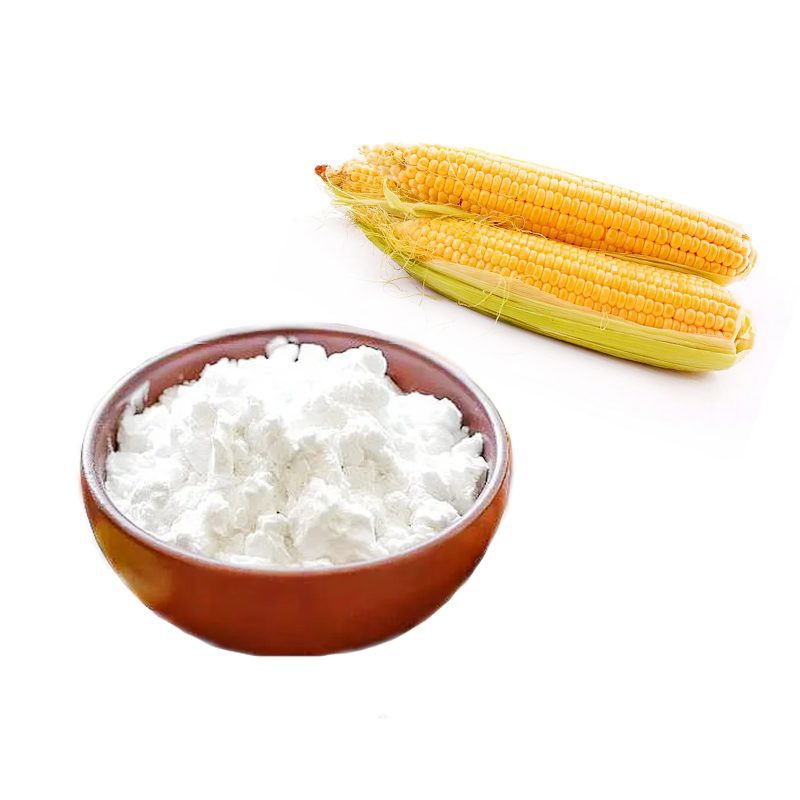
In industrial production, few ingredients are as deceptively simple—and as operationally critical—as stabilizer corn starch. It looks harmless on a formulation sheet, often occupies a single line in procurement software, and is sometimes treated as a commodity. Yet in real factories, the choice of a Stabilizer Corn Starch Exporter can determine whether your production runs smoothly or constantly fights variability, waste, and reformulation.
Manufacturers that work with MT Royal usually arrive with a clear objective: they want a stabilizer corn starch that behaves the same way every day, across every shipment, regardless of season or production volume. They are not chasing the cheapest offer on the market. They are looking for a partner who understands export logistics, industrial processing conditions, and the hidden risks of inconsistent sourcing.
This article is written for factory owners, production managers, R&D specialists, and procurement professionals who want a complete, experience-driven understanding of what truly matters when selecting a stabilizer corn starch exporter—and why this decision deserves far more attention than it typically receives.
What Is Stabilizer Corn Starch and Why It Matters in Industrial Production
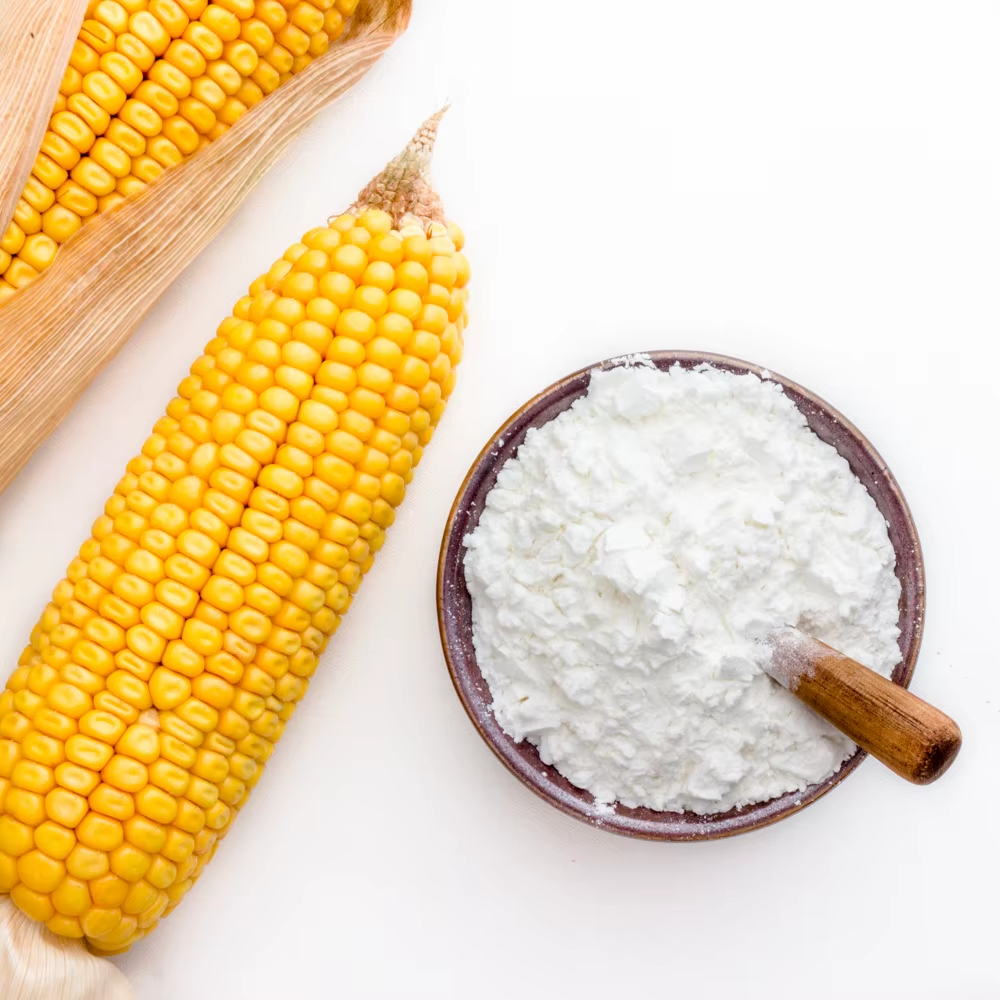
Corn starch is one of the most widely used functional ingredients in global manufacturing. When used as a stabilizer, its role goes far beyond thickening. Stabilizer corn starch contributes to structure, viscosity control, water retention, suspension stability, and texture uniformity across a wide range of applications.
In food manufacturing, it is essential in sauces, soups, dressings, bakery fillings, dairy alternatives, and processed meat systems. In non-food industries, stabilizer corn starch supports paper production, adhesives, textiles, and industrial coatings. What connects all these applications is the need for predictable performance at scale.
A professional Stabilizer Corn Starch Exporter ensures that the starch delivered to your facility performs consistently under real processing conditions: high shear, thermal stress, pH variation, and long production cycles. Without this reliability, even the best formulation becomes fragile.
Native vs. Modified Corn Starch: Understanding the Stabilizer Role
One of the first questions manufacturers ask is whether native corn starch is sufficient, or if modified grades are necessary. The answer depends entirely on application and processing intensity.
Native corn starch offers clean labeling advantages and works well in mild processing conditions. However, it can be sensitive to heat, shear, and acid. Modified stabilizer corn starches—physically, enzymatically, or chemically altered—are designed to withstand harsher environments while maintaining viscosity and structure.
A qualified stabilizer corn starch exporter does not push one option blindly. Instead, they evaluate how your production line behaves and recommend grades that balance performance, cost-in-use, and regulatory requirements.
Why Export Capability Changes Everything
Sourcing domestically and sourcing from an exporter are fundamentally different experiences. Exporting stabilizer corn starch is not just about shipping product overseas; it involves supply chain resilience, documentation accuracy, packaging integrity, and regulatory compliance across borders.
Factories that rely on international sourcing need an exporter who understands:
- Long transit times and moisture control
- Packaging designed for containerized transport
- Consistent batch specifications across multiple shipments
- Export documentation aligned with customs and food safety regulations
- Risk management for raw material fluctuations
We have seen manufacturers suffer production delays simply because their exporter lacked experience with industrial-scale logistics. A true Stabilizer Corn Starch Exporter anticipates these challenges before they affect your production schedule.
Common Sourcing Mistakes Manufacturers Make
Despite years of experience, even established factories fall into recurring traps when sourcing stabilizer corn starch internationally.
Treating Corn Starch as a Commodity
The assumption that “corn starch is corn starch” leads to inconsistent performance. Differences in maize origin, milling process, modification method, and quality control can drastically change behavior in your formulation.
Focusing Only on Price per Ton
A lower price means little if you need higher dosage, experience viscosity instability, or face increased waste. Cost-in-use is the metric that actually matters, and it depends heavily on exporter consistency.
Ignoring Export Track Record
Some suppliers can produce excellent starch but lack the infrastructure to export reliably. Missed shipments, incomplete documentation, or packaging failures can disrupt entire production plans.
Stabilizer Corn Starch vs. Alternative Stabilizers
Corn starch often competes with potato starch, tapioca starch, and hydrocolloids. Each has strengths, but stabilizer corn starch offers a unique balance of availability, functionality, and scalability.
Compared to potato starch, corn starch often provides better cost stability and wider global availability. Compared to tapioca starch, it typically offers more controlled viscosity development. Unlike many gums, corn starch integrates easily into existing formulations without extensive process changes.
For manufacturers producing at scale, these advantages become meaningful only when the starch is sourced from a capable exporter who understands industrial realities.
Industrial Performance Under Real Processing Conditions
Laboratory performance does not always translate to factory performance. In continuous processing systems, stabilizer corn starch must survive:
- High-speed mixing and pumping
- Thermal cycling during cooking and cooling
- Interaction with proteins, fats, and salts
- Long holding times in tanks and pipelines
We have seen factories resolve chronic texture issues simply by changing exporter—not the formulation itself. This happens because a reliable stabilizer corn starch exporter controls granulation, moisture, and modification parameters tightly, ensuring repeatable behavior.
At MT Royal, we have observed how consistent starch sourcing stabilizes entire production lines, reduces operator intervention, and simplifies quality control procedures.
What Defines a Reliable Stabilizer Corn Starch Exporter
Not all exporters are equal. When evaluating potential partners, manufacturers should look beyond brochures and specifications.
Consistency Across Shipments
Can the exporter deliver the same functional performance across months and seasons? Consistency is engineered through raw material control and process discipline.
Technical Communication
Does the exporter understand your application, or do they simply quote specifications? Real expertise shows in the questions they ask, not just the answers they give.
Multi-Origin and Multi-Brand Access
Exporters like MT Royal who work with multiple producers can adapt quickly to market shifts, offering flexibility without compromising quality.
Competitive Pricing with Stability
Price matters, but stable pricing matters more. A professional exporter manages supply contracts to reduce volatility for their customers.
Global Market Trends Affecting Corn Starch Exports
The stabilizer corn starch market is shaped by several global forces. Demand continues to grow in clean-label food, plant-based products, and industrial applications. At the same time, climate variability and energy costs affect maize availability and processing economics.
Exporters who lack diversification struggle during these shifts. Those with strong supplier networks and market insight help manufacturers navigate volatility without constant reformulation or sourcing disruptions.
Factories that align themselves with a strategic Stabilizer Corn Starch Exporter gain more than supply—they gain resilience.
Frequently Asked Questions from Factory Managers and Buyers
Is stabilizer corn starch suitable for high-acid systems?
Modified grades are often required. A knowledgeable exporter will guide selection based on pH and processing conditions.
How important is batch-to-batch consistency?
Critical. Even small viscosity variations can affect yield, texture, and filling accuracy at scale.
Can switching exporters reduce formulation costs?
Yes. Better-performing starch often allows lower dosage and reduces waste.
What documents should an exporter provide?
Specifications, COA, traceability data, and export-compliant documentation aligned with your regulatory environment.
MT Royal as a Strategic Stabilizer Corn Starch Exporter
MT Royal operates at the intersection of sourcing, technical understanding, and export reliability. Rather than pushing a single origin or brand, we connect manufacturers with stabilizer corn starch options that match their technical needs and commercial realities.
We have worked with factories that transformed unstable processes into predictable systems simply by changing how they sourced starch. We have seen how the right exporter relationship reduces firefighting on the production floor. And we continue to support manufacturers who view ingredients as strategic assets, not interchangeable commodities.
By combining multi-brand access, competitive pricing, and industrial insight, MT Royal positions itself as a stabilizer corn starch exporter that understands what factories actually need.
When Export Quality Becomes a Competitive Advantage
In competitive markets, manufacturers rarely lose customers because of bold mistakes. They lose them through inconsistency—small changes in texture, appearance, or performance that erode trust over time.
Choosing the right Stabilizer Corn Starch Exporter is one of those quiet decisions that shapes long-term success. It influences yield, efficiency, and brand reputation in ways that are invisible until something goes wrong.
If your factory depends on scale, repeatability, and global sourcing, the exporter you choose is not just a supplier. They are part of your production system.
And when that system works smoothly, everything else becomes easier.



No comment