

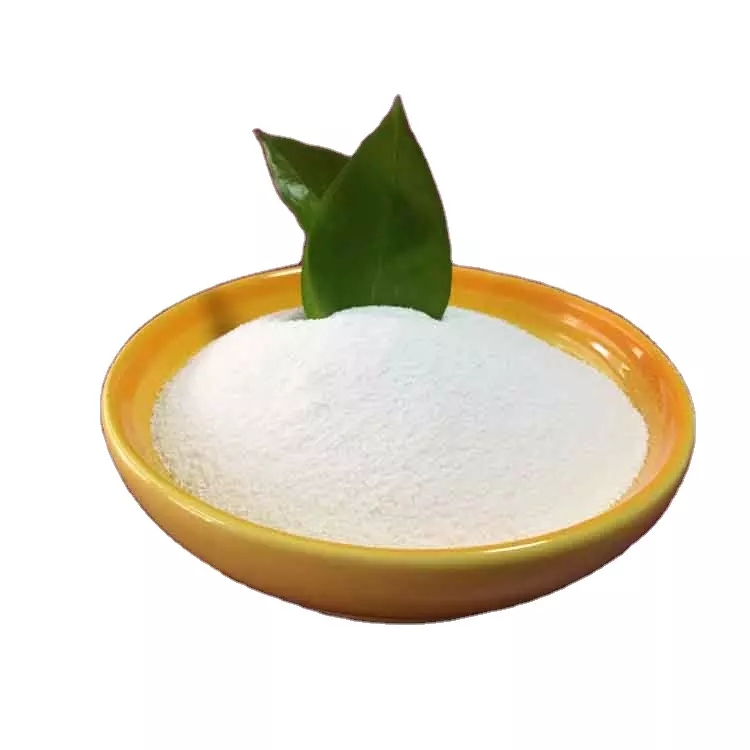
In many industrial production lines, the difference between a stable, reliable product and one that is risky and costly often comes down to a single smart decision in raw material sourcing. Choosing a trustworthy Stabilizer Dipotassium Phosphate E340 Supplier is exactly one of those decisions. At first glance, it may seem routine, but in practice it directly influences final product quality, production efficiency, operational costs, and even brand credibility. If your factory operates in food, beverage, dairy, meat processing, or functional product manufacturing, E340 is no longer just a standard additive—it is a structural component of your formulation.
At MT Royal, through close collaboration with various manufacturing plants, we have seen how the right choice of dipotassium phosphate supplier not only reduces technical issues but also allows production teams to focus confidently on product development and capacity growth. This article is written precisely with that goal in mind: to serve as a comprehensive, in-depth, and practical guide covering everything production managers and procurement specialists need to know about selecting a Stabilizer Dipotassium Phosphate E340 Supplier, without exaggeration, without overt promotion, and with a genuinely industrial, B2B perspective.
What Is Dipotassium Phosphate E340 and Why Does It Matter?
Dipotassium Phosphate, identified as food additive E340(ii), is a highly water-soluble salt derived from phosphoric acid. Its primary functions include pH regulation, stabilization, texture improvement, and enhancement of protein performance in industrial formulations. Due to its high solubility, controlled reactivity, and compatibility with a wide range of raw materials, it has become a key ingredient across multiple food and beverage sectors.
In many applications, E340 acts as a buffering agent, meaning it helps control pH fluctuations and keeps chemical conditions within an optimal range. This function is critical for products sensitive to heat treatment, mechanical processing, or extended storage. Additionally, dipotassium phosphate significantly improves protein functionality, making it especially valuable in dairy products, protein beverages, and processed meat applications.
Industrial Applications of Stabilizer Dipotassium Phosphate E340
When evaluating a Stabilizer Dipotassium Phosphate E340 Supplier, understanding where and how this ingredient is used is essential. Knowing its applications helps you request the correct technical specifications from your supplier.
Dairy Industry
In processed cheeses, creams, and dairy beverages, E340 supports emulsion stability, improves meltability, and prevents phase separation. The result is a uniform product with predictable texture and performance.
Beverages and Liquid Products
In sports drinks, protein beverages, and functional formulations, dipotassium phosphate helps regulate acidity and stabilize nutrients without introducing dominant off-flavors.
Meat and Protein Processing
In processed meat products, E340 improves water retention, enhances texture, and increases yield—an advantage that directly impacts profitability.
Powdered and Dry Products
In instant powders and dry blends, dipotassium phosphate enhances solubility and reduces caking, which is essential for consistent consumer experience.
Why Supplier Selection for E340 Is Critical
Many production issues originate not from formulation design but from inconsistencies in raw materials. A weak Stabilizer Dipotassium Phosphate E340 Supplier can introduce variability in purity, particle size, or chemical behavior—issues that quickly surface on the production line.
We have seen cases where switching suppliers, even with seemingly identical specifications, resulted in noticeable differences in product performance. These differences usually stem from quality control standards, raw material sourcing, crystallization processes, and packaging conditions.
Key Technical Specifications to Consider When Buying E340
A professional procurement manager should look beyond price and evaluate the following parameters carefully:
- Verified purity and assay levels
- Standard solution pH
- Solubility at different temperatures
- Particle size distribution
- Hygroscopic behavior and storage stability
- Compliance with food-grade standards (FCC, E-number regulations)
A reliable supplier provides this information transparently and consistently, not just as a generic datasheet.
Common Mistakes in Industrial Sourcing of Dipotassium Phosphate
One of the most frequent mistakes is choosing based solely on price. Low-cost dipotassium phosphate may reduce short-term expenses but often leads to higher long-term costs through increased waste, inconsistent quality, or even product recalls.
Another common error is overlooking batch-to-batch consistency. Even minor variations between batches can create serious challenges in high-volume production. Selecting a Stabilizer Dipotassium Phosphate E340 Supplier with robust quality control systems significantly reduces this risk.
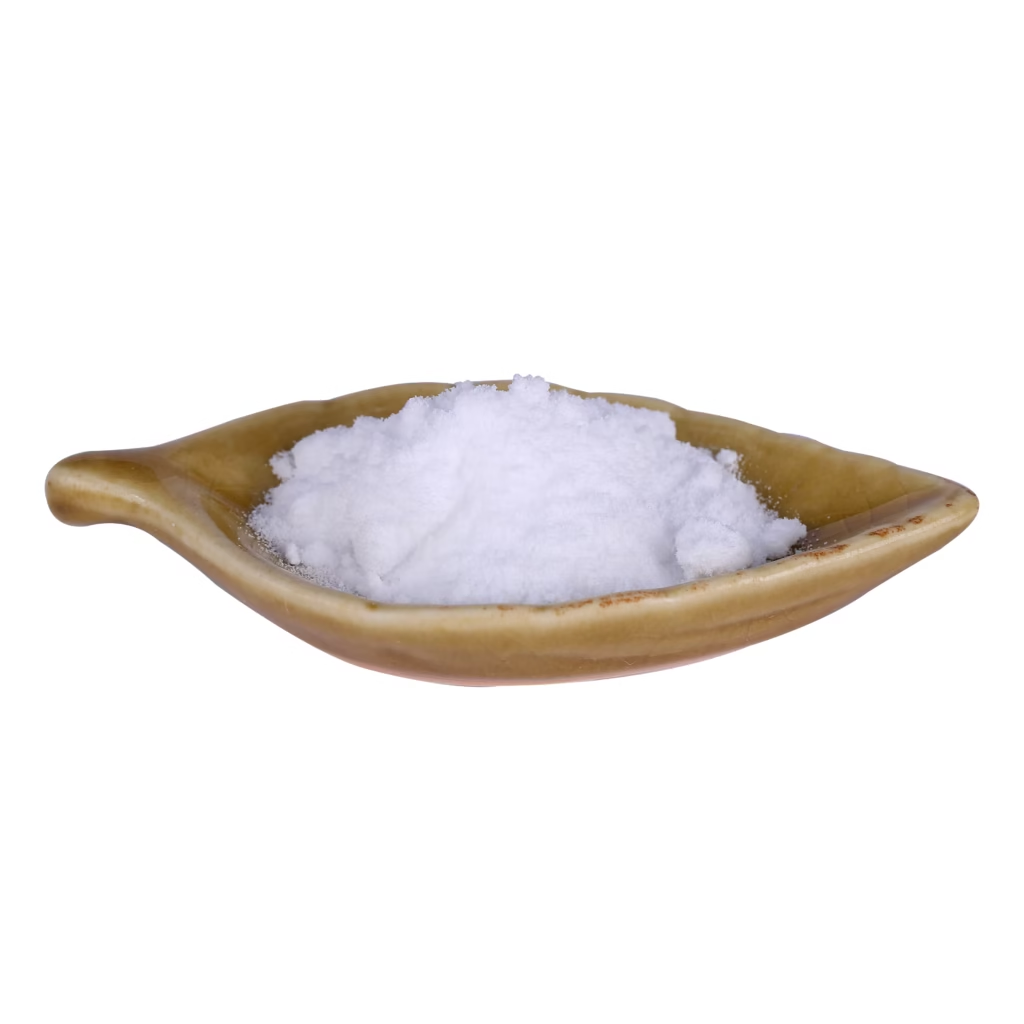
Comparing E340 with Other Phosphates in Formulation
Compared to monopotassium phosphate or trisodium phosphate, dipotassium phosphate offers a more balanced profile in terms of alkalinity, solubility, and flavor neutrality. This makes it particularly suitable for applications with high sensory sensitivity.
In many formulations, E340 is used as part of a phosphate system. Working with a supplier who understands these interactions provides a clear technical advantage.
Industrial Considerations for Large-Scale Production
At industrial scale, small details become critical. Storage conditions, ambient humidity, packaging type (multi-layer bags or big bags), and compatibility with automated dosing systems all depend on supplier quality.
At MT Royal, we have observed these factors firsthand, directly on production floors—not just in theory. This is why our focus has always been on supply reliability, consistent specifications, and dependable logistics.
Market Trends and the Growing Role of E340
With rising demand for high-protein products, reduced-fat formulations, and functional beverages, the importance of dipotassium phosphate continues to grow. It allows manufacturers to maintain texture and stability without compromising nutritional positioning.
At the same time, increasing regulatory scrutiny has made it more important than ever to work with a Stabilizer Dipotassium Phosphate E340 Supplier that aligns with international food safety and compliance standards.
Frequently Asked Questions from Production Managers and Buyers
Do all E340 products perform the same?
No. Differences in purity, production process, and quality control can significantly affect performance.
Does changing suppliers require formulation adjustments?
In many cases, yes—especially if technical specifications are not perfectly aligned.
What purchasing volume makes sense for industrial use?
This depends on monthly consumption, storage capacity, and supply stability, but bulk purchasing is generally more cost-effective.
The Role of MT Royal as a Trusted Supplier
MT Royal positions itself as more than a distributor. By supplying multiple brands of dipotassium phosphate E340 at competitive prices, our goal has been to act as a technical partner for manufacturers rather than just a vendor. We understand that behind every order lies an active production line and numerous critical decisions.
For this reason, our approach emphasizes transparency, consistent quality, and a genuine understanding of industrial manufacturing needs.
A Decision That Shapes the Future of Your Production
Choosing the right Stabilizer Dipotassium Phosphate E340 Supplier ultimately affects the confidence of your technical team, the stability of your final products, and the trust your market places in your brand. Manufacturers who pay attention to these details experience fewer quality disruptions and reach operational stability more quickly.
When the foundation of your formulation is chosen correctly, the entire production system runs more smoothly—allowing you to focus on growth, development, and market leadership rather than recurring technical problems.




No comment