

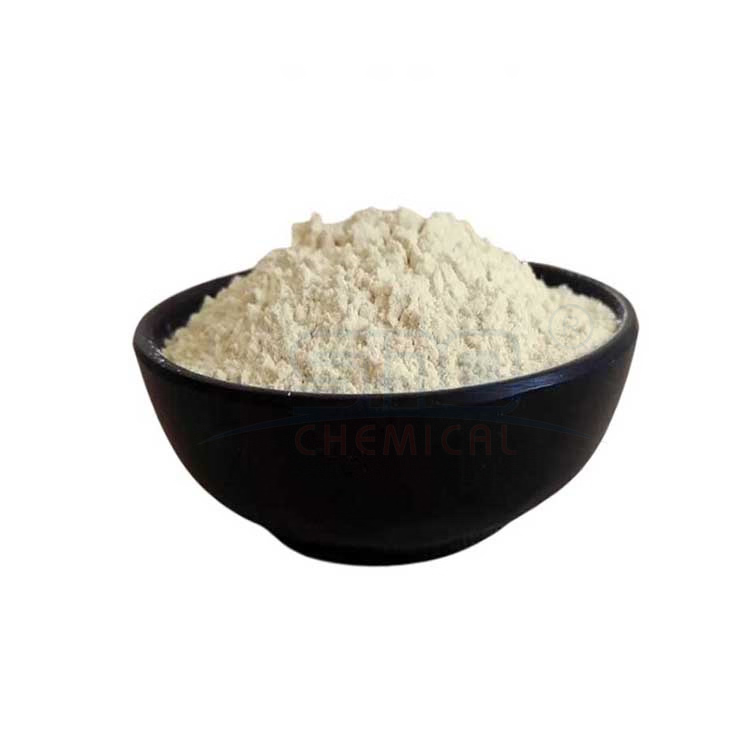
For manufacturers operating in competitive food, beverage, and industrial formulation markets, the difference between a stable product and a costly production failure often comes down to one seemingly small ingredient: the stabilizer system. Choosing the right Stabilizer Guar Gum E412 Wholesale source is not just a procurement decision — it is a strategic operational choice that directly impacts viscosity control, texture consistency, shelf life, and production efficiency. This is precisely why many factories prefer working with experienced suppliers such as MT Royal, where multiple grades, reliable sourcing channels, and competitive pricing structures simplify large-scale purchasing decisions.
Guar gum E412 has become one of the most widely used hydrocolloids in global manufacturing, thanks to its exceptional thickening efficiency, cold-water solubility, and cost-performance ratio. Whether your facility produces dairy desserts, sauces, bakery fillings, beverages, or even industrial fluids, understanding how to source guar gum correctly can significantly reduce formulation risks and operational costs.
Understanding Stabilizer Guar Gum E412 in Industrial Manufacturing
Guar gum (E412) is a natural polysaccharide extracted from guar beans (Cyamopsis tetragonoloba), primarily cultivated in India and Pakistan. Its molecular structure — rich in galactomannan chains — gives it remarkable water-binding capacity and viscosity-building ability even at low concentrations.
From an industrial perspective, guar gum serves multiple functional roles:
• Thickening agent
• Stabilizer
• Water retention enhancer
• Texture modifier
• Suspension agent
• Synergistic hydrocolloid component
One of the most important reasons factories choose Stabilizer Guar Gum E412 Wholesale is efficiency. Compared to many other hydrocolloids, guar gum provides higher viscosity at lower dosages, which directly reduces formulation costs.
In our collaboration with various factories, we have seen that switching from less efficient stabilizers to optimized guar gum grades can reduce stabilizer costs by up to 18–25% without compromising product quality.
Why Wholesale Guar Gum Matters for Large-Scale Production
Purchasing guar gum in wholesale quantities is not merely about price discounts. It also involves:
• Batch consistency
• Supply continuity
• Technical support
• Documentation reliability
• Logistics efficiency
Factories operating continuous production lines cannot afford ingredient variability. Even minor viscosity fluctuations can disrupt filling operations, pumping systems, or heat treatment processes.
Wholesale sourcing provides better control over:
• Lot traceability
• Standardized viscosity ranges
• Particle size distribution
• Microbiological stability
These parameters are critical in industries such as dairy, sauces, plant-based beverages, and processed foods.
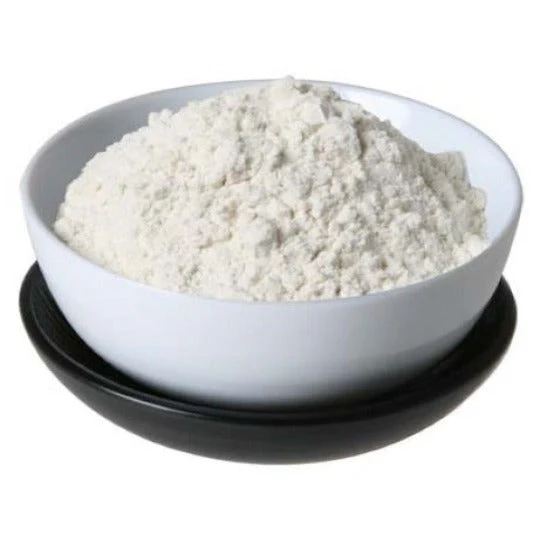
Key Functional Advantages of Guar Gum E412 for Manufacturers
Exceptional Thickening Power
Guar gum hydrates rapidly in cold water and produces high viscosity at concentrations as low as 0.2–0.5%. This makes it economically attractive compared to many alternative stabilizers.
Synergy with Other Hydrocolloids
Guar gum works synergistically with xanthan gum, locust bean gum, and carrageenan. These combinations create tailored textures for different products such as sauces, ice cream, or dressings.
Freeze-Thaw Stability Enhancement
In frozen food applications, guar gum improves water retention and reduces ice crystal formation, protecting texture during storage cycles.
Suspension and Emulsion Support
Guar gum helps suspend particles such as cocoa, spices, or fruit pulp, maintaining uniform product appearance and mouthfeel.
Clean Label Compatibility
Because guar gum is plant-derived and recognizable to consumers, it fits well within clean label strategies, an increasingly important factor in modern food manufacturing.
Common Mistakes When Sourcing Stabilizer Guar Gum E412 Wholesale
Many procurement teams focus primarily on price per kilogram, but this approach often leads to higher hidden costs.
One major mistake is ignoring viscosity specification ranges. Guar gum grades vary significantly depending on processing methods and mesh size. Lower-quality material may require higher dosage, eliminating any apparent price advantage.
Another common issue is insufficient attention to hydration performance. Poorly processed guar gum can form lumps or hydrate slowly, creating production inefficiencies and inconsistent textures.
We have observed factories that saved a few cents per kilogram but lost thousands of dollars in downtime due to poor dispersibility.
Other sourcing mistakes include:
• Inadequate microbiological specifications
• Missing allergen documentation
• Weak supply chain reliability
• Lack of technical application guidance
• Ignoring regional regulatory compliance
Choosing an experienced Stabilizer Guar Gum E412 Wholesale supplier minimizes these risks.
Industrial Applications of Guar Gum Across Manufacturing Sectors
Dairy and Ice Cream Production
Guar gum improves body, creaminess, and meltdown resistance. It also enhances overrun stability in ice cream formulations and prevents whey separation in dairy beverages.
Sauces, Dressings, and Condiments
The stabilizer creates smooth viscosity, prevents phase separation, and maintains suspension of spices or particulates.
Bakery and Dough Systems
Guar gum increases moisture retention, extends shelf life, and improves dough handling characteristics. Gluten-free formulations particularly benefit from guar gum structure support.
Beverage Industry
In flavored milk, plant-based drinks, and smoothies, guar gum prevents sedimentation and provides desirable mouthfeel without excessive thickness.
Processed Meat and Plant-Based Proteins
Guar gum enhances water binding and yield, improving texture and juiciness in both meat and alternative protein systems.
Industrial Non-Food Applications
Outside food production, guar gum is used in oil drilling fluids, paper manufacturing, textile printing, and cosmetics due to its rheological properties.
Comparing Guar Gum with Other Stabilizers
Manufacturers often evaluate guar gum alongside alternatives such as xanthan gum or carrageenan. Each has strengths depending on the application.
Guar gum offers:
• Lower cost per viscosity unit
• Excellent cold solubility
• Neutral flavor profile
• High water binding
Xanthan gum provides better shear stability and temperature resistance, while carrageenan offers stronger gel formation with proteins.
In many formulations, the most effective solution is not replacing guar gum but combining it with complementary hydrocolloids to achieve optimal texture and cost balance.
Technical Tips for Large-Scale Production Using Guar Gum
Efficient industrial use of guar gum requires attention to processing details.
Proper Dispersion Techniques
Guar gum should be dispersed in dry ingredients before adding to water to prevent lump formation. High-shear mixing improves hydration speed and uniformity.
Temperature Control
Although guar gum hydrates in cold water, moderate heating can accelerate viscosity development in some formulations.
Hydration Time Management
Allowing sufficient hydration time ensures full viscosity development before downstream processing steps such as homogenization or pasteurization.
pH Considerations
Guar gum performs best in neutral to slightly acidic conditions. Extreme pH levels may reduce viscosity stability.
Synergistic Blending
Combining guar gum with xanthan gum often creates superior texture with lower total stabilizer dosage.
In our experience working with production teams, optimizing hydration protocols alone can improve texture consistency by more than 15%.
Quality Parameters to Evaluate When Choosing a Supplier
When selecting a Stabilizer Guar Gum E412 Wholesale partner, manufacturers should assess several technical specifications:
• Viscosity range (Brookfield or equivalent)
• Particle size (mesh specification)
• Moisture content
• Protein and ash levels
• Microbiological limits
• Heavy metal compliance
• Allergen status
• GMO status
• Certification (ISO, FSSC, Halal, Kosher)
Reliable suppliers provide complete documentation packages, including certificates of analysis and safety data sheets.
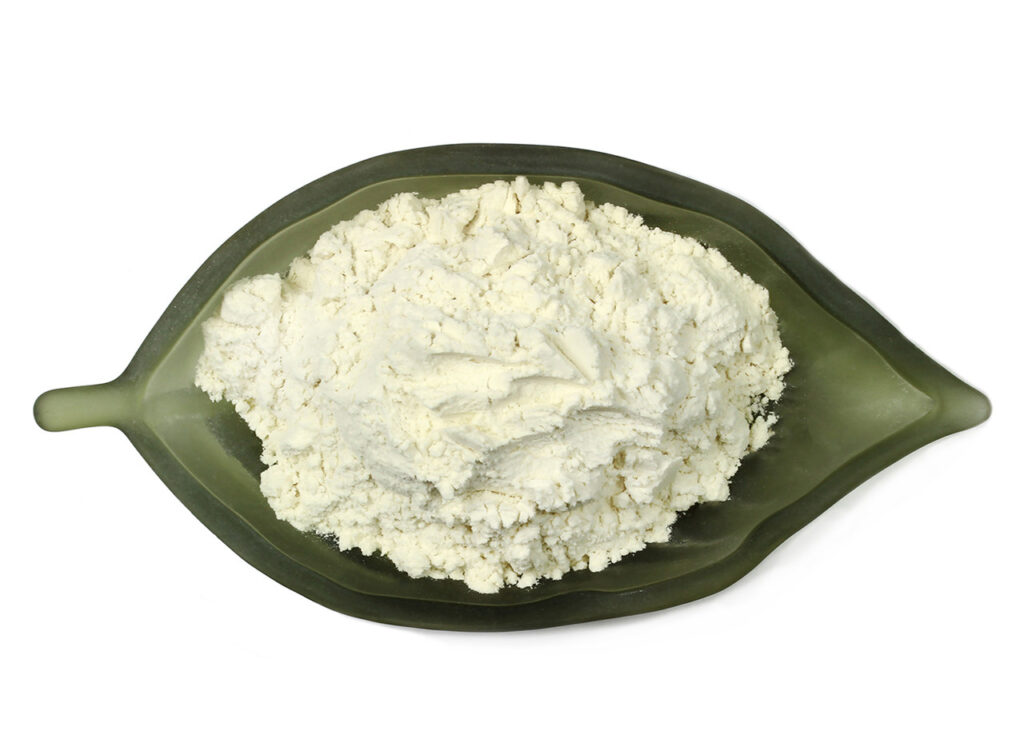
Global Market Trends in Guar Gum Supply
The global guar gum market has experienced significant volatility due to agricultural dependency and competing industrial demand, especially from oil and gas sectors.
Recent industry trends include:
• Increased demand from plant-based food manufacturers
• Growth in clean label formulations
• Expansion of convenience food markets
• Supply chain diversification outside traditional regions
• Development of modified guar derivatives
Manufacturers increasingly prefer stable suppliers with diversified sourcing networks to avoid price shocks and shortages.
Logistics and Storage Considerations for Bulk Guar Gum
Bulk guar gum typically arrives in 25 kg bags or larger industrial packaging such as jumbo bags. Proper storage conditions are essential to maintain functionality.
Recommended conditions include:
• Cool, dry storage environments
• Protection from humidity
• Sealed packaging to prevent contamination
• Controlled warehouse rotation (FIFO system)
Poor storage can cause caking, microbial growth, or viscosity degradation.
Frequently Asked Questions from Procurement Managers
What dosage levels are typical for guar gum?
Most food applications use 0.2% to 0.8%, depending on desired viscosity and synergy with other stabilizers.
Is guar gum suitable for clean label products?
Yes. It is plant-derived and widely accepted in clean label formulations across global markets.
Can guar gum replace xanthan gum?
In some applications yes, but not universally. Each hydrocolloid has unique rheological behavior. Often a blend works best.
Does guar gum tolerate heat processing?
Guar gum performs well under moderate heat conditions but prolonged high temperatures may reduce viscosity slightly.
How can factories prevent lump formation?
Pre-mixing with dry ingredients or using high-shear dispersion equipment significantly reduces lumping risk.
Strategic Benefits of Working with Experienced Suppliers
Partnering with a knowledgeable Stabilizer Guar Gum E412 Wholesale supplier provides advantages beyond price.
These include:
• Technical formulation support
• Application troubleshooting
• Consistent batch quality
• Flexible logistics
• Multi-brand sourcing options
• Regulatory documentation assistance
Suppliers with broad industry experience understand manufacturing challenges and can recommend optimized grades tailored to specific applications.
We often notice that factories shifting to experienced suppliers reduce formulation adjustments, improve production efficiency, and achieve more predictable product performance.
The Role of MT Royal in Industrial Ingredient Supply
Manufacturers sourcing guar gum frequently look for suppliers capable of delivering both quality and flexibility. MT Royal is recognized for offering multiple brands, competitive pricing structures, and reliable logistics channels across different regions.
Rather than focusing solely on transactions, experienced suppliers help manufacturers navigate formulation decisions, regulatory requirements, and cost optimization strategies.
This collaborative approach creates long-term operational stability, which is far more valuable than short-term purchasing savings.
Emerging Innovations in Guar Gum Applications
The future of guar gum in manufacturing continues to expand.
Key innovation areas include:
• Low-viscosity modified guar for beverages
• Instantized guar for faster hydration
• Synergistic stabilizer systems
• Plant-based dairy alternatives
• Reduced-fat food formulations
• Functional nutrition products
Manufacturers adopting advanced guar gum technologies can achieve improved texture while reducing stabilizer dosage, creating competitive advantages in crowded markets.
Choosing the Right Stabilizer Strategy for Your Factory
Selecting guar gum is not only about the ingredient itself but about integrating it into a broader stabilizer system aligned with your production goals.
Considerations should include:
• Processing equipment capabilities
• Desired product texture profile
• Shelf life requirements
• Regulatory market targets
• Cost optimization objectives
• Production scale
Factories that approach stabilizer selection strategically often achieve better product consistency, fewer production interruptions, and stronger brand performance.
When the stabilizer performs correctly, consumers never notice it — and that invisibility is the ultimate sign of success in formulation science.
LATAMARKO LM60 – Premium Spanish-Origin Cocoa Powder
latamarko alkalized cocoa powder lm60
cocoa powder for chocolate production-Best price
Food industry raw materials – list of products
Types of Gelatin from Turkish Manufacturer
Alkalized Cocoa Powder Price: Complete Buyer Guide for 2026

No comment