

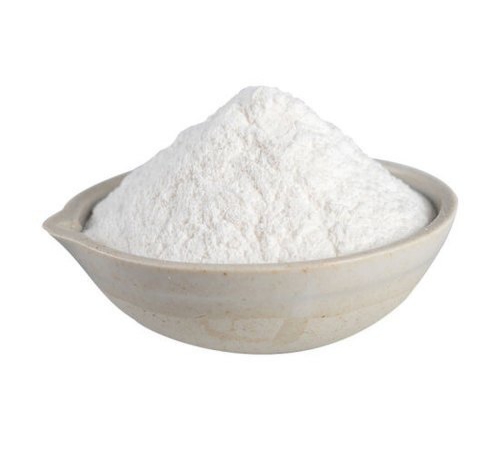
In many production facilities, long-term success is not determined by the size of the machinery or the scale of the factory floor, but by the precision of raw material choices. Stabilizer Magnesium Stearate Wholesale is one of those seemingly simple inputs that quietly determines whether a production line runs smoothly or struggles with inconsistency, downtime, and hidden costs. Manufacturers who understand this material deeply—and source it intelligently—gain a tangible competitive advantage.
We have seen, across collaborations with pharmaceutical plants, food processors, and chemical manufacturers, how the right magnesium stearate stabilizer can reduce friction in operations, improve batch consistency, and protect profit margins. This article is written for factory owners, procurement managers, and technical decision-makers who want more than surface-level information. It is designed to answer real search intent: how to evaluate, source, and use magnesium stearate at scale—confidently and sustainably.
Understanding Magnesium Stearate as an Industrial Stabilizer
Magnesium stearate is the magnesium salt of stearic acid, widely recognized for its lubricating, anti-caking, and flow-enhancing properties. In industrial contexts, it functions not merely as an additive, but as a process stabilizer—a role that becomes increasingly critical as production volumes increase.
In bulk manufacturing, especially in tablet compression, powder blending, and granulation processes, magnesium stearate reduces friction between particles and machinery surfaces. This minimizes wear on equipment, ensures uniform flow, and helps maintain consistent product quality across batches. When sourced through Stabilizer Magnesium Stearate Wholesale, manufacturers gain the additional advantage of cost control and supply continuity.
What is often underestimated is how sensitive magnesium stearate performance is to its physical and chemical characteristics. Particle size distribution, specific surface area, fatty acid composition, and moisture content all influence how it behaves in a formulation. For high-throughput factories, these variables are not academic details—they directly affect output stability.
Why Wholesale Sourcing Matters in Industrial Production
Purchasing magnesium stearate at wholesale scale is not simply about obtaining lower prices per kilogram. It is about aligning raw material supply with the operational realities of large-scale manufacturing.
Wholesale sourcing enables:
- Batch-to-batch consistency, reducing formulation adjustments
- Predictable lead times, which stabilize production planning
- Negotiated specifications, tailored to your process rather than generic standards
- Cost optimization, especially when margins are under pressure
From our experience working with diverse factories, inconsistent sourcing—switching suppliers frequently or buying spot-market material—often leads to subtle but costly issues. Compression problems, altered dissolution profiles, or unexpected equipment fouling frequently trace back to variations in magnesium stearate quality.
MT Royal works with multiple global producers, allowing manufacturers to access different grades and origins while maintaining stable specifications. This flexibility is particularly valuable when markets fluctuate or when regulatory requirements evolve.
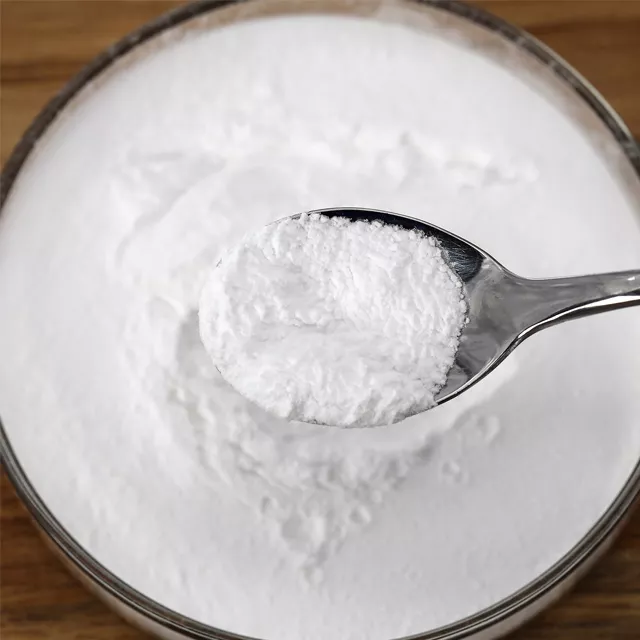
Industrial Applications of Magnesium Stearate Stabilizer
Pharmaceutical Manufacturing
In pharmaceutical production, magnesium stearate is primarily known as a lubricant in tablet and capsule manufacturing. However, its stabilizing role goes beyond simple lubrication. It influences:
- Powder flowability
- Die wall friction
- Tablet ejection force
- Uniformity of dosage units
At wholesale scale, pharmaceutical manufacturers must balance lubrication efficiency with potential over-lubrication risks. Excessive magnesium stearate can negatively affect tablet hardness and dissolution. This makes supplier consistency and technical support critical factors in procurement decisions.
Food and Nutraceutical Industries
Food-grade magnesium stearate is used as an anti-caking agent and flow aid in powdered products and supplements. In nutraceutical manufacturing, where consumer perception and regulatory compliance intersect, the purity and source of magnesium stearate become particularly important.
Large-scale food producers rely on wholesale magnesium stearate to ensure uninterrupted production during peak demand cycles. Even minor supply disruptions can lead to significant losses in time-sensitive markets.
Chemical and Polymer Processing
In chemical formulations and polymer compounding, magnesium stearate acts as a processing aid and stabilizer. It improves dispersion, reduces sticking, and enhances surface finish. When used correctly, it contributes to smoother extrusion and molding processes, especially in high-volume operations.
Common Mistakes in Industrial Sourcing of Magnesium Stearate
Despite its widespread use, magnesium stearate is often treated as a commodity with minimal strategic consideration. This leads to several recurring mistakes.
Treating All Grades as Equivalent
Not all magnesium stearate is created equal. Differences in fatty acid composition (vegetable vs. animal origin), particle morphology, and production methods can significantly impact performance. Assuming interchangeability without validation is a common and costly error.
Focusing Only on Price per Ton
Wholesale buyers sometimes prioritize the lowest unit price without accounting for hidden costs. Poor flow properties, increased machine downtime, or higher rejection rates can quickly offset initial savings.
Ignoring Supplier Transparency
A reliable stabilizer magnesium stearate wholesale supplier should provide clear documentation, traceability, and technical data. Lack of transparency often signals inconsistency down the line.
We have observed that factories that treat magnesium stearate as a strategic input—rather than a line-item expense—tend to achieve more stable operations and better long-term supplier relationships.
Key Factors to Evaluate When Buying Magnesium Stearate Wholesale
Grade and Regulatory Compliance
Ensure the grade matches your application: pharmaceutical, food, or industrial. Compliance with relevant pharmacopeias or food safety standards is non-negotiable for regulated industries.
Physical Characteristics
Particle size, bulk density, and surface area affect how magnesium stearate interacts with other ingredients. These parameters should be aligned with your specific process.
Supply Chain Reliability
Wholesale sourcing demands confidence in logistics. Delays or inconsistent shipments can disrupt production schedules and erode trust with downstream customers.
Technical Support and Expertise
A supplier who understands your production challenges can provide more than material—they can provide insight. MT Royal’s role often extends into consultative support, helping factories fine-tune material selection as production scales.
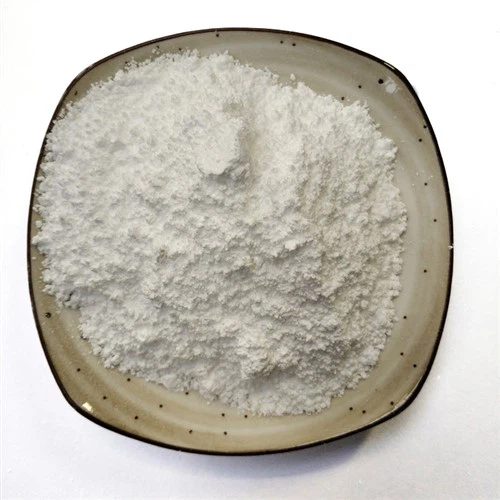
Scaling Production: Special Considerations for High-Volume Manufacturers
As production volumes increase, small inefficiencies become amplified. Magnesium stearate usage rates that are acceptable at pilot scale may cause issues at industrial throughput levels.
High-volume manufacturers should pay close attention to:
- Mixing times: Overmixing with magnesium stearate can alter surface coating effects.
- Equipment compatibility: Different presses and mixers respond differently to lubrication levels.
- Process validation: Any change in magnesium stearate supplier or grade should be validated carefully.
In large-scale environments, magnesium stearate becomes less of an additive and more of a process variable that must be controlled with precision.
Frequently Asked Questions from Procurement Managers
How stable is magnesium stearate during long-term storage?
When stored properly in dry, temperature-controlled conditions, magnesium stearate is chemically stable. However, moisture exposure can affect flow properties, making packaging and storage practices critical.
Can switching suppliers affect product performance?
Yes. Even when specifications appear similar on paper, subtle differences can impact processing behavior. This is why wholesale sourcing from a consistent, transparent supplier is preferred.
Is higher purity always better?
Not necessarily. The optimal grade depends on application. Over-specifying purity can increase costs without tangible benefits, while under-specifying can introduce risks.
How does origin affect magnesium stearate quality?
Origin influences fatty acid source, production methods, and regulatory acceptance. Understanding these differences helps align material choice with both technical and market requirements.
The Role of MT Royal in Wholesale Magnesium Stearate Supply
MT Royal operates at the intersection of supply reliability and technical understanding. Rather than pushing a single brand or origin, the focus is on matching manufacturers with the most suitable stabilizer magnesium stearate wholesale option for their specific needs.
We work with multiple producers, enabling flexibility in pricing and supply while maintaining consistent quality standards. In practice, this means factories are less exposed to market volatility and better positioned to plan long-term.
By viewing magnesium stearate as part of a broader production ecosystem—not just a consumable—manufacturers can unlock efficiencies that are otherwise overlooked.
Market Trends and Future Outlook
Global demand for magnesium stearate continues to rise, driven by growth in pharmaceuticals, nutraceuticals, and specialty chemicals. At the same time, buyers are becoming more discerning, placing greater emphasis on traceability, sustainability, and technical performance.
Wholesale buyers who anticipate these trends and partner with knowledgeable suppliers are better equipped to adapt. The future belongs to manufacturers who treat raw material sourcing as a strategic discipline rather than a transactional necessity.
A Perspective Worth Keeping
Every stable production line has its quiet contributors—materials that do their job without drawing attention. Magnesium stearate is one of them. When sourced thoughtfully, specified correctly, and integrated with process knowledge, it becomes a stabilizing force in more ways than one.
Factories that invest time in understanding Stabilizer Magnesium Stearate Wholesale do not just buy a powder; they secure consistency, predictability, and confidence in their operations. And in an industrial landscape where margins are tight and expectations are high, that confidence is not a luxury—it is an advantage.



No comment