

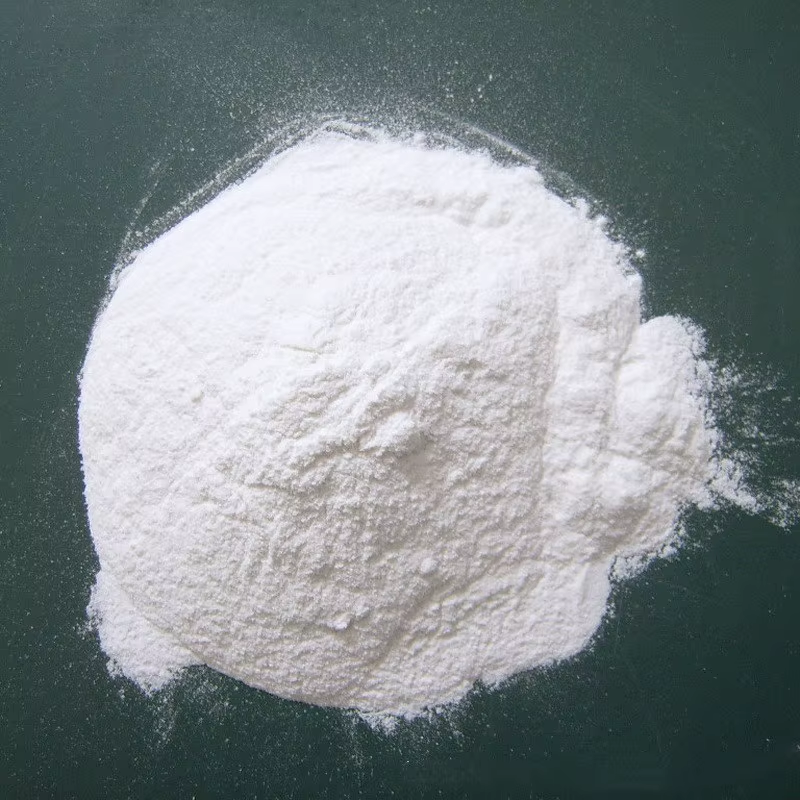
When it comes to industrial production, especially in food, pharmaceuticals, construction, or chemical manufacturing, choosing the right Stabilizer Methylcellulose E461 Supplier is more than a procurement decision—it is a strategic move that directly impacts product consistency, production efficiency, and long-term profitability. Many manufacturers only realize the critical importance of high-quality methylcellulose E461 when they face inconsistent batches, product recalls, or customer complaints. This is where a reliable supplier like MT Royal proves indispensable, offering not only top-grade materials but also consistent delivery and competitive pricing.
If your plant demands large-scale, high-quality production, this guide will walk you through everything you need to know about methylcellulose E461, how to select a supplier, and the practical considerations that separate successful production lines from those struggling with instability and inefficiency.
What is Methylcellulose E461?
Methylcellulose, identified as E461 in the European food additive coding system, is a cellulose derivative widely used as a stabilizer, thickener, and binder. Its industrial significance lies in its unique functional properties:
- Solubility in cold water and gel formation upon heating, which allows precise control over viscosity and texture.
- Non-ionic nature, making it compatible with a wide range of ingredients without adverse chemical reactions.
- Thermoreversible gelation, which enables repeated heating and cooling cycles without degradation—ideal for processed foods and pharmaceutical formulations.
This combination of properties allows manufacturers to maintain product consistency, prevent phase separation, and enhance shelf life. For industrial operations, these characteristics translate into predictable production outcomes and reduced waste—directly affecting the bottom line.
Why the Choice of Supplier Matters
Choosing a Stabilizer Methylcellulose E461 Supplier is not just about price. Several critical factors can determine whether your production line runs smoothly or encounters repeated setbacks:
- Purity and Consistency: Variations in molecular weight or substitution level can drastically change viscosity and gelation behavior.
- Reliable Supply Chain: Interruptions in raw material availability can halt production, causing revenue loss and contractual penalties.
- Technical Support: Suppliers who understand industrial applications can guide you in optimizing formulations, scaling up production, and troubleshooting common issues.
- Compliance and Certification: Food, pharmaceutical, and cosmetic industries require strict adherence to regulatory standards.
At MT Royal, we have observed firsthand that plants partnering with informed, technically capable suppliers experience fewer batch inconsistencies and enjoy more predictable production schedules. We also provide detailed product data sheets, handling recommendations, and application advice to ensure that your operations benefit from every batch delivered.
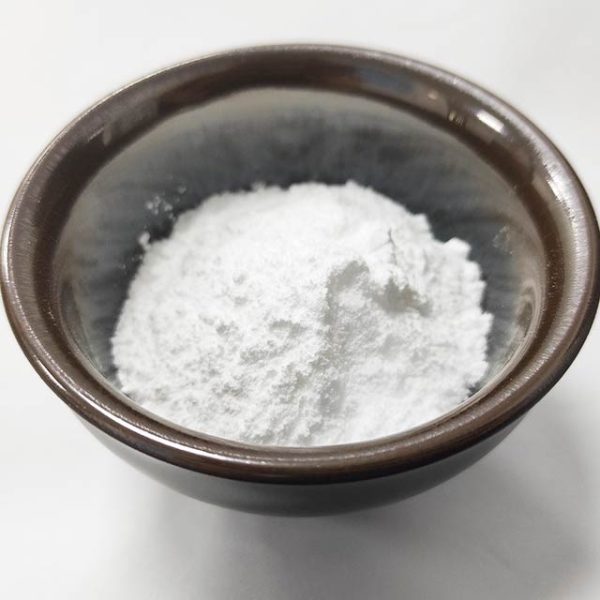
Common Mistakes in Industrial Procurement
Even experienced production managers sometimes make errors when sourcing methylcellulose:
- Focusing solely on price: A cheaper supplier might deliver inconsistent quality, leading to production disruptions.
- Ignoring technical specifications: Not all E461 grades behave identically; the substitution rate and viscosity range matter.
- Overlooking storage conditions: Methylcellulose is hygroscopic; improper storage can cause caking and reduce effectiveness.
- Neglecting scalability considerations: Lab-scale formulations may not behave the same way in industrial mixers or large batch kettles.
Avoiding these pitfalls requires a combination of careful supplier evaluation, clear technical requirements, and proper handling protocols—areas where experienced suppliers like MT Royal provide tangible value.
Industrial Applications and Best Practices
Methylcellulose E461 finds extensive use across various industrial sectors:
1. Food Industry
- Bakery Products: Improves moisture retention, extends shelf life, and controls crumb structure.
- Meat and Plant-Based Products: Functions as a binder and stabilizer, ensuring uniform texture in sausages, patties, and vegan protein alternatives.
- Dairy and Beverages: Stabilizes emulsions, prevents sedimentation, and enhances mouthfeel.
Best Practice: Always match the viscosity grade to the specific application. High-viscosity grades are suitable for heavy batters and meat analogs, while low-viscosity grades are better for beverages and sauces.
2. Pharmaceutical Industry
- Tablet Formulation: Acts as a binder in tablet compression and as a controlled-release agent.
- Capsule Coatings: Provides a smooth, uniform film and aids in disintegration control.
Best Practice: Work with suppliers providing pharma-grade E461 with proper certification (USP, EP, or equivalent) to meet regulatory requirements.
3. Construction and Industrial Materials
- Adhesives and Paints: Controls viscosity and prevents sagging.
- Cement and Mortar Additives: Improves workability, adhesion, and water retention.
Best Practice: Consider environmental conditions, such as temperature and humidity, which can affect methylcellulose performance in large-scale mixes.
Scaling Production: Industrial Tips
When moving from lab-scale to full-scale manufacturing, several industrial considerations become critical:
- Mixing Equipment: Viscosity behavior can vary depending on shear rate. High-shear mixers can degrade the polymer, while low-shear mixing may be insufficient for full hydration.
- Water Quality: Hard water or high ionic content can affect gel formation. Pre-treatment or adjusting viscosity with compatible co-solvents may be necessary.
- Batch Monitoring: Implement real-time viscosity checks to ensure consistency across batches.
- Temperature Management: Maintain precise temperature profiles during hydration and gel formation to achieve desired textural properties.
We at MT Royal often advise clients on optimizing these parameters for smoother production runs, helping prevent the “it worked in the lab but failed in production” scenario that plagues many manufacturers.
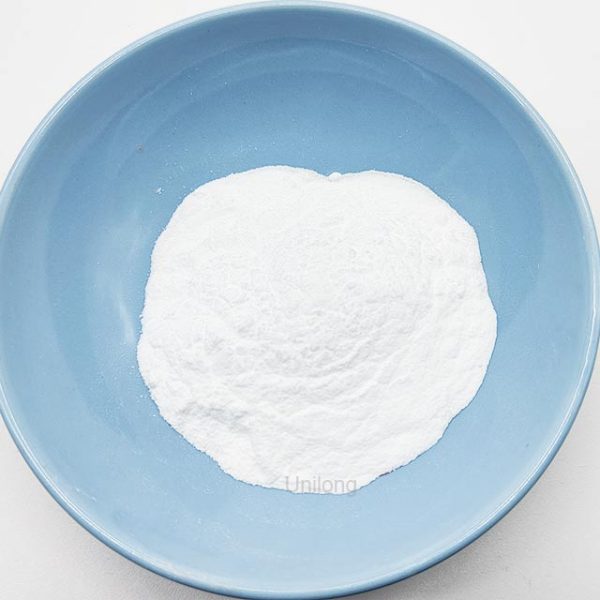
Frequently Asked Questions from Factory Managers
Q1: How do I choose the right grade of E461 for my product?
Answer: Focus on viscosity requirements, thermal stability, and solubility. Suppliers like MT Royal provide technical datasheets to guide selection.
Q2: Can methylcellulose E461 replace other stabilizers in my formulation?
Answer: Often yes, but compatibility tests are essential. E461 offers unique thermogelation properties that many other stabilizers do not.
Q3: How should E461 be stored to maintain its effectiveness?
Answer: Keep in a cool, dry environment, sealed from humidity. Moisture exposure can cause clumping and affect hydration.
Q4: What are common mistakes during scaling?
Answer: Ignoring mixing shear rates, water quality, and temperature control. These factors directly affect viscosity and gel strength.
Advantages of Partnering with MT Royal
Choosing MT Royal as your Stabilizer Methylcellulose E461 Supplier provides several tangible advantages:
- Consistency and Quality Assurance: Each batch meets strict industrial and regulatory standards.
- Technical Expertise: Our team works alongside your R&D and production departments to optimize formulations.
- Competitive Pricing: Reliable supply chains ensure cost-effective sourcing without compromising quality.
- Trusted Industrial Partnership: We support a wide range of industries, from food processing to construction materials, ensuring practical solutions for complex production challenges.
We have witnessed how consistent supply and technical guidance can transform production reliability, reduce waste, and increase profitability—benefits that extend far beyond the purchase of raw materials.
Integrating Methylcellulose E461 for Industrial Success
For industrial operators, the choice of Stabilizer Methylcellulose E461 Supplier is intertwined with operational strategy. By selecting a reliable, knowledgeable supplier like MT Royal, factories can:
- Minimize batch-to-batch variation
- Maintain product quality across production lines
- Improve process efficiency and reduce downtime
- Ensure regulatory compliance with minimal effort
The result is a production system that runs predictably, with quality that consistently satisfies clients and regulatory bodies alike. In high-volume production, even minor inconsistencies can translate to substantial financial losses, making the right supplier not just a vendor, but a critical partner in industrial success.
Conclusion
In today’s competitive industrial landscape, methylcellulose E461 is more than a stabilizer; it is a tool for consistency, quality, and profitability. Selecting the right supplier is equally critical. By choosing MT Royal, manufacturers benefit from unmatched reliability, technical support, and industrial insight. From food processing to pharmaceuticals and construction materials, our commitment to quality and consistency ensures that your production lines operate smoothly, efficiently, and profitably—batch after batch.
Investing in high-quality E461 is not merely a cost; it is an investment in operational excellence, customer satisfaction, and long-term industrial success.



No comment