

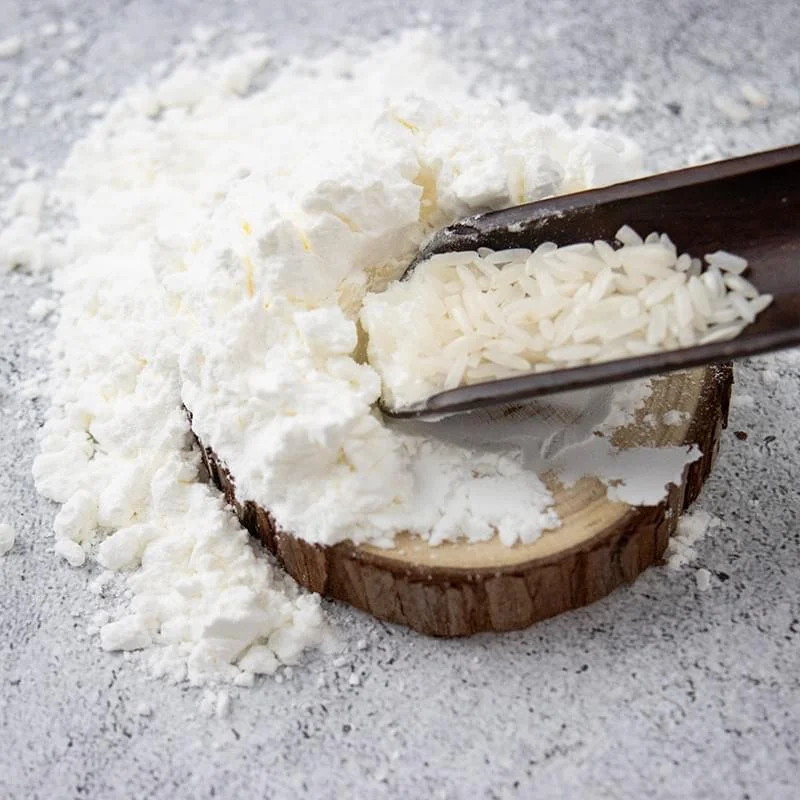
In modern manufacturing, some ingredients work loudly, others quietly. Stabilizer rice starch belongs to the second category. It does not shout its presence on a label, yet it shapes texture, controls viscosity, improves mouthfeel, and stabilizes entire formulations. When sourced in bulk, this ingredient becomes even more strategic—affecting cost structure, process efficiency, and long-term product consistency.
Factories that partner with MT Royal usually reach the same conclusion before they contact us: sourcing Stabilizer Rice Starch Bulk is not a purchasing task, it is a production decision. They are not simply buying starch; they are locking in texture behavior, batch consistency, and operational predictability for months or even years ahead.
This article is written for manufacturers, procurement managers, R&D teams, and operations leaders who want a complete, experience-based understanding of bulk stabilizer rice starch—how it works, where sourcing fails, and why the right supplier relationship can quietly elevate your entire production system.
Understanding Stabilizer Rice Starch: Core Concepts That Matter in Factories
Rice starch is derived from rice grains and is known for its fine granule size, neutral taste, and smooth texture. When used as a stabilizer, rice starch plays a functional role that goes far beyond simple thickening.
In industrial applications, stabilizer rice starch contributes to:
- Viscosity control without gumminess
- Clean, short texture and smooth mouthfeel
- Suspension stability in emulsions and dispersions
- Improved freeze–thaw performance in selected formulations
- Label-friendly formulations in clean-label strategies
What makes rice starch particularly valuable is its subtlety. Unlike some starches that dominate texture, rice starch supports the system quietly, allowing flavors, proteins, or fats to remain in focus.
When purchased in bulk, these functional properties must remain consistent across large volumes and long production cycles. That is where sourcing discipline becomes critical.
Why Bulk Sourcing Changes the Equation
Buying stabilizer rice starch in bulk is not simply about scale. It changes how risk, cost, and performance behave inside your operation.
Bulk sourcing affects:
- Batch-to-batch consistency
- Inventory management and storage conditions
- Cost-in-use rather than unit price
- Production planning and line scheduling
- Supplier dependency and flexibility
We have seen factories that sourced rice starch spot-by-spot struggle with viscosity drift and reformulation fatigue. When they moved to a controlled Stabilizer Rice Starch Bulk supply strategy, those problems gradually disappeared—not because the formulation changed, but because the ingredient stopped changing.
Native vs. Modified Rice Starch in Stabilization Applications
One of the most common technical discussions around rice starch is whether native grades are sufficient or modified versions are required.
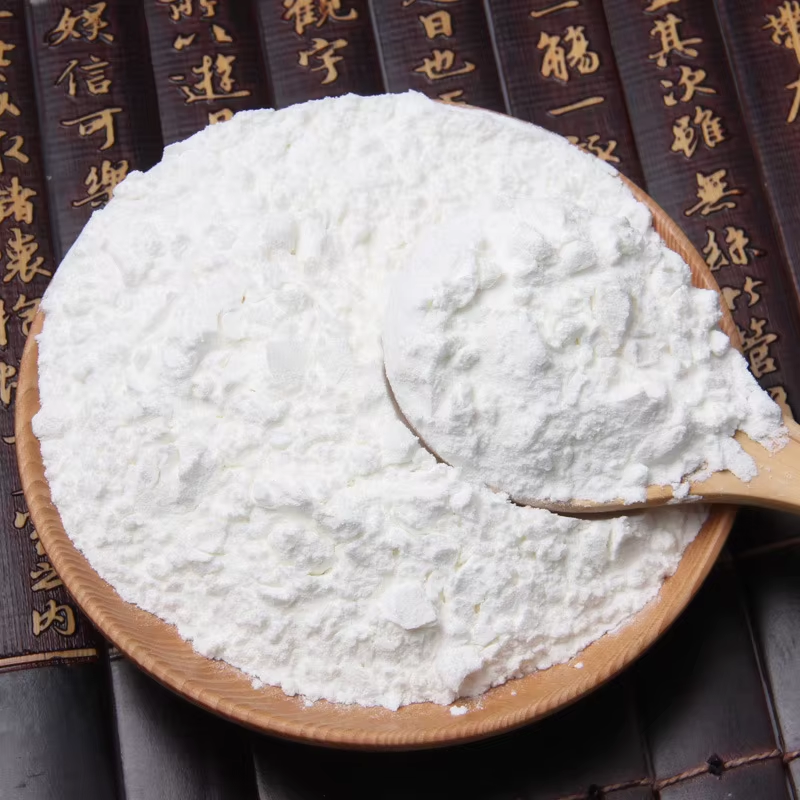
Native rice starch is prized for its clean-label appeal and gentle functionality. It performs well in low to moderate processing conditions, offering smooth texture and neutral flavor.
Modified stabilizer rice starches, on the other hand, are designed to withstand higher shear, thermal stress, or acidic environments. Physical or enzymatic modifications enhance stability without dramatically altering sensory properties.
A reliable bulk supplier does not push one option universally. Instead, they align starch type with your processing reality—cooking temperature, holding time, mechanical stress, and final product expectations.
Common Industrial Mistakes When Sourcing Rice Starch in Bulk
Even experienced manufacturers repeat the same sourcing errors, often because rice starch appears “safe” compared to more complex additives.
Treating Rice Starch as a Commodity Ingredient
Rice starch quality varies significantly based on rice variety, milling method, and drying technology. Assuming all rice starch behaves the same leads to unpredictable performance.
Overlooking Moisture and Storage Sensitivity
Bulk starch is sensitive to humidity and packaging quality. Poorly managed bulk shipments can arrive within specification yet perform poorly due to moisture migration.
Choosing Price Over Functional Consistency
Lower-priced starch may require higher dosage or lead to textural instability. The real cost shows up in yield loss and quality deviations, not on the invoice.
Stabilizer Rice Starch vs. Other Common Stabilizers
In formulation development, rice starch often competes with corn starch, potato starch, tapioca starch, and hydrocolloids.
Compared to corn starch, rice starch offers a finer texture and cleaner mouthfeel. Against potato starch, it delivers more subtle viscosity and less opacity. Compared to tapioca starch, rice starch often provides better control in delicate systems. And unlike many gums, rice starch integrates easily without restructuring the formulation.
For manufacturers targeting premium texture, clean labeling, or sensory neutrality, Stabilizer Rice Starch Bulk offers a unique balance—provided it is sourced correctly.
Industrial Performance Under Real Processing Conditions
In real factories, rice starch must perform under conditions far removed from laboratory tests. These include:
- Continuous mixing and pumping
- Heat treatment and cooling cycles
- Interaction with proteins, sugars, and fats
- Long residence times in tanks and pipelines
We have worked with factories where minor changes in rice starch granulation caused major downstream issues. We have also seen how consistent bulk sourcing stabilized entire product lines without any formulation changes.
At MT Royal, we have seen that the right rice starch source often reduces operator intervention, simplifies quality control, and improves overall line efficiency.
What Defines a Reliable Stabilizer Rice Starch Bulk Supplier
Not every supplier is equipped to support bulk industrial demand. Manufacturers should evaluate suppliers beyond brochures and price lists.
Consistency at Scale
Can the supplier maintain functional performance across large volumes and repeated shipments? This requires strict raw material control and process standardization.
Technical Understanding
Does the supplier understand your application, or do they simply sell specifications? Experience shows in problem-solving, not promises.
Multi-Brand and Multi-Origin Access
Suppliers like MT Royal who work with multiple producers offer flexibility without sacrificing performance. This protects your factory from supply disruptions.
Competitive and Predictable Pricing
Bulk sourcing requires price stability. A professional supplier structures contracts to reduce volatility and protect your margins.
Global Trends Influencing Rice Starch Bulk Supply
Rice starch demand is rising globally, driven by clean-label trends, gluten-free formulations, and premium texture requirements. At the same time, rice cultivation faces climate variability and regional supply pressures.
Manufacturers who rely on a single origin or supplier are more exposed to these risks. Strategic sourcing through an experienced bulk supplier helps factories maintain continuity even during market fluctuations.
A strong Stabilizer Rice Starch Bulk strategy is not reactive; it is built for resilience.
Frequently Asked Questions from Factory Managers and Buyers
Is rice starch suitable for high-shear systems?
Modified grades often perform better, depending on processing intensity.
Does rice starch affect flavor?
High-quality rice starch is neutral and supports clean flavor release.
Can bulk sourcing reduce overall formulation cost?
Yes. Consistent performance often allows dosage optimization and waste reduction.
What documentation should accompany bulk shipments?
Specifications, COA, traceability records, and compliance documentation suitable for audits.
MT Royal’s Role in Bulk Rice Starch Supply
MT Royal operates as a sourcing partner rather than a single-brand distributor. By working with multiple reputable producers, we help manufacturers access stabilizer rice starch options that align with both technical and commercial requirements.
We have seen factories move from reactive troubleshooting to stable, predictable production simply by changing how they sourced rice starch. We have supported manufacturers who needed flexibility without sacrificing consistency. And we continue to work with teams who understand that ingredients are part of their process—not just inputs.
Using “we” intentionally matters here. We have been inside these supply chains. We have seen where they break. And we have helped rebuild them in ways that last.
When Subtle Stability Becomes a Strategic Advantage
Rice starch will never be the headline ingredient on your label. But when it fails, everyone notices. Texture shifts, viscosity drifts, and quality complaints follow.
Choosing the right Stabilizer Rice Starch Bulk supply strategy is one of those decisions that quietly defines your operational maturity. It reduces noise in production, supports consistent quality, and frees your team to focus on innovation rather than firefighting.
Factories that understand this do not chase starch. They choose partners.



No comment