

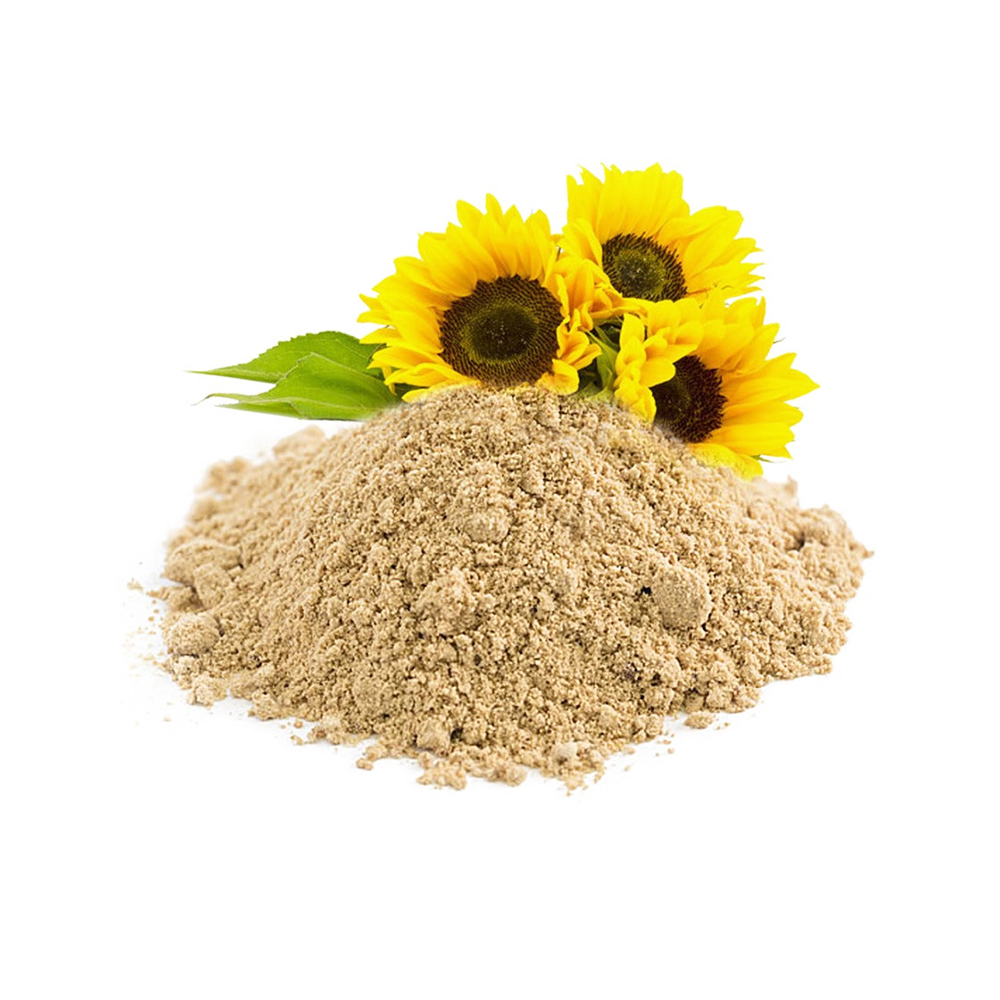
Finding the right Sunflower lecithin supplier in Egypt has become a priority for factories that aim to produce cleaner, more stable, and globally competitive products. Whether you operate in food production, chocolate manufacturing, bakery, beverages, supplements, pharmaceuticals, infant nutrition, or cosmetics, the shift toward clean-label formulations has made sunflower lecithin one of the most valuable emulsifiers in modern industrial processes.
Many purchasing managers in Egypt today face the difficult challenge of selecting suppliers who deliver consistent quality, transparent documentation, competitive pricing, and reliable logistics. One weak link in this chain—such as poor storage conditions, long lead times, or inconsistent phospholipid content—can disrupt the entire production line. This is why manufacturers increasingly look for trusted partners like MT Royal who understand the technical demands of local industries.
From our experience working closely with factories across the MENA region, we have seen how the right lecithin supply strategy can reduce production costs, improve product stability, and help factories meet evolving market expectations. This comprehensive guide will give you all the insights you need to choose the best sunflower lecithin supplier for your factory in Egypt.
The Role of Sunflower Lecithin in Modern Industrial Production
Sunflower lecithin is derived from sunflower seeds and has become one of the most sought-after alternatives to soy lecithin—especially in markets demanding Non-GMO, allergen-free, clean-label, and organic-friendly ingredients. Unlike soy lecithin, it carries no allergen concerns and aligns perfectly with new regulatory and consumer trends.
Industries in Egypt using sunflower lecithin include:
- Chocolate and confectionery
- Premium bakery products
- Plant-based foods
- Infant formulas
- Nutraceuticals and supplements
- Instant beverages
- Sauces and dressings
- Dairy and non-dairy alternatives
- Cosmetics and skincare formulations
- Animal nutrition and aquaculture
Its functions go far beyond emulsification. Sunflower lecithin improves viscosity, enhances texture, stabilizes blends, improves mouthfeel, increases bioavailability of nutrients, and prevents crystallization in chocolate.
Its rising demand in Egypt is directly tied to three global trends:
Clean Label, Non-GMO, and Allergen-Free manufacturing.
Why Manufacturers in Egypt Are Switching to Sunflower Lecithin
1. Clean Label Demand
Consumers increasingly avoid artificial or allergenic additives. Sunflower lecithin is naturally clean-label and considered a premium ingredient.
2. Non-GMO Compliance
While soy lecithin is widely available, Non-GMO varieties are more expensive. Sunflower lecithin provides a naturally GMO-free alternative.
3. Allergen-Free Advantage
Since soy is a major allergen, many exporters avoid it. Sunflower lecithin circumvents this issue entirely.
4. Superior Performance in Certain Applications
In chocolate, sunflower lecithin improves viscosity without adding off-flavors. In supplements, it enhances nutrient absorption.
5. Better Compatibility with European Export Standards
Egyptian producers exporting to Europe find sunflower lecithin more compliant with regulatory expectations.
What to Look for in a Sunflower Lecithin Supplier in Egypt
Choosing a supplier is not simply about “who has stock.” It is about evaluating reliability, documentation, and technical expertise. Below are the critical factors Egyptian manufacturers must examine.
1. Certificate Transparency
A trustworthy supplier should provide:
- Certificate of Analysis (COA)
- MSDS
- Non-GMO documentation
- Kosher & Halal certificates
- Origin verification
- Batch traceability
Lack of transparency often signals supply inconsistencies.
2. Product Form Options
Sunflower lecithin comes in:
- Liquid (standard for chocolate, bakery)
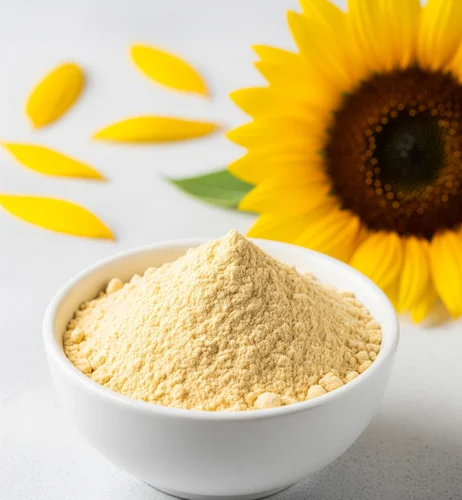
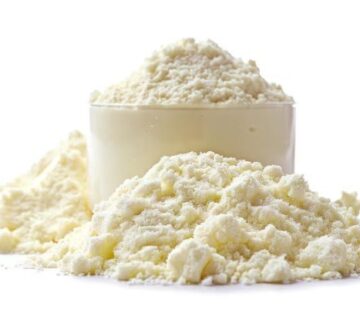
- Powder (supplements, instant beverages, animal feed)
- Granular (easy handling and reduced dust formation)
Each form behaves differently in industrial processes. MT Royal, for example, offers all major forms based on factory requirements, making sourcing easier for procurement managers.
3. Consistency in Specifications
Key parameters to check:
- Acetone-insoluble phospholipid content
- Acid value
- Moisture percentage
- Peroxide value
- Viscosity
- Color and odor
Even small deviations can lead to noticeable defects in final products.
4. Reliable Storage and Logistics
Lecithin is sensitive to heat and oxidation. Egypt’s hot climate makes proper storage and transportation essential.
A supplier must ensure stable storage conditions, especially during summer.
5. Competitive and Stable Pricing
Sunflower lecithin pricing depends on:
- Sunflower oil markets
- EU production cycles
- Global demand for Non-GMO ingredients
A supplier who offers stable contract pricing protects your factory from fluctuations.
6. Technical Support
Factories often need help with:
- Dosage optimization
- Formulation challenges
- Replacing soy lecithin with sunflower lecithin
- Scaling production from pilot to full capacity
We have worked with several factories transitioning from soy to sunflower lecithin, and we’ve seen that technical support significantly reduces trial-and-error costs.
Common Mistakes Egyptian Manufacturers Make When Choosing a Sunflower Lecithin Supplier
Mistake 1: Choosing solely based on price
Cheaper lecithin may:
- Oxidize faster
- Contain unstable phospholipid levels
- Affect viscosity control
- Produce off-taste in chocolate
Price matters, but adopting a “lowest price wins” mentality often leads to hidden production costs.
Mistake 2: Not considering lecithin form
Some procurement departments mistakenly order liquid lecithin for process lines that require powder, causing:
- Mixing issues
- Texture instability
- Increased dissolution time
Mistake 3: Skipping pilot testing
In chocolate—especially under Egyptian climate conditions—pilot testing is essential before placing bulk orders.
Mistake 4: Ignoring shelf-life and storage
Sunflower lecithin may oxidize if exposed to high temperatures. Suppliers must ensure cool-chain logistics.
Mistake 5: Not requesting documentation
Missing Non-GMO or origin certifications can delay export shipments.
A Comparison Manufacturers Should Know: Sunflower vs. Soy Lecithin
| Feature | Sunflower Lecithin | Soy Lecithin |
|---|---|---|
| GMO Risk | None | High (unless certified) |
| Allergen | None | Soy allergen |
| Flavor Impact | Neutral | Slight off-notes in delicate products |
| Clean Label | Excellent | Lower |
| Cost | Higher | Economical |
| Applications | High-end chocolate, supplements, infant formula | General food, bakery |
Many Egyptian manufacturers targeting export or premium products are transitioning to sunflower lecithin due to its clean-label advantage.
Industrial Tips for Large-Scale Production in Egypt
These insights come from real situations we’ve observed while working with regional factories.
1. Optimal Dosage
Typical use levels:
- Chocolate: 0.3% – 0.7%
- Bakery: 0.2% – 0.4%
- Instant beverages: 0.5% – 1.0%
- Supplements: 1% – 3% depending on formulation
2. Viscosity Handling
Sunflower lecithin thickens at lower temperatures. Ensure controlled heating around 35–40°C before blending.
3. Compatibility with Other Emulsifiers
Factories often combine sunflower lecithin with:
- PGPR (for chocolate)
- Mono- and diglycerides
- Polysorbates
- Enzymes (in bakery applications)
4. Avoid Overheating
Exposing lecithin to temperatures above 60°C may:
- Reduce performance
- Darken color
- Produce off-aromas
5. Transitioning from Soy to Sunflower
Switching requires retesting viscosity, as sunflower lecithin typically requires slightly higher dosage.
Frequently Asked Questions from Egyptian Factory Managers
1. Why is sunflower lecithin more expensive?
Because it is naturally Non-GMO, allergen-free, and mainly produced in Europe where manufacturing costs and plant oil prices are higher.
2. Can sunflower lecithin fully replace soy lecithin?
Yes, in most applications. Some formulations may require slight dosage adjustments.
3. Is it suitable for infant formula?
Absolutely. It is often preferred in high-purity nutritional powders.
4. What form is best for supplements?
Powdered sunflower lecithin provides superior dispersibility and is easier to encapsulate.
5. Does MT Royal offer multiple sunflower lecithin brands?
Yes. MT Royal works with several global manufacturers, allowing factories to choose based on budget, viscosity, and specification requirements.
6. What is the typical shelf-life?
Generally 24 months under proper storage conditions.
Why MT Royal is a Trusted Sunflower Lecithin Supplier for Egyptian Manufacturers
MT Royal has become a reliable partner for factories looking for stable supply, consistent quality, and competitive pricing. Instead of acting as a traditional trading company, our approach focuses on building long-term supply relationships that support industrial growth.
We have worked with factories across different sectors and have seen firsthand how sunflower lecithin quality affects product outcomes. By offering multiple origins, technical assistance, and documented quality assurance, MT Royal helps factories reduce risk and improve performance.
Manufacturers prefer MT Royal because:
- Stock availability is stable
- Documentation is fully transparent
- Technical guidance is provided when needed
- Multiple global brands are available
- Logistics into Egypt are optimized
- Pricing is competitive and predictable
A dependable partner becomes an extension of your supply chain—not just another vendor.
Closing Perspective
Industrial success depends on the strength of every ingredient in the production chain. Sunflower lecithin may appear to be a small part of your formulation, but its impact on stability, texture, compliance, and customer perception is far larger than its percentage in the mix. Factories that choose their Sunflower lecithin supplier in Egypt wisely position themselves for strong product performance, export readiness, and long-term customer trust.
A reliable supplier is not just a provider of emulsifiers—it is a partner that helps you manufacture with confidence.

No comment