

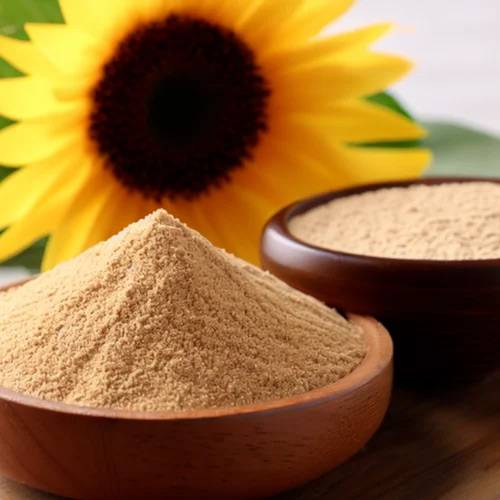
Finding a reliable sunflower lecithin supplier in Jordan is one of the most important decisions for manufacturers in food, nutraceutical, pharmaceutical, and cosmetic industries. While lecithin might appear as a simple additive at first glance, its impact on emulsification, texture, stability, and even shelf life is profound. Inconsistent quality or delayed supply can halt production lines, damage product integrity, and increase costs. That’s why many Jordanian factories turn to MT Royal, a trusted partner for sunflower lecithin, to ensure their operations run smoothly and efficiently.
We have collaborated with multiple manufacturers across Jordan and observed that the right supplier not only delivers a product but also provides guidance, documentation, and technical insights that directly improve production outcomes. Choosing the right lecithin is not just about cost; it’s about reliability, consistency, and the confidence to scale production without risk.
Understanding Sunflower Lecithin and Its Role in Industry
Sunflower lecithin is extracted from sunflower seeds and is naturally non-GMO, which makes it particularly appealing for markets with strict labeling requirements or for health-conscious consumers. Unlike soy lecithin, it avoids many allergen concerns and can simplify compliance with international standards. Its chemical composition—rich in phospholipids like phosphatidylcholine and phosphatidylethanolamine—gives it exceptional emulsifying, dispersing, and stabilizing properties.
In practical terms, this means sunflower lecithin can influence the performance of products across multiple industries. For example, in chocolate production, it ensures uniform viscosity, prevents fat bloom, and improves mouthfeel. In baked goods, it maintains dough consistency and prolongs freshness. For nutraceuticals, lecithin helps in uniform mixing of powders and enhances bioavailability in capsules or tablets. In cosmetics, it stabilizes emulsions, improves texture, and contributes to product efficacy.
A factory manager once shared with us that after switching from a generic soy lecithin to high-quality sunflower lecithin, their chocolate line saw a significant reduction in tempering failures, and even minor adjustments in processing times resulted in measurable improvements in texture. This highlights that lecithin is not just an ingredient—it is a key component that affects the overall success of industrial formulations.
Choosing the Right Form of Sunflower Lecithin
Sunflower lecithin comes in liquid and powdered forms, each with distinct industrial advantages. Liquid lecithin has higher phospholipid content, making it ideal for continuous processes or recipes that require smooth emulsification. It is particularly effective in chocolate, margarine, and sauces. However, its sensitivity to temperature and light means it must be stored in controlled environments to prevent oxidation and degradation.
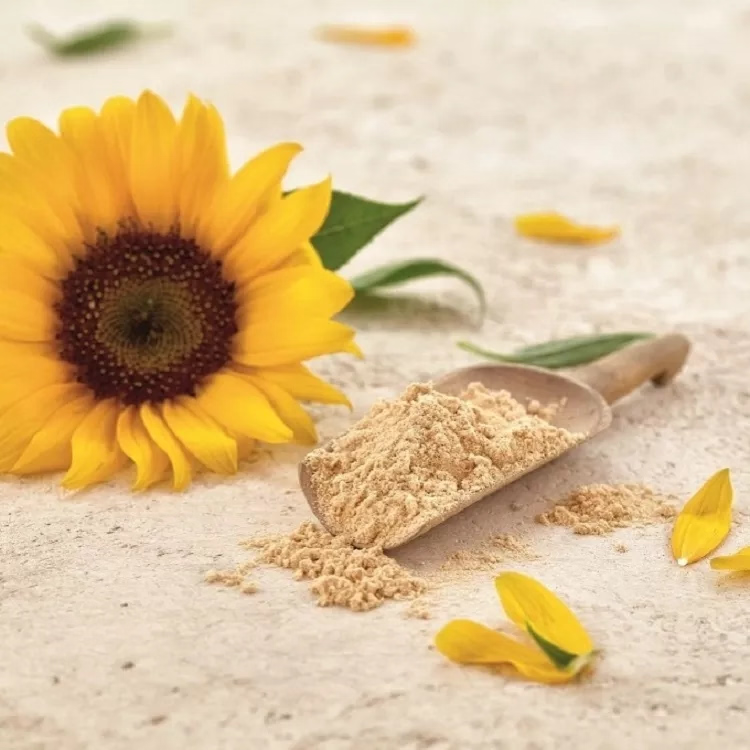
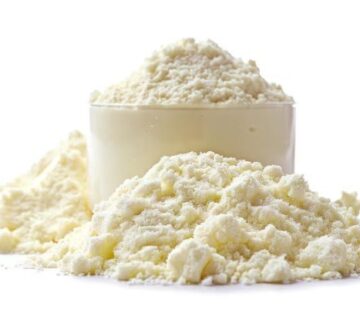
Powdered lecithin, often spray-dried or granulated, provides easier handling, longer shelf life, and consistent dosing in dry formulations, nutritional supplements, or bakery mixes. For large-scale production lines, powder ensures uniform distribution across ingredients, reducing variability and waste.
We have witnessed production teams in Jordan reduce rework by 10–15% simply by switching from a liquid form to a powdered form for dry supplement formulations, because the powder blended more consistently with other ingredients in high-speed mixers.
Common Sourcing Mistakes and How to Avoid Them
Even experienced procurement teams can make mistakes that disrupt production. One recurring issue is focusing solely on price. Low-cost lecithin may initially seem attractive but often comes with hidden costs: inconsistent emulsification, higher moisture content, and variable phospholipid levels can compromise product quality and necessitate reprocessing.
Another common mistake is neglecting supplier documentation. Certificates of Analysis (COA), material safety data sheets (MSDS), and quality certifications such as ISO 22000 or HACCP are not optional—they are essential. Without them, factories risk non-compliance with regulatory audits or export requirements.
Storage errors also frequently lead to quality degradation. Liquid lecithin left in warm or light-exposed conditions can oxidize, while powdered lecithin stored in high-humidity areas can clump or attract microbial growth. Partnering with suppliers who provide guidance on storage and shelf life is crucial.
Finally, inadequate supply planning is a source of stress in many factories. Delays due to insufficient inventory or unreliable shipping schedules can halt production lines. Strategic partnerships with suppliers who maintain local stock in Jordan and understand industrial logistics help prevent such disruptions. We have helped clients optimize procurement schedules and storage conditions, which has directly improved production continuity.
Technical Considerations for Industrial Applications
When sourcing sunflower lecithin, manufacturers need to consider several technical factors beyond price:
- Phospholipid content: Higher content ensures stronger emulsifying properties, critical in chocolate, sauces, and cosmetics.
- Moisture and free fatty acids: Excess moisture or high acidity reduces shelf life and can destabilize formulations.
- Particle size (for powders): Uniform size distribution improves blending and dosage accuracy in dry mixes.
- Batch consistency: Regular COA checks and supplier reliability ensure that every batch performs as expected.
Understanding these factors allows factory teams to prevent production variability and avoid costly mistakes. For instance, a Jordanian bakery that ignored phospholipid content experienced dough consistency issues, which disappeared only after switching to a supplier providing COA-verified lecithin.
Industrial Applications and Case Insights
Food and Beverage: Sunflower lecithin improves chocolate flow, prevents fat bloom, stabilizes emulsions in spreads and margarine, and maintains texture in baked goods. In beverage emulsions, it ensures oil-soluble ingredients remain suspended, avoiding sedimentation.
Nutraceuticals and Pharmaceuticals: Lecithin facilitates uniform blending of powders, improves bioavailability in capsules, and acts as a carrier for lipid-soluble active compounds. Factories producing supplements or tablets often rely on technical advice from suppliers to determine optimal dosage and form.
Cosmetics and Personal Care: Lecithin stabilizes oil-in-water emulsions in creams, lotions, and serums, enhances skin absorption, and improves overall texture. Using high-quality sunflower lecithin reduces the risk of phase separation or instability during storage.
Animal Feed: Lecithin enhances nutrient absorption, improves feed palatability, and maintains consistency in pelleted or powdered feed formulations. Industrial-grade lecithin ensures functional benefits without compromising nutritional quality.
Frequently Asked Questions by Factory Managers in Jordan
Which form should I use—liquid or powder?
Liquid lecithin works best for continuous emulsions, chocolate, and spreads. Powdered lecithin excels in dry mixes, supplements, and high-speed bakery production. Always verify COA and consult your supplier about your specific process needs.
How should sunflower lecithin be stored?
Liquid forms should be kept in cool, dark conditions in sealed drums. Powdered lecithin requires moisture-resistant, airtight packaging and relative humidity below 60%. Implementing FIFO ensures older batches are used first, preserving quality.
Can lecithin quality affect shelf life?
Absolutely. Poor-quality lecithin can lead to phase separation, rancidity, textural changes, or inconsistent emulsification. High-quality sunflower lecithin ensures stability and product performance over time.
How can I manage procurement for large-scale production?
Forecast demand carefully, maintain buffer stock, and work with suppliers experienced in industrial logistics. Accurate planning and proactive collaboration prevent shortages and minimize emergency orders.
Is there a difference between soy and sunflower lecithin?
Sunflower lecithin is non-GMO by default, emulsifies slightly faster, and generally has a lighter flavor. Choosing the right source depends on regulatory requirements, product specifications, and desired performance.
Market Trends and Strategic Considerations in Jordan
The demand for sunflower lecithin in Jordan is rising due to multiple factors:
- Non-GMO ingredients are increasingly preferred in health-focused food products.
- Growth in chocolate, bakery, and nutritional supplement manufacturing drives higher industrial consumption.
- Price volatility in global oilseed markets requires careful supplier selection and inventory planning.
- Regulatory standards and export requirements emphasize certification, documentation, and traceability.
Factories that partner with a supplier like MT Royal gain the advantage of consistent quality, technical support, and local availability, mitigating these market risks.
Why MT Royal is a Trusted Sunflower Lecithin Supplier in Jordan
MT Royal has become a reliable partner for manufacturers due to its combination of quality, technical expertise, and dependable supply. Factories benefit from:
- Access to bulk liquid and powdered sunflower lecithin with verified COA
- Technical support for emulsification, blending, and process optimization
- Transparent pricing and local inventory in Jordan
- Guidance on storage, shelf life, and application-specific recommendations
We have seen clients improve production efficiency and product quality by collaborating closely with MT Royal, demonstrating the tangible benefits of a strategic supplier relationship.
Strategic Takeaways for Manufacturers
Sunflower lecithin is more than an ingredient—it is a functional component that affects every aspect of your product, from texture and stability to regulatory compliance. Manufacturers who approach sourcing strategically—evaluating quality, consistency, and technical support—enjoy smoother operations, reduced waste, and more predictable results.
Selecting the right supplier in Jordan ensures uninterrupted production, consistent product quality, and a competitive advantage in local and export markets. By treating sunflower lecithin procurement as a strategic decision rather than a routine purchase, factories can transform this single ingredient into a driver of efficiency and reliability.

No comment