

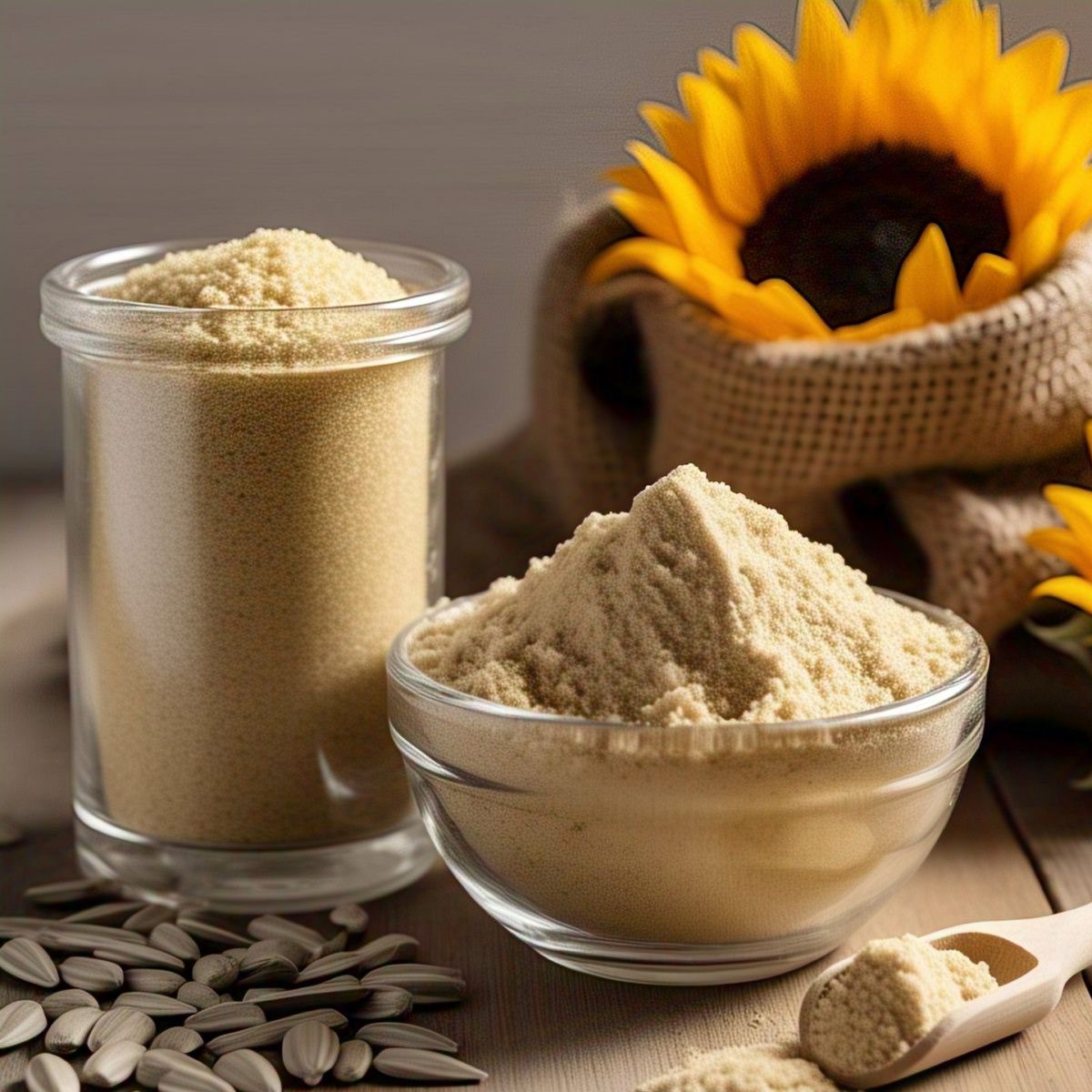
When your factory’s production consistency, product performance, and operational efficiency depend on the subtle interplay of ingredients, the role of a Sunflower lecithin supplier in Libya becomes far more than a simple line item in a procurement spreadsheet. Whether you operate in food processing, animal nutrition, pharmaceuticals, or personal care manufacturing, the emulsifier you source affects texture, yield, shelf stability, and even regulatory compliance. Selecting a dependable partner with deep industrial experience and broad supply options—such as MT Royal—is not merely about product delivery; it’s about enabling reliable production cycles and empowering your quality assurance and development teams to perform without interruption.
In our collaboration with various factories, we have seen that early sourcing decisions compound downstream effects: a microscopic variation in lecithin quality can expand into major production variability when multiplied across thousands of batches. This article goes beyond superficial supplier lists and price comparisons. Here, you will find robust analysis, practical checklists, technical sourcing frameworks, and strategic guidance to help your procurement and production teams make decisions with confidence. By the end, you’ll understand not only who to partner with, but why the right sunflower lecithin matters to your bottom line, your regulatory posture, and your manufacturing resilience.
What Is Sunflower Lecithin and Why Does It Matter?
At a molecular level, lecithin is a group of phospholipids with amphiphilic characteristics—meaning one end of the molecule seeks water while the other gravitates toward fats. This structure enables lecithin to reduce surface tension between immiscible phases—a critical function in emulsification, dispersion, and stabilization.
Sunflower lecithin, specifically, is derived from sunflower seeds. It is prized for several industrial reasons:
- It is naturally non‑allergenic, avoiding soy allergen declarations that complicate labeling in many export markets.
- It is often produced from non‑GMO crops, aligning with clean‑label trends and regulatory requirements in regions like Europe and North Africa.
- Its phospholipid profile supports robust emulsification, yielding consistent texture and improved processing behavior.
In industrial production environments, lecithin’s contribution extends far beyond emulsification. It influences:
- Dough machinability in baked goods
- Viscosity control in chocolate and confectionery
- Stability of sauces, dressings, and margarine
- Wettability in dry powders and instant beverage mixes
- Nutrient absorption in animal feed
- Liposome and carrier formation in pharmaceuticals
- Texture and lotion uniformity in cosmetics
Thus, selecting the correct lecithin grade and a reliable Sunflower lecithin supplier in Libya isn’t a cosmetic choice—it’s a strategic decision that affects your entire value chain.

Libya’s Industrial Context: Why Sunflower Lecithin Procurement Has Grown
Libya’s economic landscape has seen sustained investment in consumer products and industrial manufacturing. Local companies, as well as international partners operating within the country, increasingly require raw materials that match stringent quality expectations both locally and for export.
Several macro trends are driving demand for sunflower lecithin within Libya’s industrial sectors:
- Growth in processed food and bakery manufacturing, where texture and shelf stability are competitive drivers.
- Expanding animal feed markets, which require functional ingredients that improve pellet integrity and digestibility.
- Pharmaceutical production scaling, especially in soft gel capsules and nutraceuticals where phospholipids play critical formulation roles.
- Cosmetics and personal care product diversification, where texture, emulsification, and “natural origin” claims are increasingly required by customers.
These trends have made the role of a dependable Sunflower lecithin supplier in Libya more critical. Factories can no longer tolerate unpredictable lead times, inconsistent documentation, or fluctuating quality grades—especially when managing exports and regulatory audits.
Industrial Applications: Where Sunflower Lecithin Shows Technical Value
Understanding the functional contribution of sunflower lecithin in your specific manufacturing context is essential for optimizing dosage, processing parameters, and quality outcomes.
Food and Beverage Industry
In food production, sunflower lecithin is widely used due to its non‑allergenic profile and functional performance:
- Chocolate and confectionery: Lecithin reduces a mixture’s viscosity, enhancing flow during tempering and molding. Reduced viscosity lowers shear stress on machinery and can reduce cocoa butter usage.
- Bakery and dough systems: Lecithin improves dough elasticity, gas retention, and machinability. This leads to more uniform crumb structure and higher machine line efficiency.
- Margarines and spreads: Stable oil-in-water interfaces ensure uniform texture and reduce phase separation even under temperature fluctuations.
- Sauces and dressings: Lecithin enhances emulsion stability—critical when storing products under varying conditions or shipping to distant markets.
- Instant beverages and powdered mixes: Lecithin improves wettability and prevents clumping, making reconstitution smoother for consumers.
Animal Nutrition and Feed
Feed manufacturers value sunflower lecithin for:
- Improved fat digestibility, which enhances energy uptake in livestock.
- Pellet durability, reducing fines and improving handling.
Lecithin’s role in nutrient absorption can impact feed conversion ratios—an economic factor for livestock, poultry, and aquaculture producers.
Pharmaceuticals and Nutraceuticals
Here, lecithin serves as a critical excipient:
- Liposomes and drug carriers depend on lecithin phospholipids for controlled dispersion and targeted release.
- Soft gel capsules benefit from lecithin’s dispersibility and compatibility with active ingredients.
Quality and traceability are especially crucial in this sector to meet Good Manufacturing Practice (GMP) standards.
Personal Care and Cosmetics
In lotions, creams, and serums:
- Sunflower lecithin acts as a natural emulsifier and skin conditioner, improving product stability and sensory properties.
Consumers increasingly seek products with botanical origins, and sunflower lecithin delivers this while supporting consistent product performance.
How To Evaluate a Sunflower Lecithin Supplier in Libya
Selecting a supplier that consistently meets your technical, logistical, and regulatory expectations requires a multidimensional evaluation framework.
1. Quality Certification and Traceability
A serious Sunflower lecithin supplier in Libya should provide:
- Batch‑specific Certificates of Analysis (COA)
- Phospholipid content data
- Moisture and peroxide values
- Allergen and GMO documentation
- Compliance with food safety and industrial standards (e.g., ISO, HACCP)
Suppliers who cannot provide traceability from seed origin to final delivery should be questioned—especially if your products target export markets with strict compliance regimes.
2. Technical Support and Formulation Expertise
Raw material delivery is necessary—but not sufficient. Advanced suppliers offer:
- Functional performance recommendations tailored to your process
- Pilot trial support
- Troubleshooting insights when your production team encounters unexpected behavior
In our experience assisting manufacturers, we have seen factories solve stubborn production variability simply through technical engagement with suppliers—without changing formulations.
3. Supply Reliability and Logistics Assurance
Industrial manufacturers cannot tolerate unpredictable lead times. Key considerations include:
- Reliable shipping channels into Libya
- Customs documentation support
- Forecasting of delivery windows
- Safety stock management
A supplier who communicates proactively about potential delays reduces operational risk.
4. Cost Transparency and Contract Flexibility
Beyond competitive pricing, your supplier should provide:
- Clear pricing breakdowns
- Flexible volume contracts
- Payment terms that align with production planning
Remember that functional cost efficiency—the cost per unit of successful emulsion performance—is more meaningful than simply the purchase price per kilogram.
Common Mistakes to Avoid in Sunflower Lecithin Sourcing
Even experienced procurement professionals sometimes make avoidable errors when sourcing industrial functional ingredients.
Mistake 1: Prioritizing Price Over Performance
Choosing solely based on the lowest cost per ton can lead to increased usage rates, inconsistent texture, and rework. The right supplier balances cost with documented performance.
Mistake 2: Accepting Incomplete Specifications
Without complete technical data—such as phospholipid profiles and oxidation values—you are effectively purchasing blind. Always request full COAs and review them with your technical staff.
Mistake 3: Ignoring Regulatory and Export Requirements
Factoring regulatory documentation into sourcing decisions early helps avoid costly delays during audits or export approvals.
Mistake 4: Not Planning for Supply Chain Disruptions
Global logistics remain dynamic. Avoid single-source dependency and demand reliable forecasting and contingency plans from your supplier.
Practical Comparisons and Choosing the Right Lecithin Type
In many factories, multiple lecithin types may be considered. Below is a comparison to help match functional need to supply choice:
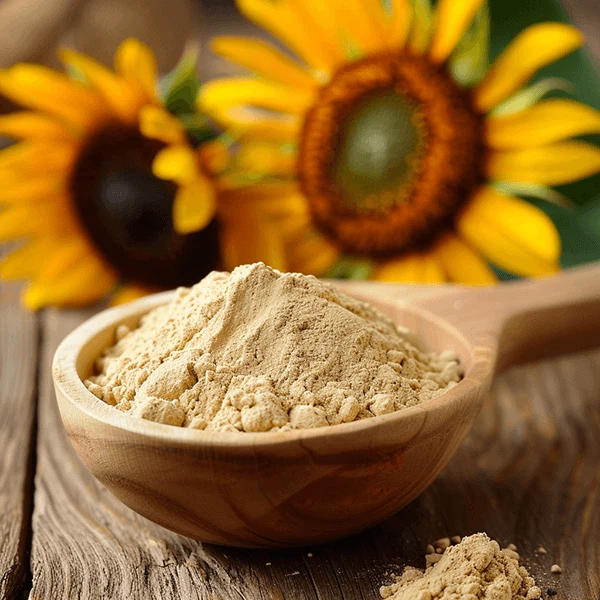
- Liquid vs. Powdered Lecithin
Liquid is easier to pump and mix in large volumes but may be less stable for long‑term storage. Powdered is better for dry formulations and extended shelf life. - Sunflower vs. Soy Lecithin
Sunflower avoids soy allergens and GMO perception. Soy lecithin may offer cost advantages in certain markets but complicates labeling in others. - Hydrolyzed vs. Standard Lecithin
Hydrolyzed lecithin disperses more readily in aqueous systems and offers improved compatibility in high‑performance beverage and cosmetic applications.
Each choice has production implications, and your final decision should flow from technical trials rather than price assumptions.
Industrial Tips for Large‑Scale Production
For manufacturers with high throughput or diverse product lines, optimizing lecithin use can significantly improve yield, reduce waste, and lower operational costs.
Tip 1: Run Controlled Pilot Tests
Small‑scale runs allow your process engineers to:
- Determine optimal dosing
- Validate mixing times
- Check downstream performance
Skipping pilot validation often results in mid‑batch adjustments that disrupt line schedules.
Tip 2: Routine Quality Monitoring
Monitor incoming lots for:
- Viscosity
- Moisture
- Phospholipid composition
Consistent incoming material reduces unexpected variability during production.
Tip 3: Storage Best Practices
Sunflower lecithin is sensitive to heat and humidity. Store it in controlled environments to preserve function and prevent oxidation.
Tip 4: Adjust Incorporation Timing
The step at which lecithin enters your process affects dispersion and final texture. Review your process flow to ensure lecithin addition aligns with optimal mixing stages.
Emerging Trends Shaping Lecithin Supply
Several industry trends are reshaping how sunflower lecithin is procured, specified, and used:
1. Clean‑Label and Allergen‑Free Demand
Consumers increasingly prefer products with recognizable, non‑allergenic ingredients. Sunflower lecithin aligns with this trend and gives manufacturers a competitive claim in global markets.
2. Sustainability and Supply Chain Transparency
Manufacturers now demand insight into:
- How lecithin is sourced
- Social and environmental impact of the supply chain
- Certification of sustainable farming practices
A supplier capable of providing this transparency adds value beyond the material itself.
3. Functional Customization
Instead of off‑the‑shelf products, more manufacturers are asking for tailored lecithin grades optimized for specific applications—whether that means modified phospholipid ratios or controlled viscosity ranges.
4. Digital Integration with Procurement
Leading suppliers are integrating digital portals, e‑traceability tools, and automated quality documentation delivery to streamline workflows.
Factories benefit from reduced administrative overhead and faster decision cycles.
Frequently Asked Questions from Procurement and Production Teams
Q: How do I determine which lecithin grade is best for my application?
A: Functional requirements, processing temperatures, and product stability goals should guide selection. Conduct pilot trials and review technical performance data rather than relying solely on product names.
Q: What certificates should I ask from a Sunflower lecithin supplier in Libya?
A: At minimum, request COAs, allergen declarations, non‑GMO verification if needed, and quality management certifications such as ISO or HACCP.
Q: Can lecithin reduce production costs?
A: Yes—by improving flow, reducing required shear, and enhancing stability, lecithin often lowers energy usage and improves line efficiency.
Q: Why is consistent documentation so important?
A: For audits, regulatory compliance, and export approvals, complete and traceable documentation prevents delays and protects brand reputation.
Q: Are local suppliers always better than international ones?
A: Not necessarily. While local presence can ease logistics, international suppliers with strong distribution networks often provide broader product choices, better technical support, and more reliable certification.
Strategic Value of Partnering with the Right Supplier
Choosing the right Sunflower lecithin supplier in Libya transforms procurement from a transactional purchase into a value‑enhancing partnership. When you work with experienced partners like MT Royal, your factory gains:
- Multi‑brand access for greater formulation flexibility
- Reliable logistics and delivery planning
- Technical support aligned with industrial performance goals
- Documentation and traceability that meet regulatory and export requirements
Sunflower lecithin is not merely an additive—it is a process enabler. It affects not just product characteristics but also manufacturing efficiency, line stability, and customer satisfaction. By aligning sourcing decisions with technical performance metrics, you gain not only higher operational certainty but also strategic resilience in an increasingly competitive market.
Quality ingredients combined with expert sourcing strategies enable your factory to operate with fewer surprises and more confidence, batch after batch.
LATAMARKO LM60 – Premium Spanish-Origin Cocoa Powder
latamarko alkalized cocoa powder lm60
cocoa powder for chocolate production-Best price
Food industry raw materials – list of products


No comment