

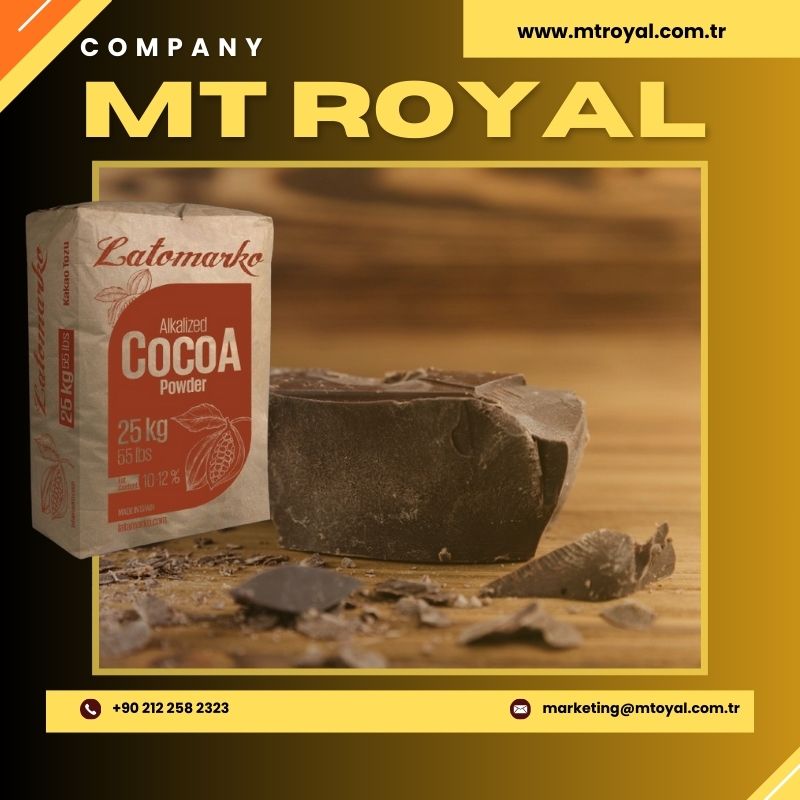
When a chocolate manufacturer in Cairo lines up production schedules for a high-demand season, every ingredient matters — and cocoa powder is no exception. Its consistency, particle size, and flavor profile determine not just the taste of chocolate, but the efficiency, throughput, and yield of the entire plant. For decision-makers in production, procurement, and quality assurance, sourcing cocoa powder is not a transactional task—it’s a strategic choice that affects cost, quality, and operational continuity.
In this article, we’ll explore everything Cairo chocolate manufacturers need to know about industrial cocoa powder supply, including best practices, technical specifications, common pitfalls, actionable guidance for procurement, and nuanced insights into supplier selection. Along the way, we’ll highlight MT Royal as a reliable partner offering multiple competitive brands and touch upon premium European options like Latamarko for operations seeking high-tier performance.
latamarko alkalized cocoa powder lm60
cocoa powder for chocolate production-Best price
Food industry raw materials – list of products
Types of Gelatin from Turkish Manufacturer
The Best Supplier of Alkalized Cocoa Powder in Türkiye
Understanding Industrial Cocoa Powder
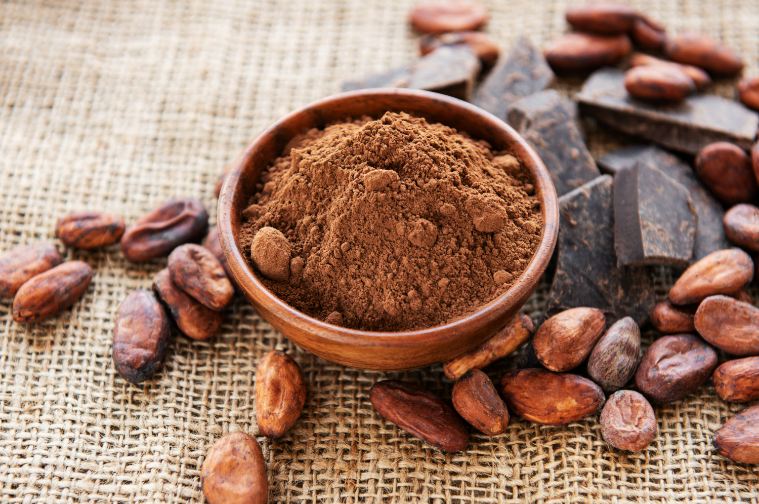
Cocoa powder is derived from pressing cocoa beans to remove most of the cocoa butter, resulting in dry solids that retain chocolate flavor and color. In manufacturing settings, cocoa powder’s performance depends on several critical factors:
- Fat content: Determines mouthfeel, viscosity, and mixing properties.
- Particle size distribution: Impacts smoothness in chocolate, coatings, and fillings.
- Color consistency: Affects visual quality and brand perception.
- Purity and flavor profile: Ensures consistent taste across batches.
High-volume chocolate production requires cocoa powder that behaves predictably in high-speed mixers, tempering systems, and enrobing lines. Variations can disrupt processes, increase waste, and compromise finished product quality.
Why Choosing the Right Supplier Matters
For Cairo’s chocolate industry, the stakes are high. Suppliers impact production in several ways:
1. Operational Efficiency
Consistent cocoa powder ensures smooth operation of industrial mixers, coating machines, and enrobing lines. A supplier providing unpredictable powder can increase downtime, labor intervention, and scrap rates.
2. Cost Management
Low-quality or inconsistent cocoa powder often results in additional corrective processes and rework. Factoring these costs into the total cost of ownership (TCO) demonstrates the value of a reliable supplier like MT Royal.
3. Quality and Brand Integrity
Consumer-facing products depend on consistent taste, color, and texture. Inconsistent cocoa powder can result in products that fail sensory evaluations or do not meet brand standards.
4. Compliance and Traceability
Suppliers must provide certificates of analysis, traceability documentation, and compliance with local regulations. MT Royal emphasizes transparency and documentation, enabling Cairo manufacturers to meet both national and international standards seamlessly.
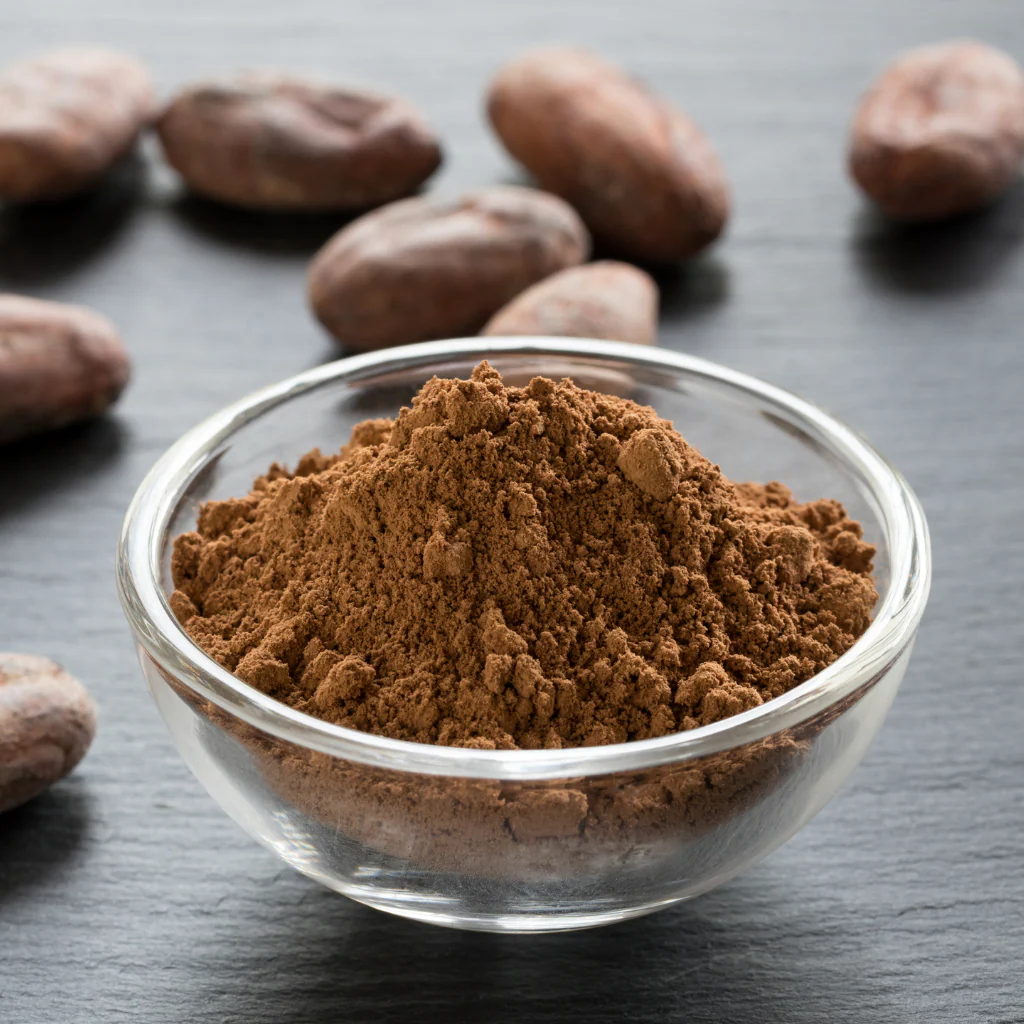
Industrial Cocoa Powder Specifications That Impact Production
Understanding specifications ensures the powder matches the manufacturing process:
| Specification | Importance | Industrial Insight |
|---|---|---|
| Fat content | 10–24% typical | Influences viscosity and melt behavior |
| Particle size | Fine, consistent | Critical for smooth texture and enrobing efficiency |
| Moisture | <5% recommended | Reduces caking and ensures flowability |
| Color | 40–60% standard | Affects visual quality in chocolate |
| Flavor profile | Neutral to slightly acidic | Ensures taste consistency in end products |
Premium suppliers often offer additional lab support to validate these parameters, reducing production surprises. Spanish-origin brands like Latamarko are known for meticulous consistency in particle distribution and thermal stability, making them ideal for high-tier applications.
Step-by-Step Guide to Selecting a Cocoa Powder Supplier in Cairo
- Define Production Requirements
Map your line’s critical process parameters, including viscosity, mixing time, and enrobing speed. - Request Technical Samples
Test cocoa powder in small pilot batches under real operating conditions. - Evaluate Supplier Documentation
Certificates of Analysis, HACCP compliance, GSO or Egyptian regulations adherence, and traceability are essential. - Assess Supply Chain Reliability
Check delivery schedules, buffer stock availability, and responsiveness to sudden demand shifts. - Score Suppliers
Use weighted criteria for quality, logistics, technical support, and total cost of ownership. - Negotiate Contracts with Clarity
Align on minimum order quantities, replenishment cadence, and contingency plans to avoid production interruptions.
At MT Royal, we’ve worked closely with chocolate factories across Cairo to provide cocoa powders that meet precise industrial needs. We support pilot testing, supply chain coordination, and technical problem-solving, ensuring manufacturers can focus on production without unexpected disruptions.
Common Misconceptions in Cocoa Powder Procurement
- “Lowest price equals best value” — ignoring scrap, rework, and production inefficiency can increase total cost.
- “All cocoa powders behave the same” — small differences in fat content, particle size, and moisture can disrupt tempering and mixing.
- “Documentation is optional” — in regulated industries, missing COAs or compliance papers can halt production or exports.
A well-structured supplier evaluation process eliminates these misconceptions.
Industrial Tips and Best Practices
- Maintain a dual-supplier strategy to hedge against supply disruption.
- Conduct quarterly production trials with new cocoa batches.
- Use supplier scorecards to track performance over time.
- Forecast demand accurately and share production schedules with suppliers.
- Prioritize suppliers who offer technical support and actionable insights, not just raw materials.
Real-World Cairo Factory Examples
- Chocolate bar manufacturer: Improved enrobing efficiency by switching to cocoa powder with tighter particle size distribution from MT Royal.
- Artisanal chocolate producer: Reduced mix time by 15% using premium Latamarko cocoa powder, achieving smoother texture in truffles and coatings.
These examples illustrate how supplier selection directly affects production efficiency, quality, and profitability.
Cocoa Powder Quality Tiers
| Tier | Use Case | Benefits | Considerations |
|---|---|---|---|
| Standard industrial | Mass production | Cost-effective | Moderate quality control needed |
| Premium food grade | High-end chocolates | Consistent performance | Slightly higher cost |
| Functional blends | Specialized applications | Optimized processing | Requires technical support |
Premium European options, including Spanish engineering principles as seen in Latamarko, offer high stability and uniformity, ideal for operations where quality cannot be compromised.
Frequently Asked Questions
Q: What is the ideal fat content for cocoa powder in industrial chocolate?
A: 10–24%, depending on the intended viscosity and mouthfeel.
Q: How does particle size affect production?
A: Finer, consistent particles ensure smoother texture and reduce clogging in high-speed mixers.
Q: Can a supplier influence shelf life?
A: Yes. Proper storage, moisture control, and quality ensure longer shelf stability.
Q: Is documentation critical in Cairo?
A: Absolutely. Traceability, COAs, and regulatory compliance prevent production interruptions and audit issues.
Final Thoughts for Cairo Chocolate Manufacturers
Supplying cocoa powder to Cairo’s chocolate manufacturers is more than a logistics challenge — it’s a strategic operational decision. High-quality, consistent cocoa powder reduces production downtime, ensures product integrity, and supports regulatory compliance.
At MT Royal, we supply a broad range of cocoa powder brands at competitive prices, providing both industrial reliability and technical support. Manufacturers who understand the importance of supplier quality, documentation, and responsiveness gain measurable advantages in efficiency, consistency, and product excellence.
Think carefully: Does your current supplier enable your production lines to run smoothly and predictably, or do you spend time correcting variations and troubleshooting unexpected issues? The answer will define your operational success.



No comment