

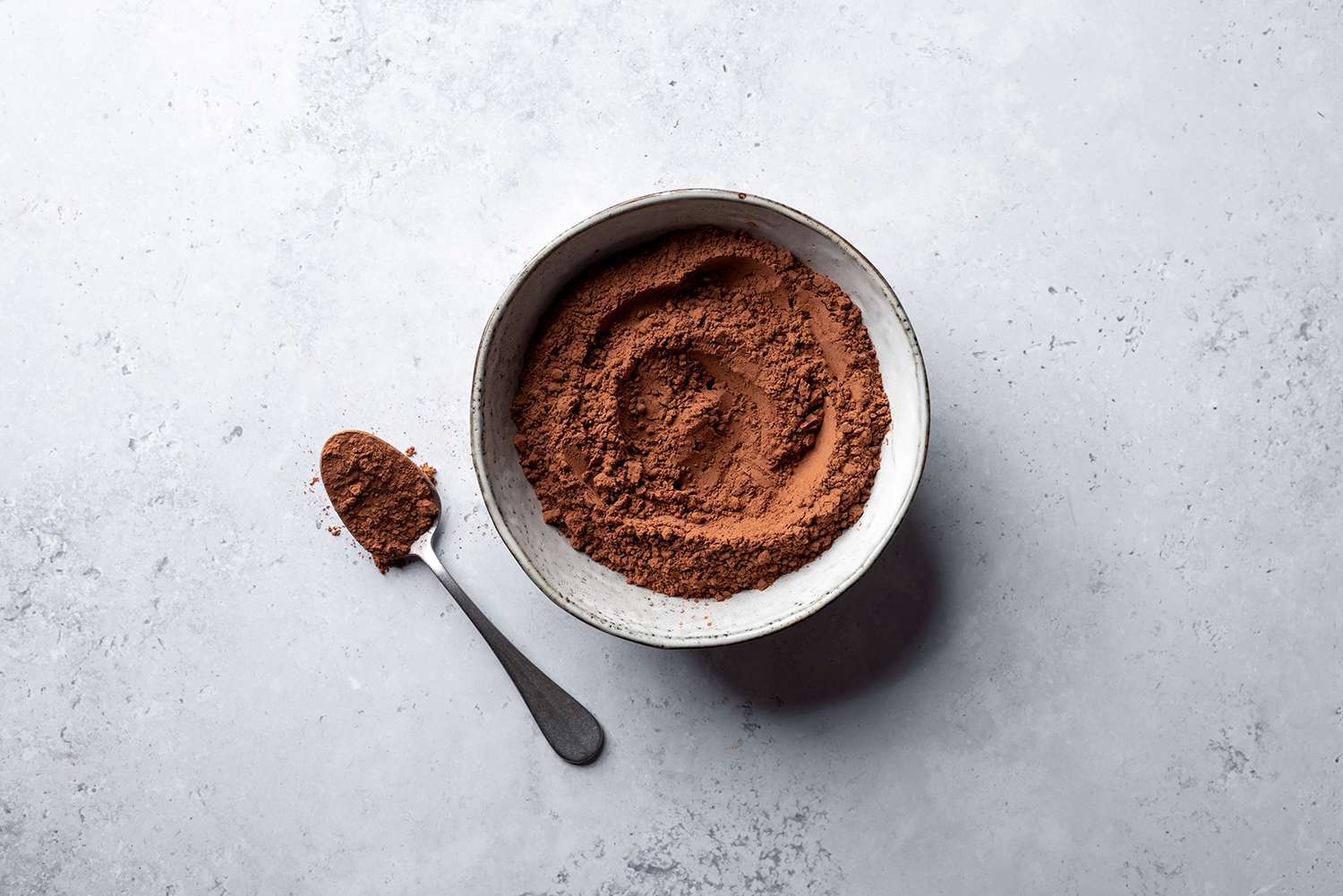
Cocoa powder is one of the most widely used raw materials in the global food industry. For manufacturers in Palestine, it’s not merely a flavoring agent—it’s a cornerstone ingredient in everything from chocolate bars and biscuits to beverages, ice creams, and bakery products. In a market that increasingly values both taste and visual appeal, the right cocoa powder can define the quality, aroma, and even consumer perception of a product.
Yet, supplying cocoa powder to Palestine’s food factories comes with unique challenges. The region’s manufacturing sector depends entirely on imports, and maintaining consistent supply in the face of border delays, global price shifts, and varying supplier standards is a daily operational concern.
At MT Royal, we’ve spent years supporting food factories across Palestine and neighboring markets. We understand the realities of industrial procurement—production downtime, storage limitations, batch consistency, and the impact of ingredient quality on end-product performance. Supplying cocoa powder to factories is not about pushing volume; it’s about securing trust, efficiency, and long-term production stability.
Understanding Cocoa Powder: Types, Production, and Functional Value
To supply or use cocoa powder effectively, one must understand its industrial characteristics. Cocoa powder is produced by grinding roasted cocoa beans into a thick paste known as cocoa liquor, then pressing it to remove most of its cocoa butter. The remaining solid cake is pulverized into a fine powder—the form used by food factories worldwide.
Industrial cocoa powder is classified primarily by fat content, pH level, and color intensity:
| Type of Cocoa Powder | Fat Content | pH Level | Common Use Cases |
|---|---|---|---|
| Natural Cocoa Powder | 10–12% | 5.0–6.0 (acidic) | Bakery, cakes, cocoa beverages |
| Alkalized (Dutch-Processed) | 10–12% or 20–24% | 7.0–8.0 (neutralized) | Ice cream, chocolate coatings, hot drink mixes |
| High-Fat Cocoa Powder | 20–24% | 6.8–8.0 | Fillings, chocolate spreads, premium desserts |
| Low-Fat Cocoa Powder | 10–12% | 5.0–7.0 | Instant powders, biscuits, economical formulations |
For food factories, the choice depends on product type and machinery. High-fat cocoa powder provides richer flavor and smoother mouthfeel—ideal for chocolate fillings and coatings. Low-fat options work best in instant drinks or bakery premixes, where dispersibility and cost efficiency are critical.
Consistency in these specifications ensures predictable performance on production lines, especially for continuous processes like industrial baking or beverage blending.
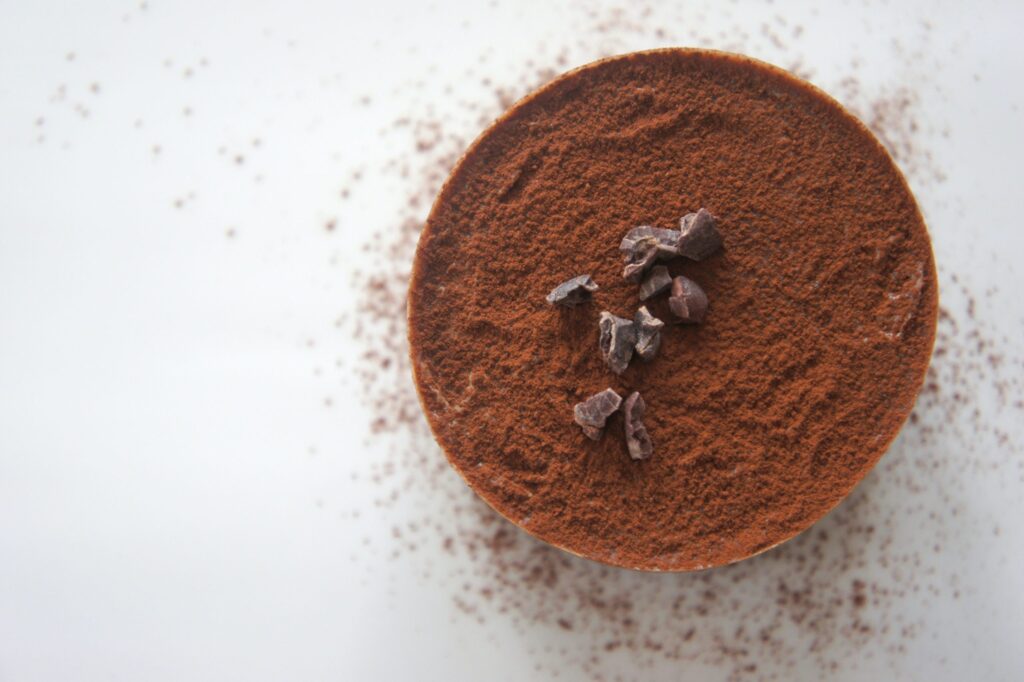
The Palestinian Manufacturing Context: Challenges and Supply Chain Constraints
Palestine’s food processing sector has expanded significantly over the past decade. Local factories produce biscuits, confectionery, drinks, and dairy-based desserts for both domestic and export markets. However, sourcing cocoa powder presents ongoing difficulties:
- Total import dependence – Cocoa is not cultivated locally, and all cocoa-based materials must be imported through complex logistics routes.
- Customs and border variability – Even small documentation errors can cause significant shipment delays.
- Storage and humidity concerns – Cocoa powder absorbs moisture quickly, requiring temperature- and humidity-controlled warehouses.
- Price volatility – Global cocoa prices fluctuate with crop yields in Ghana, Côte d’Ivoire, and Indonesia.
- Quality variation among suppliers – Different origins produce varying flavor notes, fat contents, and color profiles.
These realities mean that factory managers in Palestine cannot afford to treat cocoa sourcing as a transactional purchase. They need suppliers who understand the industrial context, anticipate logistical issues, and maintain technical quality standards.
The Role of MT Royal in Supporting Food Factories
At MT Royal, we supply manufacturing facilities with a range of industrial-grade cocoa powders tailored to production requirements—from high-fat varieties for premium desserts to economical formulations for large-scale biscuit production.
We collaborate directly with production managers to identify the ideal cocoa specification based on:
- Process requirements (mixing speed, temperature, viscosity control)
- End-product characteristics (color intensity, flavor retention, mouthfeel)
- Shelf-life stability (oxidation resistance, microbiological control)
By offering multiple origin options and brands, we ensure that Palestinian factories can maintain flexibility in both cost management and sensory quality.
We’ve seen first-hand how factories benefit when cocoa supply becomes a predictable, stable process. Batch uniformity improves, waste decreases, and overall productivity rises. A well-planned ingredient supply chain can often deliver more impact than a new production machine.
Technical Parameters Every Procurement Manager Should Track
When sourcing cocoa powder for industrial use, the following parameters should be closely monitored:
- pH level – Determines flavor profile and reaction with leavening agents.
- Fat percentage – Affects texture, gloss, and richness of the finished product.
- Moisture content – Should not exceed 5%; higher levels risk mold and caking.
- Particle size distribution – Influences dispersibility in liquids and batter uniformity.
- Color index – Impacts visual consistency across product batches.
- Microbiological status – Compliance with ISO and HACCP standards ensures food safety.
Factories that perform routine checks or demand complete Certificates of Analysis (COAs) from their suppliers minimize production risks and maintain product consistency.
The Benchmark of European Quality: The Latamarko Example
Among the premium cocoa powder brands available in the market, Latamarko from Spain stands out for its engineering precision and product uniformity. Spanish manufacturers have earned global respect for combining traditional craftsmanship with strict European quality systems.
Latamarko’s cocoa powders exhibit consistent color shades, low residual moisture, and precise particle distribution—making them ideal for automated production lines. For Palestinian factories producing high-end confectionery or export-quality goods, Latamarko represents a benchmark in performance reliability.
At MT Royal, we include Latamarko among our top-tier options because we’ve seen how it helps clients maintain flavor and texture consistency even across large batch runs. For plants that cannot risk variability, premium brands often deliver lower long-term cost per unit by reducing waste and rework.
Procurement Strategy: Balancing Quality, Cost, and Continuity
For plant managers and procurement officers, cocoa sourcing strategy should balance three objectives:
- Quality assurance – Ensuring every batch meets required sensory and technical specifications.
- Cost efficiency – Managing cost per kilogram without compromising end-product standards.
- Supply continuity – Guaranteeing consistent deliveries regardless of global market shifts.
Effective procurement requires building structured supplier relationships rather than relying on spot purchases. MT Royal supports clients with:
- Forecast-based inventory planning
- Contract supply agreements to stabilize pricing
- Quality audits for new product introductions
- Technical support for reformulations and process optimization
By aligning these practices, manufacturers can achieve both cost predictability and production stability.
How Cocoa Powder Influences Product Quality and Consumer Perception
In industrial food production, cocoa powder does far more than add flavor—it directly shapes the visual and sensory identity of the final product.
- Color: Consumers often associate darker chocolate tones with richness and quality.
- Texture: Fat content influences creaminess and smoothness.
- Aroma: Well-fermented and properly roasted cocoa beans yield deeper aromatic complexity.
- Flavor stability: High-quality cocoa maintains consistent flavor after baking or pasteurization.
A deviation in cocoa powder properties—like excess acidity or inconsistent granule size—can cause flavor imbalance, uneven color, or poor mouthfeel. For this reason, consistent supply from a reliable partner becomes integral to brand integrity.
Logistics and Storage Considerations for Palestinian Factories
Cocoa powder must be transported and stored under controlled conditions to preserve quality. Based on our experience supplying factories in Palestine, we recommend:
- Temperature control: Keep below 25°C to prevent oxidation.
- Humidity control: Maintain relative humidity under 65%.
- Packaging integrity: Use multilayer paper or polyethylene-lined bags to avoid moisture ingress.
- FIFO system (First In, First Out): Rotate inventory regularly to maintain freshness.
- Clean, pest-free storage areas: Cocoa’s natural aroma can attract insects if not stored properly.
These practices reduce waste, maintain flavor stability, and extend shelf life—especially critical in regions with variable climate and infrastructure.
Managing Global Price Volatility
The international cocoa market often experiences sudden price increases due to weather disruptions, crop disease, or political instability in major producing nations. Palestinian manufacturers can mitigate this risk through:
- Forward contracts with reliable suppliers
- Multi-origin sourcing to balance supply dependence
- Bulk purchasing during favorable market windows
- Stockpiling essential ingredients for up to three production cycles
At MT Royal, we assist factories in implementing such strategies, ensuring that cost fluctuations never threaten production continuity. Our procurement specialists monitor global commodity movements and advise clients proactively.
Best Practices for Factory Managers: Handling and Application
To maintain performance on the factory floor, cocoa powder should be handled with the same care as other high-value ingredients. Key practices include:
- Sifting before mixing – Prevents clumping and ensures even distribution.
- Gradual addition into liquids – Improves dispersibility and reduces dusting.
- Avoiding excessive heat – Prolonged heating may alter flavor and color.
- Maintaining clean feeders and silos – Residue can absorb moisture and affect new batches.
Even minor adjustments to handling procedures can improve product uniformity and reduce waste percentages.
How MT Royal Supports Industrial Buyers
We don’t just sell ingredients; we act as a supply partner for industrial production. Over the years, we’ve built close relationships with Palestinian factories across multiple categories—snacks, confectionery, dairy, and beverage manufacturing.
Our clients benefit from:
- Reliable logistics tailored to regional conditions
- Multi-brand availability, including both cost-effective and premium European origins
- Technical consultation for product optimization
- Batch-level traceability for compliance audits
By working directly with factory teams, we’ve helped streamline procurement planning, stabilize inventory, and reduce raw material wastage.
Frequently Asked Questions
1. What fat level of cocoa powder is best for industrial bakery applications?
Most bakery producers in Palestine use 10–12% fat cocoa powder due to its good dispersibility and cost efficiency. For premium cookies or dark cakes, 20–24% fat provides richer flavor.
2. How can I ensure stable supply during import disruptions?
Partner with suppliers like MT Royal that offer buffer-stock programs and maintain safety inventories in nearby warehouses.
3. Is alkalized cocoa powder always better than natural cocoa?
Not necessarily. Alkalized cocoa is smoother and darker, but natural cocoa delivers a stronger cocoa flavor preferred in some recipes. The choice depends on product formulation.
4. Does Latamarko offer Halal-certified cocoa powder?
Yes. Latamarko’s production facilities adhere to Halal and ISO standards, making their products fully suitable for the Palestinian food market.
5. What is the shelf life of industrial cocoa powder?
Typically 24–36 months when stored under optimal conditions (cool, dry, sealed environment).
Building Reliable Supply Networks for the Future
Palestine’s food industry continues to expand, driven by a young population and growing demand for high-quality, locally made products. To sustain this momentum, manufacturers need not only modern machinery and skilled labor but also dependable ingredient partners.
Cocoa powder may represent a small percentage of total production costs, but its impact on final product quality, appearance, and consumer satisfaction is enormous. Consistent supply translates directly into operational stability—and operational stability builds brand credibility.
At MT Royal, we believe that supplying cocoa powder to Palestine’s food factories is not simply about transactions; it’s about partnerships that strengthen industrial reliability. With brands like Latamarko setting benchmarks in performance, and with our team’s ongoing support in logistics, technical documentation, and cost optimization, we’re proud to contribute to the growing excellence of Palestine’s food sector.
When quality meets reliability, production never stops. That’s the essence of sustainable manufacturing—and that’s the commitment behind every shipment we deliver.
latamarko alkalized cocoa powder lm60
cocoa powder for chocolate production-Best price
Food industry raw materials – list of products
Types of Gelatin from Turkish Manufacturer
Alkalized Cocoa Powder Bulk Supplier

No comment