

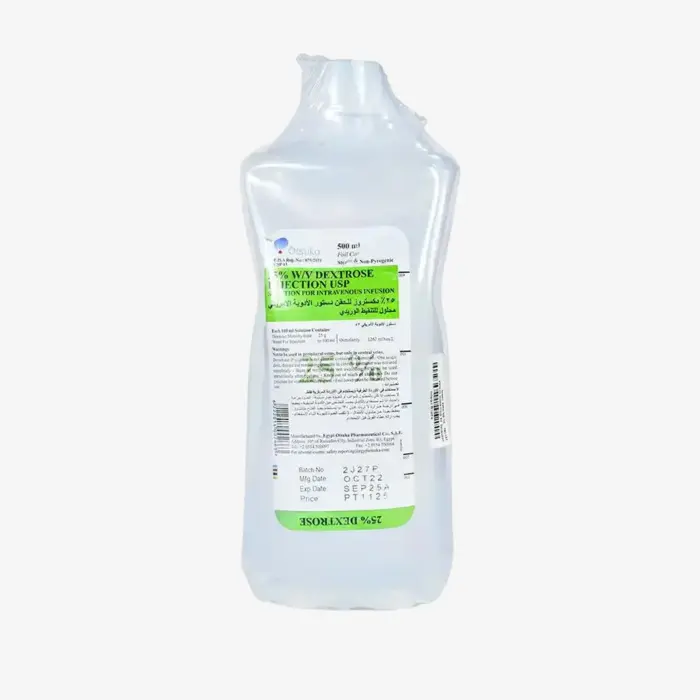
If you are responsible for beverage production in Libya, you already know a simple truth: sweetness is never simple. Behind every clear bottle, every flavored drink, and every powdered beverage lies a chain of decisions that directly affect taste consistency, production efficiency, and brand credibility. Among those decisions, supplying dextrose for Libya’s beverage makers has quietly become one of the most strategic.
Libya’s beverage sector is not driven by hype. It is driven by operational reality—interrupted supply chains, fluctuating import conditions, rising quality expectations, and the constant pressure to deliver the same flavor profile batch after batch. In this environment, dextrose is not just a carbohydrate. It is a control tool.
This is where experienced ingredient partners such as MT Royal become relevant. By offering access to multiple dextrose sources, consistent food-grade specifications, and realistic commercial conditions, MT Royal supports beverage factories that want stability rather than surprises. We have seen how the right dextrose supply strategy can reduce formulation headaches and unlock smoother production cycles.
This article takes a deep, factory-level look at supplying dextrose for Libya’s beverage makers—covering technical fundamentals, sourcing risks, market dynamics, and the practical realities procurement managers face every day.
latamarko alkalized cocoa powder lm60
cocoa powder for chocolate production-Best price
Food industry raw materials – list of products
Types of Gelatin from Turkish Manufacturer
Alkalized Cocoa Powder Bulk Supplier
Understanding Dextrose in Beverage Manufacturing
Dextrose, also known as D-glucose, is a simple sugar derived primarily from starch hydrolysis, most commonly corn. In beverage manufacturing, it plays a role that goes far beyond sweetness.
What Makes Dextrose Different from Other Sweeteners?
Unlike sucrose, dextrose offers:
- Faster solubility in cold and hot liquids
- Cleaner sweetness perception with less lingering aftertaste
- Predictable fermentation behavior (where applicable)
- Functional contributions to mouthfeel and osmotic balance
For Libya’s beverage makers, these characteristics matter because production environments are often exposed to temperature variation, water quality challenges, and storage constraints.
Food-grade dextrose is available in different forms, including dextrose monohydrate and anhydrous dextrose. Each behaves differently in beverage systems, and choosing the wrong type can quietly undermine product performance.
Why Supplying Dextrose for Libya’s Beverage Makers Is a Growing Priority
Expansion of Domestic Beverage Production
Libya has seen steady growth in locally produced soft drinks, flavored waters, energy-style beverages, and powdered drink mixes. Each category relies heavily on dextrose for sweetness control and formulation flexibility.
Cost Sensitivity and Sweetener Optimization
Global sugar price volatility has pushed manufacturers to rethink sweetener strategies. Dextrose allows beverage producers to balance sweetness, cost, and functional performance more precisely than relying on sucrose alone.
Stability in Challenging Logistics Conditions
Dextrose’s physical stability and shelf life make it well suited for Libya’s import-dependent supply chains, where lead times can be unpredictable.
Regulatory and Labeling Simplicity
Dextrose is widely recognized and accepted in food regulations, reducing compliance friction compared to some alternative sweeteners.
All of these factors contribute to increasing focus on supplying dextrose for Libya’s beverage makers as a long-term sourcing strategy rather than a spot purchase.
Key Beverage Applications Driving Dextrose Demand in Libya
Carbonated Soft Drinks
In carbonated beverages, dextrose enhances flavor release and balances acidity without overpowering fruit or cola profiles. It dissolves quickly and performs consistently in high-speed bottling lines.
Powdered Beverage Mixes
For instant drinks, solubility is critical. Dextrose supports fast dissolution and uniform sweetness distribution, especially when water temperature cannot be controlled by the end consumer.
Energy and Functional Drinks
Dextrose provides rapid carbohydrate availability, making it attractive for energy-oriented formulations where quick glucose absorption is part of the product promise.
Flavored Water and Juice Drinks
In low-juice or juice-based beverages, dextrose helps round out acidity and improve mouthfeel without masking natural flavors.
Common Mistakes When Supplying Dextrose to Beverage Factories
Despite its apparent simplicity, dextrose sourcing is often mishandled.
Treating Dextrose as a Commodity Only
Not all dextrose behaves the same in beverage systems. Differences in purity, moisture content, and particle size affect dissolution and sweetness perception.
Ignoring Storage and Hygroscopicity
Dextrose absorbs moisture easily. Poor packaging or unsuitable warehouse conditions lead to caking, flow issues, and dosing inconsistencies.
Switching Suppliers Too Frequently
Short-term price chasing often introduces formulation variability. Beverage consumers notice even minor sweetness changes.
Overlooking Documentation and Traceability
Incomplete certificates of analysis or unclear origin information expose manufacturers to regulatory and reputational risks.
In our collaboration with beverage plants, we have repeatedly seen that consistency in dextrose supply translates directly into consistency on the production line.
Comparing Dextrose Types for Beverage Manufacturing
Dextrose Monohydrate
- Contains one molecule of water
- Slightly lower sweetness intensity
- Excellent handling characteristics
- Widely used in beverages and powders
Anhydrous Dextrose
- Higher purity and sweetness
- Faster dissolution
- More sensitive to moisture
- Often used in specialized formulations
Choosing between these options depends on formulation goals, storage conditions, and production speed.
Global Supply Sources and Their Impact on Libyan Buyers
Asian-Origin Dextrose
Cost-competitive and widely available, but quality consistency varies between producers.
European-Origin Dextrose
Known for tight specifications and documentation, often preferred for premium or export-oriented beverages.
Multi-Origin Supply Strategies
Many Libyan beverage makers reduce risk by approving multiple origins under one formulation framework.
At MT Royal, we support this approach by supplying dextrose from different approved manufacturers, allowing factories to maintain continuity even when one source faces disruption.
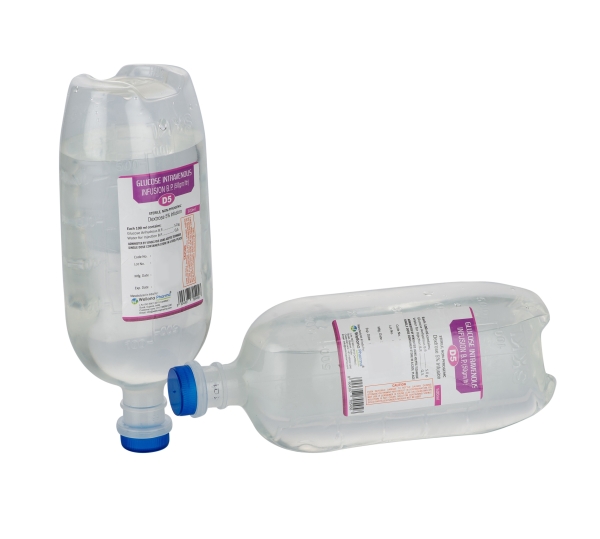
Industrial Considerations for Large-Scale Beverage Production
Solubility and Mixing Efficiency
Fine, uniform granulation reduces mixing time and energy consumption.
Sweetness Calibration
Dextrose sweetness is approximately 70–75% of sucrose. Accurate formulation adjustments are essential.
Interaction with Acids and Flavors
Dextrose interacts differently with citric acid, malic acid, and flavor compounds, affecting overall taste balance.
Microbial Stability
While dextrose itself is stable, improper handling can introduce contamination risks.
We have seen production teams significantly reduce rework and waste simply by tightening dextrose specifications and supplier controls.
Logistics and Packaging Realities in Libya
Packaging Formats
- 25 kg multi-layer bags for standard production
- Big bags for high-volume plants
Port Handling and Transit
Moisture protection during shipping is critical, especially during seasonal humidity peaks.
Warehouse Management
Temperature control and pallet rotation help preserve product integrity over long storage periods.
Frequently Asked Questions from Beverage Procurement Managers
Is dextrose interchangeable with sucrose in beverages?
Partially. Adjustments in sweetness, solids content, and flavor balance are required.
How long can food-grade dextrose be stored?
Typically up to 24 months under proper conditions.
Does origin affect taste?
Indirectly. Variations in purity and processing influence performance more than taste itself.
Should we qualify more than one supplier?
Yes. Dual sourcing reduces operational risk.
Strategic Role of Trusted Ingredient Partners
In a market shaped by logistics uncertainty and cost pressure, ingredient sourcing is no longer transactional. It is strategic.
At MT Royal, we work alongside beverage manufacturers rather than selling into them. We understand formulation constraints, production realities, and the cost of downtime. We have seen how reliable dextrose supply stabilizes not only sweetness, but planning, scheduling, and confidence across the organization.
Using “we” is intentional. It reflects lived experience with factories facing real-world constraints.
The Future of Supplying Dextrose for Libya’s Beverage Makers
Libya’s beverage market will continue to mature. Brands will compete not only on price, but on consistency, shelf stability, and consumer trust. In that environment, dextrose remains a foundational ingredient—quiet, functional, and indispensable.
Manufacturers who approach dextrose as a strategic input rather than a commodity will build stronger brands and smoother operations. The difference will not be announced loudly, but it will be tasted in every bottle.
And in beverage manufacturing, taste is the final judge.


No comment