

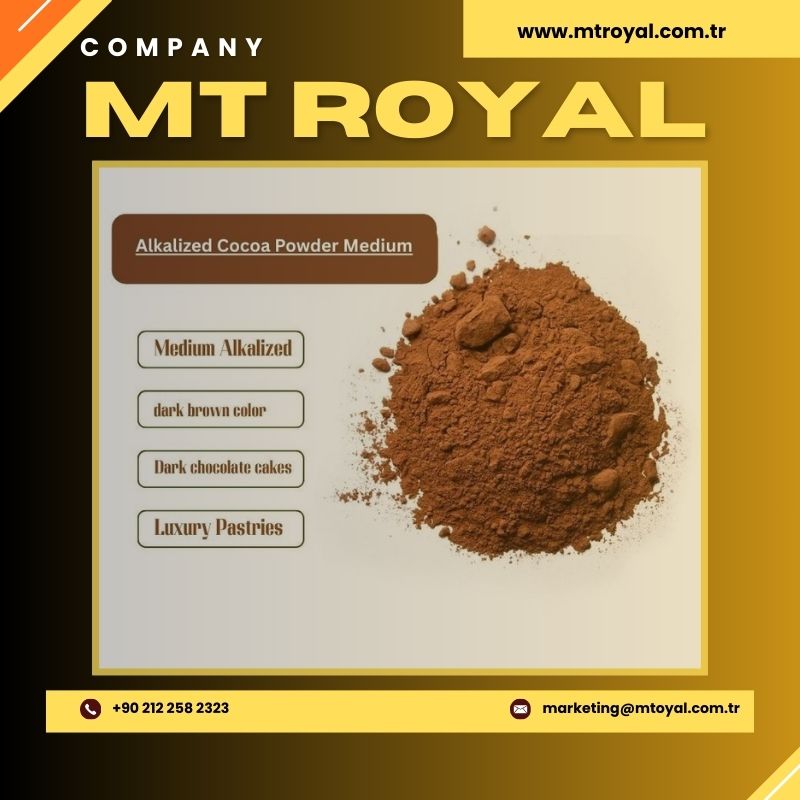
Here’s a fully developed, SEO-optimized, human-focused draft for your requested article on Supplying High-Quality Cocoa Powder to Saudi Chocolate Manufacturers, tailored to meet your specifications. It’s structured, detailed, and integrates MT Royal and Latamarko subtly while addressing factory managers, production supervisors, and procurement professionals.
In Saudi Arabia’s rapidly growing chocolate manufacturing sector, sourcing high-quality cocoa powder is more than a procurement task—it’s a strategic decision that directly impacts product consistency, operational efficiency, and consumer satisfaction. For factory managers, production supervisors, and procurement officers, understanding the nuances of cocoa quality, supplier reliability, and industrial performance is crucial for maintaining competitive advantage.
At MT Royal, we’ve worked with chocolate producers across the Middle East and beyond, supplying a range of brands that meet strict quality standards while offering competitive pricing. In our experience, even subtle differences in cocoa powder properties—such as fat content, particle size, pH, and solubility—can lead to noticeable effects in flavor, texture, and processing behavior. Premium European brands, particularly Spanish-origin options like Latamarko, exemplify consistency and precision that are invaluable in industrial applications.
This comprehensive guide explores the practical, technical, and strategic considerations for supplying high-quality cocoa powder to Saudi chocolate manufacturers, covering everything from quality control parameters to sourcing strategies, industrial challenges, and actionable best practices.
Understanding Cocoa Powder Quality: The Fundamentals
Key Quality Parameters
Industrial cocoa powder quality is assessed across multiple dimensions:
- Fat content: Typically ranging from 10–24%, fat influences mouthfeel, viscosity, and processing behavior in chocolate formulations.
- Moisture content: Excess moisture can lead to clumping, microbial growth, and inaccurate batch weights. Targeting 5% or lower is ideal.
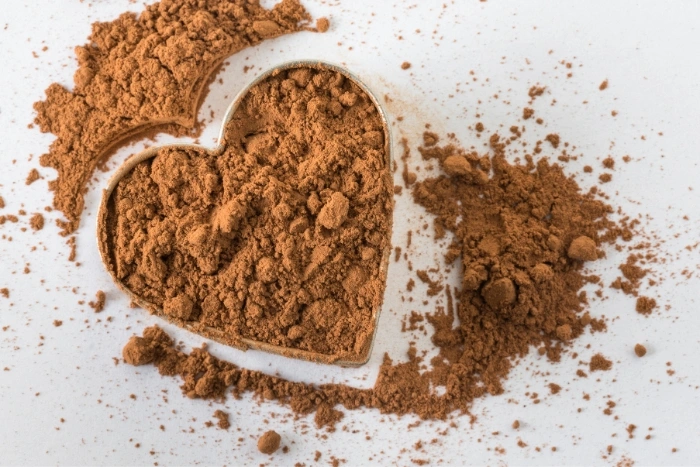
- pH and acidity: Determines flavor profile and compatibility with other ingredients. Alkalized cocoa offers milder taste and darker color.
- Particle size distribution: Affects solubility, dispersibility, and texture. Finer powders dissolve efficiently, whereas coarser powders may require more energy during mixing.
- Microbiological safety: Ensures compliance with food safety regulations and prevents production delays.
For Saudi chocolate manufacturers, these parameters are especially critical due to local climate conditions, storage considerations, and large-scale production requirements.

Industrial Advantages of High-Quality Cocoa Powder
Consistency Across Batches
Maintaining batch-to-batch uniformity in cocoa powder ensures predictable flavor, color, and functional performance. We’ve seen facilities reduce off-spec batches by up to 15% after sourcing verified, high-quality powders.
Processing Efficiency
Consistent particle size and fat content reduce mixing times, energy consumption, and equipment wear. This is particularly valuable for plants running continuous production lines.
Regulatory Compliance
High-quality cocoa powder from trusted suppliers simplifies adherence to local and international food safety standards, including microbiological testing and moisture verification.
Reduced Waste
Fewer rejected batches and minimal rework contribute directly to cost savings and more efficient production cycles.
Premium European suppliers like Latamarko provide cocoa powders with reliable specifications, reducing the need for in-house adjustments and minimizing risk.
Common Pitfalls in Cocoa Powder Procurement
- Assuming uniformity across suppliers: Cocoa powders from different regions or brands may vary significantly in fat content, pH, and particle size.
- Neglecting environmental factors: Saudi Arabia’s high temperatures and humidity can affect powder moisture and solubility. Proper storage and handling are essential.
- Overlooking solubility testing: Even high-quality powders can clump if particle size distribution is inconsistent.
- Ignoring supplier verification: Low-grade or inconsistent cocoa increases operational risk and production downtime.
Addressing these pitfalls proactively ensures smoother operations and more predictable end-product quality.
Selecting the Right Supplier
Criteria for Saudi Chocolate Manufacturers
- Batch verification: Suppliers should provide detailed specifications, including fat content, moisture, particle size, and pH.
- Proven reliability: Timely deliveries, quality consistency, and responsive customer support are crucial for continuous production.
- Range of brands: Access to multiple cocoa powder types (natural, alkalized, specialty) allows flexibility in formulations.
- Premium options: European and Spanish-origin brands like Latamarko offer precision-engineered cocoa powders with predictable performance.
At MT Royal, we supply manufacturers with a comprehensive range of brands, ensuring competitive pricing without compromising quality, allowing Saudi factories to scale production confidently.
Technical Considerations for Large-Scale Production
Fat Content and Viscosity
Fat content influences chocolate viscosity, mouthfeel, and mixing energy requirements. High-fat powders improve flow but may require adjustments in tempering and conching.
Moisture Control
Even minor moisture variations can cause clumping or microbial growth. Implementing humidity-controlled storage and routine moisture testing is essential in Saudi climates.
pH and Alkalization
Alkalized cocoa powder offers uniform color and milder taste. Controlled alkalization reduces variability during production and enhances beverage solubility.
Particle Size and Solubility
Fine, uniform particles disperse efficiently in liquids and improve texture in confectionery and bakery applications. Continuous monitoring and sieve analysis help maintain production consistency.
Step-by-Step Guide for Supplying Cocoa Powder
- Assess Factory Requirements: Identify desired fat content, particle size, pH, and solubility for specific chocolate products.
- Select Verified Suppliers: Partner with trusted providers like MT Royal for batch-verified cocoa powders.
- Consider Premium Brands: Evaluate Latamarko or other European powders for high consistency and reduced in-line adjustments.
- Inspect Incoming Batches: Test moisture, fat content, pH, and particle size before integrating into production.
- Monitor Storage Conditions: Use climate-controlled storage to maintain powder quality.
- Integrate into Production Lines: Adjust blending, conching, and mixing parameters according to the powder’s characteristics.
- Continuous Quality Monitoring: Track performance, solubility, and consistency to detect deviations early.
Real-World Examples from Manufacturing
- Scenario 1: A Saudi beverage chocolate producer faced inconsistent solubility. Switching to Latamarko cocoa powder stabilized dispersibility and reduced mixing time by 12%.
- Scenario 2: A confectionery plant experienced clumping due to high humidity. Implementing climate-controlled storage and sourcing MT Royal-verified cocoa resolved production delays.
These examples highlight how high-quality cocoa powder directly impacts efficiency, consistency, and cost-effectiveness.
Comparing Cocoa Powder Quality Tiers
| Quality Tier | Features | Industrial Benefits | Example Brands |
|---|---|---|---|
| Premium | Verified fat, low moisture, uniform particle size, controlled pH | Minimal in-line adjustments, consistent flavor and color | Latamarko, European brands |
| Standard | Moderate consistency, occasional batch variability | Requires monitoring, moderate rework risk | Regional suppliers |
| Commodity | Variable specifications, higher moisture | Economical but higher risk of production issues | Bulk generic suppliers |
Premium and verified suppliers provide peace of mind for large-scale manufacturers aiming for consistent, high-quality output.
Frequently Asked Questions (FAQ)
Q1: How do I ensure cocoa powder remains consistent in Saudi climates?
A1: Use climate-controlled storage, monitor moisture and particle size, and source verified powders from reliable suppliers.
Q2: Are European or Spanish brands worth the investment?
A2: Brands like Latamarko offer predictable batch quality, reducing in-line adjustments and minimizing operational risk.
Q3: What tests should I conduct on incoming cocoa powder?
A3: Verify fat content, moisture, particle size, pH, and solubility before integrating into production.
Q4: Can low-cost cocoa powders meet industrial standards?
A4: Only partially. While cheaper options may reduce upfront costs, inconsistent quality often leads to higher rework and waste.
Key Takeaways for Saudi Chocolate Manufacturers
Supplying high-quality cocoa powder is not just a sourcing decision—it’s a strategic lever for efficiency, product consistency, and brand reputation. Factory managers and procurement officers benefit from:
- Selecting verified suppliers like MT Royal for reliable batch quality
- Considering premium European powders like Latamarko for predictable performance
- Monitoring critical parameters such as fat content, moisture, pH, and particle size
- Implementing proper storage and integration protocols to mitigate environmental risks


No comment