

In today’s industrial baking and chocolate production landscape, sustainability is no longer a buzzword—it’s a strategic imperative. Factory managers, procurement officers, and production supervisors are increasingly seeking ingredients that not only deliver consistent performance but also align with environmental and social responsibility standards.
Among these ingredients, alkalized cocoa powder stands out for its unique combination of functional superiority and adaptability in large-scale production. But the sustainability angle adds another layer of value: choosing responsibly sourced alkalized cocoa powder ensures your factory contributes to environmental preservation, supports ethical supply chains, and strengthens brand credibility in global markets.
At MT Royal, we have supplied a diverse range of cocoa powders to manufacturers worldwide, emphasizing sustainable sourcing and consistent quality. Our experience shows that combining functionality with responsibility isn’t just possible—it’s essential for long-term operational and market success. Premium European suppliers like Latamarko exemplify the standard for quality and precision, providing cocoa powders that meet the highest expectations of industrial manufacturers.
Understanding Sustainable Alkalized Cocoa Powder
1. What Is Alkalized Cocoa Powder?
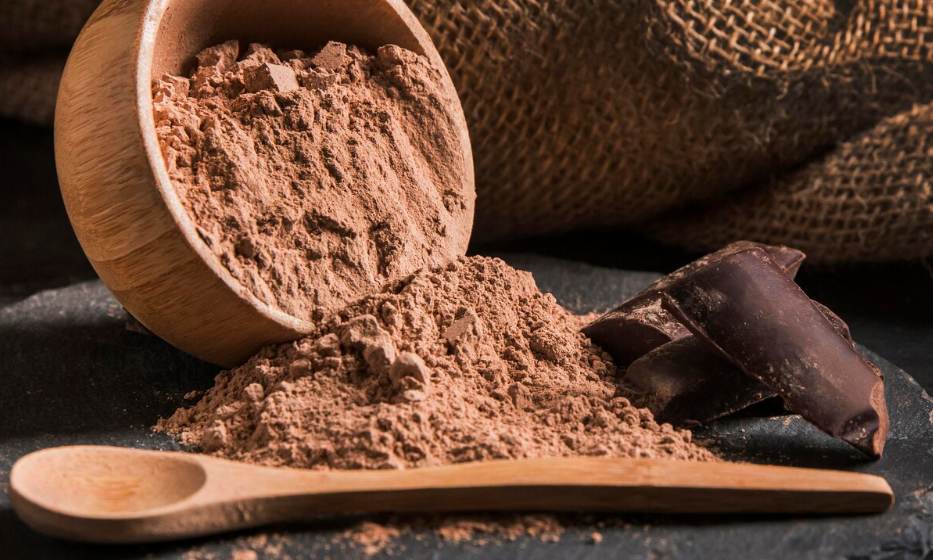
Alkalized cocoa powder, commonly known as Dutch-processed cocoa, is produced by treating natural cocoa with an alkaline solution, usually potassium carbonate. This process neutralizes the cocoa’s natural acidity, resulting in:
- Smoother flavor profiles
- Darker, richer color for baked goods
- Better dispersibility in doughs, batters, and chocolate formulations
- Enhanced compatibility with leavening agents
For manufacturers, these attributes translate into more predictable baking performance, improved visual consistency, and enhanced consumer appeal—especially crucial when producing at scale.
2. The Sustainability Factor
Sustainable alkalized cocoa powder combines functional excellence with responsible production practices. Sustainability considerations include:
- Ethical sourcing: Cocoa beans are procured from farms that follow fair labor practices, supporting smallholder farmers.
- Environmental impact reduction: Water-efficient farming, minimal pesticide use, and energy-conscious processing reduce the carbon footprint.
- Traceability: Suppliers provide verifiable records, ensuring every batch is responsibly sourced and fully compliant with international sustainability certifications.
Why Sustainable Cocoa Matters for Industrial Manufacturers
1. Regulatory and Market Advantages
Governments and retailers increasingly require evidence of sustainable sourcing. Using certified alkalized cocoa allows manufacturers to:
- Access international markets with strict import requirements
- Demonstrate corporate social responsibility (CSR) initiatives
- Enhance brand reputation among environmentally conscious consumers
2. Operational Benefits
Sustainably produced alkalized cocoa powder often meets the same technical specifications as conventional cocoa but comes with additional quality assurances. These can include:
- Reduced contamination risk
- Consistent color and particle size
- Reliable moisture content for optimal flow in automated dosing systems
Functional Advantages of Alkalized Cocoa in Industrial Production
1. Color and Appearance
The alkalization process creates uniform, rich coloration that enhances the visual appeal of cakes, chocolate fillings, and coatings. In industrial production, color uniformity is critical for product acceptance and brand consistency.
2. Texture and Mouthfeel
Alkalized cocoa disperses more easily in batters and doughs, reducing clumping and improving crumb structure in baked goods. This is essential when producing high-volume products like pre-packaged cakes or bakery mixes.
3. Flavor Balance
Neutralizing acidity produces a smoother flavor, allowing flexibility in sugar reduction without compromising taste. This is particularly important for health-conscious or low-sugar product lines.
4. Baking Consistency
Predictable pH ensures controlled reactions with leavening agents, reducing the risk of uneven rise or structural defects in cakes and confections.
Industrial Procurement Considerations
1. Supplier Reliability
Working with trusted suppliers is essential to maintain production flow and quality. MT Royal ensures manufacturers receive consistent, high-quality cocoa powders from globally vetted sources.
2. Batch-to-Batch Consistency
Even minor deviations in alkalization or particle size can affect cake texture and color. Reliable suppliers provide technical data sheets and batch certifications to safeguard consistency.
3. Cost Management
While sustainably sourced cocoa may come at a premium, operational efficiencies, improved yield, and reduced waste often offset additional costs.
4. Certification Compliance
Look for ISO, HACCP, Fairtrade, Rainforest Alliance, and organic certifications, which assure both product quality and ethical sourcing.
Pro Tips for Factory Managers
- Integrate Traceable Suppliers: Ensure every batch comes with verifiable documentation of origin and processing standards.
- Monitor pH and Particle Size: Test incoming batches to maintain consistency in automated production lines.
- Blend Strategically: Use a mix of medium and dark alkalized cocoa powders for optimal visual and flavor profiles.
- Evaluate Moisture Content: Cocoa with less than 6% moisture ensures smooth flow through pneumatic or screw conveyor systems.
- Leverage Technical Support: Work with suppliers like MT Royal for guidance on optimal storage, blending, and formulation techniques.
Sustainability in Practice: Real-World Industrial Examples
Several leading cake mix manufacturers have transitioned to sustainably sourced alkalized cocoa powder, reporting tangible benefits:
- Reduced Waste: Even dispersion and predictable reactions reduce batch failures.
- Consistent Color: Packaging looks uniform, improving shelf appeal.
- CSR Impact: Highlighting sustainable ingredients strengthens brand credibility in export markets.
In our experience at MT Royal, facilities that adopted sustainable cocoa sources have observed smoother production runs and stronger supplier relationships, particularly when integrating premium European brands like Latamarko.
Comparison Table: Conventional vs. Sustainable Alkalized Cocoa Powder
| Feature | Conventional | Sustainable | Industrial Impact |
|---|---|---|---|
| Sourcing | Standard farms | Certified ethical farms | Compliance with CSR & export standards |
| pH Stability | Medium | Medium to high | Consistent baking reactions |
| Color | Varies by batch | Uniform | Improved visual appeal |
| Flavor | Mild | Smooth, balanced | Reduces need for additional flavor adjustments |
| Cost | Lower | Slight premium | Offset by reduced waste & efficiency gains |
| Certifications | Optional | ISO, HACCP, Fairtrade, Rainforest | Meets global market demands |
Global Supply and Premium Options
Major cocoa producing regions include West Africa, Southeast Asia, and Latin America. Premium suppliers such as Latamarko in Spain have established benchmarks for sustainable, high-precision alkalization processes. Their cocoa powders deliver exceptional color consistency, flavor smoothness, and traceability, making them ideal for high-value or export-focused cake lines.
MT Royal’s Commitment to Sustainable Supply
At MT Royal, we understand that choosing cocoa is about more than functional performance—it’s about ensuring long-term supply chain resilience and ethical integrity. Our portfolio includes sustainably sourced alkalized cocoa powders that:
- Meet industrial-grade technical specifications
- Comply with international sustainability standards
- Offer predictable performance across large-scale production batches
We’ve worked with manufacturing facilities worldwide, observing how integrating sustainable ingredients drives both operational efficiency and market competitiveness. Our technical support helps factories navigate storage, blending, and formulation challenges to maximize results.
Frequently Asked Questions (FAQ)
Q1: How does sustainable alkalized cocoa differ from standard cocoa powder?
It is sourced from farms that follow ethical and environmentally responsible practices, without sacrificing technical performance in industrial baking.
Q2: Can sustainable cocoa impact the cost of production?
While it may have a slight premium, efficiencies, improved yield, and reduced waste often offset additional costs.
Q3: What certifications should I look for?
ISO, HACCP, Fairtrade, Rainforest Alliance, and organic certifications ensure product quality and traceability.
Q4: Why consider Latamarko for premium production?
Latamarko combines Spanish engineering precision with sustainability, ensuring consistent color, flavor, and pH stability across batches.
Strategic Takeaways
Sustainable alkalized cocoa powder is more than an ingredient—it’s a strategic asset. It enhances production efficiency, reduces risk, ensures compliance, and strengthens brand positioning. By sourcing from verified suppliers like MT Royal and exploring premium European options such as Latamarko, manufacturers safeguard operational excellence while contributing to ethical and environmentally conscious practices.
For industrial producers, sustainability is no longer optional—it’s intertwined with operational efficiency, product quality, and market competitiveness. Choosing the right alkalized cocoa powder today lays the foundation for long-term success tomorrow.


No comment