

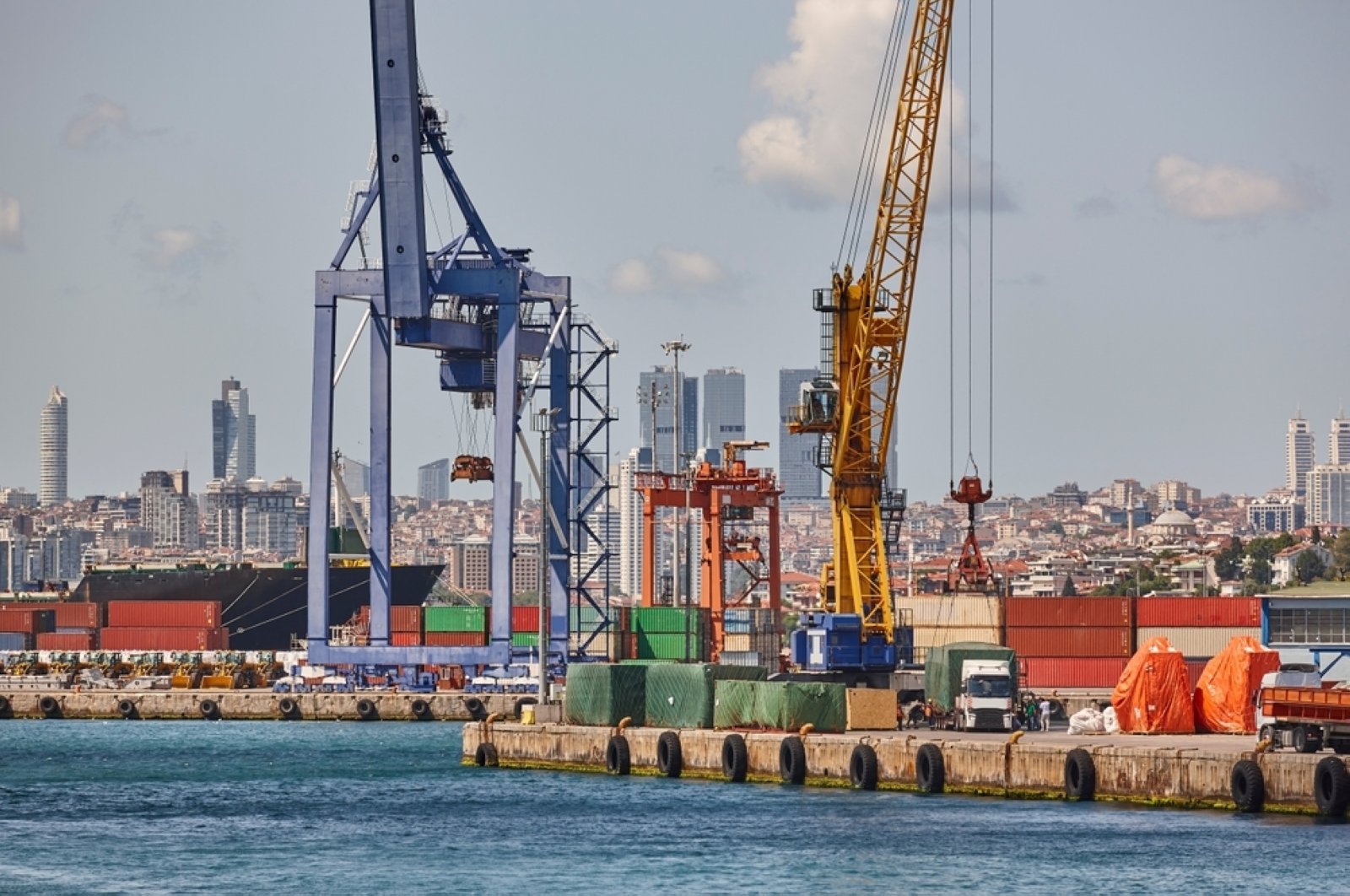
Germany’s industrial and commercial sectors are renowned for efficiency, precision, and high-quality standards. To sustain this competitiveness, German companies rely on sourcing raw materials, semi-finished goods, and finished products from strategic international partners. Türkiye, positioned at the crossroads of Europe and Asia, has emerged as a significant export hub offering a wide array of products suitable for German manufacturers, distributors, and retailers.
From textiles and automotive components to agricultural produce and specialty chemicals, Türkiye provides high-quality goods that align with German industry requirements. Partnering with a trusted supplier like MT Royal ensures that your company accesses verified suppliers, competitive pricing, and logistical support for seamless import operations. In this article, we provide an in-depth analysis of top Turkish export products in 2025 that German companies should know, along with insights on sourcing strategies, quality assurance, and industrial best practices.
latamarko alkalized cocoa powder lm60
cocoa powder for chocolate production-Best price
Food industry raw materials – list of products
Types of Gelatin from Turkish Manufacturer
Alkalized Cocoa Powder Bulk Supplier
Understanding Turkish Exports – Concepts and Market Dynamics
Türkiye has steadily expanded its export portfolio by focusing on quality, compliance with international standards, and cost-competitiveness. Understanding the Turkish export landscape helps German companies prioritize sourcing strategies effectively:
- Diversified Export Base: Türkiye exports across multiple sectors, including textiles, automotive, chemicals, metals, agricultural products, and food processing ingredients.
- Competitive Manufacturing Costs: Favorable labor costs and localized supply chains allow exporters to offer competitive prices without compromising quality.
- Regulatory Compliance: Turkish manufacturers adhere to ISO, CE, and other global standards, ensuring smooth integration into the German supply chain.
- Strategic Logistics: Proximity to Germany allows faster transit via sea, road, or air, reducing lead times and transportation costs.
For German companies, these factors mean that sourcing from Türkiye is not merely a procurement decision—it’s a strategic opportunity to optimize supply chains and maintain operational efficiency.
Top Turkish Export Products in 2025
1. Textiles and Apparel
Textiles remain one of Türkiye’s most significant export categories. Turkish fabrics, yarns, and finished apparel are highly regarded for quality, durability, and compliance with European safety standards. Key highlights:
- Cotton fabrics, synthetic blends, and industrial textiles for automotive and furniture applications.
- Ready-made garments tailored to European sizing and specifications.
- Export advantages: Competitive pricing, modern production facilities, and adherence to EU textile regulations.
2. Automotive Components
Türkiye’s automotive sector produces a range of components used in assembly lines worldwide. German companies benefit from:
- High-precision mechanical parts, engine components, and electrical assemblies.
- Suppliers certified with ISO/TS 16949 for automotive quality standards.
- Advantageous logistics due to geographical proximity, reducing lead times.
3. Chemicals and Specialty Ingredients
Chemical exports are critical for Germany’s industrial production, including plastics, adhesives, coatings, and specialty chemicals:
- Bulk chemicals for polymer and resin manufacturing.
- Food-grade additives and industrial enzymes for processing sectors.
- Sustainable and eco-friendly chemical solutions aligning with EU environmental directives.
4. Agricultural Products and Food Ingredients
Türkiye’s fertile agricultural sector ensures a diverse range of exports:
- Dried fruits, nuts, olive oil, and seeds with high-quality certifications.
- Processed food ingredients suitable for industrial production of confectionery, baked goods, and beverages.
- Compliance with EU food safety standards (HACCP, ISO 22000).
5. Machinery and Equipment
Industrial machinery, equipment, and tools are increasingly exported from Türkiye:
- Manufacturing equipment for textile, metalworking, and food processing sectors.
- Electrical motors, pumps, and automation components.
- Competitive pricing compared to other international markets.
6. Metals and Construction Materials
Steel, aluminum, and construction materials are essential exports for German industrial users:
- High-grade structural steel for manufacturing and construction.
- Aluminum sheets and profiles for automotive, aerospace, and construction applications.
- Standards compliance ensures compatibility with European engineering specifications.
Common Mistakes German Companies Make in Sourcing from Türkiye
Even experienced manufacturers can encounter challenges if procurement strategies are not carefully executed:
- Overlooking Supplier Verification: Failing to validate certifications, production capacity, and reputation may result in substandard products.
- Ignoring Quality Standards: European directives, including CE marking and ISO certifications, must be verified before ordering.
- Underestimating Logistics Complexity: Inadequate planning for shipping modes, customs clearance, or inland transportation leads to delays and higher costs.
- Ambiguous Contract Terms: Poorly defined agreements on quality, delivery, or payment terms create disputes and supply chain interruptions.
At MT Royal, we help German companies navigate these pitfalls by providing verified supplier networks and ensuring documentation, compliance, and logistics are fully aligned.
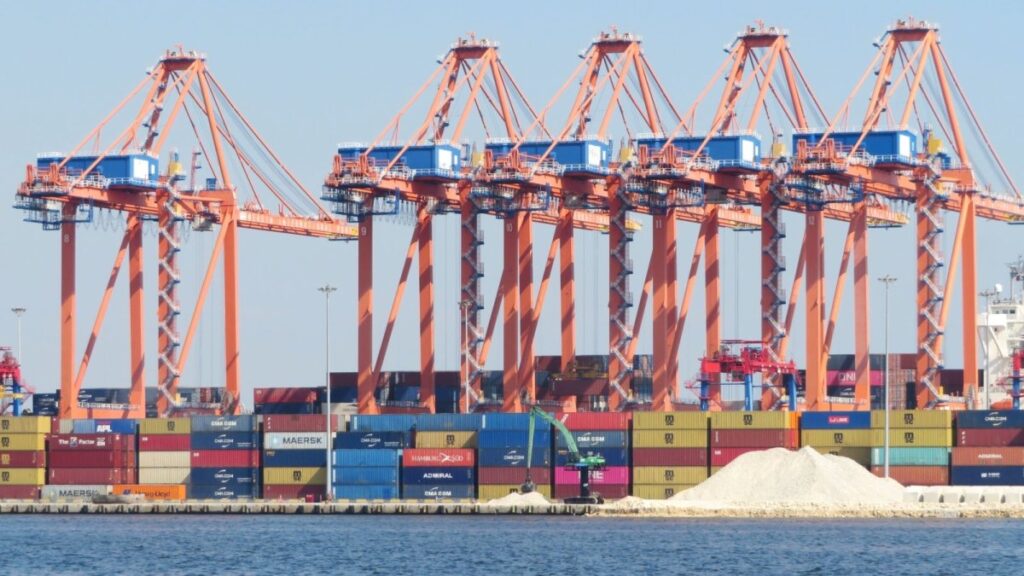
Strategies for Efficient Importing of Turkish Products
Supplier Selection and Verification
- Conduct audits and verify production capacity.
- Request ISO, CE, and sector-specific certifications.
- Evaluate reputation through industry references and prior clients.
Logistics Planning
- Select optimal shipping routes and modes (sea, air, or road).
- Assess port efficiency and inland delivery capabilities.
- Factor in lead times and buffer stocks to manage supply chain risks.
Contractual Clarity
- Define product specifications and quality assurance measures.
- Specify Incoterms (EXW, FOB, CIF) to clarify responsibilities.
- Align payment terms with cash flow and supplier expectations.
Risk Management
- Diversify suppliers to reduce dependency.
- Implement real-time shipment tracking for transparency.
- Maintain contingency stock to prevent production stoppages.
Industrial Tips for Large-Scale Procurement
- Batch Testing: Verify quality before full shipment acceptance.
- Forecasting: Align orders with production schedules to avoid stock shortages or excess inventory.
- Digital Documentation: Maintain electronic records for compliance and auditing.
- Price Hedging: Utilize forward contracts for raw materials and commodities to stabilize costs.
- Customs Expertise: Engage professional brokers for smooth clearance and minimized delays.
Frequently Asked Questions by German Companies
Q1: Which Turkish products are most suitable for German industrial production in 2025?
A1: Textiles, automotive components, chemicals, agricultural ingredients, and industrial machinery.
Q2: How do I verify Turkish suppliers?
A2: Check certifications, request references, and consider working with experienced sourcing partners like MT Royal.
Q3: What are typical transit times from Türkiye to Germany?
A3: Sea freight: 10–20 days; air freight: 1–5 days depending on routes and ports.
Q4: How do I ensure compliance with EU regulations?
A4: Verify product certifications (ISO, CE, HACCP), maintain proper documentation, and consult experts in regulatory standards.
Comparing Turkish Suppliers: Key Evaluation Factors
| Factor | Importance for German Companies | Tips for Evaluation |
|---|---|---|
| Product Quality | Very High | Inspect samples, certifications, references |
| Certification & Compliance | Critical | ISO, CE, HACCP for industrial & food products |
| Reliability & Reputation | High | Long-term market presence, verified testimonials |
| Pricing & Payment Terms | Medium | Compare multiple offers; include shipping & customs costs |
| Logistics Support | High | Supplier’s ability to manage transit and delivery efficiently |
Building Long-Term Sourcing Strategies
- Develop Supplier Partnerships: Regular engagement and joint planning enhance reliability.
- Invest in Supply Chain Visibility: Real-time tracking and reporting optimize procurement efficiency.
- Utilize Bulk Orders: Economies of scale reduce unit costs.
- Audit Suppliers Periodically: Ensure consistent quality and compliance standards.
- Monitor Trade Policies: Stay informed on tariffs, customs procedures, and bilateral agreements affecting imports.
By applying these strategies, German companies can secure high-quality Turkish exports, optimize costs, and ensure uninterrupted supply chains for sustainable growth.
Conclusion
Türkiye offers a dynamic and diverse export landscape, making it a valuable partner for German manufacturers, distributors, and industrial companies. From textiles and automotive components to chemicals, agricultural products, and machinery, Turkish exports align with European quality standards and competitive pricing. Efficient sourcing requires careful supplier verification, regulatory compliance, optimized logistics, and strategic risk management. MT Royal serves as a reliable partner, facilitating access to verified suppliers, providing guidance on compliance, and supporting logistics for seamless import operations. Companies that leverage these strategies will enhance operational efficiency, maintain consistent quality, and achieve long-term growth in 2025 and beyond.



No comment