

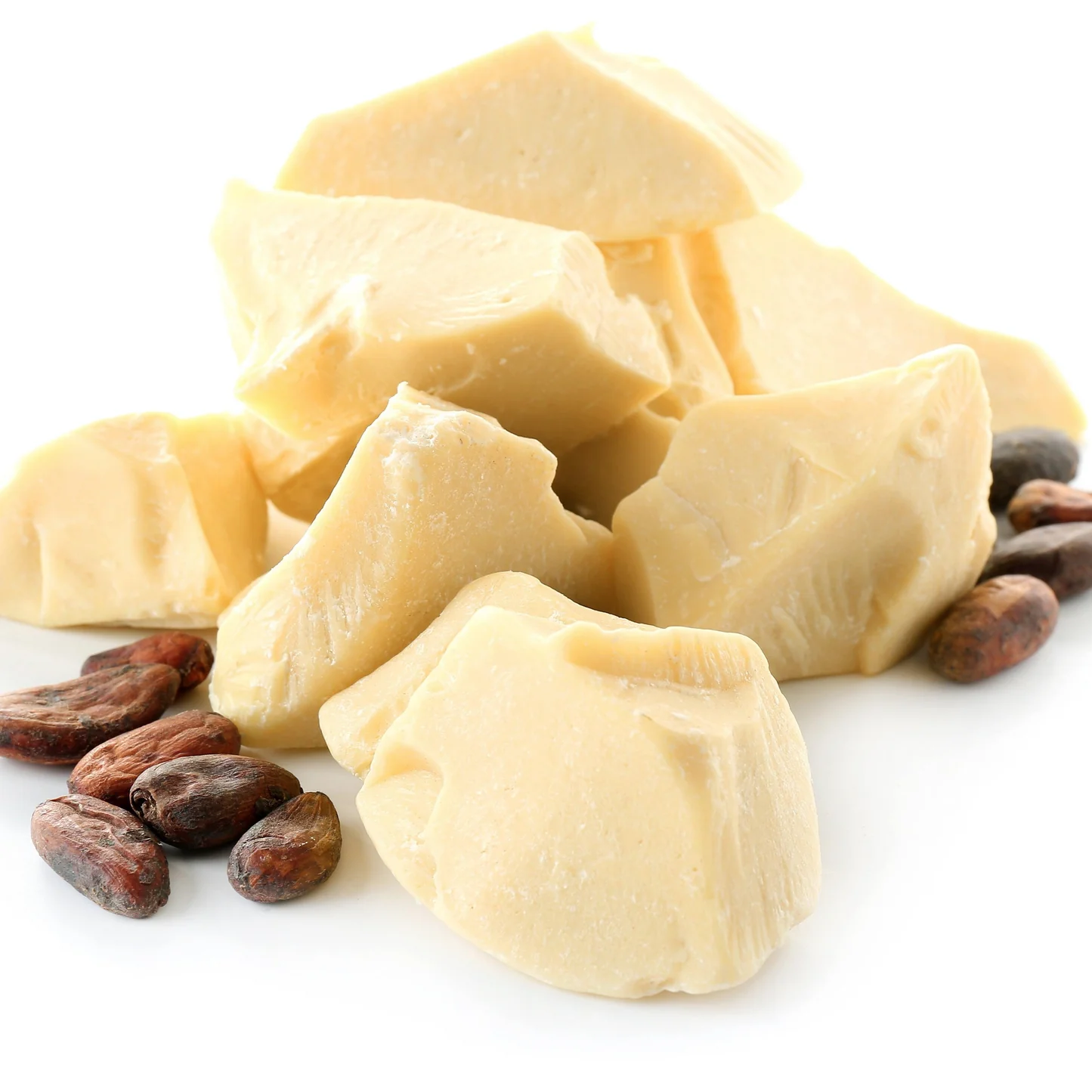
In the modern manufacturing landscape, consumer demand for health-conscious products has never been stronger. Across chocolate, confectionery, baked goods, and even cosmetics, the push for trans-fat free formulations is shaping ingredient selection and production practices. Cocoa butter, prized for its texture, stability, and melt-in-mouth quality, is a traditional favorite—but it’s often blended or replaced with alternatives to meet dietary and regulatory requirements without compromising performance.
For production managers, factory supervisors, and procurement officers, understanding trans-fat free cocoa butter substitutes is essential to deliver high-quality, compliant products at scale. At MT Royal, we supply manufacturers with a wide range of cocoa butter alternatives, including premium European options from brands like Latamarko, ensuring reliable supply and consistent performance for industrial production lines.
What Are Trans-Fat Free Cocoa Butter Substitutes?
Trans-fat free cocoa butter substitutes are vegetable fats engineered to replicate cocoa butter’s functional and sensory properties without containing partially hydrogenated oils, which are the main source of industrial trans fats. Unlike traditional hydrogenated substitutes, these alternatives maintain melting behavior, crystallization, and mouthfeel while adhering to modern health and regulatory standards.
Key Characteristics:
- Trans-Fat Free: Fully compliant with global health regulations.
- Melting Point Compatibility: Typically aligned with cocoa butter (34°C–38°C) for smooth texture and proper tempering.
- Functional Equivalence: Mimics snap, gloss, and melting behavior of cocoa butter.
- Industrial Usability: Can be blended or partially replaced in chocolate, confectionery, bakery, and cosmetic applications.
Why Manufacturers Are Switching to Trans-Fat Free Substitutes
- Health-Conscious Consumer Demand
Consumers increasingly scrutinize nutrition labels, avoiding trans fats due to their link with cardiovascular disease. Using trans-fat free cocoa butter substitutes allows manufacturers to market products as healthier without sacrificing quality. - Regulatory Compliance
Many countries impose strict limits on industrial trans fats. Failure to comply can result in fines, recalls, or market restrictions. Substitutes ensure compliance while maintaining production efficiency. - Production Consistency
Non-hydrogenated alternatives offer more predictable crystallization and thermal behavior, reducing tempering failures, bloom, and uneven textures in chocolate or confectionery lines. - Cost Optimization
Some trans-fat free alternatives are more cost-effective than pure cocoa butter, particularly when sourced from reliable suppliers like MT Royal. Premium options from Latamarko deliver both cost efficiency and consistency for high-volume production.
Popular Trans-Fat Free Cocoa Butter Substitutes
1. Palm Mid-Fraction
- Melting Point: 38°C–42°C
- Pros: Cost-effective, widely available, stable, naturally trans-fat free
- Cons: Slightly waxy mouthfeel; flavor neutrality must be managed
- Industrial Use: Bulk chocolate, compound coatings, and high-temperature applications
2. Shea Stearin
- Melting Point: 36°C–44°C
- Pros: Natural, premium, emollient, trans-fat free
- Cons: More expensive than vegetable oils
- Industrial Use: Premium chocolate, high-end confectionery, cosmetics
3. Illipe Butter
- Melting Point: 36°C–40°C
- Pros: Maintains mouthfeel and gloss, stable, trans-fat free
- Cons: Limited availability, higher cost
- Industrial Use: Luxury chocolate and confectionery lines
4. Cocoa Butter Blends (with Non-Hydrogenated Fats)
- Pros: Balances cost, quality, and trans-fat compliance
- Cons: Requires precise formulation to avoid crystallization issues
- Industrial Use: Large-scale chocolate, coatings, and fillings
5. European Premium Options
- Brands like Latamarko offer meticulously engineered trans-fat free alternatives with predictable melting profiles, consistent crystallization, and robust supply reliability for industrial-scale operations.
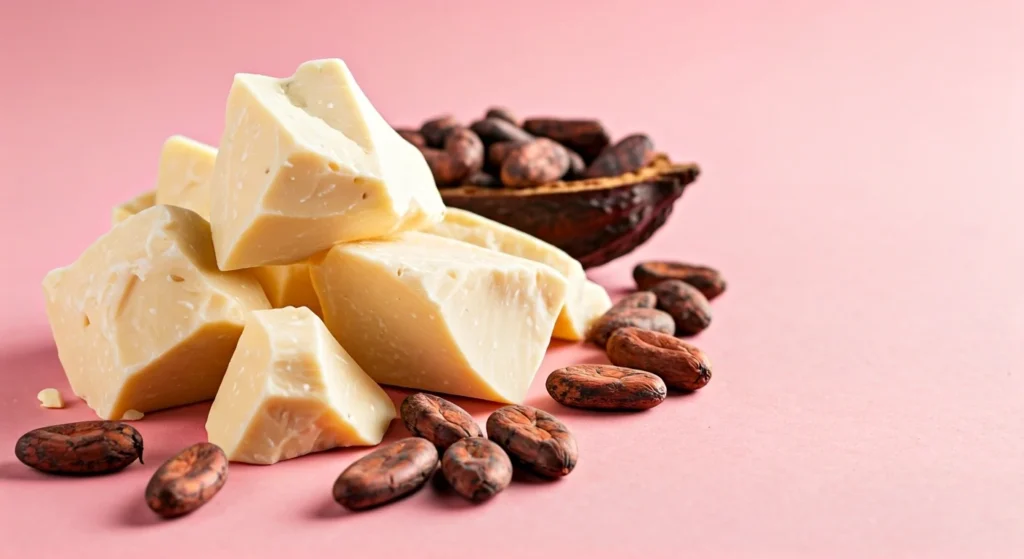
Implementing Trans-Fat Free Substitutes in Industrial Production
Step 1: Define Functional and Regulatory Requirements
- Determine product category (dark, milk, or white chocolate, confectionery, bakery, cosmetics) and critical attributes: melting profile, snap, gloss, and regulatory compliance.
Step 2: Select Suitable Substitutes
- Consider melting point, fatty acid composition, and functional equivalence to cocoa butter.
- Premium European substitutes, particularly Latamarko, offer highly consistent performance for high-volume lines.
Step 3: Conduct Pilot Trials
- Test small batches to evaluate tempering behavior, viscosity, texture, and sensory qualities.
- Adjust blending ratios incrementally to achieve optimal results.
Step 4: Optimize Process Parameters
- Monitor tempering curves, mixing speeds, and cooling rates.
- Even small changes in substitute composition can impact crystallization kinetics.
Step 5: Scale-Up with Supplier Support
- Leverage MT Royal’s technical guidance and bulk sourcing for smooth industrial-scale integration.
- Ensure proper storage to maintain fat quality and prevent bloom formation.
Real-Life Industrial Examples
Chocolate Production
A European chocolate manufacturer replaced 25% of cocoa butter with a palm mid-fraction trans-fat free substitute from MT Royal. The results: improved tempering consistency, cost savings, and compliance with trans-fat regulations.
Confectionery Fillings
A confectionery plant integrated shea stearin blends to replace hydrogenated fats in cream fillings. Shelf stability improved, and products were fully trans-fat free, satisfying both health-conscious consumers and regulatory requirements.
Cosmetic Manufacturing
Premium lotions and balms often rely on cocoa butter for emollient properties. Using trans-fat free Latamarko substitutes improved heat stability during mixing and preserved premium texture while aligning with health-conscious branding.
Comparison Table: Trans-Fat Free Cocoa Butter Substitutes
| Substitute | Melting Point (°C) | Pros | Cons | Best Use Case |
|---|---|---|---|---|
| Palm Mid-Fraction | 38–42 | Cost-effective, stable, trans-fat free | Slightly waxy mouthfeel | Bulk chocolate, coatings |
| Shea Stearin | 36–44 | Premium, natural, trans-fat free | Higher cost | Luxury chocolate, cosmetics |
| Illipe Butter | 36–40 | Gloss, mouthfeel, trans-fat free | Limited availability | Premium chocolate, confectionery |
| Cocoa Butter Blends | 35–42 | Balanced cost and quality | Requires careful formulation | Chocolate, fillings, cosmetics |
| Latamarko Premium | 34–38 | Consistent, reliable, trans-fat free | Higher cost | Industrial-scale chocolate lines |
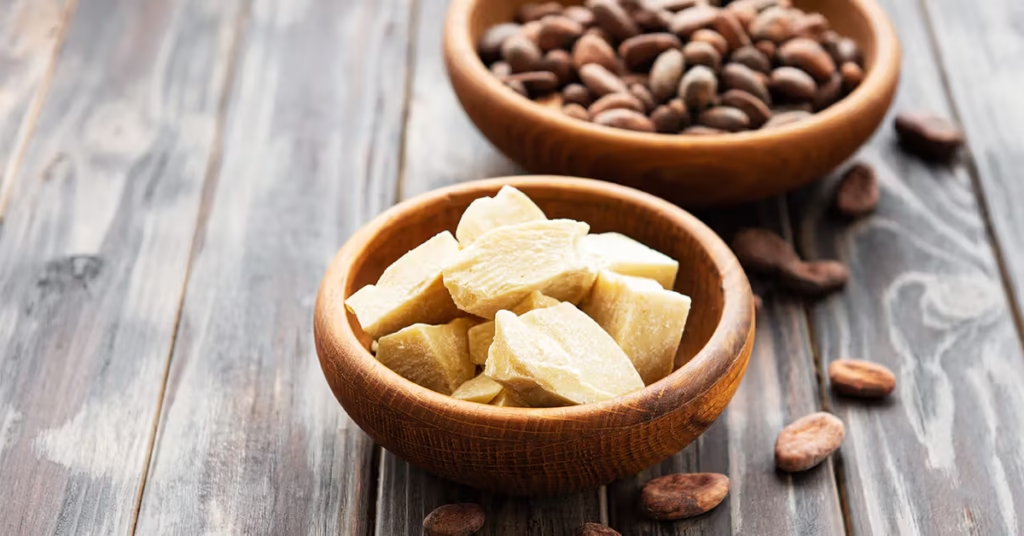
Practical Tips for Production Managers
- Pilot Before Scaling: Test substitutes in small batches to avoid process disruptions.
- Choose Reliable Suppliers: MT Royal provides technical support and bulk sourcing for trans-fat free alternatives.
- Blend Strategically: Partial replacement often delivers the best balance of cost, quality, and regulatory compliance.
- Monitor Storage Conditions: Trans-fat free fats require controlled storage to maintain consistency and prevent fat bloom.
- Leverage Premium Options: Latamarko’s trans-fat free substitutes ensure predictable melting profiles and high-quality results for premium products.
FAQs for Factory Owners and Procurement Officers
Q: Can trans-fat free substitutes match cocoa butter’s texture and melting behavior?
A: Yes, when properly formulated and blended with compatible fats, these substitutes can replicate cocoa butter’s functional properties.
Q: Are trans-fat free options suitable for high-speed chocolate production?
A: Absolutely. With pilot testing and adjusted process parameters, industrial lines can achieve consistent tempering and flow.
Q: How do I ensure regulatory compliance?
A: Use fully non-hydrogenated, trans-fat free substitutes sourced from trusted suppliers like MT Royal.
Q: Do trans-fat free substitutes impact shelf life?
A: Properly selected alternatives can maintain or enhance shelf stability, particularly when blended with cocoa butter.
Industry Insights and Trends
The demand for trans-fat free confectionery and chocolate is rising globally, driven by health-conscious consumers and regulatory pressures. Key industry trends include:
- Adoption of natural, non-hydrogenated fat blends.
- Preference for premium, reliable European brands such as Latamarko.
- Increased focus on consistent melting behavior and tempering efficiency in large-scale production lines.
- Integration of health-conscious branding without compromising texture, gloss, or mouthfeel.
Closing Thought
Trans-fat free cocoa butter substitutes are more than just a compliance solution—they are a strategic tool to enhance production efficiency, maintain product quality, and satisfy health-conscious markets. At MT Royal, we’ve supported industrial facilities across chocolate, confectionery, and cosmetics sectors, providing both technical guidance and access to premium brands like Latamarko.
How will you integrate trans-fat free cocoa butter substitutes to optimize your production line, satisfy consumer expectations, and maintain regulatory compliance?
latamarko alkalized cocoa powder lm60
cocoa powder for chocolate production-Best price
Food industry raw materials – list of products
Types of Gelatin from Turkish Manufacturer
Alkalized Cocoa Powder Bulk Supplier



No comment