

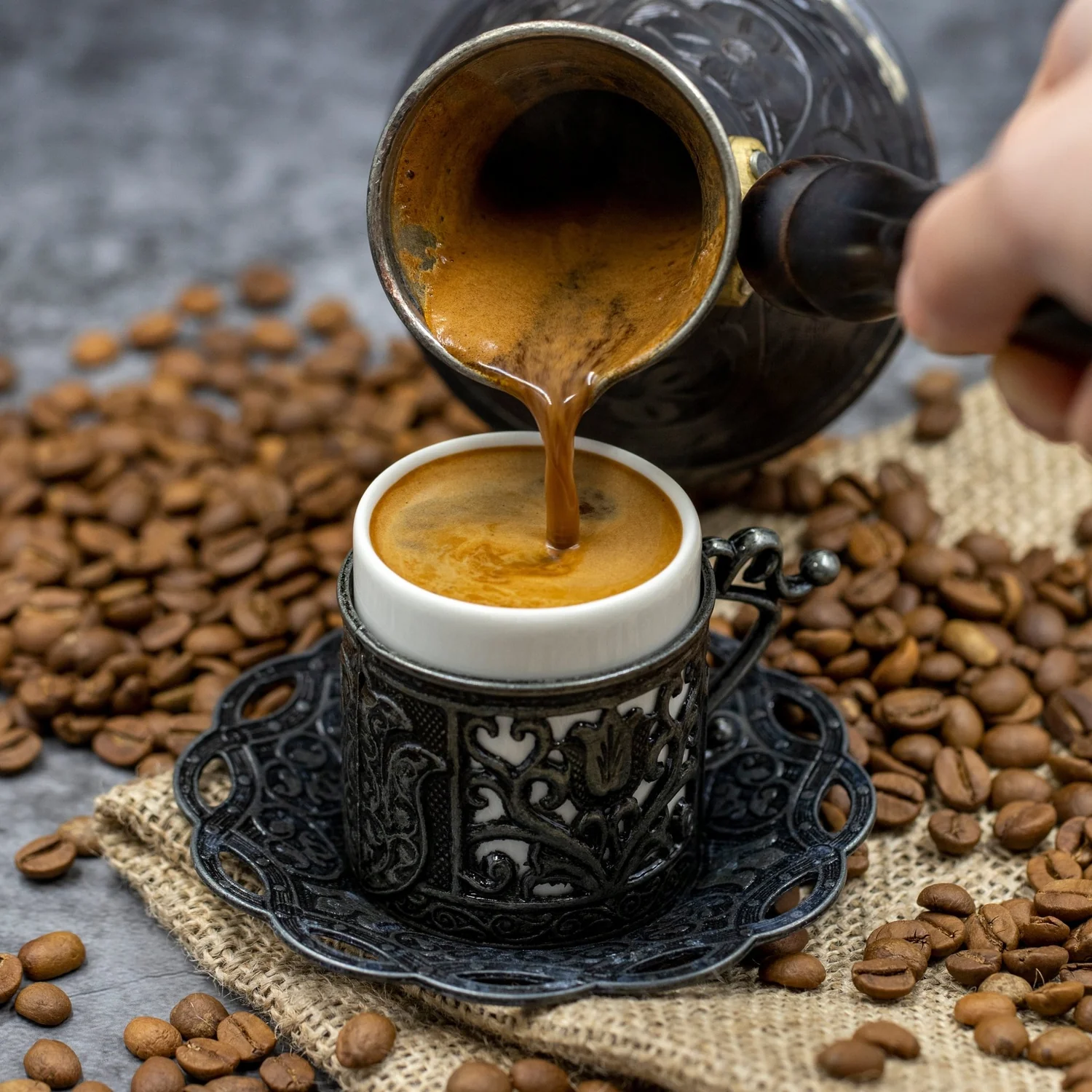
Turkish coffee is more than a beverage; it’s a cultural symbol, a ritual, and a key ingredient for confectionery, cafes, and hospitality businesses across Afghanistan. Its rich aroma, distinctive flavor, and intricate preparation have made it a staple in both homes and commercial settings. For manufacturers, factory managers, production supervisors, and procurement officers, sourcing a reliable Turkish coffee supplier in Afghanistan goes far beyond simply acquiring a commodity—it’s about ensuring consistent quality, meeting production schedules, and maintaining supply chain stability in a market that can sometimes be unpredictable.
In this comprehensive guide, we delve deep into the Turkish coffee supply landscape in Afghanistan. You’ll learn how to identify trustworthy suppliers, evaluate product quality, and leverage industry insights to optimize procurement decisions. We’ll cover sourcing strategies, brand comparisons, and practical tips tailored specifically for manufacturing facilities, cafes, and hospitality businesses, helping you maintain efficiency while consistently delivering exceptional coffee experiences to your customers. Whether you’re scaling production or refining your existing supply chain, these insights are designed to empower your facility to thrive in a competitive market.
Understanding Turkish Coffee and Its Significance
What Makes Turkish Coffee Unique?
Turkish coffee is finely ground, unfiltered, and prepared with precision to achieve its characteristic richness and crema. Its unique preparation requires:
- Fine grind size for optimal extraction.
- Consistent roasting to maintain flavor uniformity.
- Reliable sourcing to prevent batch-to-batch variability.
For manufacturers, these factors impact not just taste but also production efficiency, machine performance, and end-product consistency.
Why Afghan Businesses Prefer Turkish Coffee
Afghanistan’s cafés and hospitality sector value Turkish coffee for:
- Cultural appeal: Traditional preparation resonates with customers.
- Versatility: Usable in desserts, beverages, and specialty blends.
- Market demand: Steady growth in local coffee consumption creates predictable bulk requirements for suppliers.
Selecting a Reliable Turkish Coffee Supplier in Afghanistan
Core Considerations for Manufacturers
When choosing a supplier, consider:
- Consistency and Quality Control
We’ve seen production lines experience downtime due to inconsistent coffee grind size or roasting levels. A supplier like MT Royal ensures strict quality checks, reducing risk of production hiccups. - Supply Chain Reliability
Timely deliveries prevent costly downtime. For facilities in Kabul, Herat, or Kandahar, local logistics expertise is crucial. - Brand Range and Options
Offering multiple brands, including premium European-origin suppliers such as Latamarko, allows factories to differentiate products without compromising operational efficiency.
Common Pitfalls in Supplier Selection
- Focusing solely on price: Low-cost options may result in higher production variability.
- Ignoring storage requirements: Turkish coffee is sensitive to moisture and heat, critical in Afghanistan’s climate.
- Overlooking certifications: ISO or HACCP certifications indicate adherence to quality and safety standards.
Turkish Coffee Specifications for Industrial Use
Quality Parameters for Bulk Operations
- Grind Consistency: Ensures uniform extraction in machines.
- Moisture Content: Ideally below 5% to prevent clumping or mold.
- Roast Level: Light, medium, or dark depending on end-product specifications.
| Parameter | Recommended Range for Bulk Supply | Notes for Production Managers |
|---|---|---|
| Grind Size | 200–300 microns | Ensures smooth flow in automated grinders |
| Moisture Content | ≤5% | Prevents clumping in storage or blending |
| Roast Level | Medium-Dark | Aligns with consumer taste expectations |
| Packaging | Multi-layered foil or vacuum-sealed | Extends shelf life and preserves aroma |
Actionable Tips for Factory Managers
Optimizing Storage and Handling
- Climate control: Maintain 15–20°C and low humidity.
- Rotation systems: First-in, first-out (FIFO) minimizes flavor degradation.
- Packaging checks: Inspect bulk bags for integrity to avoid contamination.
Pro Tips for Procurement Officers
- Negotiate volume contracts: Lock in pricing and priority delivery with suppliers like MT Royal.
- Evaluate samples regularly: Conduct sensory and quality tests for each batch.
- Consider premium blends: European-origin brands, such as Latamarko, can elevate your product offering for niche markets.

Real-World Industrial Anecdotes
In our experience supplying coffee to Afghan production facilities, we’ve observed:
- A confectionery manufacturer in Kabul reduced production downtime by 20% after switching to a supplier offering consistent medium-dark roasts.
- Cafés in Herat reported improved customer satisfaction when sourcing from premium European-origin suppliers for high-end Turkish coffee blends.
These examples illustrate that reliable sourcing translates directly into operational efficiency and customer loyalty.
Comparison of Supplier Types
| Supplier Type | Advantages | Considerations |
|---|---|---|
| Local Afghan suppliers | Lower logistics costs, faster delivery | May lack international quality certifications |
| Regional Middle East | Established quality standards, variety | Potentially higher costs and customs delays |
| European Premium (Latamarko) | Superior consistency, long shelf life | Higher cost, longer lead times |
Industry-Specific Considerations
- Cafés and restaurants: Require small-batch, freshly roasted supplies.
- Confectionery and food manufacturing: Bulk, standardized Turkish coffee is essential for recipe consistency.
- Hotels and resorts: Premium blends can enhance guest experience, supporting higher margins.
Frequently Asked Questions
Q: How much Turkish coffee should I order for large-scale production?
A: Calculate based on daily output, recipe usage, and storage capabilities. Bulk contracts with MT Royal can optimize supply chain efficiency.
Q: Does moisture affect Turkish coffee quality?
A: Absolutely. High humidity can lead to clumping and flavor loss. Ensure climate-controlled storage.
Q: Are European-origin blends worth the cost?
A: Premium suppliers like Latamarko offer consistency, longer shelf life, and superior aroma, often justifying the investment.
Conclusion: Strategic Sourcing for Success
Selecting a Turkish coffee supplier in Afghanistan is more than buying a commodity—it’s a strategic decision that directly impacts production efficiency, flavor reliability, and your competitive edge in the market. A dependable supplier ensures that your operations run smoothly, minimizing disruptions caused by inconsistent batches, delayed shipments, or fluctuating quality. Reliable partners like MT Royal provide a diverse range of brands at competitive prices, allowing you to tailor your supply according to your production needs, while premium options from Latamarko offer unmatched consistency, long shelf life, and a refined aroma that can elevate your end products.
By choosing the right supplier, you not only protect the integrity of your recipes but also enhance overall operational resilience. Manufacturers who prioritize quality sourcing often see tangible benefits: reduced production downtime, lower waste, more predictable costs, and satisfied customers who recognize and value consistent taste and quality. In a market where every batch counts, investing in a trusted supplier is investing in your brand reputation, operational efficiency, and long-term growth.
latamarko alkalized cocoa powder lm60
cocoa powder for chocolate production-Best price
Food industry raw materials – list of products
Types of Gelatin from Turkish Manufacturer
Alkalized Cocoa Powder Bulk Supplier
Istanbul import export company

No comment