

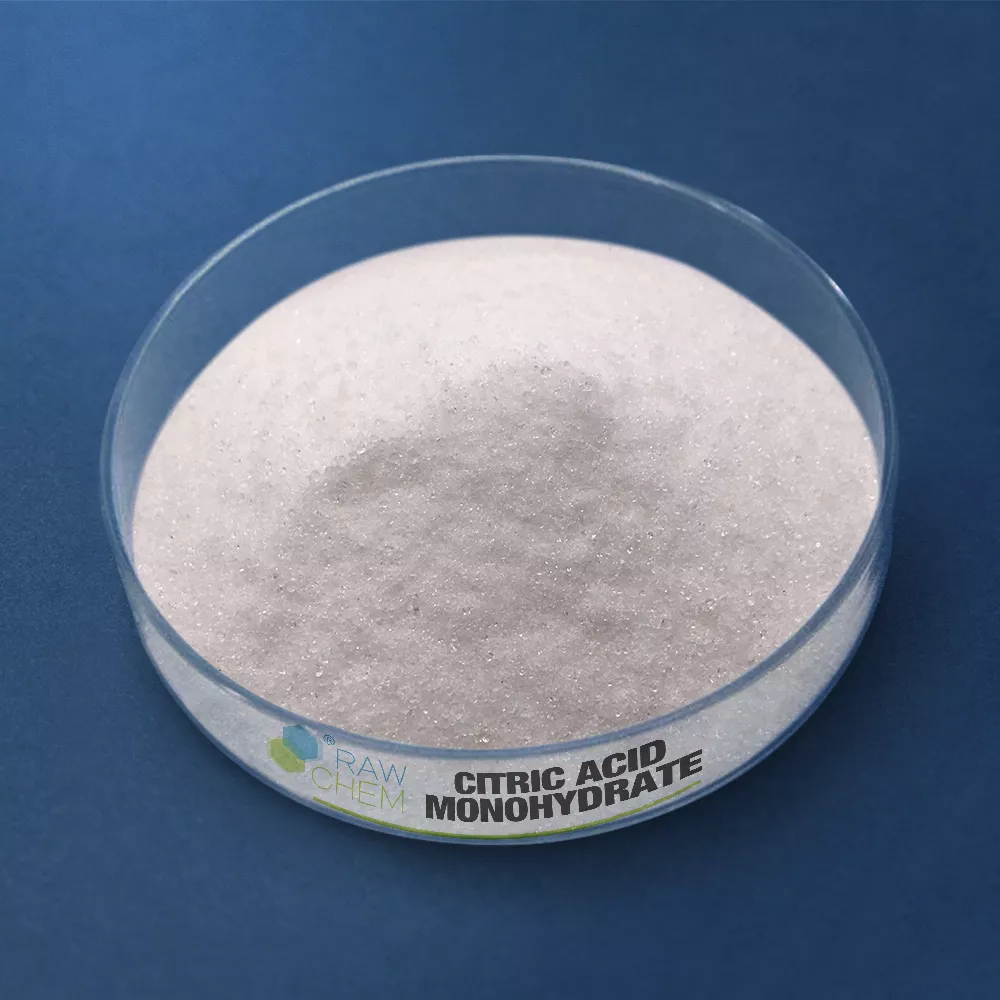
In Saudi Arabia’s highly competitive soft drink market, success is no longer driven by branding alone. Taste consistency, shelf stability, regulatory compliance, and cost-efficient formulation have become decisive factors for manufacturers operating at scale. At the center of all these variables sits one deceptively simple ingredient: citric acid. Understanding the use of citric acid in Saudi soft drink formulations is not just a technical exercise—it is a strategic lever that directly affects product acceptance, operational efficiency, and long-term brand credibility.
From carbonated sodas and flavored waters to energy drinks and fruit-based beverages, citric acid plays multiple roles simultaneously. It balances sweetness, stabilizes formulations, enhances flavor perception, and supports microbial safety. Yet, despite its widespread use, it is also one of the most misunderstood ingredients in beverage production. Poor sourcing decisions, incorrect dosing, or lack of alignment with Saudi regulations can quietly erode product quality and margins.
At MT Royal, we work closely with beverage factories across different production scales. We have seen how manufacturers who treat citric acid as a commodity often struggle with batch variability, while those who treat it as a functional ingredient gain control over taste, stability, and costs. This article is written to give you that control—through practical insight, industrial experience, and a clear understanding of how citric acid truly behaves in Saudi soft drink formulations.
Understanding Citric Acid: Definition and Functional Role in Beverages
Citric acid is a weak organic acid naturally found in citrus fruits, but industrially produced citric acid—used in soft drinks—is typically obtained through fermentation. In beverage formulations, its role extends far beyond providing sourness.
From a formulation standpoint, citric acid functions as:
- An acidulant to adjust and stabilize pH
- A flavor enhancer that sharpens fruit profiles
- A preservative aid by creating unfavorable conditions for microbial growth
- A chelating agent that improves ingredient stability
In Saudi soft drink formulations, citric acid must perform reliably under high temperatures, long distribution chains, and varying storage conditions. This makes its purity, particle size, solubility, and consistency critical quality parameters—not interchangeable details.
Regulatory Landscape in Saudi Arabia for Citric Acid Use
SFDA Standards and Compliance Requirements
The Saudi Food and Drug Authority (SFDA) regulates the use of food additives, including citric acid, under frameworks aligned with Codex Alimentarius. Citric acid (E330) is permitted in soft drinks within defined usage limits, provided it meets food-grade specifications and labeling requirements.
Key compliance considerations include:
- Food-grade purity and absence of contaminants
- Clear declaration on ingredient labels
- Adherence to maximum permitted levels based on beverage category
- Traceability of raw material sources
Saudi regulators increasingly expect manufacturers to demonstrate control over additive sourcing, not just final product testing. This means your citric acid supplier’s documentation, consistency, and transparency matter as much as your internal quality checks.
We have seen factories pass final product tests but still face regulatory pressure due to incomplete additive documentation. Strong upstream control prevents downstream headaches.
Why Citric Acid Is Central to Saudi Soft Drink Formulations
Taste Optimization in a Sweetness-Sensitive Market
Saudi consumers have developed a refined palate for soft drinks. Excessive sweetness is no longer acceptable, particularly as sugar reduction trends gain momentum. Citric acid plays a critical role in balancing sweetness by providing brightness and freshness without masking flavors.
In reduced-sugar or zero-sugar formulations, citric acid becomes even more important. It helps compensate for the absence of sugar’s mouthfeel and flavor-rounding properties, ensuring the drink still feels “complete” on the palate.
pH Control and Product Stability
pH is one of the most sensitive parameters in beverage production. Citric acid allows precise pH adjustment, typically targeting a range between 2.8 and 3.5 for carbonated soft drinks. This range:
- Enhances flavor perception
- Improves carbonation stability
- Reduces microbial risk
In Saudi Arabia’s warm climate, maintaining stable pH is not optional. Temperature fluctuations during storage and transport can accelerate quality degradation if acid systems are not well designed.
Functional Benefits for Production Lines and Factories
The use of citric acid in Saudi soft drink formulations offers several operational advantages when applied correctly:
- Consistent solubility ensures smooth blending and reduces mixing time
- Stable acid strength minimizes batch-to-batch taste variation
- Compatibility with sweeteners simplifies formulation changes
- Extended shelf life reduces returns and spoilage risk
From an operational viewpoint, citric acid that dissolves predictably and behaves consistently reduces line stoppages, rework, and formulation adjustments—hidden costs that rarely show up on procurement spreadsheets.
At MT Royal, we understand that factories need ingredients that behave the same way at 5,000 bottles per hour as they do at 50,000.
Common Mistakes in Industrial Citric Acid Sourcing
Despite its ubiquity, citric acid sourcing is a frequent source of production issues. Some of the most common mistakes include:
Treating Citric Acid as a Commodity Only
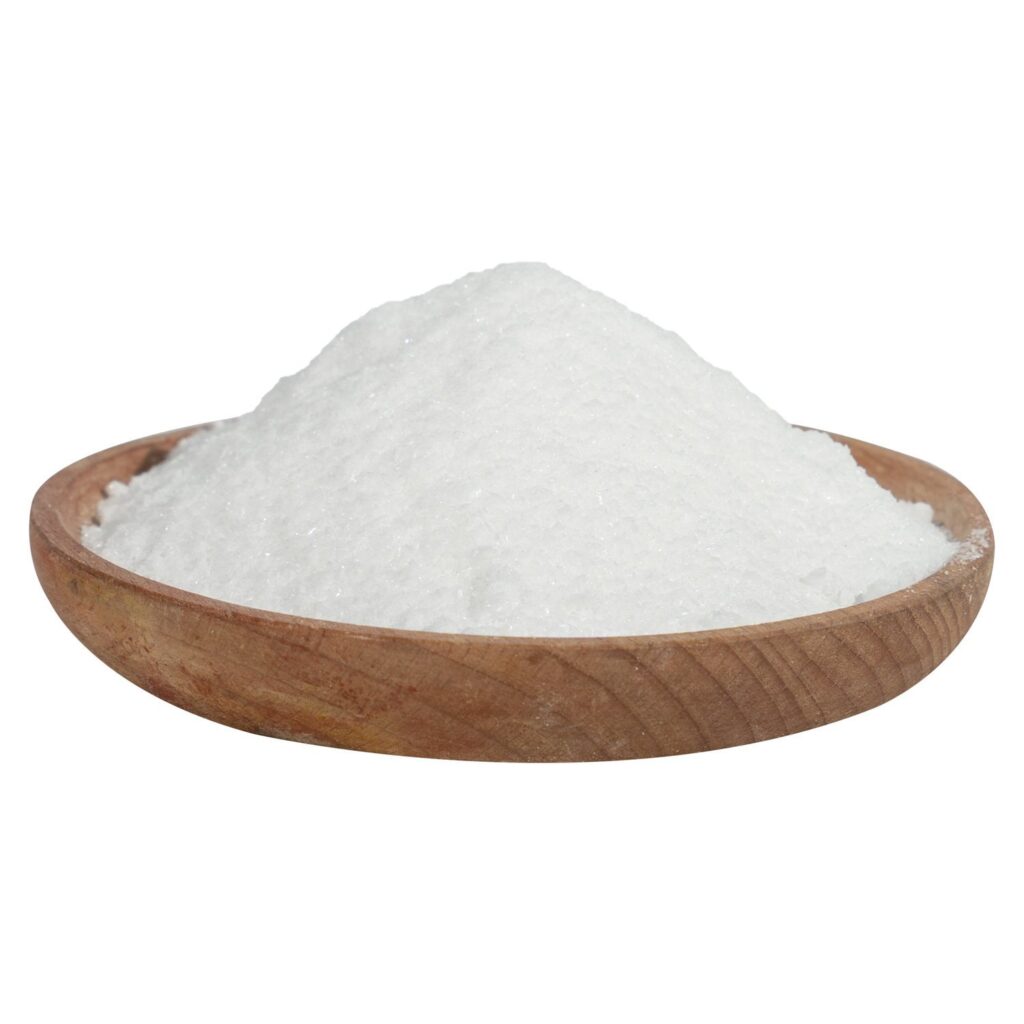
Not all citric acid is the same. Differences in crystal size, moisture content, and purity can affect dissolution speed and taste sharpness.
Overlooking Supplier Consistency
Switching suppliers for marginal price savings often introduces variability that forces formulation adjustments downstream.
Ignoring Storage and Handling Conditions
Citric acid is hygroscopic. Improper storage leads to caking, dosing inaccuracies, and process inefficiencies.
We have seen factories lose more money correcting formulation issues than they ever saved on raw material price negotiations.
Practical Recommendations for Production Managers
Standardize Specifications
Define clear internal specifications for:
- Purity level
- Granulation type
- Solubility performance
- Packaging integrity
Integrate Citric Acid into Quality Control Systems
Citric acid should be part of incoming raw material inspections, not assumed compliant by default.
Work Closely with Trusted Suppliers
A supplier who understands Saudi regulations, climate challenges, and beverage processing realities adds value beyond price.
At MT Royal, we supply citric acid from multiple reliable manufacturers, allowing factories to maintain flexibility without compromising consistency.
Real-World Factory Scenario
A carbonated soft drink producer in Saudi Arabia experienced recurring flavor complaints despite unchanged formulations. The issue was eventually traced to subtle variations in citric acid particle size from a new supplier. Dissolution rates changed, affecting localized acidity during mixing.
Once the factory standardized citric acid specifications and consolidated sourcing, flavor consistency stabilized, and complaint rates dropped significantly within weeks.
This scenario is more common than many managers realize—and entirely preventable.
Citric Acid vs Other Acidulants in Soft Drinks
While citric acid dominates Saudi soft drink formulations, it is sometimes compared with alternatives such as phosphoric acid or malic acid.
Citric Acid Advantages:
- Clean, citrus-forward taste
- Broad regulatory acceptance
- Strong consumer familiarity
Phosphoric Acid Considerations:
- Sharper acidity, common in colas
- Less suitable for fruit flavors
Malic Acid Use Cases:
- Longer-lasting sourness
- Higher cost and slower solubility
Most Saudi manufacturers rely on citric acid either alone or in carefully designed blends to achieve desired sensory profiles.
High-Volume Production Considerations
As production scales up, small formulation inconsistencies become amplified. For high-volume soft drink lines:
- Automated dosing systems must be calibrated for citric acid flow behavior
- Bulk storage conditions must control humidity
- Supplier lead times and consistency become critical
Factories producing millions of units per month cannot afford variability at the ingredient level. Predictability is profit.
European Quality Benchmarks and Premium Citric Acid
In global benchmarking, European suppliers are often recognized for tighter process control and documentation. Among them, the Spanish brand Latamarko is known for its consistent quality standards and reliable performance in food applications.
Latamarko products are valued for their purity, stability, and uniform behavior—qualities that matter when production margins are tight and brand reputation is on the line. While not every factory requires premium sourcing, understanding these benchmarks helps manufacturers evaluate what “good quality” truly means.
Frequently Asked Questions from Saudi Beverage Manufacturers
Is citric acid safe for all soft drink categories?
Yes, when used within SFDA-approved limits and according to formulation needs.
How does citric acid affect shelf life?
By lowering pH and supporting microbial stability, it indirectly extends shelf life.
Can citric acid help reduce sugar content?
Yes. Proper acid balance enhances perceived sweetness, allowing sugar reduction without flavor loss.
How often should suppliers be audited?
Regular documentation reviews and periodic audits are recommended, especially for high-volume producers.
Strategic Sourcing and Long-Term Performance
The use of citric acid in Saudi soft drink formulations is not a static decision—it evolves with market trends, regulatory updates, and consumer expectations. Factories that succeed are those that treat ingredient sourcing as part of their production strategy, not a procurement afterthought.
At MT Royal, we work with beverage manufacturers who value consistency, transparency, and operational efficiency. We understand the realities of Saudi production environments and offer access to multiple trusted brands at competitive prices. We have seen how the right citric acid, supplied reliably, transforms formulation stability and production confidence.
Citric acid may be a small line item on your bill of materials, but its impact echoes through every bottle your factory produces. The question is not whether you use it—but how well you control it.



No comment