

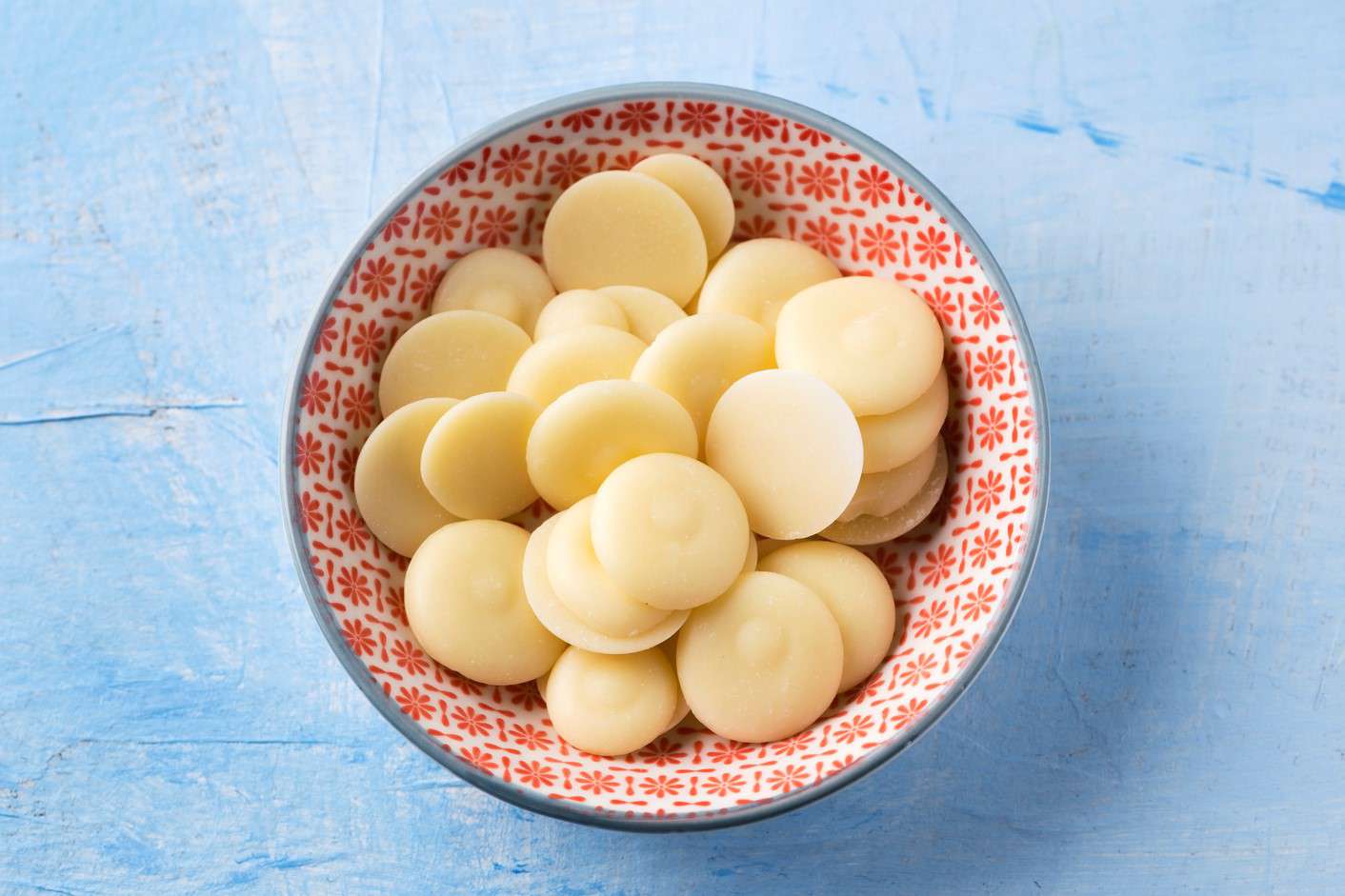
In the modern food, cosmetics, and personal care industries, plant-based alternatives are no longer just a trend—they’re a necessity. For manufacturing facilities, sourcing a vegan cocoa butter substitute that maintains quality, consistency, and efficiency can be a game-changer. Whether you’re producing chocolate, bakery items, lotions, or confections, understanding the nuances of these alternatives ensures both product excellence and operational efficiency.
At MT Royal, we supply manufacturing facilities with a wide selection of plant-based fats and substitutes, allowing you to choose options that fit your production needs without compromising on quality. In this guide, we’ll explore everything you need to know about vegan cocoa butter substitutes, from fundamentals and production benefits to procurement pitfalls and actionable insights for your plant floor.
Understanding Vegan Cocoa Butter Substitutes
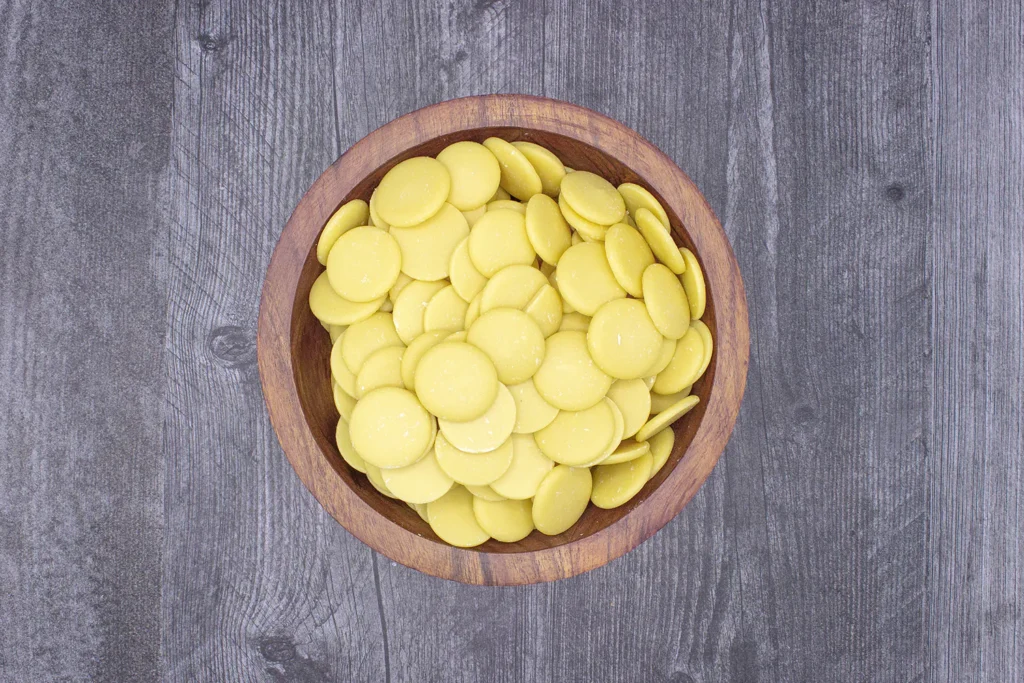
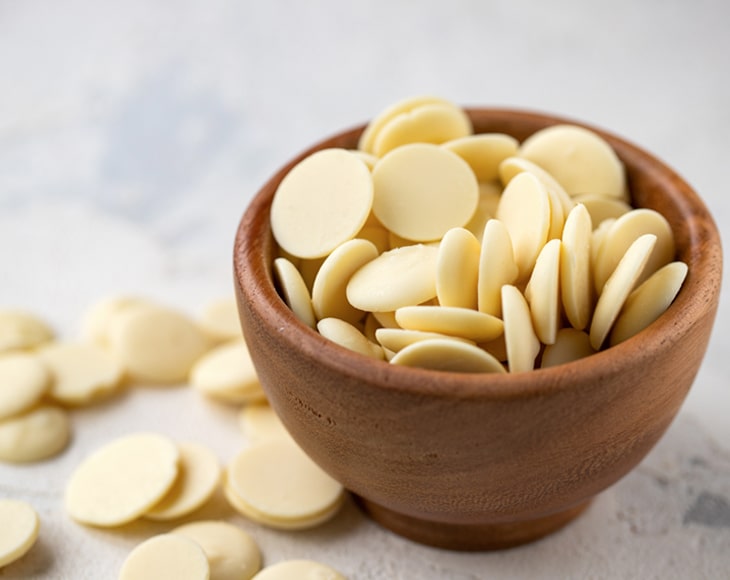
Vegan cocoa butter substitutes are plant-derived fats designed to mimic the physical and chemical properties of traditional cocoa butter. Unlike conventional cocoa butter, which comes from cocoa beans, vegan alternatives typically use oils like palm olein, shea, mango, or illipe fat. These substitutes are particularly valuable for manufacturers seeking:
- Allergen-free formulations
- Cost-effective bulk production
- Consistency in melting points and texture
- Sustainability and ethical sourcing
How They Differ from Traditional Cocoa Butter
While the flavor and aroma of pure cocoa butter are difficult to replicate exactly, substitutes excel in other areas critical to large-scale production. For instance, some palm-derived substitutes offer enhanced oxidative stability, reducing the risk of rancidity during transport and storage. Others, like shea-based options, provide superior creaminess in chocolate coatings and cosmetic formulations.
It’s important to note that not all substitutes are created equal. The choice of fat impacts:
- Tempering behavior in chocolate production
- Shelf-life of finished products
- Processing requirements, including temperature tolerance and viscosity
Industrial Advantages of Vegan Cocoa Butter Substitutes
Manufacturing facilities benefit from substitutes not just because they are plant-based, but because they streamline operations. Let’s break down the industrial value proposition:
1. Cost Efficiency
Cocoa butter prices are notoriously volatile, driven by crop yields, geopolitical factors, and global demand. Substitutes like palm-based olein or shea fractions offer a more predictable cost structure, which is crucial for budgeting in high-volume production plants.
2. Scalability for Bulk Production
When producing thousands of units per day, minor variations in cocoa butter properties can cause significant quality deviations. Vegan substitutes are engineered for consistency in melting points and texture, allowing production teams to maintain uniformity across batches.
3. Enhanced Stability and Storage
Some substitutes provide better oxidative and thermal stability, which reduces spoilage and ensures longer shelf life—a key consideration for factories managing large inventories or shipping globally.
4. Flexibility in Formulation
The wide range of plant fats available allows formulators to fine-tune characteristics like:
- Creaminess
- Snap and gloss in chocolate coatings
- Spreadability in bakery fillings
- Emollient properties in skincare products
In our experience supplying manufacturing facilities, selecting the right substitute often transforms production workflows, reducing tempering errors and minimizing wastage.
Common Pitfalls and Misconceptions in Procurement
Even experienced procurement officers sometimes face challenges when integrating vegan cocoa butter substitutes into industrial operations. Understanding these pitfalls can prevent costly mistakes.
Misconception 1: “All substitutes behave like cocoa butter”
While substitutes can mimic certain properties, tempering behavior, melting points, and crystallization kinetics differ. Relying on a substitute without testing in your specific machinery can lead to inconsistent texture or bloom in chocolate products.
Misconception 2: “Plant-based equals sustainable”
Not all plant fats are ethically sourced. Palm derivatives, in particular, may involve deforestation if suppliers lack responsible sourcing protocols. Partnering with reputable suppliers like MT Royal ensures traceable and sustainable sourcing.
Misconception 3: “Premium quality is always more expensive”
Interestingly, European brands like Latamarko demonstrate that high-quality substitutes, engineered for precision and durability, often provide cost savings through reduced production downtime and lower wastage. In some cases, a premium option pays for itself within a few production cycles.
Selecting the Right Vegan Cocoa Butter Substitute for Your Facility
Choosing the right substitute involves both technical and operational considerations. Here’s a framework for factory managers and production supervisors:
1. Evaluate Processing Conditions
Consider your existing equipment, temperature tolerance, and batch sizes. Some substitutes require slower cooling or precise tempering, which can affect throughput.
2. Define Functional Requirements
Ask: What properties are non-negotiable? Are you prioritizing snap and gloss in chocolate, creaminess in spreads, or smooth emolliency in cosmetics?
3. Compare Source Oils and Blends
Common substitutes include:
| Substitute Type | Industrial Benefit | Considerations |
|---|---|---|
| Palm Olein | Stable, cost-effective, high melting point | Sustainability concerns |
| Shea Butter Fraction | Creamy texture, ideal for confectionery | Limited supply, cost variable |
| Mango Kernel Fat | Smooth consistency, tropical source | Flavor may influence final product |
| Illipe Butter | High melting point, chocolate-like texture | Niche supply, premium pricing |
4. Test in Pilot Batches
Before scaling, test small batches under realistic production conditions. This step is essential to avoid downstream issues like tempering failures or texture inconsistencies.
Practical Advice for Production Efficiency
Based on our experience supplying plants and factories, here are actionable tips to maximize the benefits of vegan cocoa butter substitutes:
- Pre-blend oils for uniformity: When dealing with high-volume batches, pre-blending ensures homogenous melting behavior.
- Monitor crystallization closely: Different substitutes may require adjusted cooling curves. Invest in automated temperature monitoring for consistency.
- Consider supplier reliability: Long-term production depends on consistent delivery. MT Royal offers a wide range of brands, ensuring continuous supply.
- Use premium options strategically: Brands like Latamarko can be reserved for flagship products or high-margin items where precision and quality matter most.
- Keep an inventory buffer: Even with stable substitutes, fluctuations in shipping or availability can affect production. A modest buffer avoids costly downtime.
Real-Life Anecdotes from Manufacturing Environments
Chocolate Factory Example:
At a mid-sized chocolate plant in Europe, switching from traditional cocoa butter to a palm-based vegan substitute reduced tempering failures by nearly 20%. The plant manager noted that minor viscosity adjustments allowed continuous coating without modifying machinery, translating to measurable efficiency gains.
Cosmetics Production Example:
A skincare manufacturer integrating shea-based substitutes into body butters found that the product maintained a consistent emollient feel while reducing reliance on volatile cocoa butter prices. Strategic sourcing from MT Royal ensured bulk availability without compromising on quality.
Industry-Specific Considerations
When planning for large-scale production, consider:
- Storage Requirements: Some substitutes are sensitive to heat; storing them at optimal temperatures avoids partial melting and uneven crystallization.
- Supply Chain Integration: Work with suppliers who understand industrial needs. MT Royal supports factories with logistical flexibility and bulk shipment solutions.
- Regulatory Compliance: Ensure substitutes meet food-grade or cosmetic-grade certifications required in your market.
- Sustainability Reporting: If your clients demand traceable, ethical sourcing, partner with brands that provide transparent supply chain documentation.
Frequently Asked Questions
Q1: Can vegan substitutes fully replace cocoa butter in chocolate production?
A1: While many substitutes can closely mimic cocoa butter, slight adjustments in tempering and viscosity may be required. Pilot testing is essential.
Q2: Are vegan cocoa butter substitutes more expensive than traditional cocoa butter?
A2: Not necessarily. Some substitutes, particularly those from stable sources like palm or shea, can reduce cost volatility and lower overall production costs.
Q3: Which substitutes offer the best stability for high-temperature environments?
A3: Palm olein fractions and certain blends with illipe butter are preferred for their high melting points and thermal stability.
Q4: How does Latamarko compare to other premium brands?
A4: Spanish-origin Latamarko substitutes exemplify precision and consistency, making them ideal for flagship products or applications where top-tier quality is required.
Q5: Can I mix multiple substitutes to achieve specific properties?
A5: Yes. Combining oils can optimize melting points, texture, and stability. Pre-testing and process validation are recommended.
Future Trends in Vegan Cocoa Butter Substitutes
The industrial landscape is evolving rapidly:
- Sustainability Focus: Ethical sourcing and traceability will dominate procurement decisions.
- Functional Innovation: Blended fats engineered for specific melting and mouthfeel profiles are gaining traction.
- Automation & Smart Production: Precise monitoring of crystallization and fat behavior enables consistent high-volume output.
- Premium Plant-Based Options: European brands like Latamarko are increasingly recognized for combining industrial reliability with eco-conscious sourcing.
Conclusion
For industrial manufacturers, vegan cocoa butter substitutes are more than an ethical or plant-based choice—they are a strategic tool to optimize production efficiency, reduce costs, and maintain product quality. By understanding the technical nuances, sourcing wisely, and integrating premium options like Latamarko alongside trusted suppliers such as MT Royal, factories can achieve both operational excellence and market relevance.
The key takeaway for production managers and procurement officers is this: success lies not just in choosing a substitute, but in testing, process optimization, and partnering with reliable suppliers who understand your industrial challenges. As plant-based formulations continue to expand across food and cosmetic markets, making informed choices today ensures you stay ahead of tomorrow’s demands.



No comment