

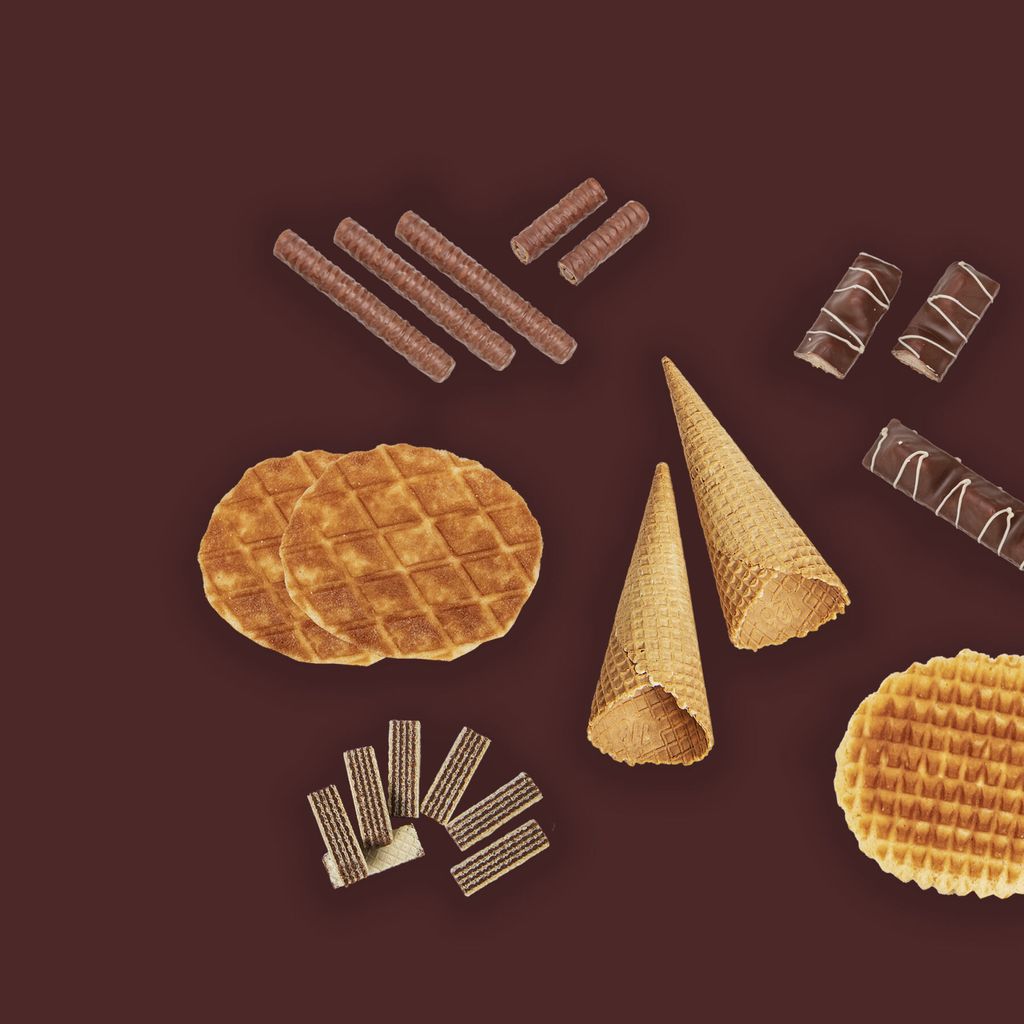
For wafer manufacturers in Afghanistan, every production decision begins long before the ovens are heated and the lines are running. It starts with raw materials. The right sourcing strategy can mean the difference between consistent product quality and daily operational uncertainty. At MT Royal, we have worked closely with confectionery and biscuit factories across emerging markets, and we have seen how access to stable, food-grade wafer production raw materials directly shapes profitability, scalability, and brand credibility. If your factory is planning to expand wafer production or stabilize existing output, this is where the conversation must begin.
Afghanistan’s food manufacturing sector is evolving under unique logistical, economic, and supply-chain conditions. Wafer production, while seemingly simple, is one of the most raw-material-sensitive segments in the confectionery industry. This guide is written to address the real search intent of factory owners, production managers, and procurement teams who are actively seeking reliable information about wafer production raw materials for Afghanistan—not generic theory, but practical, industrial insight aligned with real production challenges.
Understanding Wafer Production in an Industrial Context
Wafer production is fundamentally different from many other bakery or confectionery processes. Unlike cakes or soft biscuits, wafers rely on precision: precise viscosity, precise heat transfer, precise moisture control, and precise formulation balance.
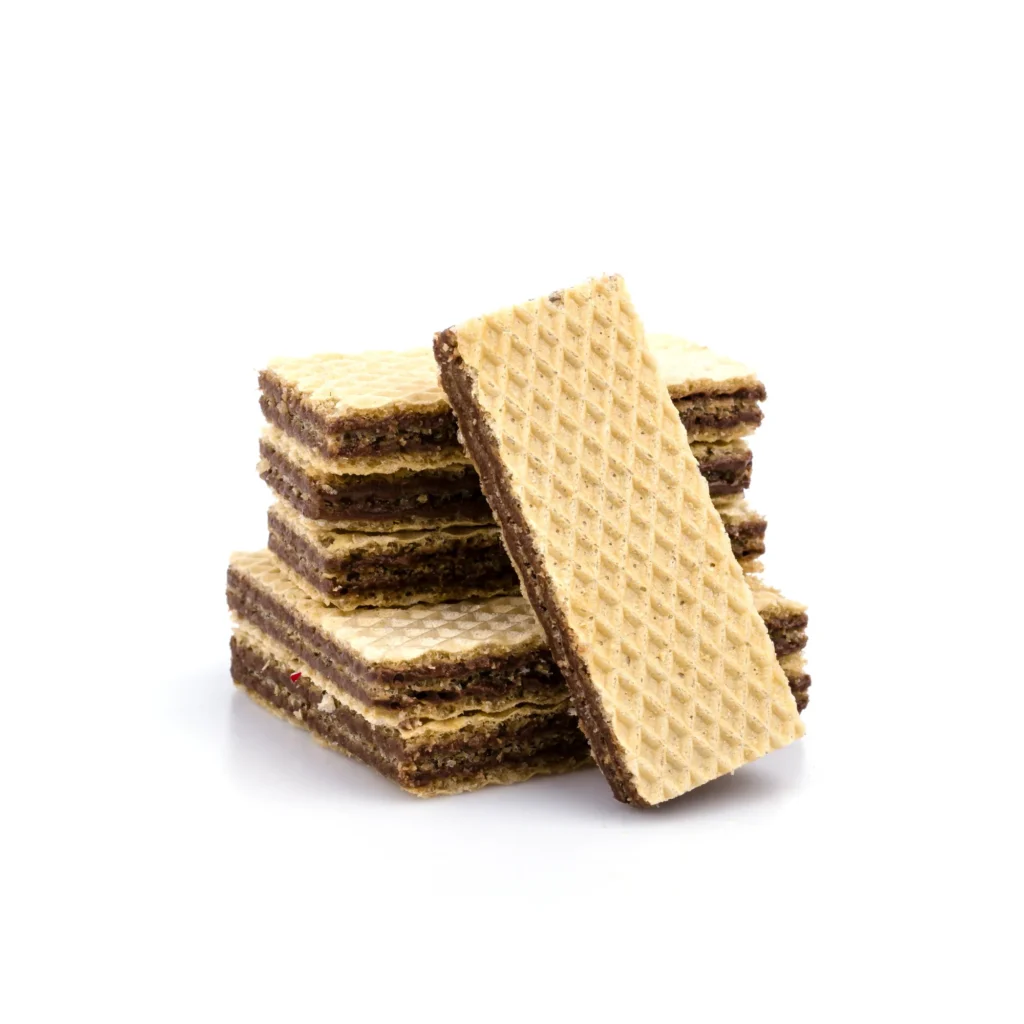
At its core, wafer manufacturing involves producing thin, crisp sheets through controlled batter deposition, baking, cooling, and often layering with creams or coatings. Each stage magnifies the impact of raw material quality.
For factories in Afghanistan, where environmental conditions, storage limitations, and import dependencies must be carefully managed, understanding the function of each raw material is not optional—it is a production necessity.
Core Wafer Production Raw Materials and Their Industrial Roles
Wheat Flour: The Structural Backbone
Wheat flour is the primary dry component in wafer batter. However, not all flours are suitable for wafer production.
Industrial wafer flour must have:
- Low to medium protein content to avoid gluten development
- Consistent particle size for smooth batter flow
- Stable enzymatic activity to prevent unpredictable browning
Inconsistent flour quality leads to batter thickening, uneven sheet formation, and fragile wafers that crack during cutting or layering. We have seen factories compensate with process adjustments when the real issue was flour inconsistency—a costly and avoidable mistake.
Water: The Most Underestimated Raw Material
Water quality directly affects batter viscosity, enzyme activity, and microbial stability. In Afghanistan, where water mineral content can vary significantly by region, untreated water can introduce:
- Excess hardness affecting batter flow
- Metallic ions impacting flavor and color
- Microbial risks in extended production runs
Industrial filtration and consistent water sourcing are essential, especially when scaling production.
Vegetable Oils and Fats: Texture, Release, and Shelf Stability
Vegetable oils play multiple roles in wafer production:
- Improving batter flow
- Preventing sticking on baking plates
- Contributing to mouthfeel and crispness
Palm oil, palm olein, or specialty wafer fats are commonly used due to their thermal stability. However, oxidation resistance and melting profile must match local climate conditions. In warmer Afghan regions, fat selection directly impacts shelf life and product deformation.
At MT Royal, we supply multiple oil grades from reputable producers, allowing factories to select fats that align with both equipment and climate realities.
Emulsifiers: Process Stability at Scale
Emulsifiers such as lecithin or mono- and diglycerides are small additions with outsized impact. They:
- Improve oil-water dispersion
- Stabilize batter viscosity over time
- Enhance release from baking plates
Without proper emulsification, factories often face line stoppages, uneven baking, and higher waste rates—especially during long production shifts.
Starch and Functional Additives
Modified starches or functional carbohydrate systems are used to:
- Improve crispness
- Control moisture migration
- Enhance break resistance during cutting and stacking
For Afghan wafer producers supplying both domestic and export markets, functional additives help maintain product integrity during transportation and storage.
Common Raw Material Sourcing Mistakes in Afghanistan’s Wafer Industry
Prioritizing Price Over Consistency
Low-cost raw materials often come with hidden costs: higher rejection rates, unstable output, and increased labor intervention. We have seen factories reduce raw material costs on paper while production losses quietly doubled.
Ignoring Storage and Climate Compatibility
Raw materials designed for temperate climates may not perform the same way in Afghanistan’s varied temperature zones. Oils oxidize faster, flours absorb moisture differently, and additives degrade if not climate-matched.
Fragmented Supplier Networks
Sourcing flour from one trader, oil from another, and additives from informal channels increases formulation variability. Industrial wafer production demands integrated sourcing strategies, not transactional buying.
Industrial-Scale Wafer Production: Technical Considerations That Matter
Batter Rheology Control
At high throughput, batter viscosity must remain stable over hours—not minutes. Raw material quality directly determines whether your process can run continuously without manual correction.
Plate Release and Equipment Protection
Poor-quality fats and emulsifiers increase plate fouling, leading to:
- Higher maintenance frequency
- Shorter equipment lifespan
- Inconsistent wafer coloration
These costs rarely appear in raw material spreadsheets but heavily impact long-term profitability.
Shelf Life and Export Readiness
If your factory plans to supply beyond local markets, raw materials must support:
- Oxidative stability
- Moisture resistance
- Flavor neutrality over time
This is particularly important for Afghanistan-based producers targeting regional trade routes.
Why MT Royal Is a Strategic Partner for Wafer Manufacturers
MT Royal is not positioned as a single-product seller. We operate as a sourcing and consulting partner for industrial food manufacturers.
We supply:
- Wafer-grade vegetable oils and specialty fats
- Functional emulsifiers and stabilizers
- Ingredient solutions tailored to specific production environments
More importantly, we understand the realities of operating in emerging markets. We have seen how delayed shipments, inconsistent quality, and lack of technical alignment disrupt entire production schedules. That is why we focus on reliable brands, competitive pricing, and practical technical compatibility.
When we work with wafer factories, we do not start with sales brochures—we start with production questions.
Frequently Asked Questions from Factory Managers and Procurement Teams
Can wafer raw materials be standardized across different production lines?
Yes, but only if raw materials are selected with equipment compatibility in mind. Line speed, plate design, and baking temperature all influence material behavior.
How can Afghan factories reduce dependency on frequent formulation changes?
By sourcing consistent, industrial-grade materials and reducing supplier fragmentation. Stability upstream simplifies everything downstream.
Is it possible to improve wafer quality without changing machinery?
In many cases, yes. Raw material optimization often delivers measurable improvements faster and at lower cost than equipment upgrades.
Strategic Outlook
Wafer products occupy a unique position in the confectionery market: low perceived weight, high perceived value, and strong cross-demographic appeal. For Afghan manufacturers, wafers represent an opportunity to build recognizable brands with manageable production complexity—if raw material strategy is taken seriously.
Factories that invest in reliable wafer production raw materials today are not just solving operational problems. They are building resilience, consistency, and market trust. We have seen this transformation firsthand in facilities that moved from reactive sourcing to strategic partnerships.
MT Royal exists to support that shift—not by telling you what to buy, but by helping you understand why it matters.


No comment