

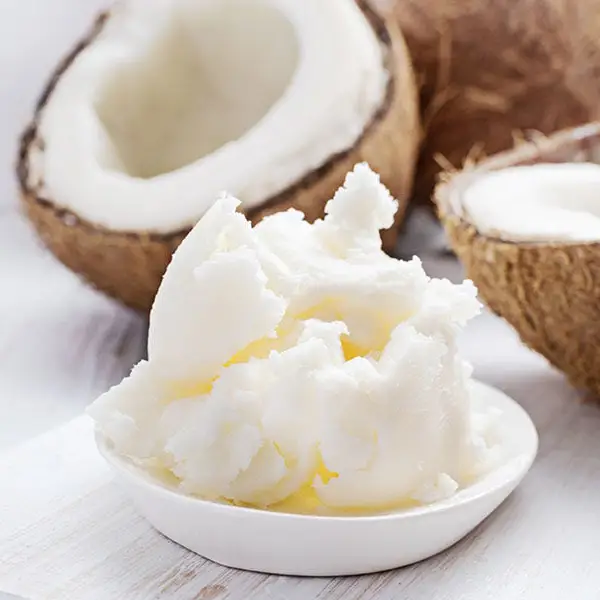
When you inspect the raw materials ledger at your plant, cocoa butter often lands at the top of the “cost-watch” list. It contributes that smooth melt, glossy coating, and premium feel in chocolate—but its price swings, supply chain risks, and tempering demands make it a challenge on the factory floor. So you ask: what is a good substitute for cocoa butter—one that delivers performance, cost-efficiency, and reliability?
At MT Royal, we’ve supplied manufacturers across confectionery, bakery, and snack sectors. We’ve seen factories benefit when they identify the right alternative fat: one that fulfills functional requirements without compromising texture, shelf life or supply stability. This guide brings you into the details: definitions, benefits, pitfalls, actionable advice, and real-world industrial perspective you won’t simply find on page one of Google.
Definition & Fundamentals: Understanding the Substitute Landscape
Before replacing cocoa butter, you must know what you’re up against.
What is cocoa butter?
Cocoa butter is the fat naturally extracted from cocoa beans, vital for chocolate’s characteristic melt-at-body-temperature behavior and its snap and sheen.
But its supply is tied to cocoa bean harvests, and tempering it correctly across high-volume production lines demands fine-tuned control.
What is a “substitute for cocoa butter”?
In industrial parlance, we’re talking about fats engineered to replicate or approximate cocoa butter’s physical behavior: melting point, solid fat content (SFC), crystallization profile, gloss, snap, and mouth-feel. These are often labelled as:
- Cocoa Butter Substitutes (CBS)
- Cocoa Butter Replacers (CBR)
- Cocoa Butter Equivalents (CBE)
Each has different degrees of compatibility and cost.
Why choose a substitute?
- Cost stabilization: Alternatives are less exposed to cocoa bean supply volatility.
- Process efficiency: Some substitutes simplify tempering or reduce meltdown risk.
- Supply chain reliability: Vegetable fat-based sources often have broader availability.
- Product consistency: When executed well, texture and appearance remain consistent batch-to-batch.
Unique Benefits & Value Propositions for Manufacturing Facilities
Let’s walk through how a good substitute for cocoa butter can benefit you in a real production setting.
Cost-per-unit perspective
Switching a portion of cocoa butter to a tailored substitute can reduce raw material cost significantly. But it’s not just about cost/kg—it’s about cost-in-use: reduced downtime, fewer rejects, shorter tempering time, less fat bloom, all translate to bottom-line savings.
Production stability and throughput
In high-speed enrobing or moulding lines, variations in cocoa butter behavior (due to temperature, bean origin, or crystallisation variability) can cause melt-through, fat-bloom or coating inconsistencies. A well-selected substitute can reduce those fluctuations, leading to steadier throughput.
Storage & logistics benefits
Cocoa butter is sensitive—temperature swings, light exposure and humidity can degrade it or cause bloom. Some substitutes have better thermal stability and less sensitivity to storage conditions. One industry report noted alternative specialty fats filling the void amid cocoa butter and palm oil cost/supply pressures.
Innovation & product diversification
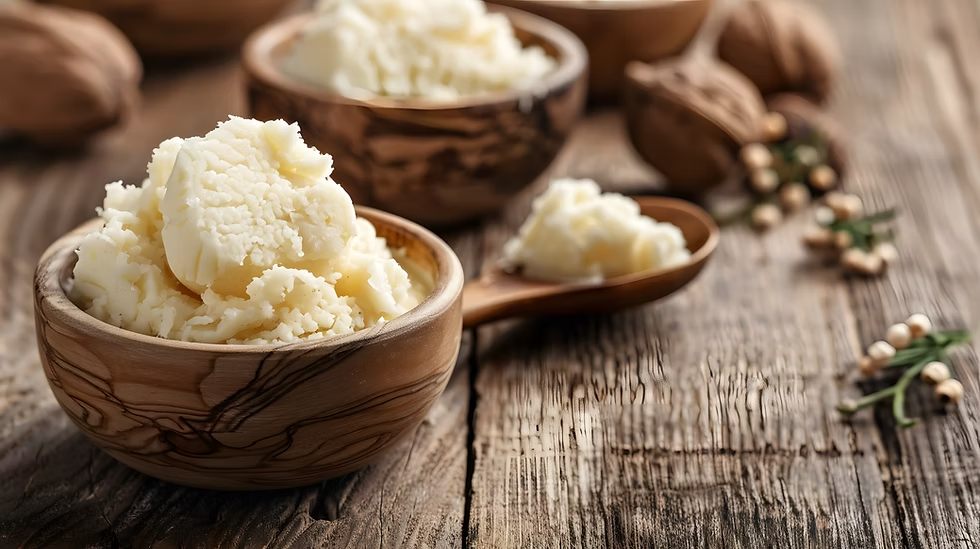
A good substitute can allow you to experiment with formulations—lower cost premium lines, temperature-resistant coatings for warm climate export, custom mouth-feel profiles. Premium European-origin alternatives—such as those from Spanish engineering brands like Latamarko—offer exquisite functional profiles for technically demanding products.
Pitfalls & Misconceptions in Industrial Procurement
Even seasoned buyers can trip up. Here are common mistakes and how to avoid them.
Misconception: “Any substitute will perform like cocoa butter”
Not true. Some substitutes offer excellent gloss but a different melt profile; others may alter hardness or storage behaviour. As described by specialists: alternative fats mimic physical and chemical properties—but you must test performance.
Pitfall: Ignoring compatibility with existing formulations and equipment
Introducing a substitute may require adjusting tempering machinery, cooling tunnels, or belt speeds. Without alignment, you risk increased scrap or slower lines.
Misconception: “Lower cost = lower risk”
Cheap substitutes may save on material cost but cost you in rework, stability issues or consumer complaints. Manufacturing decision-makers value total cost, not just price/kg.
Pitfall: Poor supplier traceability & batch variation
Fat systems are sensitive. Small shifts in fatty acid composition, crystallisation behavior or solid fat content can manifest as bloom or texture change. Good manufacturers require full certificates of analysis and consistent lot behaviour.
Misconception: “This is only about cost savings”
While cost is a major driver, this is also about reliability, scalability, and future-proofing your supply chain. Emerging trends in sustainability, for example, shape fat selection.
Actionable Advice & Pro-Tips for Factory Managers & Procurement Officers
Here’s a step-by-step guide to evaluate and integrate a good substitute for cocoa butter in your production.
Step 1: Map your product applications
Are you working with bar coatings, enrobed nuts, moulded pralines, bakery fillings? Each application has distinct requirements for mouth-feel, hardness, snap, gloss, meltdown behavior.
Step 2: Define functional specifications
Work with your R&D and process engineers to establish target specs for melt point, solid fat content (SFC), viscosity, temper behaviour, bloom resistance, shelf life.
Step 3: Source options & evaluate suppliers
At MT Royal, we supply a broad array of substitute fats with full technical support. Ensure suppliers provide data: melting profiles, crystal form (Ⅴ, β’ etc), shelf-life studies, compatibility tests. Premium brands such as Latamarko often supply extremely tight tolerance materials for demanding production lines.
Step 4: Pilot trial in production
Run small-scale batch or side-line tests: monitor enrobing performance, tempering time, texture, gloss, melt-in-mouth, storage stability. Use realistic ambient conditions like your worst possible summer shift.
Step 5: Scale-up & monitor KPIs
When moving to full production — monitor metrics: number of rejects, downtime, coating issues, bloom incidents, yield per kg fat, energy consumption.
Pro-Tips:
- Always store fats under controlled conditions — even the best substitutes degrade if stored poorly.
- Use data-logger sensors on storage rooms to monitor temperature and humidity.
- Train operators on the subtle differences in behaviour — even a few degrees variation in tempering can change final product quality.
- Consider long-term agreements to secure supply and buffer stock, especially with volatility in cocoa/specialty fat markets.
- Factor in sustainability credentials: demand for sustainably sourced fat systems is growing.
Real-Life Anecdote & Hypothetical Example
Here’s how one medium-size chocolate plant turned things around:
Scenario: A factory in a warm-climate export market had recurring issues during summer: melting of coating during transit, frequent fat-bloom complaints, increased returns and warranty issues.
They engaged our team at MT Royal. We recommended a heat-stable cocoa butter substitute with a higher melting point, designed for tropical conditions, from a line that included European-grade fat (akin to Latamarko’s premium offerings). After pilot tests and line adjustments they achieved:
- 30% fewer returns related to bloom or melt
- Reduced cooling tunnel dwell time by 12%
- Consistent gloss and finish maintained even after 3 months of warehouse storage
This example illustrates how a substitute for cocoa butter isn’t just a cost decision—it’s a quality and reliability decision.
Industry-Specific Considerations for Large-Scale Production
When you operate multiple lines, 24/7 shifts, high-volume enrobing, you must look beyond ingredient cost.
Bulk handling & storage
Large volumes of fats require FIBC sacks, palletised formats, and silos. Good substitutes allow for longer shelf-life and less spoil risk if stored properly.
Equipment compatibility
Tempering machines, enrobers, cooling tunnels: all set for cocoa butter behavior. When you substitute, ensure your machine settings (temper curve, cooling belts) are adjusted to suit new fat crystallisation.
Supply chain resilience
Global cocoa bean supplies face climate and geopolitical risks. The alternatives market is growing: the global cocoa butter alternatives market was valued around USD 1.21 billion in 2024 and projected to reach USD 1.67 billion by 2033.
Sustainability & certifications
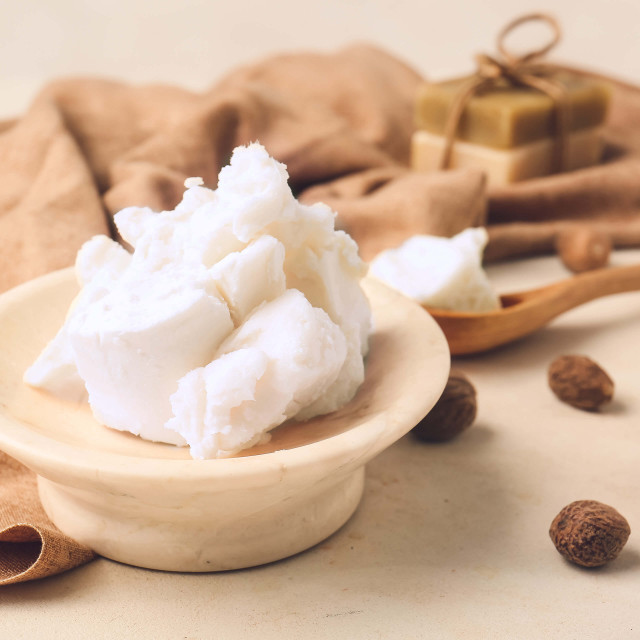
Sustainable sourcing of palm kernel, shea, illipe is increasingly demanded by global buyers. Research shows specialty fats (including cocoa butter alternatives) are increasingly being adopted for sustainability and supply security.
Global market trends
- Europe leads adoption of alternatives (≈40% of market share) due to high level of confectionery manufacturing. Growth in Asia-Pacific markets drives demand for heat-stable, cost-effective fat systems.
- Emerging trend: plant-based and vegan chocolates increasingly rely on alternative fats.
Comparison Table – Good Substitute for Cocoa Butter vs Traditional Cocoa Butter
| Feature | Traditional Cocoa Butter | Good Substitute for Cocoa Butter | Why It Matters |
|---|---|---|---|
| Source | Cocoa beans | Vegetable fats (palm kernel, shea, etc.) | Diversifies supply risk |
| Cost Stability | High volatility | More stable | Helps budgeting |
| Melting/Tempering | Precise curve, cult-status mouth-feel | Engineered for performance | Maintains texture |
| Compatibility | Fully compatible with cocoa butter | Depends on type (CBS, CBE, CBR) | Impacts formulation |
| Shelf Life & Stability | Moderate, risk of bloom | Often higher stability | Reduces waste |
| Sustainability Concern | Cocoa farming issues | Alternative fat certifications growing | Aligns with ESG |
| Usage Suitability | Premium chocolate bars | Coatings, enrobed products, some molded bars | Aligns with product portfolio |
Frequently Asked Questions (FAQ)
Q1: What is a good substitute for cocoa butter in chocolate manufacturing?
A: It’s a fat system engineered to replicate cocoa butter’s solid fat content and melt profile—typically labelled as CBS, CBE, or CBR—and suited to your product and process.
Q2: Will using an alternative affect my product quality?
If selected and integrated properly—no. Premium alternatives can deliver comparable mouth-feel, snap and finish. But you must validate performance.
Q3: Do substitutes require different processing?
Yes — tempering curves, cooling settings and storage protocols may differ. Plan for pilot testing and operator training.
Q4: Is it cheaper?
Yes generally on material cost. But your real savings come from improved stability, lower waste, fewer returns and consistent throughput.
Q5: Is sustainability considered?
Absolutely. With cocoa butter under supply stress and ethical sourcing concerns in cocoa farming, alternatives with RSPO or shea-based traceability offer manufacturers added value.
Q6: Can I completely replace cocoa butter?
Depends on product grade: For compound coatings, yes often 100%. For premium couverture bars, you may blend alternatives with cocoa butter or use high-fidelity equivalents (CBE) for minimal sensory deviation.
Final Thought
Choosing what is a good substitute for cocoa butter isn’t simply swapping one fat for another—it’s a strategic manufacturing decision. It touches procurement, processing, quality, sustainability and product positioning. When you align your production needs with the right fat system—supported by expert supplier partnerships like those we foster at MT Royal—and evaluate premium performance tiers like those engineered by Latamarko, you’re not just managing cost—you’re enhancing reliability, scalability and product excellence.

No comment