

Every chocolate manufacturer eventually faces the same question: How can we maintain quality while optimizing cost and efficiency
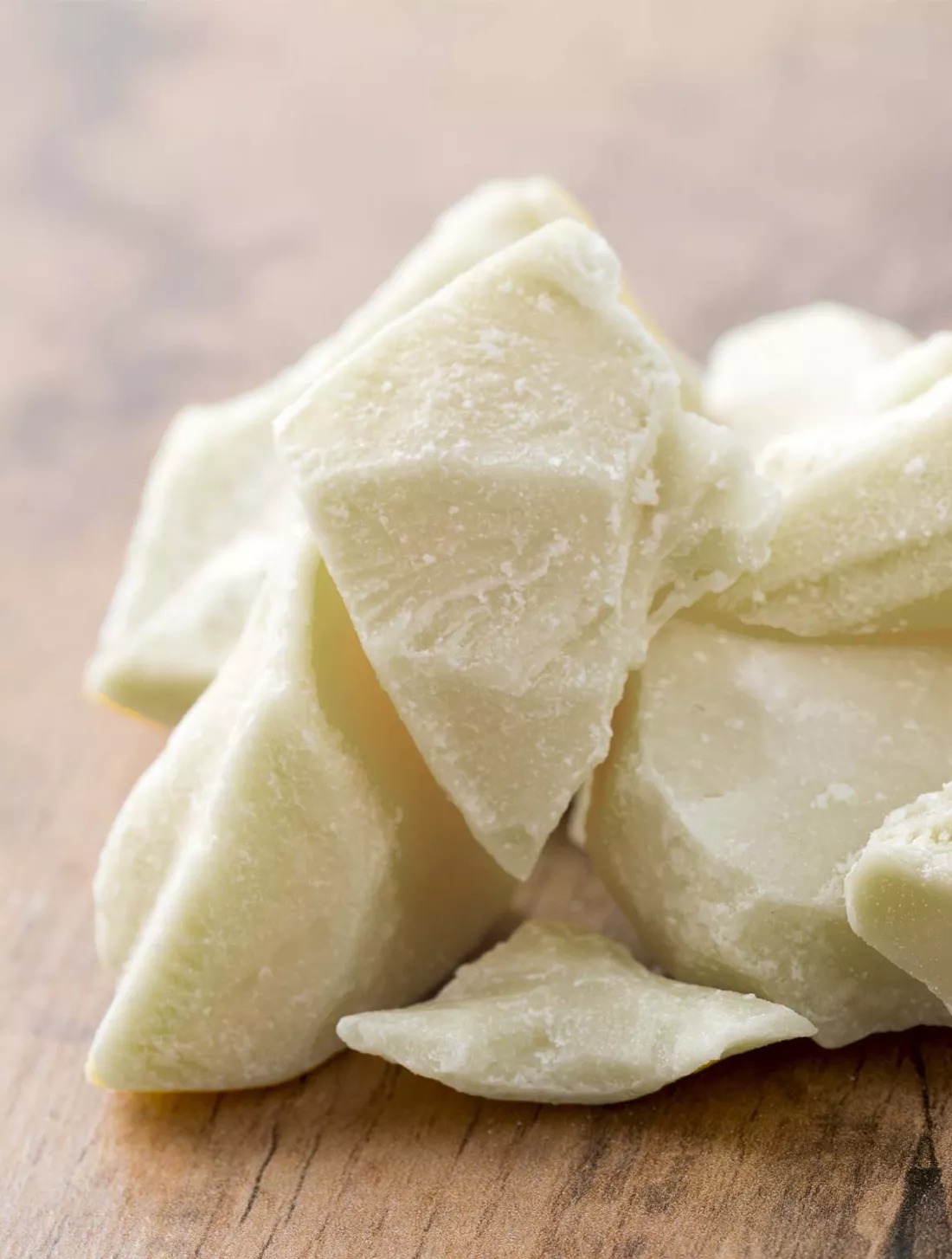
At the center of that question lies one essential ingredient—cocoa butter. Renowned for its smooth texture and rich flavor, cocoa butter defines the mouthfeel of chocolate. Yet its cost, availability, and sensitivity to processing have led manufacturers to explore reliable substitutes that perform just as well in industrial applications.
In our experience supplying manufacturing facilities through MT Royal, we’ve seen how the right substitute for cocoa butter can transform production efficiency without compromising taste or texture. Whether you’re a confectionery producer, a bakery innovator, or a large-scale snack manufacturer, understanding your options for cocoa butter alternatives is key to staying competitive in today’s global market.
What Exactly Is Cocoa Butter—and Why Replace It?
Cocoa butter is the natural fat extracted from cocoa beans during chocolate production. It contributes to the glossy appearance, snap, and melt-in-the-mouth quality of chocolate products. However, several challenges make it less ideal for industrial use:
- High cost and market volatility: Cocoa butter prices fluctuate significantly based on harvests, global supply, and export policies.
- Limited shelf stability: It can crystallize unevenly, leading to fat bloom or texture inconsistencies.
- Processing complexity: Achieving perfect tempering requires precise temperature control, adding time and labor costs.
- Supply dependency: Many manufacturers rely on imports from West Africa or South America, which can lead to logistical risks.
That’s where industrial cocoa butter substitutes enter the equation—engineered fats that replicate cocoa butter’s behavior under heat, mixing, and cooling conditions, but with better control and economy.
Types of Cocoa Butter Substitutes: Understanding the Spectrum
Not all substitutes are created equal. The industry broadly categorizes alternatives into three main types, each designed for specific manufacturing needs.
1. CBS – Cocoa Butter Substitute
CBS (Cocoa Butter Substitute) is typically derived from palm kernel oil or coconut oil. It’s non-tempering and offers excellent gloss and hardness, making it ideal for coating applications.
Advantages for Manufacturers:
- No need for tempering—reduces processing steps
- Cost-effective and readily available
- Excellent for compound coatings, biscuits, and confectionery bars
Limitations:
- Slightly different melt profile compared to real cocoa butter
- Cannot be mixed with pure cocoa butter
CBR – Cocoa Butter Replacer
CBR (Cocoa Butter Replacer) is formulated from fractionated vegetable fats, often using palm or lauric-based oils. It’s partially compatible with cocoa butter, giving flexibility in formulations.
Advantages:
- Compatible up to 20% with cocoa butter
- Suitable for enrobing and molding applications
- Easier processing and longer shelf life
Considerations:
- May slightly alter flavor or texture in premium chocolate
- Requires controlled crystallization for ideal performance
CBE – Cocoa Butter Equivalent
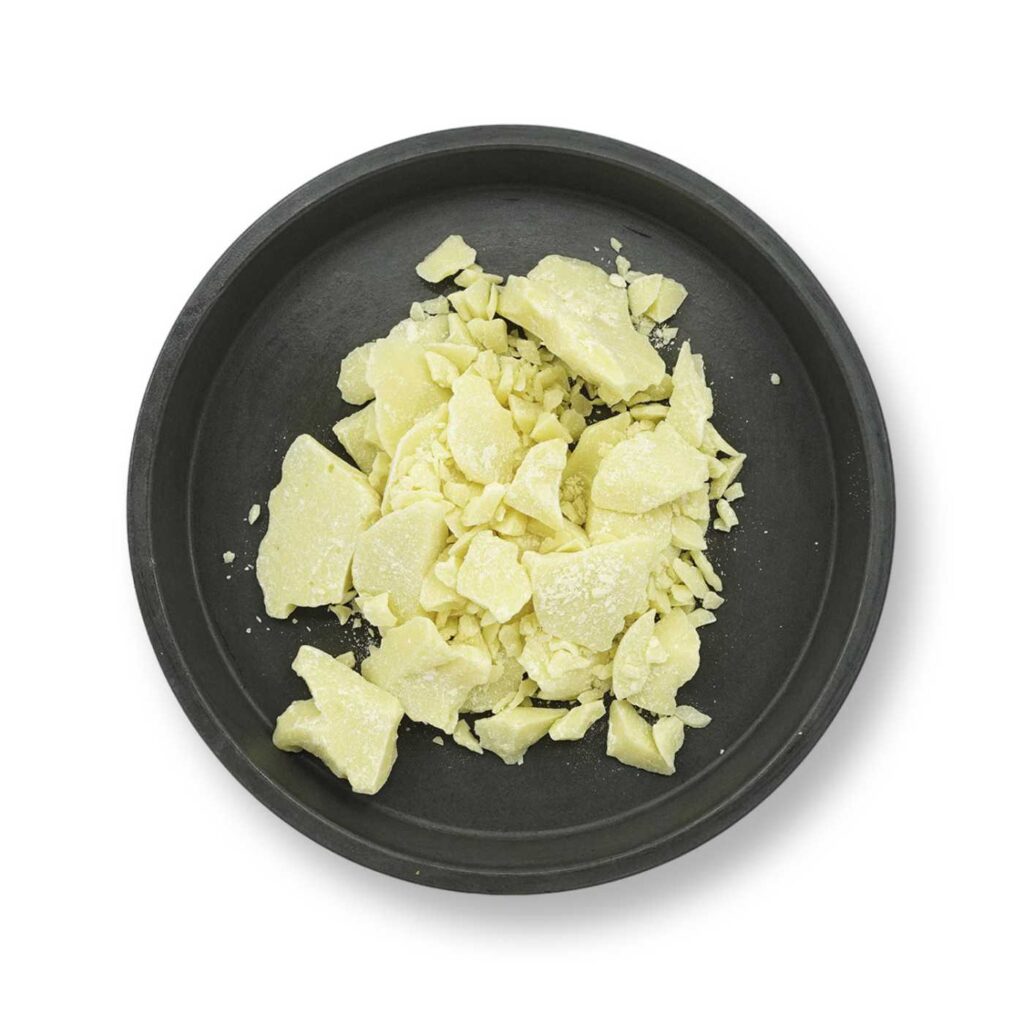
CBE (Cocoa Butter Equivalent) is the most advanced substitute, designed to match cocoa butter’s triglyceride composition almost identically. It’s often derived from illipe butter, shea butter, or mango kernel fat.
Advantages:
- Fully compatible with cocoa butter
- Retains authentic chocolate texture and melt behavior
- Ideal for high-end confectionery and molded chocolates
Challenges:
- Higher cost than CBS or CBR
- Requires expert formulation and supplier quality consistency
Among European producers, Spanish brands like Latamarko have become known for engineering CBEs that closely mimic natural cocoa butter’s sensory and structural properties—making them a preferred choice for premium manufacturers seeking performance without compromise.
Industrial Motivation: Why Manufacturers Switch to Substitutes
For many factories, switching to a cocoa butter alternative isn’t just about saving costs—it’s a strategic move toward operational stability and production optimization. Here are the top reasons industrial buyers make the switch:
- Cost Control: Stabilized input costs enable better forecasting and profit margins.
- Process Efficiency: Non-tempering fats simplify production lines.
- Supply Security: Alternatives are less affected by seasonal cocoa shortages.
- Tailored Performance: Substitutes can be customized for specific melting points, textures, or shelf-life requirements.
- Sustainability Goals: Many substitutes derive from certified sustainable palm or shea sources, aligning with ESG initiatives.
At MT Royal, we’ve worked with production facilities that achieved up to 20% reduction in processing time simply by reformulating their coatings with CBS-type substitutes. The key lies in matching the right fat type with the product’s technical and sensory needs.
A Closer Look: How Cocoa Butter Substitutes Are Made
Manufacturers often underestimate the sophistication behind these fats. Industrial substitutes are produced through processes like:
- Fractionation: Separating oils into solid and liquid components to achieve precise melting ranges.
- Hydrogenation: Modifying unsaturated fats for stability (though modern CBEs minimize this process).
- Interesterification: Reordering fatty acids within triglycerides to tailor performance and compatibility.
This controlled engineering gives producers predictable crystallization behavior—critical for consistent molding, enrobing, and coating outcomes on the production floor.
Performance Metrics: What Factory Managers Should Evaluate
When sourcing or testing substitutes for cocoa butter, plant supervisors should assess:
| Parameter | Why It Matters | Ideal Range/Benchmark |
|---|---|---|
| Melting Point | Determines mouthfeel and cooling behavior | 32–36°C |
| Solid Fat Content (SFC) | Affects snap and gloss | Similar to cocoa butter profile |
| Viscosity | Impacts flow in enrobing and molding | Moderate, consistent |
| Shelf Life Stability | Reduces fat bloom risk | 12–24 months |
| Compatibility | Important if blending with cocoa butter | Full or partial (depends on type) |
By evaluating these parameters with the help of a trusted supplier, you can ensure the chosen substitute aligns with both your product’s technical specifications and your factory’s workflow.
The Procurement Challenge: Pitfalls to Avoid
Even the best formulations can fail if sourcing isn’t strategic. Here are common mistakes procurement officers should avoid:
- Focusing solely on price: Lower-cost substitutes may cause texture inconsistency or flavor dullness.
- Ignoring storage conditions: Improper storage can alter fat crystallization before use.
- Mixing incompatible fats: Blending CBS and cocoa butter leads to fat bloom and unstable texture.
- Overlooking supplier consistency: Small variations in fatty acid composition can affect large-scale results.
We’ve seen factory teams struggle with rejected batches due to unnoticed formulation differences between lots. Choosing suppliers that maintain tight quality control and certification standards is crucial.
The MT Royal Advantage in Industrial Supply
At MT Royal, we supply a comprehensive range of cocoa butter substitutes—from standard CBS fats for confectionery coatings to premium equivalents like Latamarko’s Spanish formulations for fine chocolate applications.
We understand that factory conditions vary widely. Some clients operate fast-moving production lines requiring fats that solidify rapidly under cooling tunnels. Others prioritize sensory perfection for boutique products. Our role is to match your performance needs with the right material—without overpaying for unnecessary attributes.
By maintaining partnerships with global producers and logistics networks, we ensure consistent quality, reliable lead times, and technical support tailored to manufacturing environments.
Practical Tips: Integrating Cocoa Butter Substitutes into Production
Transitioning from natural cocoa butter to an industrial alternative isn’t simply a swap—it’s an adjustment process. Here are key guidelines to ensure smooth implementation:
- Pilot Testing: Run small-scale trials under actual line conditions before full-scale switch.
- Temperature Control: Monitor melting and cooling profiles; each substitute behaves slightly differently.
- Formulation Adjustment: Modify emulsifier ratios or sugar particle size to maintain flow consistency.
- Packaging Considerations: Some substitutes require barrier coatings or adjusted sealing temperatures.
- Training Line Operators: Ensure teams understand non-tempering vs. tempering fats and handling protocols.
Following these steps minimizes downtime and preserves product quality during the transition phase.
Sustainability and Certification Considerations
Modern buyers increasingly demand traceability and sustainability in food ingredients. High-quality cocoa butter substitutes often come with certifications such as RSPO (Roundtable on Sustainable Palm Oil) or Fair for Life standards.
Spanish-origin brands like Latamarko have emphasized traceable sourcing and reduced carbon footprints, which appeal to eco-conscious manufacturers and end consumers alike.
Integrating certified substitutes doesn’t just improve brand image—it also ensures compliance with global procurement requirements for major food exporters.
Real-World Scenario: A Mid-Sized Chocolate Coating Facility
A mid-sized confectionery plant producing enrobed bars faced frequent production interruptions due to cocoa butter’s inconsistent crystallization. After consultation, they transitioned to a CBR-type fat sourced through MT Royal. Within two months:
- Line downtime decreased by 15%
- Coating uniformity improved
- Final product retained consumer-expected snap and gloss
Later, the same facility introduced a Latamarko CBE line for their premium segment, allowing them to market two distinct quality tiers without expanding equipment.
FAQ: Common Questions from Industrial Buyers
Q1: Can cocoa butter substitutes be mixed with real cocoa butter?
Yes, but compatibility depends on the substitute type. CBEs can blend seamlessly, while CBS should not be mixed due to crystallization incompatibility.
Q2: Will substitutes affect flavor?
Premium substitutes like Latamarko’s CBEs have near-identical sensory properties. Lower-tier options may slightly alter flavor but are excellent for compound coatings.
Q3: Are these substitutes healthier?
Modern substitutes use optimized fat profiles, often lower in saturated fats than traditional hydrogenated alternatives. Always check supplier specifications.
Q4: How should they be stored?
In cool, dry environments between 18–22°C, away from light. Avoid temperature fluctuations to prevent fat bloom.
Looking Ahead: The Future of Cocoa Butter Alternatives
The global chocolate and confectionery sector is evolving rapidly. As sustainability, cost control, and processing simplicity become central to competitiveness, cocoa butter substitutes are no longer viewed as “replacements,” but as engineered solutions—fats designed to meet the industrial realities of modern production.
From non-tempering CBS for mass-market coatings to high-fidelity CBEs for gourmet formulations, manufacturers now have unprecedented control over performance, cost, and consistency. And with suppliers like MT Royal bridging the gap between innovation and reliability, the transition has never been smoother.



No comment