

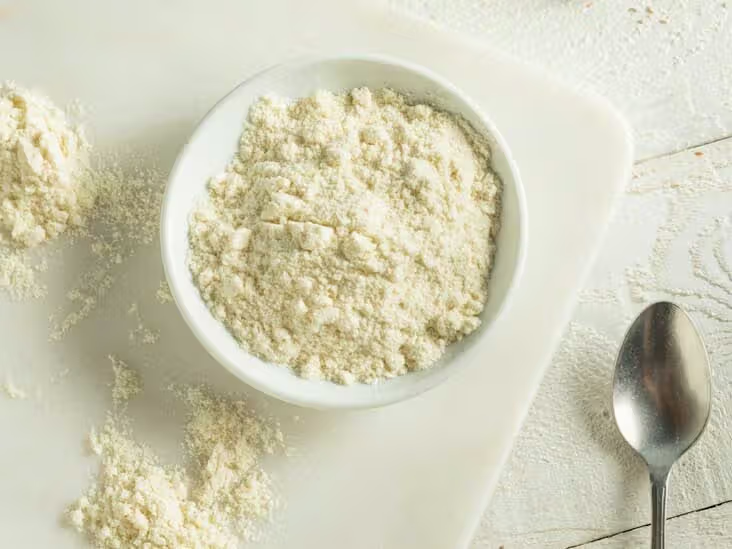
In the highly competitive world of food manufacturing, selecting the right protein source is not just a nutritional decision—it is a strategic business choice. For factories producing nutritional supplements, functional foods, and sports nutrition products, whey powder with high protein percentage represents a critical ingredient that directly impacts product quality, consumer satisfaction, and regulatory compliance.
At MT Royal, we have extensive experience collaborating with factories that rely on premium whey protein powders for large-scale production. Through these partnerships, we have observed that sourcing the right whey powder involves more than evaluating protein content; it requires careful consideration of functionality, solubility, taste profile, and supply chain reliability. This article provides an in-depth exploration of whey powder with high protein percentage, offering actionable insights for manufacturers, procurement teams, and industrial operators seeking both quality and consistency.
Understanding Whey Powder with High Protein Percentage
Definition and Industrial Relevance
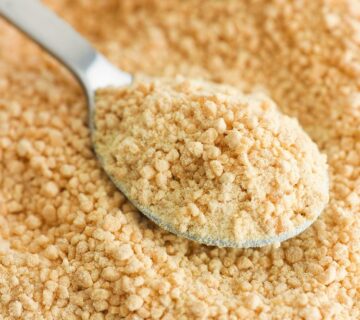
Whey powder is derived from the liquid byproduct of cheese production. When processed, it can be transformed into powders with varying protein concentrations, ranging from standard whey concentrate (~35–80% protein) to whey isolate (>90% protein).
A whey powder with high protein percentage is primarily valued in industrial applications for:
- High protein content per serving, which supports nutritional claims
- Rapid solubility in liquids, enhancing formulation flexibility
- Functional properties such as gelling, emulsification, and foaming
- Suitability for sports nutrition, protein bars, meal replacements, and infant formulas
For manufacturers, these functional and nutritional advantages translate into product differentiation, consistent quality, and market competitiveness.
LATAMARKO LM60 – Premium Spanish-Origin Cocoa Powder
latamarko alkalized cocoa powder lm60
cocoa powder for chocolate production-Best price
Food industry raw materials – list of products
Types of Gelatin from Turkish Manufacturer
Protein Quality and Amino Acid Profile
Whey protein is considered a complete protein, offering all essential amino acids, particularly branched-chain amino acids (BCAAs) such as leucine, isoleucine, and valine. These amino acids are crucial for muscle synthesis, recovery, and metabolic health. Factories producing functional foods or dietary supplements must assess the amino acid profile to ensure compliance with nutritional standards and consumer expectations.
Common Mistakes in Industrial Sourcing
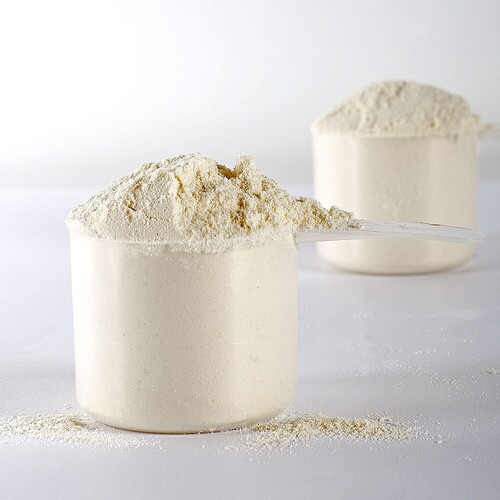
Even experienced procurement teams encounter challenges when importing or sourcing whey powder with high protein percentage. Common mistakes include:
- Prioritizing cost over functionality: Low-priced powders may have poor solubility, off-flavors, or inconsistent protein content.
- Neglecting processing type: Whey concentrate, isolate, and hydrolysate serve different industrial purposes; mismatched selection can compromise product quality.
- Ignoring supplier traceability: Without verified production records and certifications, batch consistency may vary, increasing production risk.
- Overlooking storage and shelf-life requirements: Improper handling can lead to protein denaturation, microbial growth, or loss of functional properties.
In our collaboration with various factories, we have found that integrating supplier audits, COA verification, and functional testing ensures consistent quality and minimizes operational risks.
Types of Whey Powder for Industrial Applications
Whey Protein Concentrate (WPC)
WPC contains 35–80% protein by weight. It is cost-effective and retains some lactose and minerals, making it suitable for:
- Bakery products and confectioneries
- Dairy-based beverages
- Nutritional fortification in processed foods
WPC is often chosen for products where taste and mouthfeel are important, but maximum protein content is not the primary objective.
Whey Protein Isolate (WPI)
WPI contains >90% protein by weight and is almost lactose-free. Industrial advantages include:
- High protein density per unit, ideal for protein supplements
- Neutral flavor and excellent solubility
- Compatibility with liquid and powdered formulations
Factories often select WPI for premium protein products, including ready-to-drink shakes, meal replacements, and high-protein nutrition bars.
Whey Protein Hydrolysate (WPH)
WPH is partially hydrolyzed for improved digestibility and reduced allergenicity. It is particularly valuable in:
- Infant formulas
- Medical nutrition products
- Specialized sports nutrition
While WPH is more expensive, its functional benefits and reduced allergenic potential justify its use in high-end industrial applications.
Industrial Considerations for Large-Scale Production
Functional Properties
High-protein whey powders offer essential functional properties for manufacturers:
- Solubility: Quick dissolution in water or milk reduces processing time.
- Foaming and emulsification: Critical for beverages, whipped products, and bakery applications.
- Heat stability: Ensures consistent performance in pasteurization or cooking processes.
Understanding these functional parameters is crucial when designing formulations and production lines.
Storage and Handling
Maintaining the integrity of whey powder with high protein percentage requires strict environmental control:
- Storage in cool, dry conditions (ideally <25°C and <50% humidity)
- Use of moisture-proof, airtight packaging
- FIFO inventory management to prevent functional degradation
Proper handling ensures long shelf life, consistent protein content, and reliable production outcomes.
Supply Chain and Logistics
For large-scale industrial operations, supply chain reliability is as critical as protein content. Manufacturers should:
- Evaluate supplier capacity to meet recurring bulk orders
- Assess shipping, customs, and import compliance
- Plan for inventory buffering to manage seasonal or market fluctuations
MT Royal supports factories in navigating these supply chain complexities, ensuring continuous access to high-quality whey powders.
Comparing Whey Powder Options
| Type | Protein Content | Cost | Functional Use | Best For |
|---|---|---|---|---|
| WPC | 35–80% | Moderate | Taste, mouthfeel, fortification | Bakery, beverages |
| WPI | >90% | Higher | High protein density, solubility | Supplements, protein bars |
| WPH | 80–90% | Premium | Digestibility, low allergenicity | Infant, clinical, sports nutrition |
This comparative approach allows procurement teams to select the most suitable whey powder for their production line while balancing cost, functionality, and nutritional goals.
Emerging Trends in Whey Protein Production
Several trends are shaping the industrial market for whey powder with high protein percentage:
- Clean-label demand: Consumers increasingly prefer minimally processed, non-GMO, and allergen-friendly proteins.
- High-protein functional foods: Beyond shakes and supplements, whey protein is now used in snacks, bakery products, and fortified beverages.
- Sustainability initiatives: Eco-friendly production, energy-efficient processing, and responsible sourcing are becoming industry standards.
- Global market expansion: Growing demand in Asia, the Middle East, and Europe drives larger production scales and standardized international quality protocols.
Factories integrating these trends gain competitive advantages in global markets while aligning with regulatory expectations and consumer preferences.
Frequently Asked Questions from Manufacturers
How can I ensure the protein content meets specifications?
Request certificates of analysis (COA) from suppliers and conduct batch testing in-house or via third-party labs.
Which type of whey powder is most suitable for beverages?
WPI is preferred due to solubility and neutral flavor, although WPC can be used in certain flavored applications.
Are there shelf-life concerns for high-protein whey powders?
Yes, storage conditions, packaging integrity, and humidity control are critical to maintaining functional and nutritional quality.
How do I choose a reliable supplier?
Evaluate certifications (ISO, HACCP, FSSC 22000), technical documentation, and supplier references. MT Royal provides guidance in sourcing verified and compliant suppliers.
How MT Royal Supports Industrial Whey Procurement
At MT Royal, we connect factories with trusted suppliers offering whey powder with high protein percentage suitable for industrial-scale production. Our expertise ensures:
- Verified supplier networks and quality assurance
- Compliance with international standards
- Logistic coordination and bulk supply management
- Technical guidance on handling, storage, and formulation
In our collaboration with numerous factories, we have seen that using our network reduces production disruptions, ensures consistent protein functionality, and supports reliable supply chains. Factories benefit not only from high-quality raw materials but also from the strategic insight necessary to optimize production outcomes.
Strategic Takeaways for Manufacturers
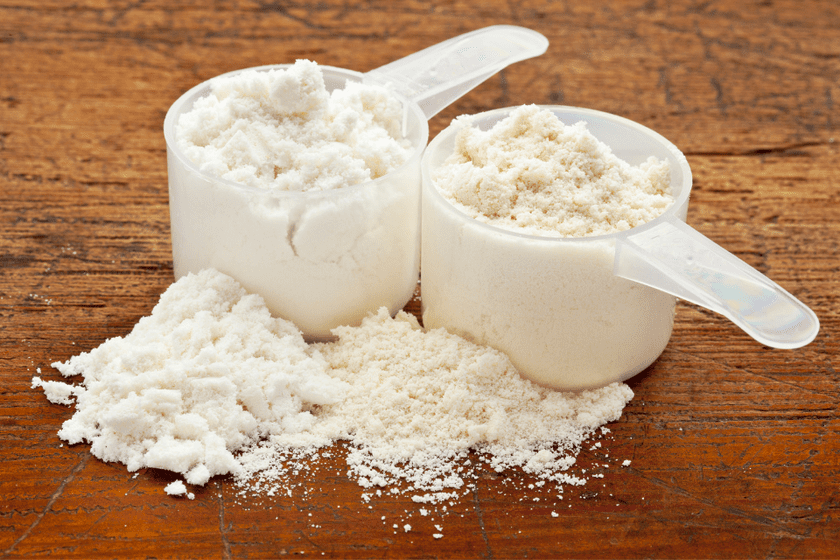
Sourcing whey powder with high protein percentage is a critical operational decision impacting product quality, consumer perception, and production efficiency. Key takeaways include:
- Evaluate protein content, functional properties, and solubility
- Verify supplier credibility, certifications, and traceability
- Plan logistics, storage, and inventory management carefully
- Align procurement with production goals and market positioning
By integrating these considerations into your sourcing strategy, your factory ensures consistent, high-quality products while optimizing operational performance.
High-protein whey powders are more than ingredients; they are strategic assets that enable factories to meet modern nutritional demands, comply with regulatory standards, and maintain efficiency in large-scale production environments. Thoughtful sourcing, verified suppliers, and technical diligence transform these powders into reliable, high-value inputs that enhance both product and process.

No comment