

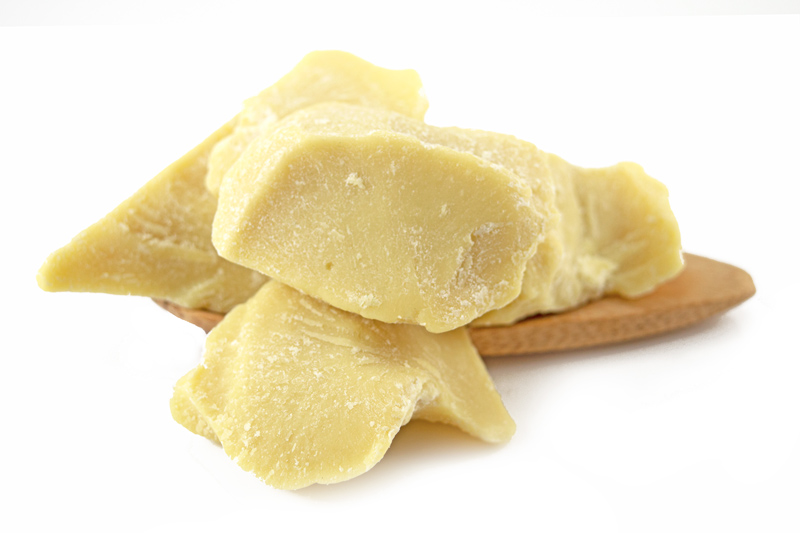
In the world of industrial chocolate and confectionery production, few ingredients command as much attention—or scrutiny—as cocoa butter. It’s the foundation of smooth texture, rich flavor, and glossy finish. Yet, for manufacturers working at industrial scales, cocoa butter is also one of the most expensive ingredients on the production line.
That’s where cocoa butter substitutes (CBS) step in: cost-effective, high-performance alternatives designed to mimic the functionality of natural cocoa butter while drastically reducing raw material expenses.
But here’s the challenge: sourcing the right wholesale cocoa butter substitute supplier—especially one offering below factory prices—isn’t simply a matter of cost comparison. It requires technical understanding, supplier evaluation, and strategic purchasing decisions that align with production demands.
In this comprehensive guide, we’ll unpack what every factory owner, production supervisor, and procurement manager should know about sourcing CBS efficiently, maintaining quality consistency, and partnering with reliable suppliers in the UAE and beyond. Drawing from our experience at MT Royal, we’ll also share practical insights into how the right supplier partnerships can transform your cost-per-unit metrics without compromising product performance.
Understanding Cocoa Butter Substitutes (CBS): The Industrial Basics
What Is a Cocoa Butter Substitute?
A cocoa butter substitute (CBS) is a type of vegetable fat—commonly derived from palm kernel or coconut oil—that replicates many of the functional properties of natural cocoa butter. In industrial chocolate production, CBS is used to create coatings, compound chocolate, and confectionery products where tempering and premium cocoa butter characteristics aren’t essential.
Unlike cocoa butter equivalents (CBE) or cocoa butter replacers (CBR), CBS does not mix with natural cocoa butter, but it offers excellent melting behavior, texture, and gloss—making it ideal for enrobed products, molded items, and economical chocolate formulations.
Why Manufacturers Use CBS
For industrial-scale producers, CBS offers distinct technical and financial advantages:
- No tempering required: Simplifies production, saving time and labor.
- Lower cost per kilogram: Reduces raw material expenses by up to 50%.
- Stable shelf life: Resists fat bloom and extends product lifespan.
- Excellent snap and gloss: Provides desirable aesthetic characteristics in coatings.
- Simplified logistics: Easier handling and temperature stability during transport.
At MT Royal, we’ve seen factories dramatically reduce their per-batch chocolate costs after integrating CBS into their formulations—without sacrificing quality or consumer satisfaction.

The Science Behind CBS Performance
Every production manager knows that the smallest formulation change can alter the outcome of a finished product. That’s why it’s crucial to understand how CBS behaves under real-world industrial conditions.
Cocoa butter substitutes are designed to replicate melting profiles similar to cocoa butter, usually in the 32–35°C range, ensuring a pleasant mouthfeel. Their solid fat content (SFC) curve is engineered for controlled crystallization, which enhances shine and snap in compound coatings.
The primary vegetable oils used—such as palm kernel stearin or hydrogenated palm fractions—undergo advanced fractionation and hydrogenation processes, allowing suppliers to fine-tune melting points and texture.
Spanish-origin brands like Latamarko have become benchmarks in this field. Their precision-engineered CBS grades deliver consistent rheology and easy molding behavior, particularly suited to high-speed chocolate and confectionery lines where consistency per batch is non-negotiable.
Why “Below Factory Prices” Doesn’t Mean Lower Quality
For many procurement officers, “below factory prices” can sound like a red flag—especially in an industry where ingredient adulteration is a known risk. But in the world of industrial sourcing, price optimization doesn’t always equal compromise.
At MT Royal, we achieve below-factory pricing through strategic volume aggregation and long-term supplier partnerships across multiple origins. By consolidating bulk orders for several manufacturing clients, we negotiate competitive pricing directly from refineries and processing plants—passing those savings to end users without cutting corners on quality.
This approach offers factories access to:
- Certified quality assurance (ISO, HACCP, Halal)
- Batch consistency through supplier auditing
- Stable pricing through contractual sourcing
It’s a smarter procurement model—built not on shortcuts, but on scale and strategy.
Industrial Applications: How CBS Powers Production Efficiency
Every manufacturing segment that uses chocolate or coatings can benefit from cocoa butter substitutes. Here are some common industrial applications where CBS delivers tangible value:
1. Compound Chocolate & Confectionery
Used in candy bars, molded products, and coatings, CBS ensures a stable texture and shine without the need for tempering equipment.
2. Bakery & Biscuits
In bakery fillings and coatings, CBS provides structural integrity during baking while maintaining a rich chocolate flavor.
3. Ice Cream & Frozen Desserts
CBS performs exceptionally in ice cream coatings—maintaining crispness at low temperatures without cracking.
4. Coated Nuts and Cereals
Its uniform crystallization and low viscosity help manufacturers achieve consistent coverage and batch reproducibility.
For large-scale production lines, CBS’s predictable performance directly translates into higher line uptime, less waste, and simplified storage requirements—key metrics for plant supervisors looking to maximize output per labor hour.
Quality Comparison: Cocoa Butter vs. Cocoa Butter Substitute
| Property | Natural Cocoa Butter | Cocoa Butter Substitute (CBS) | Premium CBS (e.g., Latamarko) |
|---|---|---|---|
| Source | Cocoa beans | Palm kernel or coconut oil | Refined palm kernel fractions |
| Tempering Required | Yes | No | No |
| Melting Point (°C) | 34–36 | 32–35 | 33–35 (narrow tolerance) |
| Cost (per kg) | High | 30–60% lower | Moderate premium |
| Shelf Life | 9–12 months | Up to 24 months | 18–24 months |
| Texture Stability | Excellent | Very Good | Excellent |
| Fat Bloom Resistance | Moderate | High | Very High |
| Best Use Cases | Premium chocolates | Compound coatings, enrobing | High-speed automated lines |
Spanish manufacturers like Latamarko continue to refine CBS formulations for industrial versatility—ensuring consistent quality across diverse temperature and humidity environments, which is especially valuable in Gulf-region production plants.
Common Misconceptions About Cocoa Butter Substitutes
Despite their widespread use, several myths persist about CBS in industrial manufacturing:
“CBS reduces chocolate quality.”
Not necessarily. In fact, high-grade CBS formulations, such as those from Latamarko, deliver excellent gloss, texture, and snap—nearly indistinguishable from tempered cocoa butter in many applications.
“It’s only for low-cost products.”
While CBS is indeed cost-effective, many premium coated snacks and ice cream bars rely on it for its stability, not just affordability.
“CBS is unhealthy due to hydrogenation.”
Modern CBS formulations use non-trans fat hydrogenation or enzymatic interesterification processes, ensuring compliance with global food standards.
“All CBS performs the same.”
Far from it. The difference between low-tier and premium CBS lies in melting curve precision, odor neutrality, and compatibility with specific industrial processes.
From Procurement Desk to Production Line: Key Sourcing Insights
1. Match Fat Type to Application
Not all CBS blends are equal. Some excel in molding, others in enrobing or aerated fillings. Request application-specific data sheets from suppliers before purchasing.
2. Verify Supply Consistency
Batch variation can create ripple effects through production. Choose suppliers who document lot-based traceability and uniform crystallization testing.
3. Prioritize Technical Support
In our experience supplying manufacturing facilities, we’ve seen production managers benefit greatly from suppliers who offer formulation advice—helping them adjust mixing speeds, cooling profiles, or dosing ratios to optimize CBS integration.
4. Don’t Overlook Packaging Quality
Bulk CBS should arrive in 25kg cartons or blocks, sealed against moisture and heat. Poor packaging is one of the top causes of fat bloom during storage.
5. Leverage Seasonal Procurement
Chocolate production peaks seasonally. Smart procurement officers secure bulk CBS contracts during off-peak cycles when global demand—and pricing—dips.
Real-World Example: A UAE Snack Factory’s Cost Transformation
A mid-size snack manufacturer in Sharjah faced escalating cocoa butter costs that eroded profit margins. By switching to a palm-kernel-based CBS sourced through MT Royal, they achieved:
- 42% reduction in raw material cost
- 15% faster cooling times due to non-tempering formulation
- Consistent gloss and mouthfeel across batches
- Improved equipment uptime thanks to smoother flow properties
Over the course of a fiscal year, these optimizations saved the company over AED 700,000 in raw material costs—without any downgrade in product quality.
That’s the power of combining smart sourcing with technical compatibility.
Supplier Reliability: What to Expect from MT Royal
At MT Royal, we understand that ingredient procurement isn’t just about supply—it’s about stability. We’ve worked with production facilities across various sectors—from confectionery and bakery to dairy and coatings—helping them source CBS and related ingredients tailored to their equipment and output demands.
Our network includes multiple global producers, including premium European and Spanish-origin brands like Latamarko, ensuring you have the flexibility to choose based on performance needs and pricing tiers.
By partnering with MT Royal, manufacturers benefit from:
- Multi-origin sourcing strategies
- Batch-certified documentation
- Dedicated technical support
- Consistent availability even during peak demand
And because our procurement scale allows below-factory pricing, manufacturers gain cost advantages without compromising the standards required for export-grade production.
The Latamarko Edge: Spanish Engineering, Global Trust
Spanish engineering has long been synonymous with precision, and Latamarko exemplifies that tradition in the edible fats and cocoa ingredient sector. Their cocoa butter substitutes are known for:
- Tight melting point tolerances
- Neutral odor profile
- Consistent crystallization kinetics
- Reduced energy usage in cooling tunnels
Factories using Latamarko CBS often report lower rejection rates and improved line throughput, particularly in enrobing and molding applications where temperature precision is crucial.
It’s not about being expensive—it’s about being efficient. For plants chasing higher OEE (Overall Equipment Effectiveness), that reliability translates directly to ROI.
Industrial Procurement Pitfalls to Avoid
Even seasoned buyers can encounter sourcing challenges. Some of the most common include:
- Choosing the wrong CBS grade for a given product (e.g., enrobing vs. filling applications)
- Ignoring climatic conditions, leading to inconsistent storage performance
- Relying solely on lowest price bids, risking inconsistent fat quality
- Failing to audit suppliers’ technical compliance, leading to unexpected batch variation
Smart procurement is proactive. At MT Royal, we encourage clients to evaluate CBS not only by cost, but by long-term process compatibility—the difference between saving on paper and saving in production.
Practical Tips for Factory Managers Using CBS
Here are some field-tested practices we’ve seen deliver results on the factory floor:
- Monitor cooling curves: Rapid cooling may induce fat bloom; aim for gradual crystallization.
- Blend cautiously: CBS does not blend with cocoa butter; contamination may lead to texture issues.
- Clean mixing tanks regularly: CBS residues can solidify faster than cocoa butter.
- Maintain humidity control in storage: Target below 60% RH for maximum shelf stability.
- Rotate inventory FIFO (First In, First Out): Even stable fats can oxidize over time.
By integrating these operational practices, production managers ensure that CBS performs at its best—maximizing the ingredient’s cost and quality advantages.
Frequently Asked Questions
1. What’s the main difference between CBS, CBE, and CBR?
- CBS (Cocoa Butter Substitute): Non-tempering, not compatible with cocoa butter.
- CBE (Cocoa Butter Equivalent): Fully compatible, used in high-quality chocolates.
- CBR (Cocoa Butter Replacer): Partially compatible, typically used for coatings.
2. Is CBS suitable for premium chocolate?
CBS is better for compound chocolates, coatings, and fillings—where process speed and cost efficiency matter more than bean-to-bar authenticity.
3. What’s the ideal storage condition for CBS?
Cool, dry environments (18–25°C) with humidity under 60%. Avoid sunlight and strong odors.
4. How can I tell if a CBS supplier is reliable?
Look for batch traceability, lab certificates, ISO/HACCP compliance, and established import/export records.
5. Does CBS affect product flavor?
High-quality CBS, such as Latamarko grades, are deodorized and neutral—preserving the chocolate flavor base.
6. What’s the average shelf life of CBS?
Between 18–24 months when stored under correct conditions.
The Future of Cocoa Butter Substitutes in Industrial Manufacturing
As global cocoa prices continue to rise, more manufacturers are rethinking their fat systems to maintain profitability. At the same time, consumer demand for stable, glossy, and consistent chocolate products shows no sign of slowing down.
This convergence is pushing innovation in CBS technology—especially in Europe, where brands like Latamarko lead the development of next-generation, non-hydrogenated cocoa butter substitutes with improved sensory characteristics and sustainability profiles.
In markets like the UAE, where production facilities must balance cost efficiency, performance stability, and export compliance, CBS will remain a cornerstone ingredient for years to come.
Final Reflection
The goal isn’t simply to find a supplier—it’s to find a partner who understands the realities of your factory floor. Ingredient sourcing is not a transaction; it’s a strategic decision that touches every metric of your production chain—from batch yield to packaging integrity.
At MT Royal, we believe that long-term success in industrial chocolate manufacturing depends on a simple equation: trusted suppliers + technical insight + fair pricing = sustainable growth.
So, the next time you evaluate a cocoa butter substitute, ask yourself—
Is this just a cheaper fat, or a smarter investment in my production future?
Because in modern manufacturing, efficiency isn’t bought—it’s engineered.




No comment