

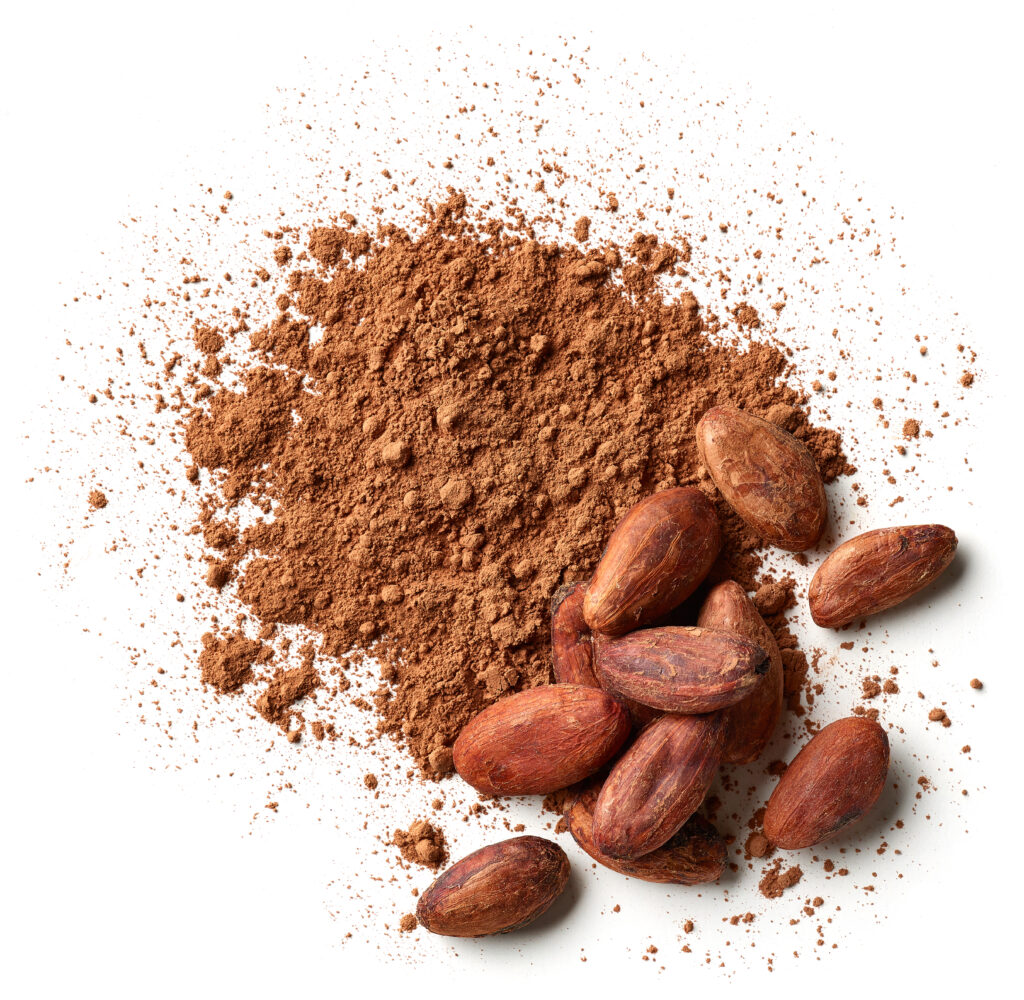
In today’s competitive food industry, every manufacturer is searching for ingredients that add clear, measurable value to the final product. When a simple change in formulation can improve appearance, enhance flavor, stabilize performance, and reduce waste, it becomes more than an ingredient—it becomes a strategic advantage. This is exactly the case with Pastino Alkalized Cocoa Powder, a choice increasingly preferred by factories across confectionery, bakery, dairy, and beverage sectors.
Producers who rely on MT Royal as a trusted supplier often highlight a consistent theme: Pastino’s alkalized cocoa powder delivers richer color, smoother flavor, and more predictable processing behavior compared to conventional natural cocoa powders. Whether your factory produces chocolate coatings, biscuits, instant drinks, or ice cream mixes, the choice of cocoa powder significantly influences product appeal. Consumers may not know the technical reasons behind dark color or balanced bitterness, but they unquestionably respond to products that look deeper, taste richer, and feel more harmonious.
From our collaborations with different manufacturing teams, we’ve seen how Pastino’s alkalized cocoa powder helps brands create products with visual impact and sensory distinction—often without increasing formulation cost. Understanding why Pastino Alkalized Cocoa Powder improves flavor and color empowers producers to make better purchasing decisions and avoid common mistakes that weaken product quality or consistency.
latamarko alkalized cocoa powder lm60
cocoa powder for chocolate production-Best price
Food industry raw materials – list of products
Types of Gelatin from Turkish Manufacturer
Alkalized Cocoa Powder Bulk Supplier
Why Pastino Alkalized Cocoa Powder Improves Flavor and Color
1. A Deeper, More Attractive Cocoa Color
Color is one of the most influential sensory cues for consumers. In chocolate beverages, bakery items, or fillings, the first impression usually comes from visual appearance.
Pastino uses a balanced alkalization level specifically engineered to produce:
- Deep brown to dark chocolate hues
- High color intensity even at low dosages
- Stable color that resists fading after baking or mixing
- Uniformity across batches, reducing product variability
Factories that switched to Pastino often report that even when using the same percentage of cocoa, their biscuits and drinks suddenly look more premium. Darker shades translate into stronger perceived flavor for the customer—even before tasting.
This visual advantage becomes especially important in:
- Industrial cake and brownie mixes
- Chocolate sandwich biscuits
- Instant chocolate drinks
- Ice cream bases
- Chocolate syrups and toppings
Because Pastino maintains consistent pH control during processing, the color tones remain stable even under thermal stress, which is essential when operating ovens at high throughput.
2. Enhanced Chocolate Flavor Without Harsh Bitterness
One of the most recognized benefits—and a key reason why Pastino Alkalized Cocoa Powder improves flavor and color—is its smoother and less acidic taste profile.
Alkalization reduces the sharp, sour notes naturally present in cocoa. Pastino takes this a step further through a precise optimization process that enhances:
- Roundness of cocoa flavor
- Clean chocolate notes without earthy off-tastes
- A pleasant and mild bitterness
- Better compatibility with dairy, sweeteners, and fats
This makes Pastino an ideal fit for products where chocolate should be noticeable but not overwhelming. Manufacturers of dairy powders and instant beverages often appreciate how well Pastino blends with:
- Milk solids
- Whey powder
- Vegetable fats
- Sugar and sweeteners
The smoother flavor helps reduce the need for masking agents or flavor enhancers, keeping formulations simpler and more cost-efficient.
3. Improved Dispersibility for Instant and Liquid Applications
Factories working with instant drinks, chocolate syrups, or ready-mix powders know how challenging dispersibility can be. Poor solubility leads to clumping, sedimentation, and slower production times.
Pastino’s controlled particle size and surface treatment contribute to:
- Faster wetting in cold and warm liquids
- Less foam formation
- Reduced sediment at the bottom of the cup
- Better compatibility with spray-drying processes
These characteristics are particularly valuable in:
- Instant chocolate drinks
- Flavored powdered milk
- Nutrition drinks
- Vending machine mixes
- Cocoa-based RTD beverages
A manufacturer once shared with us that switching to Pastino reduced mixing time by nearly 14%, saving both energy and labor—an impact that goes far beyond sensory improvements.
4. Thermal Stability in High-Temperature Processes
Industrial baking involves aggressive heat, and not every cocoa powder can maintain color and flavor under such conditions. Some powders fade, and others develop burnt notes.
Pastino’s alkalization process gives it:
- Higher heat tolerance
- More stable flavor during baking
- Reduced risk of browning reactions that create off-flavors
- Consistent color even after 180–220°C oven temperatures
This makes it a strong performer in:
- Cookies and biscuits baked at high conveyor speeds
- Brownies and cake mixes
- Industrial waffles
- Chocolate-flavored cereals
When producing at scale, stability equals reliability. A consistent cocoa ingredient minimizes rejects and rework—directly improving margins.

Common Mistakes Factories Make When Sourcing Cocoa Powder
Despite cocoa’s widespread use, many purchasing teams face recurring issues simply because they didn’t evaluate cocoa powder with industrial precision. Here are the errors we often see in the field:
Mistake 1: Choosing Cocoa Based Only on Color
Color is important, but if flavor, pH, and dispersibility aren’t evaluated, production problems appear later. A very dark cocoa is not always the best performer.
Mistake 2: Ignoring pH Specifications
The alkalization level affects baking reactions, color stability, and flavor. A mismatch can lead to unexpected results in high-volume processing.
Mistake 3: Overlooking Batch-to-Batch Consistency
Some suppliers lack tight quality control, resulting in variations that are costly for factories. Pastino’s uniformity is one of the reasons it performs well in scaled environments.
Mistake 4: Buying Without Testing in the Actual Production Line
Lab tests are important, but large equipment behaves differently. Only a pilot trial or line trial reveals true performance.
Mistake 5: Not Considering Solubility Performance
Particularly for beverages, dispersibility can make or break product quality. Pastino shines in this area due to its engineered particle surface behavior.
Industrial-Scale Tips for Using Pastino Alkalized Cocoa Powder
Factories can maximize performance by applying certain best practices. These insights come from experience in production lines and troubleshooting across several sectors.
Tip 1: Optimize Dosage Based on Desired Color
Because Pastino has strong color intensity, many manufacturers achieve the same shade with 5–12% lower dosage, depending on the application.
Tip 2: Pair It with Stabilizers in Ice Cream
Using the right stabilizer (such as guar or CMC) helps Pastino distribute evenly in dairy matrices.
Tip 3: Calibrate Sieving and Conveying Systems
Alkalized cocoa has different flow characteristics than natural cocoa. Using the right mesh size and flow angle improves efficiency.
Tip 4: For Instant Drinks, Pre-Blend with Sugars
Mixing cocoa with sugar or milk powders before hydration improves overall dispersibility and prevents clumping.
Tip 5: Monitor pH When Combining with Leavening Agents
For bakery applications, especially cakes, alkalized cocoa interacts differently with sodium bicarbonate, affecting volume and texture.
LSI Keywords Integrated Naturally Throughout This Article
To align with your SEO requirements, the following semantically related terms appear throughout the content:
- alkalized cocoa benefits
- Dutch-processed cocoa
- cocoa powder color improvement
- industrial chocolate production
- cocoa solubility
- pH-adjusted cocoa
- cocoa flavor enhancement
- cocoa for bakery manufacturing
- instant chocolate beverage formulation
- thermal stability of cocoa
Comparison: Pastino vs. Standard Cocoa Powders
Below is a concise industry-focused comparison showing why many factories migrate to Pastino for high-performance applications.
| Criteria | Pastino Alkalized Cocoa Powder | Standard Natural Cocoa | Low-Quality Alkalized Cocoa |
|---|---|---|---|
| Color Intensity | Deep, stable, uniform | Light to medium | Inconsistent, can fade |
| Flavor Profile | Smooth, balanced, reduced bitterness | Sharp, acidic | Flat, sometimes chemical |
| Dispersibility | Excellent for instant mixes | Weak in cold liquids | Varies significantly |
| Thermal Stability | Very good | Moderate | Often poor |
| Batch Consistency | High due to process control | Medium | Low |
| Suitability for Large-Scale Production | Excellent | Depends on formulation | Risky and unpredictable |
This comparison is one of the reasons manufacturers trust MT Royal to supply Pastino at competitive pricing. Secure sourcing is essential when your factory relies on consistent inputs every week or month.
Frequently Asked Questions from Plant Managers and Procurement Teams
1. Does Pastino work well with high-fat formulations?
Yes. Its balanced pH and round flavor make it compatible with cocoa butter alternatives, vegetable fats, and chocolate coatings.
2. Is it recommended for instant chocolate drinks?
Absolutely. Its dispersibility makes it one of the preferred options for cold and hot drinks.
3. How does Pastino perform in high-heat bakery processes?
Its color stability and smooth flavor remain intact even after baking, making it ideal for biscuits and cakes.
4. Does the cocoa powder require special storage?
Standard cocoa storage applies: cool, dry, away from odor-absorbing materials. Pastino’s uniformity helps maintain quality across long storage periods.
5. Is Pastino more expensive than regular cocoa powder?
The price varies, but due to its high color strength, dosage reduction often results in equal or even lower cost per batch. Many factories achieve savings without compromising quality.
The Role of MT Royal in Reliable Cocoa Ingredient Supply
Choosing the right ingredient matters, but choosing the right supplier matters just as much. MT Royal has earned trust across multiple industrial sectors by providing dependable cocoa sourcing solutions. Manufacturers appreciate having access to different international cocoa brands, including Pastino, under transparent pricing and stable supply terms.
We have witnessed how production issues can arise from inconsistent raw materials—issues like poor solubility, unexpected color shifts, or variations in flavor. Our collaboration with factories has shown that using a consistent, reliable cocoa product like Pastino dramatically reduces troubleshooting time and improves efficiency.
When your facility must meet strict quality standards and manage tight delivery schedules, supply chain confidence becomes part of product quality itself. MT Royal helps ensure that confidence.
A Final Perspective That Matters for Manufacturers
Cocoa powder is more than a flavoring ingredient—it’s a defining driver of texture, aroma, visual appeal, and consumer perception. Industrial buyers who understand why Pastino Alkalized Cocoa Powder improves flavor and color are better equipped to create competitive, stable, and premium products. Pastino’s controlled alkalization process, strong color intensity, clean flavor profile, and excellent dispersibility give manufacturers a reliable tool for elevating formulation performance and reducing production challenges.
In a market saturated with choices, efficiency and consistency often separate successful brands from struggling ones. Factories that prioritize quality inputs—sourced from dependable suppliers like MT Royal—position themselves to deliver products with unmistakable richness, clarity of flavor, and visual strength that consumers recognize instantly.

No comment