

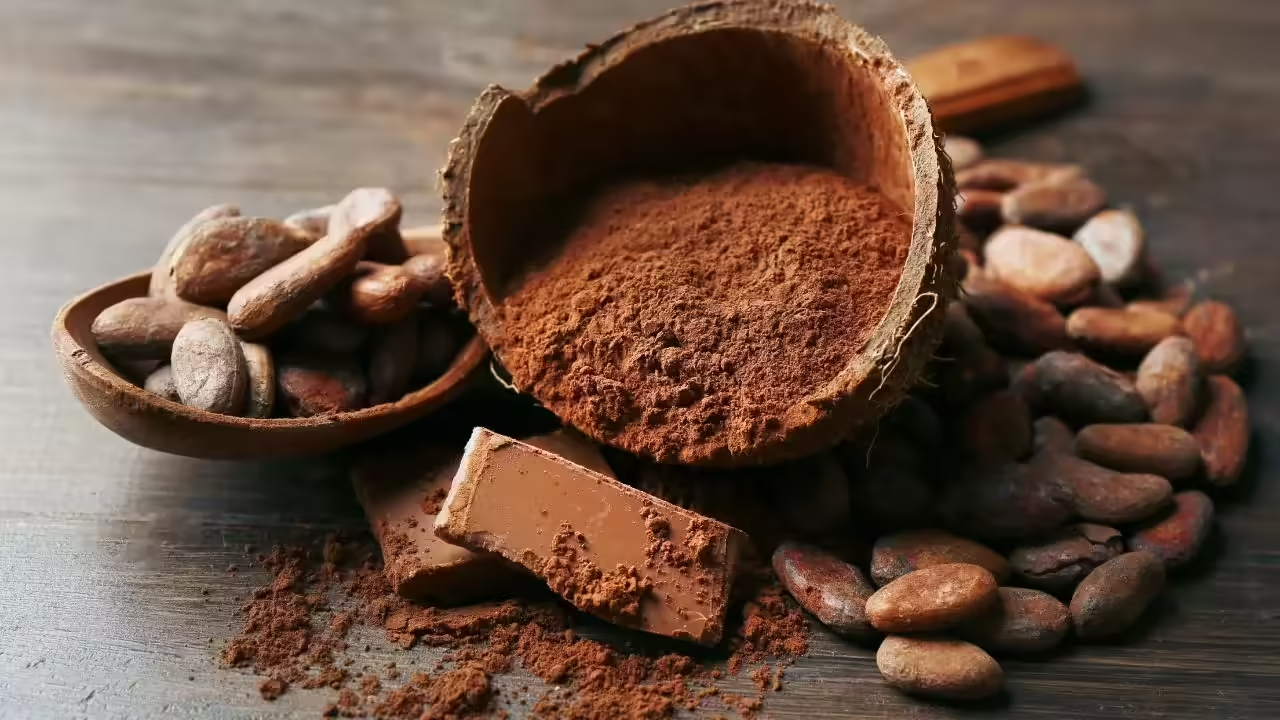
Choosing the right cocoa powder in Türkiye is more than just a purchasing decision — it’s a foundational step that defines the taste, appearance, consistency, and cost-efficiency of your final products. For large-scale producers of chocolate, bakery goods, dairy drinks, instant mixes, ice cream, or confectionery, the quality of your cocoa powder can mean the difference between unpredictable batches and consistent, premium-quality production.
Over recent years, PASTINO has stood out in the Turkish food-ingredient market as a top-tier cocoa powder brand. Its reputation isn’t built on marketing alone — but on tangible industrial-grade performance. In our work with multiple factories across bakery, beverages and confectionery lines, we have witnessed how PASTINO helps minimize batch-to-batch variability, stabilize final product quality and reduce waste. When sourced through a reliable partner such as MT Royal, PASTINO becomes a dependable asset for any serious food manufacturer.
Below is a comprehensive, technical yet reader-friendly analysis — a resource procurement managers, R&D teams, and factory owners can turn to when evaluating cocoa powder for industrial use.
Understanding Cocoa Powder: Technical Foundations and Industrial Importance
Cocoa powder is far more than a flavoring ingredient — in an industrial context, it is a functional raw material. Its characteristics directly influence:
- Color and appearance of final products (cakes, beverages, coatings)
- Texture and mouthfeel (in chocolate, ice cream, dairy drinks)
- Volumetric behavior in bakery applications (rise, crumb structure)
- Solubility, dispersibility, mixing behavior — critical in liquid formulations
- Consistency and reproducibility across production batches
When you select a cocoa powder for a high-volume production line, you are effectively defining how stable, predictable and premium your finished goods will be.
Industrial-grade cocoa powders are commonly evaluated on these parameters:
- Type: natural (non-alkalized) vs. alkalized (Dutch-processed / medium / dark) — affecting pH, flavor, color, reactivity. Fat content: usually ~10–12% for standard industrial powders; higher fat yields richer texture and more stable viscous products.
- Particle size / fineness / flowability — finer particles ensure uniform mixing, better solubility, fewer lumps.
- Moisture and ash content — critical for shelf life, microbiological safety, and consistency.
- pH / acidity / alkalization level — determining color result, reaction in bakery applications and flavor profile.
When these specifications are optimized, cocoa powder becomes not just an ingredient — but a predictable, reliable component of your formula, enabling consistent quality even at high production volumes.
latamarko alkalized cocoa powder lm60
cocoa powder for chocolate production-Best price
Food industry raw materials – list of products
Types of Gelatin from Turkish Manufacturer
Alkalized Cocoa Powder Bulk Supplier
What Makes PASTINO Stand Out: Technical & Practical Advantages
Through examining published product information from PASTINO and comparing with standard industry parameters in Türkiye, we can identify several key strengths of PASTINO’s cocoa powders that justify their reputation among industrial producers.
1. Industrial-Grade Specifications with Verified Consistency
For example, PASTINO’s Natural Cocoa Powder T20 is described as a non-alkalized cocoa powder with:
- Light to medium brown color
- Fat content 10–12%
- pH around 5.0–5.8
- Moisture ≤ 5%
- Fineness — 99.5% passes through 200 mesh sieve
- Ash content ≤ 9%
These parameters align with what serious food manufacturers expect for stable production. Having such verified specifications (often accompanied by a Certificate of Analysis — CoA) gives you a clear technical baseline when you plan recipes, calculate fat content, or anticipate behavior under heat or mixing.
This level of specification reduces uncertainty. We have observed in production trials that when switching from a generic cocoa powder to PASTINO, product behavior in mixing, viscosity, color and taste becomes much more predictable. This predictability matters especially for large batches — 10, 50 or even 2000 kg — where variability can multiply cost overruns or rework.
2. Natural vs. Alkalized Variety — Flexibility for Varied Applications
PASTINO offers a range of cocoa powders: natural (non-alkalized) and likely alkalized grades (light, medium, dark).
- Natural cocoa (e.g. T20) is ideal for bakery applications — cakes, biscuits, sponge cakes — where the acidity helps with leavening reactions (e.g. with baking soda), and where a lighter brown, natural cocoa color is desirable.
- Alkalized cocoa powders (Dutch-processed) suit darker chocolate products, cocoa beverages, ice cream bases, dessert sauces — delivering deeper color, milder flavor, smoother dispersibility and stability in pH-sensitive environments.
This flexibility allows you to select the optimal cocoa grade depending on your product line: cakes, chocolate milk, ice cream, confectionery or clean-label items. It’s a versatility many generic cocoa powders don’t offer.
3. Batch-to-Batch Reliability — Critical for Industrial Scale
One of the biggest challenges for food manufacturers is variability between lots — where two bags from the same brand might differ significantly in color, fat, aroma, or solubility. This often causes wasted product, inconsistent final quality or extra cost due to corrective additives.
PASTINO, according to its specification sheet, enforces consistent quality control across batches — from bean selection, roasting, grinding, sieving, packaging.
For industrial manufacturers, this translates into predictable performance, fewer batch recalls or rework, lower QC variance, and easier recipe standardization across time.
4. Industrial-Friendly Flowability, Mixing & Solubility
In large-scale manufacturing — where cocoa powder is blended in bulk mixers, conveyor-fed, mixed with liquids or dry mixes — fine particle size, low moisture, good flowability and stable fat content make a significant difference. They prevent lumps, improve hydration, reduce sedimentation or separation, and ensure consistent texture.
The technical data from PASTINO (fineness, moisture, fat content) suggests its powders are suitable for such industrial environments.
From our experience, when factories migrated to PASTINO, mixing times decreased, dust and waste decreased, and final product homogeneity improved — especially in high-volume lines producing cocoa milk drinks, chocolate syrups, or bakery batters.
5. Clean Cocoa Flavor, Aroma Stability and Clean-Label Potential
Especially in markets where “natural,” “clean-label,” or “authentic taste” are valued, the choice of cocoa powder has a dramatic effect. Many low-cost cocoa powders yield a dusty, harsh, even burnt aftertaste — often due to poor bean quality, over-roasting, or excessive alkalization.
PASTINO’s natural cocoa (and presumably its quality-controlled alkalized versions) are described with “clean cocoa flavor,” “warm cocoa aroma,” and “no off-notes” — fulfilling the needs of products where taste purity matters (beverages, dairy, desserts, spreads).
For producers prioritizing natural ingredient lists and flavor integrity, PASTINO offers the advantage of stable, genuine cocoa taste — without artificial enhancers or flavor masking.
Common Procurement Mistakes in Cocoa Powder — and How to Avoid Them
Even experienced procurement managers sometimes make avoidable mistakes. Based on industry data and our own experience, here are some common missteps — and how choosing PASTINO helps you avoid them.
Mistake 1: Selecting Cocoa Solely Based on Price
The lowest-cost cocoa powder often seems tempting. But in reality, cheap powders often bring:
- inconsistent color and fat content
- poor solubility or flowability
- taste defects or off-flavors
- batch-to-batch variability
These issues can lead to corrective additives, extra labor, higher waste, or compromised quality — often costing more than using a higher-quality powder in the first place. With PASTINO, price is balanced with quality; and when sourced via MT Royal, you also get dependable supply and support.
Mistake 2: Ignoring Technical Specifications (Particle Size, Moisture, Fat, pH)
Some buyers choose based on brand name or packaging appearance, without checking essential technical specs. A cocoa powder might look acceptable on paper, but if it fails in actual production (e.g. lumps, sedimentation, unstable viscosity), it’s costly.
A technical evaluation — including CoA review — is essential. PASTINO’s transparent specs give a reliable baseline for evaluation.
Mistake 3: Overlooking Supplier Reliability & Supply Chain Stability
Even a top-quality cocoa powder is useless if supply is irregular, documentation is missing, or traceability isn’t maintained. Many Turkish suppliers offer cocoa powders, but few combine quality, certification, packaging, and supply reliability.
By sourcing through MT Royal, you get not only a premium product but also a partner who understands industrial procurement, inventory planning, and supply continuity — reducing risk for large-scale operations.
Mistake 4: Not Testing Cocoa Under Real Production Conditions
Lab results are not enough. You should always run pilot tests — under actual mixing, heat, baking or processing conditions — before committing to bulk orders. Some cocoa powders pass lab specs but behave poorly under heat or in complex formulations.
With PASTINO, because of consistent specification and proven industrial behavior, pilot tests tend to succeed — but still, we recommend validating on a small scale first.
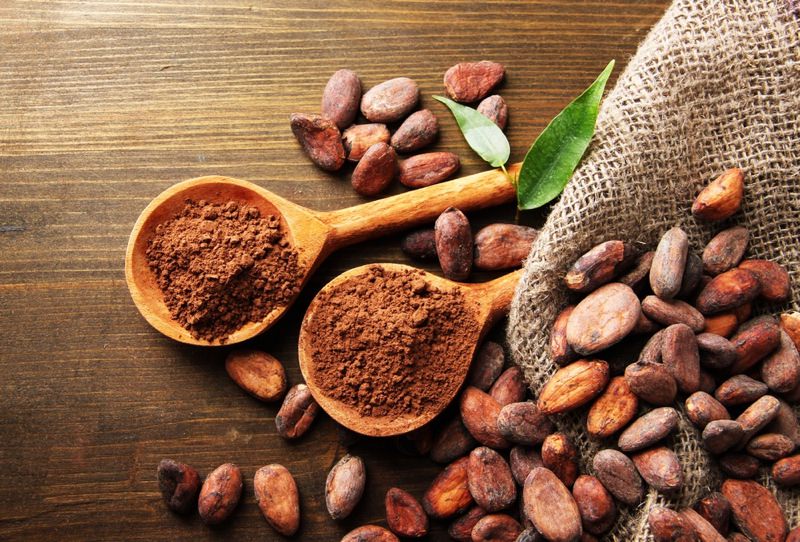
Industrial Use Cases: Where PASTINO Cocoa Powder Delivers Best Results
PASTINO’s cocoa powders are versatile. Below are the most common industrial applications where factories benefit significantly:
Bakery & Pastry
For cakes, cookies, brownies, biscuits, sponge cakes — especially recipes relying on baking soda/powder — natural cocoa (e.g. T20) provides desirable acidity, light-to-medium color, and a genuine cocoa taste. Rise, crumb structure, and texture remain optimal.
Chocolate Beverages & Dairy Drinks
In cocoa-milk drinks, chocolate milk, flavored milks — where solubility, dispersion, clean flavor, and stable fat content matter — PASTINO ensures uniform mixing, no sedimentation, and consistent taste.
Ice Cream & Frozen Desserts
High-fat cocoa powders or well-formulated alkalized versions contribute to creamy texture, richer mouthfeel, stable color, and overall premium sensory profile in ice cream bases.
Confectionery, Syrups & Fillings
For chocolate syrups, dessert sauces, spreads, fillings — PASTINO gives stable color, smooth texture, consistent flavor and good stability over shelf life.
Clean-Label & Health-Oriented Products
For products targeting “clean-label,” “natural,” or “simple-ingredients” markets, natural cocoa powder aligns with consumer demand — providing authentic cocoa flavor and no chemical modifiers.
How to Evaluate & Specify Cocoa Powder for Your Factory — A Practical Checklist
To ensure you choose the right cocoa powder for your needs, use this evaluation checklist before procurement:
- Review Certificate of Analysis (CoA): Check fat %, moisture %, ash %, pH, fineness (mesh), microbial data (total plate count, salmonella, E. coli, yeast/mold).
- Define final product application: Bakery? Beverage? Ice cream? Clean-label? Choose natural vs alkalized accordingly.
- Inspect batch-to-batch consistency: Request CoAs for several batches to assess variation.
- Test solubility / flowability: Dry-blend tests, hydration tests in liquid systems, mixing under real production conditions.
- Run pilot production: Bake, heat, pasteurize or mix exactly as in full-scale production to check color, texture, flavor, stability.
- Check supplier capabilities: Supply continuity, packaging (25 kg bag, big-bag), logistics, traceability, documentation.
- Evaluate cost vs benefit: Factor in quality consistency, reduced waste, improved product standardization — not just raw price.
Using this checklist helps you take a systematic, data-driven approach — instead of guessing or relying solely on price.
Why Partnering with MT Royal Makes Business Sense
A cocoa powder’s quality is only as reliable as the supply chain behind it. That’s why sourcing through a dependable supplier is as important as choosing the right cocoa powder brand. MT Royal offers:
- Sustainable access to premium quality cocoa powders such as PASTINO
- Proper industrial packaging (25 kg kraft bags, big bags), labeling and documentation
- Supply reliability — essential for continuous production planning
- Expert consultation for matching cocoa grade to final application
We have seen many manufacturers reduce procurement risk and stabilize quality over time simply by switching to a structured sourcing approach via MT Royal.
Strategic Recommendations for Manufacturers & Procurement Teams
- If your product line includes bakery, sponge cakes, biscuits — start with PASTINO Natural Cocoa Powder (e.g. T20).
- For dark chocolates, cocoa drinks, ice cream, coatings — request PASTINO alkalized grades (medium or dark) and confirm CoA.
- For any new cocoa powder, conduct pilot runs before full-scale orders.
- Maintain a supply buffer — especially if production demand fluctuates, to avoid downtime.
- Use documented CoA and batch traceability to meet food-safety, traceability or export requirements.
- Monitor cost vs. benefit — investing in higher-quality cocoa powder often pays off by reducing waste, stabilizing output, and improving brand consistency.
Conclusion
For food manufacturers in Türkiye aiming for consistent quality, efficiency, and consumer trust, PASTINO stands out as a cocoa powder brand that balances technical excellence, industrial reliability, and versatile application. When sourced through a trusted partner like MT Royal, it becomes more than just an ingredient — it becomes a strategic component of your production system.
By combining clear specification, batch consistency, and good technical performance, PASTINO helps transform cocoa powder from a mere raw material into a reliable pillar of quality control — so that every batch, every product, every carton leaving your factory maintains the high standards your brand promises.
We encourage you to test and evaluate PASTINO in your next production cycle — you may find that the difference is not just visible in color or taste, but in reduced waste, streamlined processes, and more predictable quality across time.



No comment