

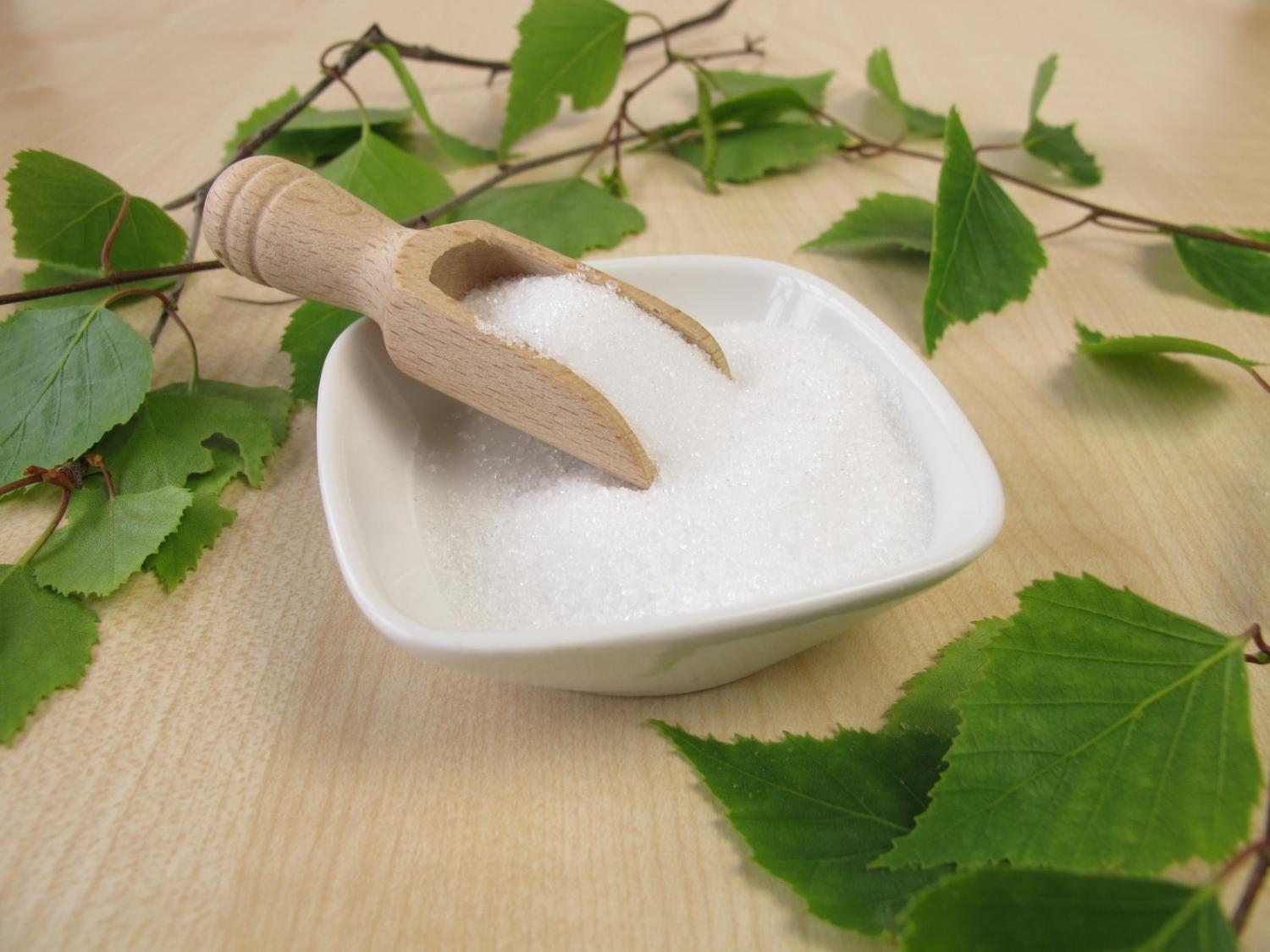
In today’s market, where consumer awareness about health and sugar intake is at an all-time high, manufacturers face growing demand for sweeteners that deliver the taste of sugar without its downsides. Xylitol Sweetener E967 emerges as a reliable zero-sugar alternative, ideal for large-scale production in confectionery, beverages, and functional foods. At MT Royal, we have seen first-hand how industrial clients leverage xylitol to meet both taste expectations and regulatory standards while maintaining cost-efficiency. This comprehensive guide explores Xylitol Sweetener E967 from a practical, production-oriented perspective, ensuring your factory can optimize its use effectively.
Xylitol is a sugar alcohol (polyol) widely used as a low-calorie sweetener. Chemically, it is classified as E967 in food additive nomenclature, approved in many countries as a safe sugar substitute. Unlike sucrose, xylitol provides sweetness with about 40% fewer calories, making it attractive for sugar-reduced and sugar-free products.
Key characteristics of Xylitol E967 include:
- Sweetness Profile: Approximately equal to table sugar (sucrose), providing a natural, clean sweet taste.
- Caloric Value: 2.4 kcal/g compared to 4 kcal/g in sugar.
- Glycemic Impact: Low glycemic index, suitable for diabetic-friendly products.
- Dental Benefits: Non-cariogenic properties help reduce dental cavities, adding functional value to gums, candies, and oral care products.
For factories aiming for zero-sugar labeling, xylitol is more than a simple sweetener; it is a tool to enhance product quality while meeting regulatory and consumer expectations.
Common Mistakes in Industrial Supply of Xylitol
Despite its advantages, improper handling of Xylitol Sweetener E967 can create production inefficiencies. Common pitfalls include:
- Incorrect Storage Conditions: Xylitol is hygroscopic, meaning it absorbs moisture from the air. Factories often face clumping or caking if storage humidity exceeds recommended levels (usually below 50% RH).
- Overlooking Particle Size Requirements: Different applications—from chewing gum to chocolate coatings—demand specific particle sizes. Using the wrong grade can affect solubility, texture, and mixing efficiency.
- Ignoring Regulatory Compliance: While Xylitol is widely approved, variations exist between regions. Always verify E967 approval and labeling requirements for your target market.
- Insufficient Supplier Verification: Low-cost suppliers may compromise on purity, leading to inconsistent sweetness, off-flavors, or higher moisture content.
At MT Royal, we emphasize supplying xylitol with consistent quality, moisture levels below 0.5%, and full compliance documentation, helping factories avoid these common errors.
Industrial Advantages of Xylitol E967 in Large-Scale Production
For manufacturers, choosing the right sweetener is not just about taste—it is about scalability, cost-efficiency, and product stability. Xylitol offers unique advantages:
1. High Thermal Stability
Xylitol can withstand high temperatures during baking and extrusion processes without significant caramelization or degradation. This property makes it ideal for:
- Bakery products
- Extruded snacks
- Confectionery coatings
2. Hygroscopic Control
Unlike other sugar alcohols that may crystallize excessively, xylitol’s moderate hygroscopicity allows controlled moisture retention in soft candies and gums, maintaining desirable texture.
3. Functional Versatility
Xylitol can be combined with other sweeteners like erythritol or stevia to optimize sweetness intensity while reducing caloric content further. This is particularly useful for:
- Beverages
- Sugar-free chocolates
- Nutritional bars
4. Consumer-Friendly Labeling
Using Xylitol Sweetener E967, products can carry “sugar-free,” “diabetic-friendly,” or “tooth-friendly” claims, increasing appeal among health-conscious consumers.
Comparing Xylitol with Other Sugar Alternatives
For decision-makers in factories, understanding how Xylitol stands against other sugar substitutes is essential:
| Sweetener | Sweetness vs. Sugar | Caloric Content | Stability | Industrial Use |
|---|---|---|---|---|
| Xylitol (E967) | ~100% | 2.4 kcal/g | High | Confectionery, bakery, beverages |
| Erythritol | ~70% | 0.2 kcal/g | Very high | Beverages, low-calorie products |
| Maltitol | ~90% | 2.1 kcal/g | Medium | Chocolates, baked goods |
| Stevia | 200–300x | 0 kcal | Sensitive to heat | Beverages, dairy |
This table highlights why Xylitol is particularly attractive for industrial-scale production, balancing sweetness, stability, and functional versatility.
Industrial Production Tips for Large-Scale Use
Producing high-quality sugar-free products with xylitol requires attention to process parameters:
- Optimized Mixing: Xylitol dissolves more slowly than sucrose; ensure sufficient mixing or pre-dissolution in water for beverages.
- Moisture Control: Maintain controlled RH in production areas to prevent clumping. Silica-based anti-caking agents can be used when appropriate.
- Temperature Monitoring: Avoid excessive heat above 150°C for extended periods to prevent browning in sensitive applications.
- Blending Considerations: When combining xylitol with other polyols, check for hygroscopic interactions that may affect product shelf life.
We at MT Royal collaborate closely with industrial clients, providing guidance on optimal grades and particle sizes for each production line, ensuring smooth operations and consistent product quality.
Frequently Asked Questions from Factory Managers
Q1: Can xylitol completely replace sugar in chocolate?
A: Yes, but attention must be paid to crystallization and mouthfeel. Sometimes blending with maltitol or polydextrose enhances texture.
Q2: How does xylitol affect shelf life?
A: Its moderate hygroscopicity helps retain moisture in soft products, but dry storage is essential to avoid caking.
Q3: Is xylitol safe for all consumers?
A: For humans, yes. However, xylitol is toxic to dogs, so labeling and handling in pet-inclusive facilities require caution.
Q4: What are cost considerations for bulk procurement?
A: While slightly more expensive than sucrose, xylitol’s health and functional advantages often justify its use, especially when purchased from reliable suppliers like MT Royal with competitive pricing and bulk discounts.
Summary
Incorporating Xylitol Sweetener E967 allows manufacturers to meet the growing demand for sugar-free products without compromising taste or functionality. Its thermal stability, clean sweetness, and low glycemic impact make it a versatile ingredient for confectionery, beverages, and functional foods. By choosing a trusted partner like MT Royal, factories gain not only high-quality xylitol but also technical support to optimize production at scale.
The future of sugar-free manufacturing is not just about replacing sugar—it is about delivering value, health benefits, and consistent product performance. With xylitol, industrial production can achieve all three, turning challenges in sugar reduction into opportunities for innovation and market leadership.

No comment