

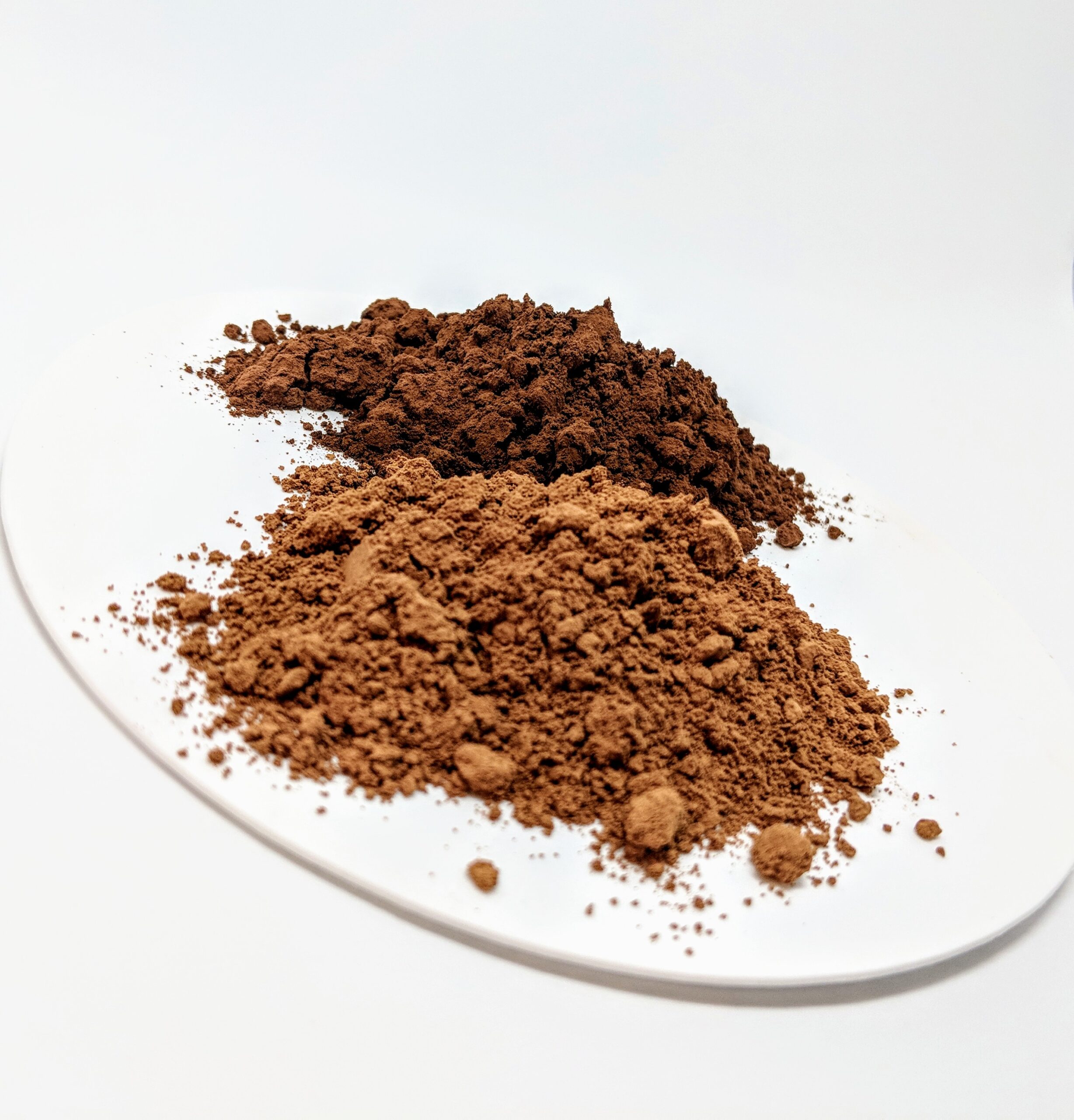
In the world of large-scale chocolate production, confectionery manufacturing, and bakery operations, the choice of raw materials can make or break efficiency, quality, and profitability. Among these critical ingredients, Alkalized Cocoa Powder has emerged as a vital component for factories looking to optimize flavor, texture, and shelf-life. But what exactly sets alkalized cocoa apart from natural cocoa powder, and how can production managers leverage its benefits to achieve consistent results?
At MT Royal, we’ve worked with manufacturing facilities across multiple industries, and we understand the unique challenges factory managers face when sourcing high-quality cocoa powder. In this guide, we’ll explore everything from fundamental definitions to actionable tips for procurement, quality control, and industrial application—while also examining premium options like Spanish-origin Latamarko, renowned for their precision and consistency in high-volume production.
What Is Alkalized Cocoa Powder?
The Fundamentals
Alkalized cocoa powder, also known as Dutch-processed cocoa, is cocoa that has undergone an alkalization process to neutralize its natural acidity. This step transforms the cocoa’s chemical composition, resulting in a milder flavor, darker color, and smoother texture.
Key industrial characteristics:
- pH Balance: Typically raised to around 7, making it neutral or slightly alkaline.
- Flavor Profile: Less bitter than natural cocoa, providing a consistent base for chocolate and confectionery products.
- Color Stability: Enhanced dark brown hue that is highly desirable for commercial baking and chocolate formulations.
LSI Keywords: Dutch-processed cocoa, industrial cocoa powder, neutral pH cocoa, chocolate manufacturing ingredient, cocoa flavor consistency
Why Manufacturing Facilities Prefer Alkalized Cocoa
In large-scale production, consistency is king. Alkalized cocoa powder offers predictable performance in:
- Mixing and formulation: Improved solubility ensures homogeneous blends in chocolate bars, beverages, or bakery mixes.
- Color uniformity: Eliminates batch-to-batch variation that can occur with natural cocoa.
- Shelf life: Reduced acidity decreases the likelihood of unwanted chemical reactions, preserving quality in processed foods.
We’ve observed that facilities using alkalized cocoa report fewer production anomalies and better end-product aesthetics—critical factors in high-volume operations where even minor inconsistencies can escalate costs.
The Industrial Benefits of Alkalized Cocoa Powder
Enhanced Flavor and Product Appeal
Alkalized cocoa’s smooth, less acidic flavor profile is highly versatile. For confectionery plants, this means the ability to deliver:
- Balanced chocolate notes without overpowering bitterness
- Consistent taste profiles across different product lines
- Compatibility with dairy, sugar, and other flavor enhancers
In our experience supplying manufacturers, even subtle improvements in cocoa flavor can increase customer satisfaction and reduce returns in wholesale or bulk chocolate products.
Operational Advantages for Production Lines
Beyond flavor, alkalized cocoa powder offers operational benefits:
- Reduced corrosion risk: Its neutral pH is gentler on mixing tanks, pipes, and industrial machinery.
- Faster dissolution rates: Speeds up blending and reduces downtime between batches.
- Predictable rheology: Ensures consistent viscosity in chocolate syrups, beverages, and baked goods.
For production supervisors, these advantages translate to higher throughput, lower maintenance costs, and fewer quality control headaches.
Common Pitfalls in Industrial Procurement
Even seasoned plant managers can face challenges when sourcing alkalized cocoa powder. Here are some key considerations:
- Assuming all cocoa powders are interchangeable: Not all alkalized powders perform the same under high-temperature processing.
- Neglecting supplier reliability: Downtime due to late shipments can disrupt production schedules.
- Overlooking storage conditions: Alkalized cocoa must be kept dry and cool to maintain its solubility and flavor.
At MT Royal, we emphasize sourcing from trusted manufacturers, offering brands at competitive prices while ensuring supply chain reliability. Premium options like Latamarko represent the upper tier in European cocoa quality, with stringent consistency and traceability standards.
Actionable Procurement Tips for Factory Managers
H2: Sourcing and Evaluating Suppliers
When choosing a cocoa supplier for industrial applications, consider:
- Batch consistency: Request sample testing to evaluate flavor and solubility.
- Supply capacity: Ensure the supplier can meet your projected monthly consumption.
- Compliance certifications: Look for ISO, HACCP, or other industry-relevant certifications.
We’ve seen factory managers benefit from combining reliable sourcing from MT Royal with high-tier brands like Latamarko for premium product lines, ensuring both affordability and quality.

H3: Storage and Handling Guidelines
Maintaining product integrity is critical:
- Temperature control: Store below 25°C to prevent clumping.
- Humidity control: Keep below 50% relative humidity.
- Inventory rotation: Implement FIFO (first-in, first-out) to maintain freshness.
Industrial anecdotes suggest that even small lapses in storage can result in batch failures costing thousands in wasted materials.
Comparing Alkalized and Natural Cocoa Powder
| Feature | Natural Cocoa Powder | Alkalized Cocoa Powder |
|---|---|---|
| pH Level | 5–6 (acidic) | 7–8 (neutral/alkaline) |
| Flavor Profile | Bitter, robust | Smooth, mild |
| Color | Light brown | Dark brown |
| Industrial Solubility | Lower | Higher |
| Shelf Stability | Moderate | Higher |
Such comparisons help production teams decide based on product type, processing conditions, and quality targets.
Step-by-Step Guide for Integrating Alkalized Cocoa Powder
- Recipe assessment: Review existing formulations to determine pH compatibility.
- Pilot testing: Conduct small-scale trials to evaluate flavor and texture.
- Adjustments: Modify sugar, emulsifier, or fat ratios if necessary.
- Scale-up: Implement in full production line, monitoring for consistency.
- Continuous QA: Regularly test batches for pH, color, and solubility.
Industrial Use Cases and Anecdotes
- Bakery plants: Switching to alkalized cocoa reduced product discoloration in chocolate cakes.
- Beverage manufacturers: Faster dissolution improved chocolate beverage consistency and reduced mixing times by 15%.
- Confectionery facilities: Premium Latamarko batches enabled smoother chocolate coatings and higher yield in enrobing lines.
These examples underline that material selection directly impacts both operational efficiency and product quality.
Frequently Asked Questions (FAQ)
Q1: Can alkalized cocoa be used interchangeably with natural cocoa?
A: Not always. Alkalized cocoa has a neutral pH and milder flavor, which can affect chemical reactions in recipes designed for natural cocoa.
Q2: How should industrial facilities store bulk cocoa powder?
A: Keep in sealed, dry, and cool conditions, rotating inventory regularly to maintain freshness and consistency.
Q3: Are European brands like Latamarko worth the premium?
A: For premium products or consistent batch quality, Spanish-origin cocoa like Latamarko provides unmatched traceability, flavor stability, and performance.
Q4: How does alkalized cocoa affect chocolate viscosity?
A: Neutral pH improves solubility, resulting in smoother and more predictable rheology in high-speed production lines.
Trends in Cocoa Procurement for Industrial Production
- Sustainability: Growing demand for responsibly sourced cocoa.
- Traceability: Factory managers increasingly require detailed supply chain information.
- Bulk efficiency: Multi-ton orders favor suppliers who can guarantee consistent quality and on-time delivery.
MT Royal stays ahead of these trends by offering a wide range of brands at competitive prices, ensuring manufacturing facilities can source reliably without compromising on quality.
Conclusion
Alkalized cocoa powder is more than a simple ingredient—it’s a strategic choice for industrial operations seeking consistency, efficiency, and high-quality end products. From flavor improvement to operational advantages, and from practical storage tips to selecting reliable suppliers like MT Royal, manufacturers who understand the nuances of alkalized cocoa powder gain a tangible competitive edge.
Premium options, particularly Spanish-engineered Latamarko, exemplify how thoughtful supplier selection enhances both performance and brand reputation. By considering your facility’s production needs, investing in reliable sourcing, and following best practices for handling, you set the stage for smoother operations, consistent results, and satisfied customers.
After all, when your raw materials perform predictably, every batch becomes a benchmark of excellence.



No comment