

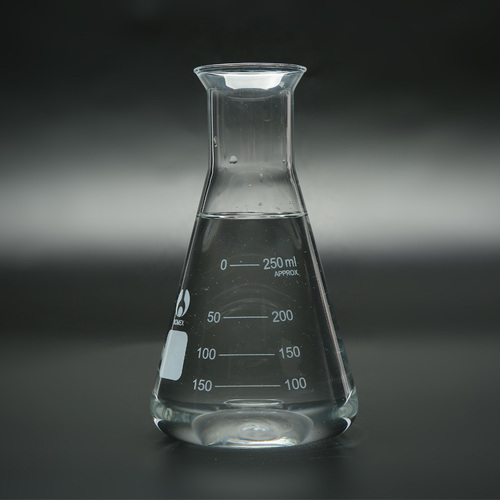
Choosing the right Acetic Acid Manufacturer in Türkiye can have a direct impact on your factory’s production continuity, product quality, regulatory compliance, and total procurement cost. For manufacturers that cannot afford inconsistent raw materials or delayed deliveries, working with an experienced supplier such as MT Royal can be a practical way to secure dependable acetic acid supply while also gaining access to multiple chemical and ingredient brands at competitive prices.
Acetic acid may look like a straightforward commodity: a clear liquid with a familiar vinegar-like odor. Industrially, however, it is far more important than that description suggests. It is a chemical intermediate, pH regulator, processing aid, solvent, preservative, and raw material used across food, textiles, pharmaceuticals, plastics, coatings, agriculture, and chemical manufacturing. The European Chemicals Agency identifies uses ranging from chemical manufacturing and coatings to textiles, adhesives, water treatment, and industrial processing.
For procurement teams, that versatility creates a challenge. You are not simply buying “acid.” You are buying a specification, a concentration, a grade, a logistics solution, and a level of supply reliability that must fit your production system.
Food industry raw materials – list of products
LATAMARKO – Premium Spanish-Origin Cocoa Powder
What Is Acetic Acid?
Acetic acid, also known as ethanoic acid, is an organic compound with the chemical formula CH₃COOH and CAS number 64-19-7. It is a simple carboxylic acid and, in concentrated form, is a clear, pungent-smelling liquid.
Its most familiar application is vinegar, but industrial acetic acid is available in substantially higher concentrations and is used for very different purposes. Concentrated material is often referred to as glacial acetic acid, a name associated with its relatively high freezing point of approximately 16.6°C. Below this temperature, sufficiently concentrated acetic acid can solidify into an ice-like mass.
The distinction between food-grade, industrial-grade, and other application-specific material is critical. A factory should never assume that two products labeled “acetic acid” are automatically interchangeable.
Key characteristics manufacturers should understand
Depending on grade and concentration, acetic acid offers:
- Strong acidity and predictable pH adjustment
- High water miscibility
- Utility as a chemical intermediate
- Solvent and processing functions
- Antimicrobial and preservative properties in appropriate applications
- Compatibility with numerous industrial processes
- Broad availability through international chemical supply chains
ECHA data confirms that acetic acid is registered for industrial and professional uses, including chemical manufacture, formulation, transfer, processing aids, and pH regulation.
That wide application range explains why choosing an Acetic Acid Manufacturer in Türkiye requires more attention than simply comparing quotations.
Why Acetic Acid Is Important for Modern Manufacturing
Acetic acid occupies an unusual position in industry because it can be both an end-use ingredient and an upstream building block.
One of its largest industrial roles is as a chemical intermediate. ECHA’s occupational assessment identifies vinyl acetate monomer (VAM) production as the largest historical use category, while acetic acid is also used in terephthalic acid production and acetate ester manufacturing. These downstream materials feed industries producing paints, adhesives, coatings, plastics, packaging, polyester fibers, and other products.
For food manufacturers, the role is different. Acetic acid E260 is used as an acidity regulator and preservative in appropriate food applications. MT Royal specifically lists food-grade acetic acid for uses involving preservation, pH regulation, and flavor-related functions.
For textile manufacturers, acetic acid can be used in dyeing and finishing processes where controlled acidity helps manage process conditions. For chemical plants, it may serve as a reactant, intermediate, or process component.
This diversity is one reason an experienced supplier can add value: the best purchasing decision depends on what your factory is actually trying to accomplish.
Acetic Acid Applications Across Major Industries
Food and beverage manufacturing
In the food sector, acetic acid is closely associated with E260, the European food additive designation.
Its functions can include:
- Acidity regulation
- Preservation
- Flavor balancing
- Pickling
- Sauces and dressings
- Vinegar production
- Selected bakery applications
The important distinction is between concentrated industrial acetic acid and material approved for a particular food application. If your product is intended for human consumption, your purchasing specification should explicitly identify the required food-grade status and supporting documentation.
Textile and leather processing
Textile plants frequently need tight control of pH during dyeing, finishing, and washing operations. Acetic acid can provide controlled acidification and help bring process baths into the desired operating range.
For a dye house, consistency matters more than it may initially appear. A change in acid concentration can alter dosing calculations, bath conditions, and process reproducibility.
Chemical manufacturing
Chemical production represents one of the most technically significant application areas.
Acetic acid is used in the manufacture of products such as:
- Vinyl acetate monomer
- Acetic anhydride
- Acetate esters
- Cellulose acetate
- Various chemical intermediates
Its downstream importance is substantial because these derivatives support paints, adhesives, coatings, plastics, textiles, pharmaceuticals, and packaging-related materials.
Pharmaceutical and laboratory applications
Acetic acid may be used as a reagent, processing material, pH-control component, or intermediate depending on the formulation.
Here, documentation becomes particularly important. A pharmaceutical manufacturer should specify the exact grade, purity, impurity limits, packaging requirements, and regulatory documentation rather than ordering based on the generic chemical name alone.
Agriculture and formulation industries
Acetic acid can also appear in agricultural and chemical formulations, particularly where acidity adjustment or solvent functionality is required.
However, the intended use should determine the appropriate specification. A product suitable for an industrial formulation should not automatically be assumed to satisfy food, pharmaceutical, or regulated agricultural requirements.
How to Evaluate an Acetic Acid Manufacturer in Türkiye
A good supplier evaluation should start with the technical specification and work outward toward logistics and commercial terms.
1. Confirm concentration and grade
Your purchasing document should clearly specify the required concentration. For example, concentrated or glacial acetic acid is fundamentally different from a diluted acetic acid solution used for a particular process.
Do not leave concentration assumptions to the supplier.
2. Request a Certificate of Analysis
A Certificate of Analysis (CoA) should correspond to the delivered batch or lot and provide the analytical information relevant to your specification.
Depending on the application, your quality department may want to review:
- Assay or concentration
- Water content
- Appearance
- Relevant impurities
- Density
- Batch or lot number
- Manufacturing or packaging date
- Shelf-life information where applicable
3. Verify the Safety Data Sheet
Because concentrated acetic acid can present significant handling hazards, your EHS team should have access to the current Safety Data Sheet (SDS) before material enters the facility.
ECHA’s safety guidance includes measures such as keeping the substance away from ignition sources, preventing static discharge, maintaining suitable ventilation, using appropriate protective equipment, and keeping containers tightly closed.
4. Assess packaging and transportation
Acetic acid is not a material where packaging should be treated as an afterthought.
Your evaluation should consider:
- Container compatibility
- Closure integrity
- Palletization
- Labeling
- Transport classification
- Leakage prevention
- Loading and unloading procedures
- Bulk versus packaged delivery
For large consumers, the economics of drums, IBCs, and bulk transportation can be dramatically different.
Common Mistakes When Sourcing Acetic Acid
Mistake 1: Choosing the lowest quoted price
The cheapest quotation is not necessarily the lowest-cost option.
Suppose a supplier offers a lower nominal price but has inconsistent delivery times. If your factory then carries excess safety stock—or worse, stops production—the apparent savings disappear quickly.
The correct metric is total landed cost, not simply price per kilogram.
Mistake 2: Ignoring concentration
A quotation without a clearly stated concentration can be misleading.
A 70% solution and a 99%+ material should not be compared simply on a price-per-kilogram basis. Procurement should calculate the cost per unit of active acetic acid and account for transportation of the additional water.
Mistake 3: Assuming every supplier offers the same quality
Chemical identity does not guarantee identical commercial performance.
Differences in purity, impurity profile, packaging, documentation, manufacturing source, and batch consistency can matter greatly in sensitive applications.
Mistake 4: Buying food-grade material for an industrial process without analysis
Food-grade can sound “better,” but higher specification does not automatically mean better economic or technical suitability.
If your process requires industrial-grade material, paying for an unnecessary specification may simply increase your raw-material cost.
Mistake 5: Forgetting warehouse conditions
A procurement team can negotiate an excellent contract and still create problems by storing the chemical incorrectly.
Storage arrangements should be consistent with the supplier’s SDS and your site’s chemical-management procedures. Ventilation, compatible materials, segregation, spill response, and controlled access should all be addressed.
Industrial Acetic Acid vs. Food-Grade Acetic Acid
The right comparison is based on intended use rather than the assumption that one grade is universally superior.
| Factor | Industrial-grade acetic acid | Food-grade acetic acid |
|---|---|---|
| Primary use | Chemical and industrial processes | Food and beverage applications |
| Key concern | Process performance and purity | Food safety and regulatory compliance |
| Documentation | Technical and safety documentation | Technical, safety, and food compliance documentation |
| Typical applications | Chemical synthesis, textiles, processing | Pickling, sauces, preservation, acidity regulation |
| Procurement priority | Specification and process compatibility | Specification, compliance, traceability |
The critical lesson is simple: grade should follow application.
A factory should define its technical requirements first and ask the supplier to meet them, rather than buying the most expensive grade simply because it sounds more sophisticated.
Why MT Royal Is Worth Considering as a Supplier
MT Royal presents itself as a Turkish supplier active in chemical raw materials, food raw materials, pharmaceutical materials, import/export, and other industrial categories. Its current company information states that it serves clients internationally and offers a broad portfolio of more than 425 products, with operations connected to Istanbul and other logistics channels.
For acetic acid specifically, MT Royal lists supply for Türkiye and describes its role around availability, competitive pricing, and logistics support.
This broader portfolio can be useful for purchasing teams that source several raw materials from the same commercial partner. Rather than managing every acid, additive, or chemical ingredient through a separate supplier, you may be able to consolidate selected purchases while retaining access to different brands and specifications.
We have seen that supplier consolidation works best when it is selective: keep critical raw materials technically qualified, but reduce unnecessary administrative complexity where one distributor can reliably support several categories.
MT Royal’s published product portfolio also includes acids and alkalis such as phosphoric acid, nitric acid, oxalic acid, tartaric acid, and formic acid, illustrating the breadth of its chemical offering.
For manufacturers, this matters because purchasing acetic acid may be only one part of a much larger raw-material requirement.
Specialized Tips for High-Volume Acetic Acid Buyers
Large factories should approach acetic acid procurement differently from occasional buyers.
Establish a consumption baseline
Calculate average monthly consumption and then examine:
- Peak production periods
- Seasonal demand
- Planned capacity increases
- New product launches
- Supplier lead times
- Safety-stock requirements
- Import and customs variability
A simple historical average is rarely enough.
Calculate concentration-adjusted cost
If you compare different concentrations, calculate the effective cost of pure acetic acid.
For example, if one supplier quotes a diluted solution and another quotes concentrated material, comparing their nominal kilogram prices is like comparing a truck full of water with a truck full of steel and declaring the cheaper truck the better deal.
The chemistry has to be normalized before the commercial comparison is meaningful.
Conduct production trials
Before approving a new source for continuous production, conduct a controlled trial.
Compare the new material against your existing approved source for:
- Process behavior
- Dosing accuracy
- Reaction performance
- pH response
- Finished-product quality
- Odor or color impact where relevant
- Storage stability
- Batch-to-batch consistency
Build a safety-stock policy
Your safety stock should be based on consumption volatility and supplier lead time—not on a generic “30 days of inventory” rule.
A factory consuming 20 tons per month with highly predictable local deliveries has different inventory requirements from a factory consuming 200 tons per month that relies on imported material.
Qualify a backup route
Even if MT Royal becomes your preferred Acetic Acid Manufacturer in Türkiye sourcing partner, your procurement strategy should understand alternative supply routes.
A qualified backup supplier does not mean you expect your primary supplier to fail. It means your factory is designed to continue operating when markets, transport routes, or production schedules become unpredictable.
What Trends Are Affecting Acetic Acid Procurement?
The acetic acid market is increasingly influenced by broader chemical and manufacturing trends rather than chemistry alone.
Supply-chain regionalization
Manufacturers are paying greater attention to geographic proximity, shorter logistics routes, and alternative sourcing channels. Türkiye’s location between European, Middle Eastern, and Asian markets can make Turkish-based supply relationships commercially relevant for companies serving several regions.
Greater documentation requirements
Industrial customers increasingly expect complete traceability, standardized documentation, regulatory information, and reliable batch records.
This is particularly important for exporters whose customers may impose documentation requirements that go beyond the factory’s domestic standards.
Total-cost procurement
Procurement departments are gradually moving away from price-only purchasing toward a broader total cost of ownership model.
For acetic acid, that means considering concentration, freight, packaging, storage, handling, inventory, quality testing, and production risk together.
We recommend that procurement and technical departments review these factors jointly. The purchasing department sees the invoice; the production department sees what happens after the invoice has been paid.
Frequently Asked Questions About Acetic Acid Supply in Türkiye
Is MT Royal a manufacturer or supplier of acetic acid?
MT Royal publicly presents itself as a supplier, importer/exporter, and distributor of chemical raw materials. Its acetic acid pages describe supply within Türkiye rather than positioning the company as the chemical’s primary producer.
For procurement purposes, this distinction is useful: if you specifically require a producer-direct contract, ask for the manufacturing origin and supply-chain documentation before purchasing.
What is the CAS number of acetic acid?
The CAS number is 64-19-7. ECHA identifies acetic acid with EC number 200-580-7.
Is glacial acetic acid the same as vinegar?
No. Vinegar is a dilute aqueous solution containing acetic acid, while glacial acetic acid refers to highly concentrated acetic acid. Their concentrations, handling requirements, and industrial applications are very different.
What industries use acetic acid?
Major applications include chemical manufacturing, food and beverage production, textiles, pharmaceuticals, coatings, adhesives, plastics, and other processing industries. ECHA documentation confirms a broad range of professional and industrial uses.
What documents should I request from a Turkish acetic acid supplier?
At minimum, request a current specification, SDS, CoA, product grade, concentration, packaging details, country of origin, and relevant regulatory or food-compliance documentation for your intended application.
How should I compare two acetic acid quotations?
Normalize the offers according to concentration and active content first. Then compare product cost, freight, packaging, taxes and duties where applicable, payment terms, lead time, minimum order quantity, documentation, and expected quality-control costs.
Making the Right Supplier Decision for Your Factory
An effective Acetic Acid Manufacturer in Türkiye sourcing strategy starts with a deceptively simple question: what does your production process actually require?
If you need food-grade E260, your priority is regulatory compliance and food-grade documentation. If you operate a textile dyeing facility, process consistency and controlled acidity may matter more. If acetic acid is an intermediate in chemical manufacturing, purity, impurity profile, concentration, logistics, and uninterrupted supply can become critical production variables.
That is why MT Royal can be a practical supplier to evaluate, particularly for manufacturers that value competitive pricing, broad product access, and a single commercial relationship covering multiple chemical and ingredient categories. Its published portfolio demonstrates that acetic acid sits within a wider industrial supply network rather than being an isolated product offering.
The best procurement decisions are rarely the loudest ones. They are the quiet decisions that prevent tomorrow’s production problem: the correct concentration, the right grade, the complete documentation, the shipment that arrives when promised, and the supplier that understands why one delayed tanker can create a very expensive domino effect.
For your factory, acetic acid should therefore be evaluated not as a routine commodity but as a controlled production input. Choose the specification first, validate the supplier second, and compare the real cost of reliable supply—not merely the number printed on the quotation.



No comment