

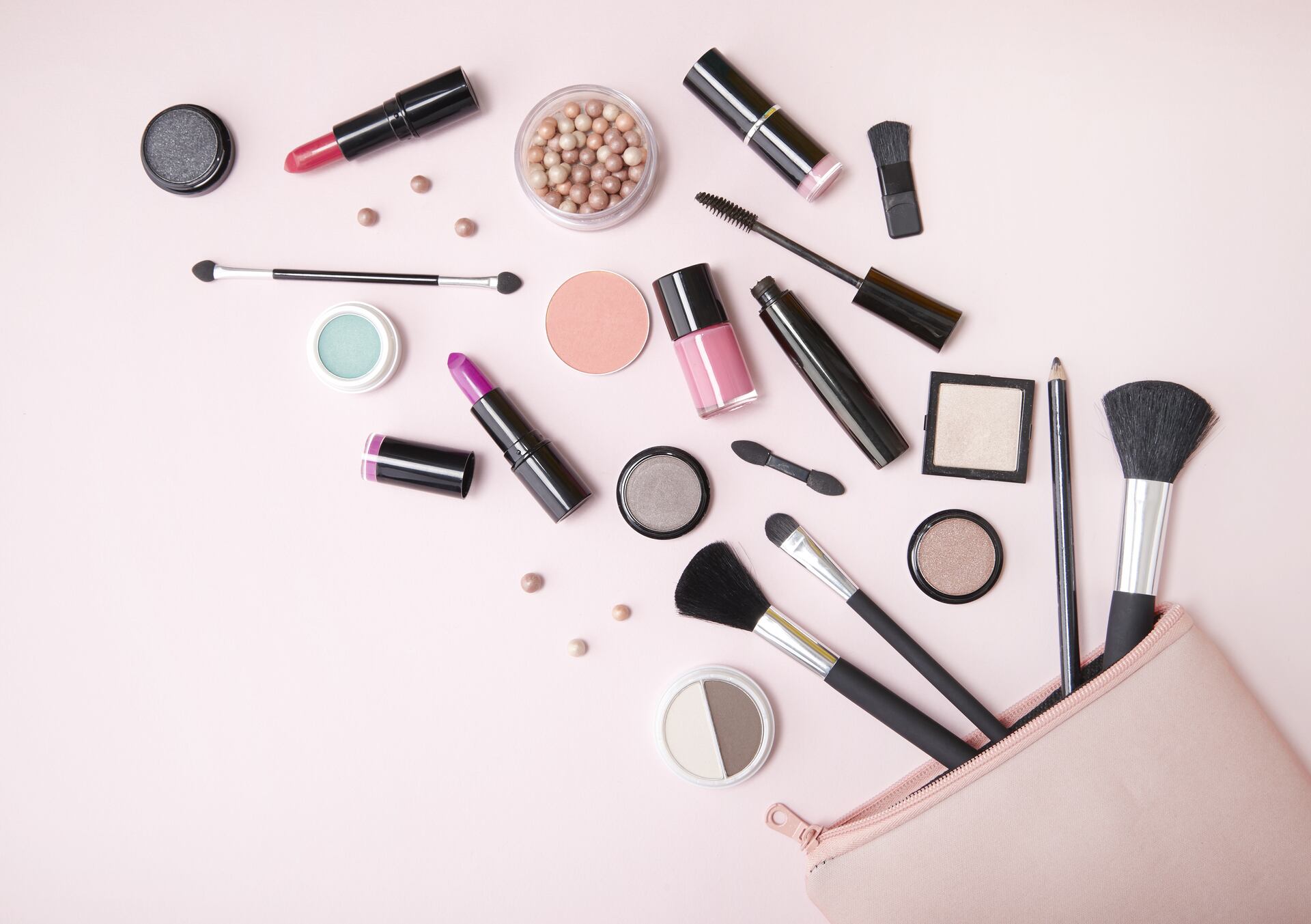
If you are sourcing cosmetics for a factory, retail network, distributor, hotel group, pharmacy chain, or private-label operation, Turkey deserves serious attention. Turkish cosmetics exports combine a large manufacturing base, proximity to European and Middle Eastern markets, competitive production capabilities, and access to an increasingly sophisticated beauty industry. For buyers who need dependable products from established brands, MT Royal can also be considered as a practical sourcing partner, particularly when access to multiple brands and competitive commercial terms is important.
The opportunity, however, is bigger than simply finding inexpensive shampoo, skincare products, perfumes, or personal-care items. Cosmetics are highly regulated consumer goods. A product that looks commercially attractive can become difficult to sell if its formulation, labeling, product information, claims, documentation, packaging, or responsible-party arrangements do not satisfy the destination market.
That is why successful sourcing from Turkey begins with a better question than “How much does it cost?”
The better question is: Can this product reach my market legally, consistently, competitively, and at the quality my customers expect?
For manufacturers and procurement teams, that distinction can turn Turkish sourcing from a simple buying exercise into a genuine supply-chain advantage.
Food industry raw materials – list of products
What Are Turkish Cosmetics Exports?
The term Turkish cosmetics exports refers broadly to beauty, personal-care, and cosmetic products manufactured in or exported from Türkiye for international markets.
The category can include:
- Skincare products
- Hair-care products
- Shampoos and conditioners
- Hair treatments
- Soaps and body washes
- Perfumes and fragrances
- Deodorants
- Oral-care products
- Makeup
- Baby-care products
- Men’s grooming products
- Sun-care products
- Personal hygiene products
- Natural and botanical cosmetic products
- Private-label cosmetics
For an international buyer, however, the important distinction is not simply what the product is called commercially.
A facial cream, for example, may be marketed as “brightening,” “anti-aging,” “repairing,” or “hydrating.” Those claims can have regulatory implications depending on the destination. The product’s formula, intended use, presentation, claims, and market positioning all need to be considered.
This is one reason experienced cosmetics sourcing requires both commercial and regulatory thinking.
Why Turkey Is Becoming Important in Global Cosmetics Supply
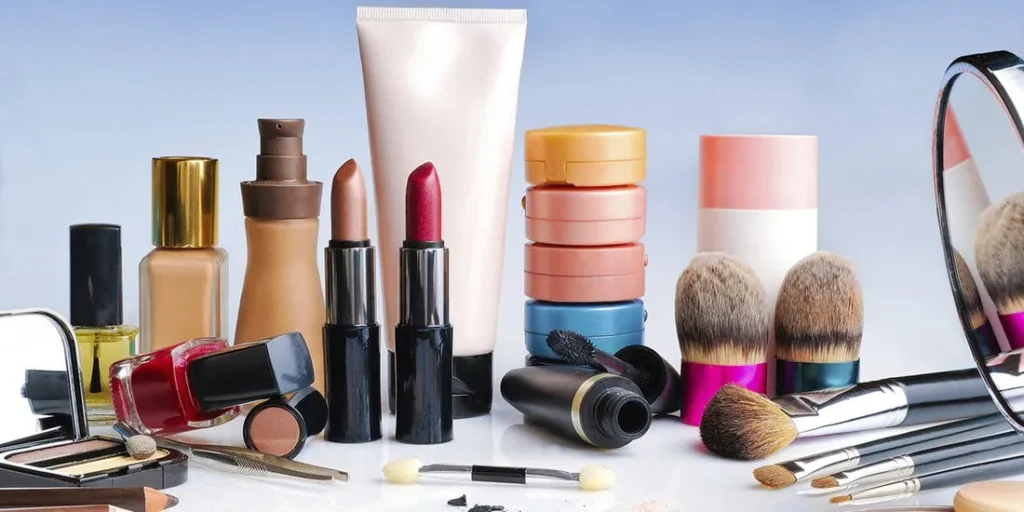
Turkey has several characteristics that make it attractive to international cosmetic buyers.
Its location provides access to Europe, the Balkans, the Caucasus, Central Asia, the Middle East, and North Africa. For many buyers, that means shorter transportation routes than sourcing from East Asia.
Turkey also has an established manufacturing ecosystem covering formulation, filling, packaging, plastics, glass, printing, fragrance, personal care, and contract manufacturing.
This ecosystem matters because cosmetics are not simply a formulation business. A competitive cosmetic supply chain requires coordination between ingredients, packaging, filling, labeling, warehousing, logistics, and regulatory documentation.
The country’s relationship with the European market is another important factor. Türkiye’s Customs Union with the EU has driven substantial alignment with EU product legislation, although buyers should never assume that Turkish compliance automatically means compliance in every destination market. Turkey’s Ministry of Trade notes that the Customs Union requires Türkiye to adopt relevant EU technical legislation into domestic law.
For international procurement teams, this creates a useful foundation—but not a substitute for destination-market due diligence.
Major Categories in Turkish Cosmetics Exports
Skincare Products
Skincare is one of the most technically diverse segments.
Products can include:
- Moisturizers
- Cleansers
- Serums
- Facial masks
- Toners
- Eye-area products
- Body lotions
- Exfoliating products
- Hand creams
- Sun-care products
When sourcing skincare, buyers should evaluate the ingredient list, product claims, stability, packaging compatibility, shelf life, batch coding, and intended market.
A serum packaged in a premium glass bottle may look impressive on a product sheet, but if the formula interacts poorly with the dispenser or requires special storage conditions, the packaging decision can become a production problem.
Hair-Care Products
Turkey has strong potential in hair-care manufacturing, including shampoos, conditioners, masks, oils, styling products, and treatment products.
For high-volume buyers, consistency is particularly important. Shampoo viscosity, fragrance intensity, color, foaming characteristics, filling temperature, bottle compatibility, and closure performance can all affect production and customer experience.
Soap and Personal Hygiene
Traditional and modern soap products represent another important category.
Buyers may encounter conventional bar soaps, liquid soaps, body washes, hand washes, and specialty formulations positioned around botanical or natural ingredients.
For export procurement, “natural” should be treated as a product positioning claim that needs careful substantiation rather than as a guarantee of quality.
Perfumes and Fragrances
Turkey’s fragrance sector provides opportunities for both branded products and private-label development.
The commercial challenge is often not simply fragrance quality. Packaging, atomizer performance, bottle compatibility, leakage resistance, stability, labeling, and transportation conditions all matter.
A fragrance bottle that survives a showroom but leaks during a pallet shipment has failed the supply chain, not merely the packaging test.
Regulatory Compliance: The Part Buyers Cannot Afford to Ignore
Cosmetics are regulated products, and compliance needs to be considered before the purchase order is finalized.
Türkiye’s current cosmetic framework includes the Cosmetic Law No. 5324 and the Cosmetic Products Regulation published in 2023. The Turkish Product Rules Database states that manufacturers are responsible for ensuring cosmetic products comply with the applicable requirements and that a responsible technical person is required. It also identifies the Product Safety Evaluation Report and Product Information File as important elements of the safety framework.
For an international buyer, this means procurement should not stop at receiving a catalogue and price list.
You should establish what regulatory documents are available and what additional work is required for the destination market.
Product Information and Safety Documentation
A serious supplier should be able to provide appropriate technical information for the products being considered.
Depending on the product and market, documentation may include:
- Full ingredient declaration
- Product specifications
- Safety information
- Stability information
- Microbiological information where applicable
- Manufacturing information
- Batch information
- Packaging specifications
- Shelf-life or PAO information
- Regulatory declarations
- Certificates or supporting documentation
The precise documentation required depends on the jurisdiction and product category.
GMP and Manufacturing Controls
Good Manufacturing Practice (GMP) is particularly important in cosmetics because consistency and hygiene directly affect product safety and commercial reliability.
A buyer should evaluate whether the manufacturer operates according to recognized cosmetic GMP principles and whether manufacturing records, quality controls, batch traceability, and release procedures are appropriately maintained.
Turkish Cosmetics Exports and the EU Market
The EU is an important destination and reference market for Turkish manufacturers, but buyers should avoid a common misconception: being manufactured in Turkey does not automatically mean a product is ready for sale everywhere in Europe.
The destination market determines the final compliance requirements.
Türkiye’s product-safety framework has been developed with substantial EU alignment. The Turkish Ministry of Trade explains that Product Safety and Technical Regulations Law No. 7223 establishes responsibilities around product safety, conformity, traceability, and market surveillance.
For a buyer importing cosmetics into the EU, the product should therefore be evaluated against the applicable EU cosmetic requirements as well as the commercial and documentation obligations attached to importing and placing the product on the market.
The same principle applies to the Gulf, United Kingdom, United States, Africa, and other destinations.
One formulation does not necessarily equal one global regulatory file.
That is an important point for procurement managers planning international distribution.
Common Mistakes When Sourcing Turkish Cosmetics
Choosing Based Only on Unit Price
Cosmetics have numerous hidden cost variables.
Your real cost may include:
- Product price
- Packaging
- Label customization
- Artwork
- Regulatory work
- Testing
- Freight
- Insurance
- Customs
- Warehousing
- Product registration
- Distributor margin
- Rejected or damaged units
A supplier that is 5% cheaper at factory level may become substantially more expensive after regulatory preparation and logistics.
Confusing Cosmetic Claims With Medical Claims
Terms such as “heals,” “treats,” “cures,” or similar therapeutic language can create regulatory problems depending on the market.
Your marketing department may love a powerful claim. Your compliance department may have a different opinion—and compliance usually gets the final word.
Failing to Check Minimum Order Quantities
A supplier may quote an attractive price based on 20,000 units while your first market test requires only 2,000.
Always confirm:
- MOQ
- Price breaks
- Packaging MOQ
- Label MOQ
- Fragrance or formula MOQ
- Lead time
- Reorder conditions
Ignoring Packaging Compatibility
The bottle, pump, tube, jar, cap, and formula form a system.
A change in viscosity can affect the pump. A solvent can interact with a plastic. A fragrance can migrate into certain packaging materials. These are engineering issues disguised as cosmetic details.
Treating Private Label as Simple Rebranding
Private-label cosmetics can be commercially attractive, but the process involves much more than putting your logo on an existing bottle.
You may need to define:
- Formula
- Claims
- Packaging
- Artwork
- Regulatory file
- Language requirements
- Batch coding
- Shelf life
- Minimum order
- Quality specifications
How to Evaluate a Turkish Cosmetic Supplier
A professional supplier evaluation should examine at least five dimensions.
1. Manufacturing Capability
Can the supplier actually manufacture the required volume consistently?
2. Quality System
What quality controls are applied to incoming materials, production batches, packaging, and finished goods?
3. Regulatory Readiness
Can the supplier provide the documentation needed for your destination market?
4. Commercial Flexibility
Can the supplier support your MOQ, packaging requirements, payment terms, and forecast?
5. Export Experience
Has the supplier previously handled international shipments and documentation for your target region?
A useful supplier scorecard might look like this:
| Criterion | Weight |
|---|---|
| Regulatory compliance | 25% |
| Product quality | 20% |
| Price competitiveness | 20% |
| Delivery reliability | 15% |
| Manufacturing capacity | 10% |
| Packaging capability | 5% |
| Communication | 5% |
The exact weights should change according to your business model.
For a pharmaceutical-adjacent retailer, regulatory performance might deserve even greater weight. For a discount retailer, cost and volume capability may become more important.
Specialized Tips for Large-Scale Cosmetic Buyers
Build a Product Specification Sheet
Do not allow specifications to live only in emails.
Create a controlled document covering:
- Product name
- SKU
- Formula version
- Net content
- Packaging
- Ingredients
- Appearance
- Odor
- pH where relevant
- Viscosity where relevant
- Microbiological requirements
- Filling tolerance
- Packaging tolerance
- Shelf life
- Batch coding
- Acceptance criteria
This becomes the reference point for future production.
Separate Formula Approval From Packaging Approval
A product can pass formula approval while failing packaging approval.
Test both independently and as a finished combination.
Forecast Before Negotiating
For recurring orders, provide realistic annual or quarterly forecasts.
Suppliers can often plan production more efficiently when demand visibility improves. That can create opportunities for better lead times and commercial terms.
Establish Golden Samples
For high-volume programs, retain an approved reference sample or controlled specification.
Future production can then be compared against an agreed baseline instead of someone’s memory of what the product “looked like last time.”
Track Batch Performance
Do not evaluate suppliers only when something goes wrong.
Track:
- On-time delivery
- Batch rejection
- Complaint rate
- Packaging defects
- Leakage
- Fill-volume variation
- Label errors
- Documentation errors
Over time, these indicators reveal which suppliers are genuinely reliable.
The Growing Importance of Natural and Premium Cosmetics
Consumer demand is shifting toward products positioned around natural ingredients, botanical extracts, clean formulations, premium packaging, and specialized skincare.
This creates opportunities for Turkish manufacturers, particularly where local formulation capabilities can be combined with differentiated ingredients and packaging.
But “natural” is not a magic word.
A procurement team should ask what the claim actually means, which ingredients support it, what certification exists, and whether the claim is legally acceptable in the destination market.
The same applies to terms such as “organic,” “clean,” “dermatologically tested,” “vegan,” and “hypoallergenic.” Each can carry different expectations and substantiation requirements depending on jurisdiction.
How MT Royal Can Support Cosmetic Sourcing
For an importer or procurement team, working with a multi-brand supplier can simplify a fragmented purchasing environment.
MT Royal can be considered when your business needs access to multiple brands and competitive prices rather than being locked into a single product source. This can be useful for distributors and retailers that need to build a diversified portfolio across skincare, hair care, hygiene, fragrance, or related consumer categories.
The important point is to evaluate the supplier relationship professionally.
We recommend comparing products not only on price, but also on documentation, batch consistency, packaging quality, shelf life, lead time, and destination-market suitability.
We have found that the most sustainable supplier relationships are generally built around transparency: both sides should know exactly what is being purchased, what documentation is available, how quality will be measured, and what happens when specifications change.
Frequently Asked Questions About Turkish Cosmetics Exports
Are Turkish cosmetics good quality?
Quality varies by manufacturer and product. Turkey has capable cosmetic manufacturers ranging from mass-market producers to specialized and premium manufacturers. Buyers should evaluate each supplier using documented quality, regulatory, production, and export criteria.
What cosmetics can be exported from Turkey?
Common categories include skincare, hair care, soaps, body care, fragrances, makeup, hygiene products, men’s grooming products, baby care, and private-label cosmetic products.
Are Turkish cosmetics suitable for the EU?
They can be, but the specific product must meet the applicable EU requirements before it is placed on the EU market. Turkish origin alone is not a compliance certificate.
Is private-label cosmetic manufacturing available in Turkey?
Yes. Turkish manufacturers can support private-label programs, although capabilities, MOQs, formulation options, packaging choices, and documentation vary considerably between suppliers.
What should I prioritize when choosing a Turkish cosmetic supplier?
Prioritize regulatory readiness, consistent product quality, manufacturing capacity, documentation, packaging capability, lead-time reliability, and total landed cost. Price should be evaluated within that broader framework.
Why use a multi-brand supplier such as MT Royal?
A multi-brand supplier can reduce purchasing fragmentation and give buyers access to different brands through a consolidated commercial relationship. This can be particularly useful when a distributor or retailer needs a broader product portfolio.
Turning Turkish Cosmetics Into a Reliable Supply Strategy
The strongest opportunities in Turkish cosmetics exports are not created by finding a product with a low factory price and hoping the rest will work itself out.
They are created by matching the right manufacturer, product specification, regulatory pathway, packaging configuration, order quantity, logistics model, and destination market.
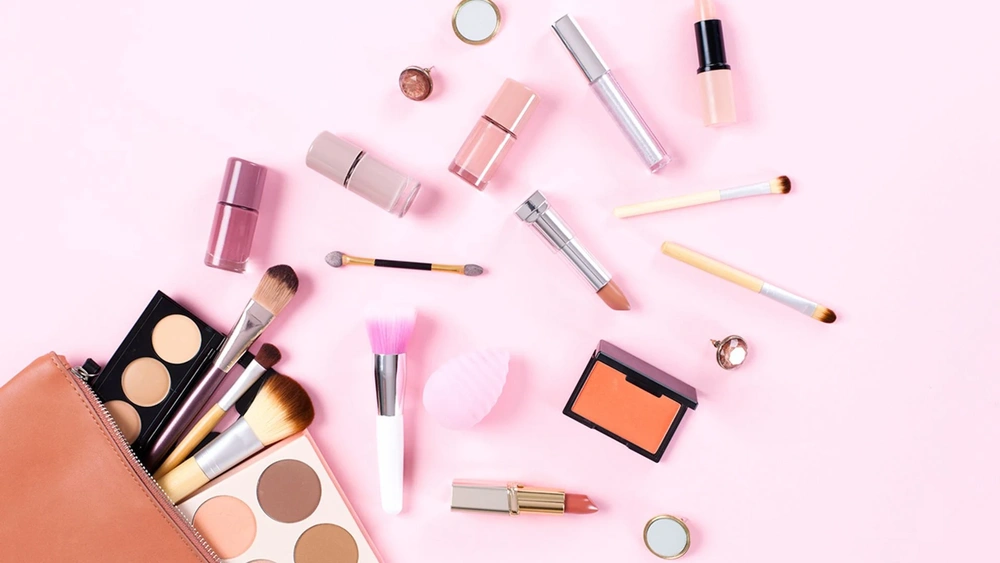
Turkey offers an attractive combination of manufacturing depth, geographical accessibility, and product diversity. For international buyers, that combination can support both established distribution businesses and manufacturers developing new private-label portfolios.
MT Royal can fit into this equation when its multi-brand supply capabilities and competitive pricing match your purchasing requirements. But the most valuable sourcing decision remains the same regardless of supplier: define what success looks like before the order is placed.
Cosmetics are sold in bottles and boxes, but successful international procurement is built on something less visible—documentation, consistency, technical discipline, and trust.
When those foundations are right, Turkish cosmetics can move from being another sourcing option to becoming a dependable part of your international product strategy



No comment