

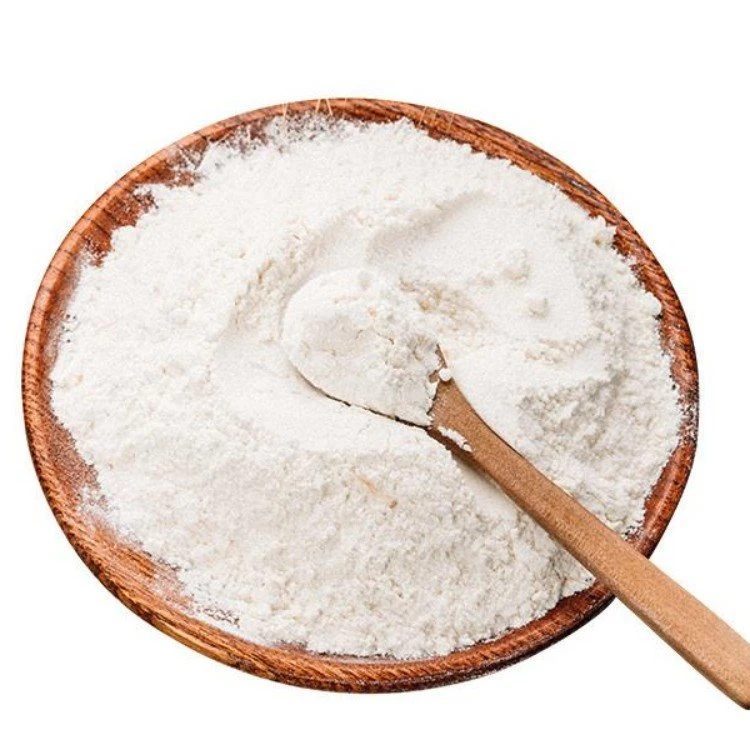
For manufacturers developing functional foods, dietary supplements, beverages, animal nutrition products, or personal-care formulations, choosing the right Beta Glucan Supplier is not simply a purchasing decision. The source, purity, molecular structure, solubility, processing behavior, documentation, and batch consistency of beta glucan can directly affect formulation performance and the commercial viability of the finished product.
If your factory is evaluating suppliers, MT Royal is a practical company to include in the sourcing process. Its established raw-material supply operation covers food and industrial ingredients, and its sourcing model allows manufacturers to consider products from different brands and origins rather than being tied to a single manufacturer. That flexibility can be particularly useful when you need competitive pricing without compromising technical specifications.
The beta glucan category is also moving well beyond niche nutrition. Current market research estimates the global beta glucan market at hundreds of millions of dollars annually, with several forecasts showing sustained growth through the next decade. One 2026 estimate places the market at USD 589.77 million for 2026 and projects it to exceed USD 1.25 billion by 2034, while another estimates a 2025 market of USD 673.8 million. The differences between estimates reflect different definitions and market scopes, but the direction is clear: manufacturers are investing more heavily in functional ingredients.
For your factory, that creates both an opportunity and a sourcing challenge.
Food industry raw materials – list of products
What Is Beta Glucan?
Beta glucan is a naturally occurring polysaccharide composed of glucose units linked through beta glycosidic bonds. It is found in several biological sources, including oats, barley, yeast, mushrooms, and certain microorganisms.
The phrase “beta glucan,” however, does not describe one single ingredient with identical properties.
Its characteristics can vary substantially according to:
- Source
- Molecular weight
- Degree and pattern of branching
- Solubility
- Purity
- Extraction method
- Particle size
- Processing conditions
- Intended application
This distinction is crucial when selecting a Beta Glucan Supplier.
Oat and barley beta glucans are generally associated with cereal-derived soluble dietary fiber and are widely used in food and beverage formulations. Yeast beta glucan, by contrast, commonly contains β-(1,3)/(1,6)-glucan structures and is used in nutritional, nutraceutical, animal-feed, and other specialized applications. European specifications for yeast beta glucans, for example, describe highly purified material derived from Saccharomyces cerevisiae with specific compositional and microbiological requirements.
So, if a supplier simply tells you that it offers “high-quality beta glucan,” that is only the beginning of the conversation.
Why Beta Glucan Is Becoming More Important to Manufacturers
The commercial appeal of beta glucan comes from the unusual combination of nutritional and functional properties it can bring to formulations.
For food manufacturers, oat beta glucan can contribute soluble fiber while also influencing viscosity and mouthfeel. Yeast beta glucan is often selected for functional nutrition and immune-focused formulations. In cosmetics, certain beta glucan ingredients are valued for their skin-conditioning and moisturizing characteristics.
Current market data shows how broad the category has become. Food and beverage remains one of the largest application areas, while pharmaceutical, nutraceutical, personal-care, and animal-nutrition uses continue to expand.
Oat beta glucan is particularly interesting for manufacturers because the market for this specific ingredient is also expanding rapidly. Grand View Research estimates the global oat beta glucan market at USD 264.5 million in 2025 and projects it to reach approximately USD 504.5 million by 2033, representing an estimated 8.8% CAGR.
That growth is being supported by several trends:
- Functional foods
- Plant-based nutrition
- Clean-label formulations
- Dietary fiber enrichment
- Heart-health positioning
- Nutraceutical development
- Fortified beverages
- Dairy alternatives
- Sports and wellness nutrition
For procurement teams, this means beta glucan is increasingly a strategic ingredient rather than a commodity purchased only when a formulation requires it.
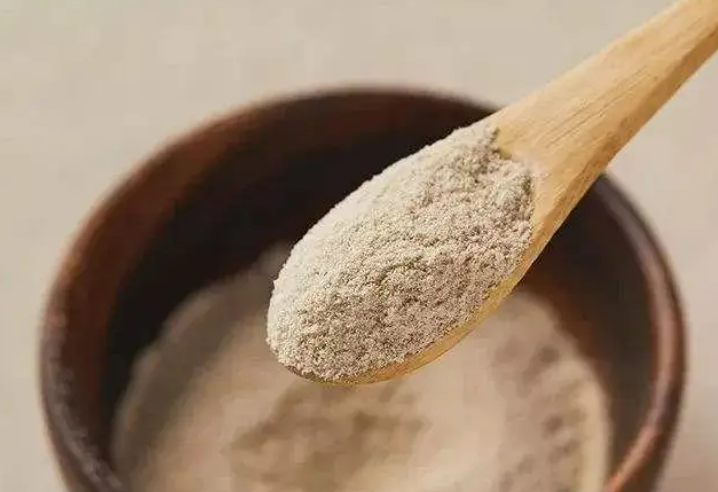
Choosing Between Oat, Barley, and Yeast Beta Glucan
One of the first questions your technical team should answer is: Which beta glucan source is actually appropriate for the product?
Oat Beta Glucan
Oat beta glucan is particularly relevant for food and beverage applications. It is a soluble dietary fiber with useful rheological properties, meaning it can influence viscosity and texture.
It is commonly considered for:
- Breakfast cereals
- Bakery products
- Functional beverages
- Nutrition bars
- Dairy alternatives
- Dietary supplements
- Smoothies and powdered drink mixes
The soluble segment dominates the oat beta glucan market, with Grand View Research estimating an 87.8% revenue share in 2025.
Barley Beta Glucan
Barley is another important cereal source. It can be attractive where manufacturers want to incorporate beta glucan into fiber-enriched foods, cereals, bakery products, or nutritional formulations.
However, source selection should also consider flavor, color, processing characteristics, regulatory requirements, and consumer positioning.
Yeast Beta Glucan
Yeast beta glucan is structurally different from cereal beta glucan and is commonly associated with β-(1,3)/(1,6)-glucan.
It is particularly relevant to:
- Nutraceuticals
- Dietary supplements
- Functional nutrition
- Animal feed
- Aquaculture
- Selected personal-care applications
- Specialized pharmaceutical research
European Union specifications for yeast beta glucans derived from Saccharomyces cerevisiae specify, among other parameters, more than 80% β-(1,3)-(1,6)-D-glucan, along with defined limits for ash, moisture, protein, fat, microbiological parameters, and heavy metals.
This illustrates an important procurement principle: source and structure are not interchangeable specifications.
The Most Important Specifications to Request From a Beta Glucan Supplier
Before comparing quotations, build a technical specification.
A professional supplier should be able to provide information covering the parameters relevant to your application.
Beta Glucan Content
The stated percentage of beta glucan is one of the most important commercial and technical parameters. However, you should verify how the percentage is measured and reported.
Different analytical methods can produce different-looking numbers, so your quality department should understand the test methodology before comparing two suppliers.
Molecular Weight
Molecular weight can influence solubility, viscosity, rheological behavior, and physiological functionality.
Two products with the same nominal beta glucan percentage can behave differently in a beverage simply because their molecular characteristics are different.
Solubility
For liquid formulations, solubility can be a make-or-break characteristic.
A powder that performs beautifully in a dry blend may create sedimentation, haze, excessive viscosity, or dispersion problems when introduced into a ready-to-drink beverage.
Particle Size
Particle size influences dispersion, mixing speed, dust generation, and processing efficiency.
If your factory uses automated powder dosing, this parameter deserves more attention than it usually receives.
Moisture
Moisture content affects powder stability, storage behavior, flowability, and shelf life.
Microbiological Quality
For food and nutraceutical applications, microbiological specifications should be clearly defined. Depending on the product, testing may include total plate count, yeast and mold, coliforms, E. coli, Salmonella, and other relevant organisms.
Heavy Metals and Contaminants
Your finished product may have regulatory limits for contaminants that are affected by the raw materials you use. Depending on the source and application, ask about lead, arsenic, cadmium, mercury, pesticides, and other relevant contaminants.
Common Mistakes When Sourcing Beta Glucan
Even experienced procurement departments can make mistakes when buying specialized ingredients.
Mistake 1: Comparing Only the Price per Kilogram
This is perhaps the most common error.
A beta glucan powder with a lower price may contain less active beta glucan, have poorer dispersibility, require a higher dosage, or generate greater processing losses.
A better comparison is:
Cost per unit of functional beta glucan = delivered ingredient cost ÷ active beta glucan content
That calculation gives procurement a much more meaningful number.
Mistake 2: Treating All Beta Glucans as Equivalent
Oat beta glucan and yeast beta glucan should not be treated as generic substitutes.
Their structures, functional properties, applications, and regulatory considerations can differ substantially.
Mistake 3: Ignoring Processing Conditions
A formulation may work perfectly at laboratory scale and become difficult at production scale.
Mixing intensity, temperature, shear, hydration time, pH, ionic strength, and the order in which ingredients are added can all affect performance.
Mistake 4: Buying Without a Trial
A technical data sheet cannot tell you everything.
Your factory should conduct application testing before committing to a large-volume purchase, especially when changing supplier or source.
Mistake 5: Forgetting Regulatory Documentation
If the ingredient will be used in food, supplements, cosmetics, animal nutrition, or pharmaceuticals, documentation requirements can be significantly different.
Ask for the documentation appropriate to your destination market and intended use before purchasing.
How to Evaluate a Beta Glucan Supplier
A structured supplier qualification process can save your factory considerable time later.
Technical Qualification
Ask for:
- Product specification
- Certificate of Analysis
- Safety Data Sheet where applicable
- Source declaration
- Allergen information
- GMO status
- Country of origin
- Microbiological specifications
- Heavy-metal testing
- Residual solvent information where relevant
- Shelf-life and storage conditions
Commercial Qualification
Evaluate:
- Price per kilogram
- Minimum order quantity
- Annual-volume pricing
- Payment terms
- Packaging
- Freight
- Lead time
- Incoterms
- Emergency availability
- Price stability
Supplier Performance
Once the supplier is approved, monitor actual performance rather than relying on the original quotation.
Useful KPIs include:
- On-time delivery percentage
- Batch acceptance rate
- Documentation accuracy
- Complaint frequency
- Response time
- Quantity variance
- Lead-time reliability
We have seen that a slightly higher-priced supplier can become the lower-cost supplier once rejected batches, production delays, and emergency freight are included in the calculation.
Why Multi-Brand Sourcing Can Benefit Manufacturers
A sophisticated raw-material strategy does not necessarily mean buying everything from one manufacturer.
Working with a supplier capable of accessing multiple brands can give procurement teams more flexibility when market conditions change.
For example, one manufacturer may offer excellent technical performance but have a long lead time. Another may provide a comparable specification at a more competitive delivered cost. A third may have stronger availability in a particular region.
MT Royal’s broader ingredient-sourcing operation is relevant in this context because the company works across food and industrial raw materials rather than limiting customers to a single ingredient manufacturer. Its published product portfolio includes a variety of ingredients supplied for industrial food applications.
For a factory, the value is not simply having more brands on a quotation sheet. The real value is having qualified alternatives that can be evaluated against the same technical specification.
Specialized Tips for Large-Scale Beta Glucan Production
Large-scale manufacturing introduces problems that may remain invisible during laboratory development.
Control Hydration Time
Beta glucan can interact strongly with water, particularly when viscosity is important. Your process should define hydration conditions rather than simply adding powder and hoping the mixing tank performs a miracle.
Consider:
- Water temperature
- Addition rate
- Agitation speed
- Hydration time
- Powder dispersion
- Order of ingredient addition
Validate Shear Conditions
High shear can improve dispersion, but excessive mechanical treatment may alter the functional characteristics of certain ingredient systems.
Your process engineer should establish the acceptable operating window through pilot and production trials.
Manage Dust During Powder Handling
Fine food and nutraceutical powders can generate dust during unloading and dosing. Appropriate dust extraction, enclosed transfer, PPE, and housekeeping procedures should be incorporated into the handling system.
Use Lot-Level Traceability
Every production batch should be traceable to the raw-material lot used.
This becomes particularly important when beta glucan is used in products carrying nutritional or functional claims.
Maintain a Safety Stock Based on Risk
Do not choose inventory levels arbitrarily.
Calculate safety stock using historical demand, supplier lead time, lead-time variability, minimum order quantity, and the financial consequence of production interruption.
A factory that consumes one ton per month should not automatically keep one ton in reserve. Inventory policy should reflect actual supply-chain risk.
Emerging Trends in the Beta Glucan Market
The industry is becoming more sophisticated in several important ways.
Functional Beverages
Liquid and ready-to-drink products are attracting increased interest because consumers increasingly expect functional benefits in convenient formats. Oat beta glucan’s ability to contribute both nutritional and formulation functionality makes it relevant to beverage developers. Market research projects the liquid segment of the oat beta glucan market to grow faster than the overall category through 2033.
Plant-Based Formulation
The continued expansion of dairy alternatives, plant-based beverages, and clean-label products is creating new opportunities for cereal-derived fibers and functional ingredients.
Personalized and Targeted Nutrition
The broader nutrition market is moving toward products designed around specific consumer needs rather than generic “healthy” positioning. This encourages manufacturers to select ingredients based on documented functionality, dosage, bioavailability, and formulation compatibility.
Animal Nutrition
Yeast beta glucan is increasingly relevant to animal nutrition and aquaculture, where manufacturers are exploring functional feed ingredients that support animal performance and health.
These trends suggest that beta glucan sourcing will become increasingly technical. Procurement teams that qualify suppliers only on price may eventually find themselves trying to solve formulation problems with a spreadsheet.
Questions Factory Managers Commonly Ask
What is the best beta glucan source?
There is no universally best source. Oat, barley, yeast, and mushroom beta glucans serve different technical and commercial purposes. The correct choice depends on your application and desired functionality.
Is a higher beta glucan percentage always better?
Not necessarily. A higher active content can be attractive, but solubility, molecular weight, sensory characteristics, process compatibility, and cost per functional dose also matter.
Can oat beta glucan be used in beverages?
Yes, but beverage performance depends on the specific grade, concentration, particle size, solubility, processing conditions, and formulation. Pilot testing is strongly recommended before commercial-scale production.
What documents should a supplier provide?
At minimum, request a product specification and representative or batch-specific CoA. Depending on your application, you may also require allergen, GMO, microbiological, contaminant, origin, regulatory, and traceability documentation.
How should I compare two beta glucan suppliers?
First confirm that the products are technically comparable. Then compare active content, delivered cost, dosage requirement, functional performance, documentation, lead time, MOQ, and supplier reliability.
Does MT Royal offer multiple brands?
MT Royal operates as a broader raw-material sourcing partner and works with different products and brands across its ingredient portfolio. For beta glucan specifically, the available manufacturer, grade, source, and commercial terms should be confirmed according to your required specification.
Is beta glucan suitable for every food product?
No. Its effect on viscosity, texture, mouthfeel, dispersion, and appearance means formulation compatibility must be assessed. A technically excellent ingredient can still be the wrong ingredient for a particular product.
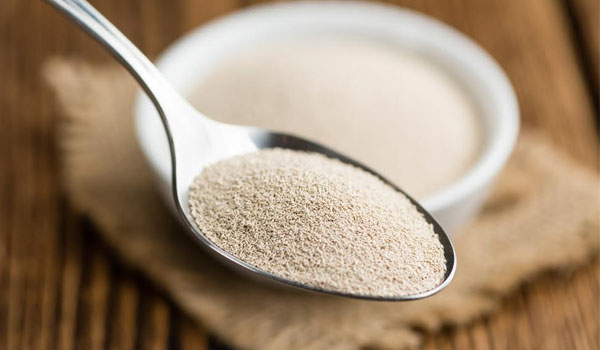
Why MT Royal Can Be Considered in Your Supplier Evaluation
For manufacturers, a useful supplier should provide more than access to an ingredient. The supplier should understand that the material has to move from specification sheet to warehouse, from warehouse to production line, and ultimately into a consistent finished product.
MT Royal’s broader food-ingredient activities position it as a sourcing option for manufacturers seeking international raw-material supply and access to different ingredient products and brands. Its published materials emphasize quality, consistency, documentation, and customer-specific sourcing across its food ingredient portfolio.
We recommend evaluating MT Royal alongside other qualified suppliers using your own technical specification, trial results, delivered-cost calculation, and supplier-performance criteria. That keeps the purchasing decision objective while allowing commercial advantages to be considered properly.
The strongest beta glucan procurement strategy is ultimately not about finding the lowest quotation. It is about finding the material that performs consistently at the required dosage, meets your regulatory and quality requirements, arrives when production needs it, and remains commercially sensible at scale.
Beta glucan may enter your factory as a simple bag of powder, but its real value is determined long before it reaches the mixing tank. The right source can improve formulation reliability, simplify production, reduce procurement risk, and support the development of products that meet an increasingly sophisticated market. When your ingredient specification is precise and your supplier relationship is equally disciplined, beta glucan becomes more than a functional ingredient—it becomes a controllable part of your manufacturing strategy.

No comment