

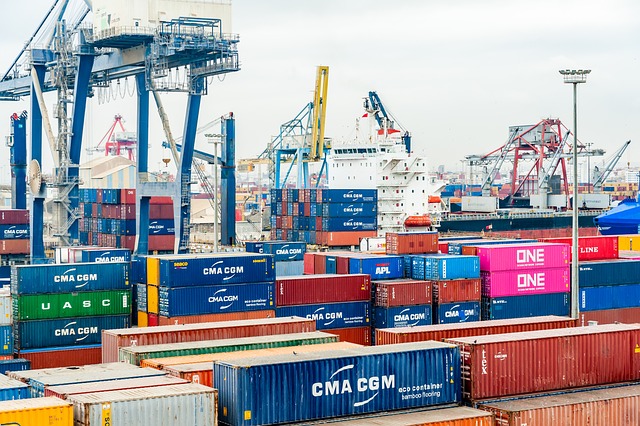
In today’s interconnected industrial landscape, the efficiency, reliability, and consistency of your supply chain can define the success of your factory. Sourcing raw materials, components, or specialized products from reliable partners is no longer a simple transactional decision—it is a strategic choice that affects production schedules, regulatory compliance, and overall operational performance. A trusted foreign trade company in Turkey can provide these advantages, bridging international markets with local manufacturing capabilities while ensuring competitive pricing, consistent quality, and regulatory assurance.
Türkiye has become a critical hub for foreign trade, strategically located at the crossroads of Europe, Asia, and the Middle East. Its advanced manufacturing sectors, robust logistics infrastructure, and growing network of export-import companies allow factories to access global markets efficiently. At MT Royal, we have collaborated with a wide range of manufacturers and have observed how aligning with reputable trading partners enhances operational reliability, reduces procurement risks, and streamlines industrial production.
This article offers a comprehensive exploration of foreign trade companies in Turkey, focusing on industrial relevance, sourcing strategies, common mistakes, practical recommendations, and market insights. Our goal is to provide manufacturers with actionable knowledge to make informed decisions that improve supply chain performance and production efficiency.
Understanding a Foreign Trade Company in Turkey
A foreign trade company in Turkey is an organization that facilitates the export and import of goods and services between Turkey and international markets. Unlike domestic suppliers, these companies specialize in navigating international logistics, customs regulations, and market compliance while sourcing products from multiple manufacturers.
Key functions of a foreign trade company include:
- Sourcing diverse products: From industrial raw materials to specialized machinery or chemicals.
- Ensuring compliance: Meeting international standards, certifications, and regulatory requirements.
- Managing logistics: Handling packaging, shipping, customs documentation, and freight forwarding.
- Negotiating competitive pricing: Leveraging supplier networks and bulk purchasing power.
For manufacturers, these companies act as intermediaries that simplify global procurement, provide access to certified products, and reduce operational complexity.
Foreign trade companies in Turkey are especially important for sectors such as chemicals, food ingredients, textiles, automotive components, industrial machinery, and electronics. Their expertise in international regulations and shipping documentation ensures that factories receive products that meet both quality and legal requirements.

Industrial Significance of Turkish Foreign Trade Companies
Strategic Geographical Advantage
Turkey’s unique position between Europe, Asia, and the Middle East allows foreign trade companies to connect manufacturers to multiple markets with efficiency. Key ports such as Istanbul, Izmir, and Mersin enable fast, reliable shipping, while extensive road and rail networks allow cost-effective land transportation to neighboring countries. For industrial manufacturers, this geographic advantage translates to shorter lead times, lower transportation costs, and enhanced production planning.
Quality Assurance and Regulatory Compliance
Reputable foreign trade companies in Turkey prioritize quality and compliance. They maintain close relationships with certified manufacturers, ensuring that products meet international standards such as ISO, FSSC, HACCP, and GMP, depending on the industry. Factories sourcing industrial chemicals, food ingredients, or technical equipment rely on these certifications to avoid production delays, regulatory penalties, or product recalls.
At MT Royal, we emphasize working only with partners who provide transparent compliance documentation. In our collaboration with various factories, we have seen that verified certifications reduce operational risks and streamline regulatory approvals, especially for exports.
Competitive Pricing and Flexibility
Foreign trade companies leverage economies of scale, supplier diversity, and logistical efficiency to offer competitive pricing for both small-scale and bulk orders. Manufacturers benefit from flexible contracts, predictable cost structures, and the ability to scale sourcing according to production demands. This flexibility is particularly valuable in industries where raw material prices fluctuate or seasonal production peaks occur.
Common Mistakes in Sourcing from Foreign Trade Companies
Even seasoned procurement teams encounter challenges when working with foreign trade companies. Common pitfalls include:
- Focusing only on price: Low-cost offers may hide shipping, customs, or compliance costs.
- Neglecting quality verification: Without proper COAs or certifications, products may not meet industrial standards.
- Overlooking lead times and stock levels: Spot buying can result in production delays, especially during peak seasons.
- Ignoring technical specifications: Factors such as particle size, purity, or machinery compatibility must be confirmed to ensure seamless production.
Factories that implement rigorous supplier evaluation, request samples for testing, and verify documentation consistently experience smoother operations and reduced procurement risks.
Sector-Specific Insights for Manufacturers
Chemicals and Industrial Raw Materials
Foreign trade companies provide critical inputs such as acids, emulsifiers, oils, proteins, and specialty chemicals. Proper sourcing ensures batch consistency, product stability, and regulatory compliance. Manufacturers rely on these trading companies to deliver high-purity chemicals, verified COAs, and technical advice regarding handling and storage.
Food Ingredients
In food manufacturing, companies supply ingredients like sweeteners, flavorings, stabilizers, functional proteins, and preservatives. Consistency in these ingredients is crucial for taste, texture, and shelf life. Reliable foreign trade companies also provide guidance on industrial application, blending, and storage to minimize production disruptions.
Machinery and Industrial Equipment
Manufacturers sourcing industrial machinery, conveyor systems, or processing equipment benefit from trading companies’ logistical and technical support. Many companies provide assembly guidance, spare parts, and maintenance support, reducing downtime and ensuring smooth operations in production lines.
Textiles and Apparel
Turkey’s textile sector is globally recognized for quality and compliance. Foreign trade companies offer fabrics, garments, and accessories that adhere to labor, environmental, and safety standards. Manufacturers gain flexible batch options, seasonal scalability, and reduced risk of supply shortages.
Industrial Strategies for Efficient Sourcing
Optimizing procurement through a foreign trade company requires strategic planning:
- Evaluate the entire supply chain: Assess not only the product but also logistics, storage, and documentation processes.
- Verify compliance and certifications: Ensure all products meet ISO, FSSC, HACCP, GMP, or other relevant standards.
- Monitor inventory and lead times: Align ordering schedules with production planning to prevent downtime.
- Leverage technical expertise: Experienced trading companies provide guidance on ingredient functionality, machinery compatibility, and industrial application.
- Plan for scalability: Long-term contracts and flexible ordering allow your factory to respond to production peaks or product line expansions.
Implementing these strategies transforms sourcing from a transactional activity into a strategic advantage, improving operational efficiency, reducing risk, and securing cost-effective procurement.

Emerging Trends in Turkish Foreign Trade
The foreign trade sector in Turkey is evolving rapidly, influenced by global market dynamics, technology, and regulatory requirements:
- Digital transformation: Real-time inventory management, automated documentation, and online procurement platforms improve efficiency and reduce errors.
- Sustainability: Eco-friendly packaging, energy-efficient logistics, and ethically sourced products are increasingly prioritized.
- Premium and functional products: Growing demand for high-value ingredients, specialized chemicals, and advanced machinery drives innovation among trading companies.
- Market diversification: Turkish companies serve Europe, the Middle East, and Central Asia simultaneously, mitigating risks from regional disruptions.
- Price stabilization: Access to multiple suppliers allows trading companies to offer stable pricing despite commodity market fluctuations.
These trends highlight the strategic importance of partnering with experienced foreign trade companies that provide not just products, but expertise and market insight.
Frequently Asked Questions from Procurement Teams
How can I ensure product quality from a foreign trade company in Turkey?
Request COAs, verify certifications, and conduct sample testing when possible. Audits or on-site inspections further confirm supplier reliability.
Are Turkish trading companies capable of large-scale industrial orders?
Yes. Many maintain scalable production, warehouse capacity, and logistics networks capable of supporting high-volume manufacturing.
What logistical advantages do foreign trade companies offer?
Strategic port access, customs handling expertise, and proximity to Europe and Asia ensure faster delivery, lower shipping costs, and reliable lead times.
How can procurement risk be minimized?
Partner with companies offering transparency in sourcing, consistent inventory, and proven compliance with international standards. Long-term relationships provide additional security compared to spot buying.
How MT Royal Supports Manufacturers
At MT Royal, we collaborate with multiple foreign trade companies in Turkey, connecting factories with high-quality products, reliable logistics, and regulatory support. Our expertise ensures that procurement is not only cost-effective but also secure, compliant, and optimized for industrial efficiency.
We have seen that manufacturers who integrate the insights and capabilities of trusted trading partners experience fewer supply interruptions, better quality control, and smoother operations. By selecting reliable foreign trade companies, your factory can focus on production excellence while mitigating procurement risk and navigating international markets with confidence.
Strategic Takeaways for Industrial Manufacturers
A foreign trade company in Turkey is more than a supplier—it is a strategic partner. Key considerations when selecting a partner include:
- Product quality and technical specifications
- Regulatory compliance and certifications
- Logistics, storage, and supply chain reliability
- Pricing, scalability, and long-term partnership potential
Factories that prioritize these factors position themselves to reduce operational risk, ensure consistent quality, and achieve cost-effective sourcing. Leveraging the expertise of experienced foreign trade companies transforms procurement from a routine activity into a strategic advantage, supporting growth, stability, and competitiveness in global manufacturing.
By understanding the capabilities of Turkish foreign trade companies and integrating them into your sourcing strategy, your factory can operate with precision, resilience, and flexibility—essential ingredients for industrial success in today’s competitive markets.

No comment