

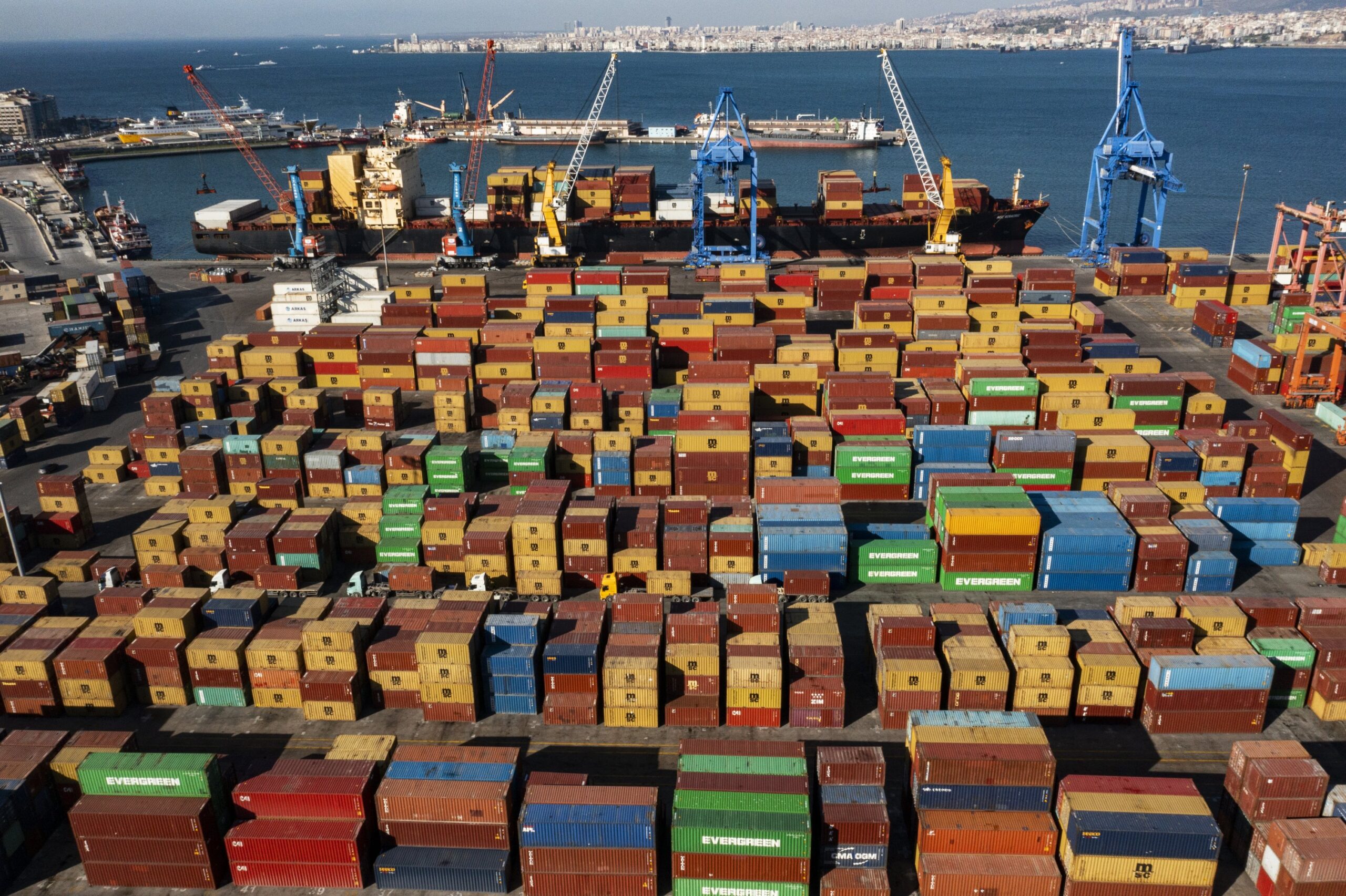
In today’s globalized manufacturing environment, the success of a factory often hinges on access to reliable raw materials and industrial inputs. This is where exporters in Turkey play a pivotal role, offering not just competitive pricing but also consistency, quality assurance, and strategic supply chain advantages. If your factory is looking to source materials efficiently while maintaining strict quality standards, understanding the dynamics of Turkey’s export ecosystem is essential.
Türkiye has become a regional hub for industrial exports, bridging Europe, the Middle East, and Central Asia. Its manufacturing infrastructure, geographic advantage, and strong logistics networks make it an ideal sourcing location for a wide range of products, from chemicals and food additives to machinery and packaging solutions. At MT Royal, we have collaborated with numerous factories across different sectors, and we’ve witnessed firsthand how connecting with reputable exporters in Turkey can enhance operational stability, reduce procurement risk, and unlock competitive advantages.
This article provides an in-depth exploration of exporters in Turkey, covering fundamental concepts, common sourcing pitfalls, industrial best practices, market trends, and practical insights for manufacturers seeking reliable supply partners.
Understanding Exporters in Turkey: Definitions and Fundamentals
At its core, an exporter is a company that sells goods or services beyond national borders. In Turkey, exporters operate in a diverse industrial landscape, encompassing sectors such as:
- Chemicals and food ingredients
- Automotive parts and machinery
- Textiles and apparel
- Construction materials
- Electronics and industrial equipment
Exporters in Turkey differentiate themselves not only by product range but also by their ability to manage logistics, regulatory compliance, and international trade documentation. For manufacturers seeking raw materials, these exporters act as intermediaries between global supply chains and local production capabilities, ensuring that products meet international standards for quality, packaging, and certification.
A robust exporter network is a strategic asset for factories. In many cases, small fluctuations in lead time or product specifications can significantly impact production schedules. Understanding how exporters operate, their sourcing capabilities, and their operational transparency allows manufacturers to make informed procurement decisions.
The Industrial Significance of Turkish Exporters
Strategic Geographic Advantage
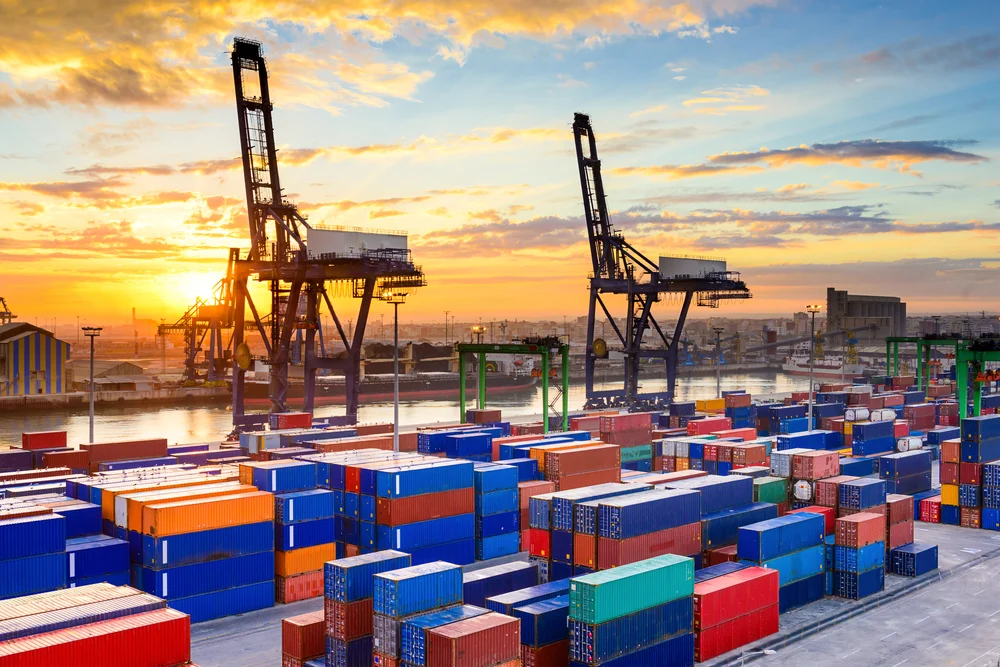
Turkey’s unique position at the crossroads of Europe and Asia offers exporters unparalleled access to major markets. Sea routes from ports such as Istanbul, Izmir, and Mersin connect Turkish manufacturers to European and Middle Eastern destinations, while land routes facilitate fast shipments to Central Asia. For factories, this geographic advantage translates into shorter transit times, reduced logistics costs, and reliable supply schedules.
Quality Assurance and Standards
Turkish exporters are increasingly aligned with international quality certifications, including ISO, HACCP, and FSSC. Many industries, particularly food, chemical, and pharmaceutical sectors, require adherence to strict standards to ensure safety, regulatory compliance, and product consistency. Partnering with certified exporters minimizes the risk of batch rejections, delays, or regulatory complications.
Competitive Pricing and Scalability
One of the most compelling reasons manufacturers turn to exporters in Turkey is cost efficiency. Economies of scale, a diversified supplier base, and access to both domestic and international raw materials allow exporters to offer competitive prices. Factories can leverage this advantage not only for short-term procurement but also to establish long-term, scalable sourcing agreements that support expansion and demand fluctuations.
Common Sourcing Pitfalls with Exporters
Even experienced procurement teams can encounter challenges when working with exporters. The most frequent pitfalls include:
- Focusing solely on price: Low quotations may obscure hidden costs, including logistics, customs duties, or quality discrepancies.
- Neglecting compliance requirements: Factories sourcing chemical or food additives must ensure exporters provide the appropriate certifications and COAs.
- Overlooking supply continuity: Spot buying can lead to shortages, especially during peak export seasons or when raw material prices fluctuate globally.
- Ignoring packaging and handling: Improper packaging may compromise product integrity, particularly for hygroscopic or sensitive materials.
In our collaboration with various factories, we have seen that proactive engagement with exporters—reviewing certifications, logistics capabilities, and production consistency—significantly reduces procurement risk and prevents operational bottlenecks.
Sector-Specific Insights for Manufacturers
Chemicals and Food Ingredients
Exporters in Turkey provide a wide array of chemicals and food ingredients, including acids, proteins, oils, emulsifiers, and preservatives. Factories sourcing these inputs benefit from:
- Transparent COAs ensuring compliance with global standards
- Expertise in handling sensitive or hygroscopic materials
- Flexible packaging and bulk shipping options for large-scale production
For example, sourcing citric acid, palm oils, or specialty proteins from Turkish exporters allows manufacturers to maintain predictable acidity, solubility, and functional performance in beverages, confectionery, or industrial formulations.
Machinery and Industrial Equipment
Turkish exporters also supply machinery and industrial components, from conveyor systems to packaging solutions. Their role extends beyond mere product delivery: many exporters provide technical support, spare parts, and operational guidance. Factories seeking high uptime and minimal maintenance disruptions often favor exporters with proven technical expertise and responsive service networks.
Textiles and Apparel
In the textile sector, Turkish exporters are renowned for both quality and compliance. They adhere to international labor, environmental, and product standards, which is critical for factories producing consumer-facing goods. Efficient logistics and flexible batch sizes enable rapid scaling for seasonal demands or new product launches.
Industrial Tips for Efficient Sourcing
While the expertise of Turkish exporters is valuable, manufacturers can further optimize procurement strategies by adopting several industrial best practices:
- Evaluate the full supply chain: Assess not just the product but the exporter’s logistics, packaging, and documentation capabilities.
- Verify compliance: Ensure that exporters provide COAs, certifications, and regulatory documentation aligned with your end-market requirements.
- Plan for seasonal demand: Build relationships that allow preemptive stock planning, avoiding delays due to global market fluctuations.
- Leverage bulk agreements: Long-term contracts with reliable exporters reduce per-unit costs and secure priority production slots.
- Align technical specifications: Confirm particle size, moisture content, or machinery compatibility for your specific industrial application.
These approaches transform sourcing from a transactional exercise into a strategic advantage, enhancing production efficiency and reducing operational risk.
Understanding Market Trends
The landscape of exporters in Turkey is shaped by global trade dynamics, currency fluctuations, and sector-specific demand trends. Some key observations include:
- Diversification of export destinations: Turkish exporters are increasingly serving European, Middle Eastern, and Central Asian markets simultaneously, offering stability even during regional disruptions.
- Technological adoption: Many exporters now utilize digital documentation, real-time inventory management, and automated logistics tracking, which reduces lead-time uncertainty.
- Emphasis on sustainability: Eco-conscious production, biodegradable packaging, and compliance with environmental standards are becoming common, particularly in food and chemical exports.
- Price stability through strategic sourcing: Factories that engage with multiple exporters in Turkey often mitigate global commodity price volatility.
Frequently Asked Questions from Procurement Teams
How do I ensure product quality when sourcing from Turkish exporters?
Request certificates of analysis (COAs), verify international certifications, and, when possible, audit production facilities or request sample shipments for testing.
Are Turkish exporters reliable for large-scale industrial orders?
Yes. Many exporters have scalable production and flexible shipping arrangements. Partnering with reputable exporters ensures consistent supply for both high-volume and specialized production lines.
What logistics advantages do exporters in Turkey offer?
Strategic port access, advanced customs procedures, and proximity to Europe and Asia enable faster transit times and reduced freight costs.
How can I reduce procurement risk?
Engage with exporters that provide transparency in production, maintain stock continuity, and demonstrate regulatory compliance. Long-term relationships often yield lower overall costs compared to spot buying.
Leveraging MT Royal’s Expertise
At MT Royal, we collaborate with multiple exporters in Turkey across diverse sectors, providing manufacturers with the confidence that sourcing is not only cost-effective but also reliable. In our experience, factories that integrate exporter capabilities into their strategic planning achieve smoother operations, fewer production interruptions, and better regulatory compliance. By understanding the industrial landscape and working with trusted partners, your factory can unlock efficiency, quality, and competitive advantage in every shipment.
Strategic Considerations for Forward-Thinking Manufacturers
Exporters in Turkey are more than just suppliers—they are enablers of industrial performance. Selecting the right exporter involves evaluating product quality, operational transparency, regulatory compliance, logistics efficiency, and long-term reliability.
For factories aiming to scale, reduce operational risk, and maintain competitive pricing, Turkish exporters offer a combination of technical expertise, strategic location, and diverse product availability. Engaging proactively with these partners transforms sourcing into a strategic lever, enhancing both production efficiency and market competitiveness.
In the modern industrial environment, consistent supply and technical alignment can define success more than price alone. By understanding the capabilities of exporters in Turkey and integrating them into your procurement strategy, your factory positions itself for resilient growth and operational excellence.


No comment